
Sleep is not just a passive state—it's an active process that restores the body, consolidates memory, and regulates mood. Yet millions struggle to fall asleep or stay asleep due to overstimulation, stress, and poor environmental cues. One of the most overlooked yet powerful tools for better sleep? Lighting. The right kind of light at the right time can signal your brain that it’s time to wind down. Creating a calming bedtime routine with soft lighting isn’t about aesthetics alone; it’s a science-backed strategy to regulate circadian rhythms and prepare your nervous system for rest.
This guide explores how to design a nighttime ritual centered around gentle illumination—using color temperature, placement, timing, and intentionality to foster deeper relaxation and more consistent sleep patterns.
The Science Behind Light and Sleep
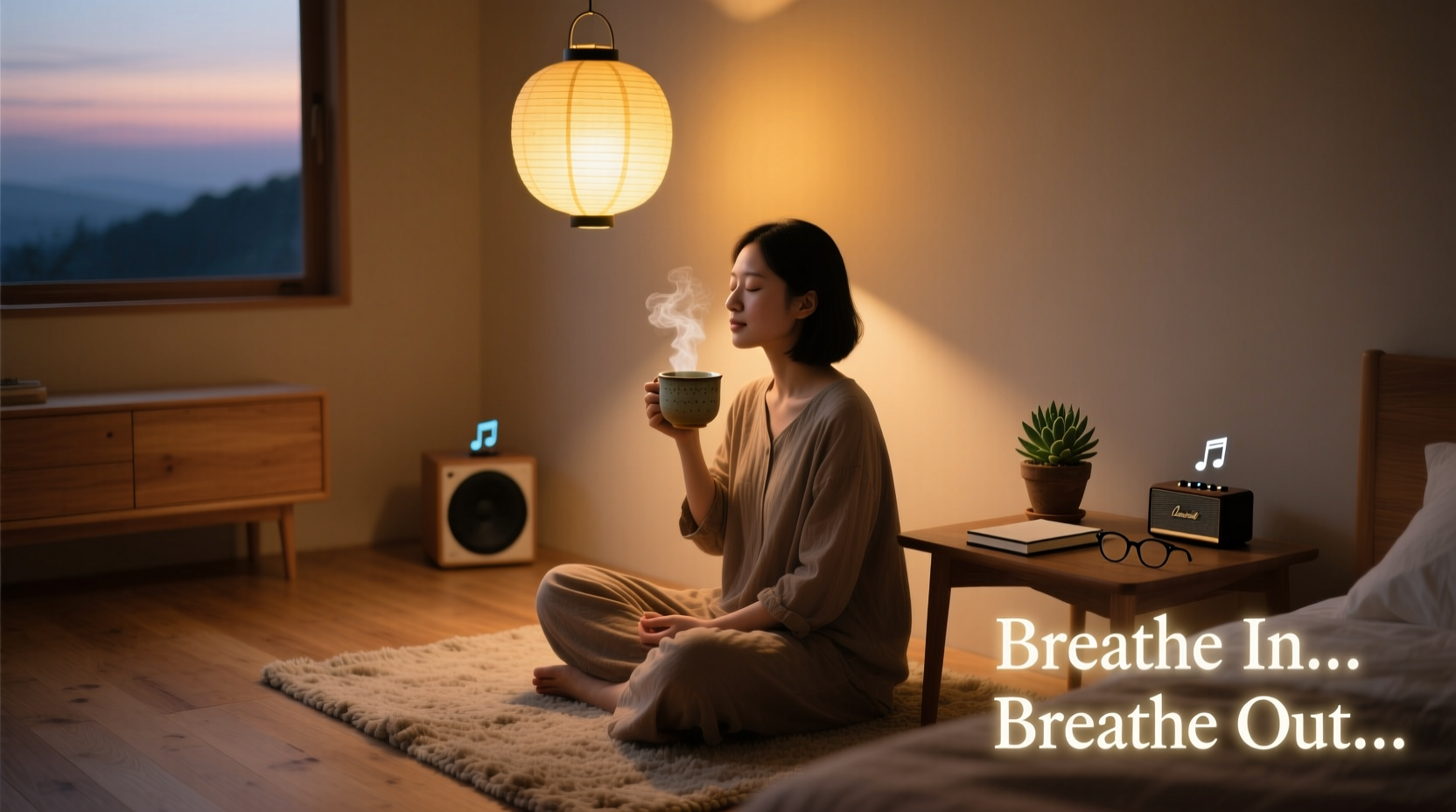
Your body operates on a 24-hour internal clock known as the circadian rhythm. This biological timer responds primarily to light and darkness in your environment. When your eyes detect bright, blue-rich light—like daylight or the glow from screens—your brain suppresses melatonin, the hormone responsible for drowsiness. As evening approaches and natural light fades, melatonin production increases, signaling it’s time to sleep.
Modern life disrupts this natural cycle. Overhead LEDs, smartphones, televisions, and computers emit high levels of blue light, tricking your brain into thinking it’s still daytime. Even moderate exposure after sunset can delay melatonin release by up to 90 minutes, according to research published in the Journal of Clinical Endocrinology & Metabolism.
Soft, warm lighting—particularly in the range of 2700K to 2200K (measured in Kelvin)—mimics the color of candlelight or sunset. This spectrum minimizes blue light and supports melatonin onset. By integrating such lighting into a structured pre-sleep routine, you help your brain transition smoothly from alertness to restfulness.
“Light is the most potent environmental cue for regulating circadian rhythms. Controlling its intensity and color in the evening can dramatically improve sleep quality.” — Dr. Rebecca Fielding, Chronobiologist and Sleep Researcher at the National Institute of Health
Designing Your Soft-Lighting Environment
A well-designed lighting setup doesn't rely on a single source. Instead, it layers ambient, task, and accent lighting to create depth and comfort. Here’s how to build one:
1. Replace Harsh Overheads with Dimmable Warm Bulbs
Ceiling lights are often too intense for evenings. Replace standard bulbs with dimmable LED options rated at 2200K–2700K. Use a wall dimmer or smart bulb controls to gradually lower brightness starting two hours before bed.
2. Add Lamps at Eye Level
Floor and table lamps placed below eye level reduce glare and cast softer shadows. Position them in corners or beside seating areas to create pools of warmth without illuminating the entire room.
3. Incorporate Candlelight or Flameless Alternatives
Real candles offer the purest form of warm, flickering light. However, for safety and convenience, use flameless LED candles with realistic flicker modes. Place them on nightstands, bathroom counters, or shelves to add movement and intimacy.
4. Use Smart Lighting Systems Strategically
Smart bulbs like Philips Hue or LIFX allow you to schedule gradual dimming and color shifts. Program them to transition from warm white to amber tones between 7 PM and 9 PM, mimicking natural dusk.
Step-by-Step Guide to a Calming Bedtime Routine with Soft Lighting
A successful bedtime routine isn’t rushed. It should unfold over 45 to 60 minutes, giving your mind and body time to disengage from daily stressors. Follow this sequence:
- Begin at 8:00 PM – Power Down Screens
Turn off TVs, put phones in another room, and close laptops. Switch primary lighting to dimmed warm bulbs only. - 8:10 PM – Prepare a Non-Caffeinated Beverage
Brew herbal tea like chamomile, passionflower, or magnesium-infused blends. Carry it to your lounge area lit by a single floor lamp or salt rock light. - 8:20 PM – Engage in Quiet Activity
Read a physical book under a soft desk lamp, journal thoughts, or practice gentle stretching. Keep light levels low enough that you wouldn’t want to do detailed work. - 8:45 PM – Transition to Bedroom Lighting
Enter the bedroom illuminated only by bedside lamps or string lights. If possible, avoid turning on overhead fixtures entirely. - 8:50 PM – Practice Mindful Rituals
Use this time for gratitude reflection, breathing exercises, or applying nighttime skincare—all under the same low, warm glow. - 9:00 PM – Set Lights to Minimum or Off
Dim remaining lights further or turn them off completely. Use motion-sensor nightlights (under 5 watts, red-toned) if needed for safety during bathroom trips.
Consistency matters more than perfection. Performing these steps in the same order each night strengthens neural associations between soft light and sleep readiness.
Do’s and Don’ts of Evening Lighting
| Do | Don’t |
|---|---|
| Use warm-colored bulbs (2200K–2700K) | Use cool-white or daylight bulbs after sunset |
| Install dimmers or smart lighting controls | Rely solely on bright ceiling lights in the evening |
| Position lights below eye level | Place lamps where they cause glare or reflections |
| Use red or amber nightlights for navigation | Use blue or white nightlights at night |
| Gradually reduce light over 60–90 minutes | Switch lights off abruptly |
Real-Life Example: How Sarah Improved Her Sleep in Two Weeks
Sarah, a 34-year-old project manager based in Portland, struggled with insomnia for years. She’d lie awake for hours despite feeling exhausted, often scrolling through her phone in bed. After consulting a sleep coach, she redesigned her evening habits around lighting.
She replaced all bedroom and living room bulbs with dimmable warm LEDs. At 8 PM, she began using only table lamps and turned off the TV. She started reading fiction with a small book light instead of her tablet. Within three nights, she noticed she felt drowsier earlier. By day ten, she was falling asleep within 20 minutes of getting into bed—down from nearly an hour.
“It wasn’t just the darkness,” Sarah said. “It was the *quality* of the light. The space felt safer, quieter. My mind stopped racing because there was nothing demanding my attention visually.”
After two weeks, her average sleep duration increased from 5.8 to 7.2 hours per night, verified by her sleep tracker. She reported improved focus and reduced anxiety during the day.
Essential Tips for Maximum Impact
Checklist: Building Your Own Soft-Light Bedtime Routine
- ✅ Replace all evening-use bulbs with warm (2200K–2700K), dimmable LEDs
- ✅ Install at least two low-level lamps in your bedroom and main living area
- ✅ Remove TVs, phones, and tablets from the bedroom or set strict cutoff times
- ✅ Set a daily start time for your wind-down routine (e.g., 8:00 PM)
- ✅ Choose a quiet activity to pair with soft lighting (reading, journaling, etc.)
- ✅ Program smart lights to auto-dim 60–90 minutes before bedtime
- ✅ Test your room’s final light level: it should feel cozy, not functional
- ✅ Commit to the routine for at least 14 days to assess improvements in sleep
Frequently Asked Questions
Can I use regular lamps instead of special sleep-friendly bulbs?
You can, but check the color temperature first. Many standard “warm white” bulbs are still around 3000K, which contains more blue light than ideal. Look for labels specifying “soft white,” “amber,” or “sunset tone.” For best results, choose bulbs labeled 2700K or lower.
Is candlelight safe and effective for bedtime routines?
Yes, real candlelight is excellent—around 1800K, it’s among the warmest artificial sources available. However, never leave candles unattended. Flameless LED candles with flicker effects are a safe alternative, especially in homes with children or pets.
What if I need to see clearly at night, like when caring for a baby or pet?
In cases requiring nighttime visibility, use motion-activated nightlights with red LEDs. Red light has the least impact on melatonin suppression. Place them low to the ground in hallways or bathrooms so they provide guidance without flooding the space with brightness.
Conclusion: Make Darkness a Daily Ritual
Sleep isn’t something you simply fall into—it’s something you prepare for. Just as athletes warm up before performance, your mind and body need a deliberate cooldown before rest. Soft lighting is not a luxury; it’s a foundational element of sleep hygiene that aligns your biology with your intentions.
By reshaping your evening environment with intentional, gentle illumination, you send a clear message to your nervous system: the day is over. Safety is assured. It’s time to let go.
Start tonight. Turn off the overheads. Light a lamp. Breathe. Let the shadows grow longer, not as absence, but as invitation. In the quiet glow, you’ll find not just better sleep—but a deeper connection to the natural rhythm of rest.




 浙公网安备
33010002000092号
浙公网安备
33010002000092号 浙B2-20120091-4
Comments
No comments yet. Why don't you start the discussion?