
In an age where digital devices dominate our evenings, many adults struggle to wind down effectively before bed. The glow of smartphones, laptops, and televisions disrupts natural melatonin production, making it harder to fall asleep and stay asleep. Yet, research consistently shows that screen-free routines lead to deeper rest, improved mood, and greater mental clarity the next day. Creating a calming bedtime ritual without screens isn’t about deprivation—it’s about reclaiming peace, presence, and personal well-being. By intentionally replacing digital stimulation with mindful practices, adults can transform their evenings into a sanctuary of relaxation.
Why Screen-Free Evenings Matter for Sleep Quality
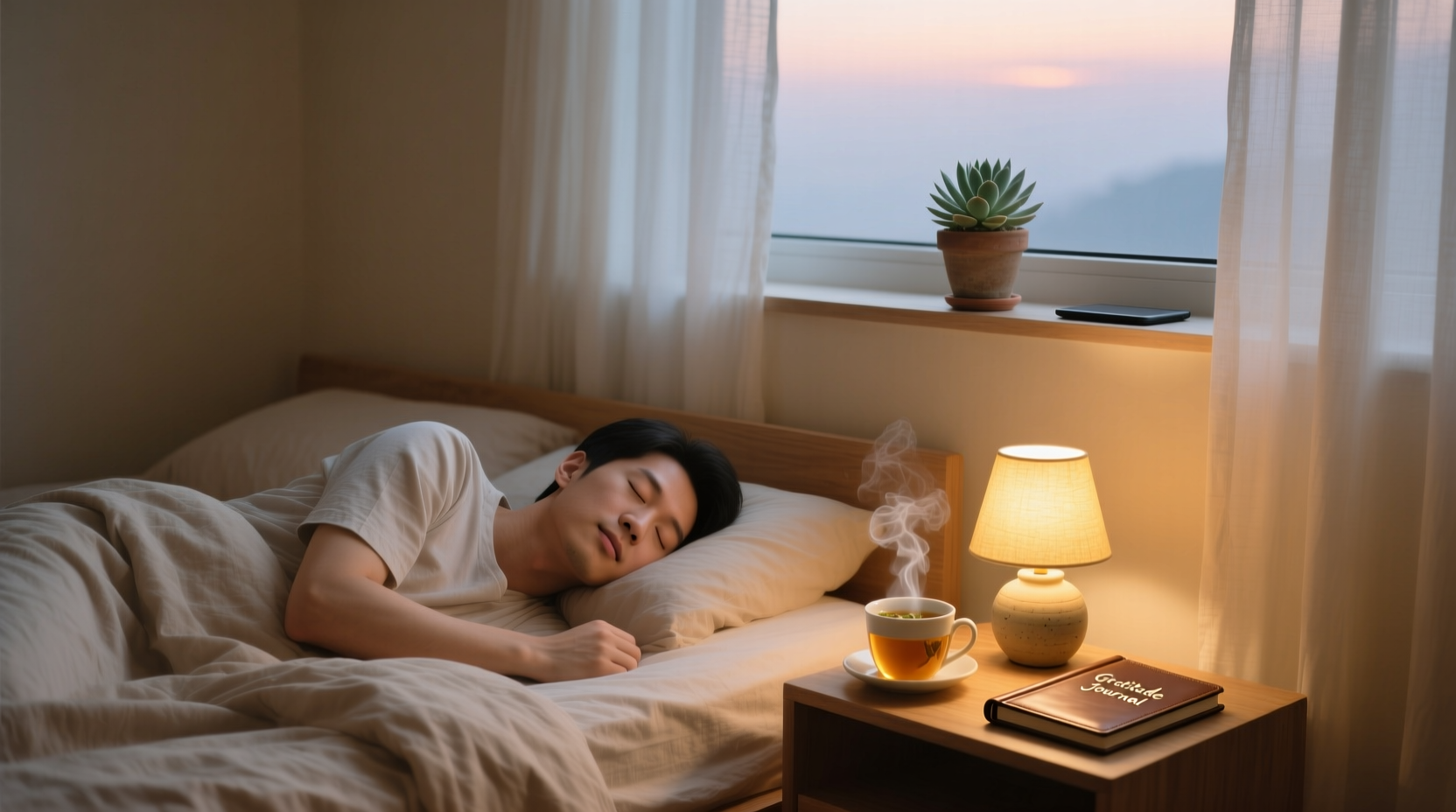
The human body operates on a circadian rhythm, a 24-hour internal clock influenced heavily by light exposure. Blue light emitted by screens suppresses melatonin, the hormone responsible for signaling sleep onset. Even brief evening screen use—checking email, scrolling social media, or watching videos—can delay sleep by up to 30 minutes or more. Over time, this disruption contributes to chronic sleep debt, increased anxiety, and reduced cognitive performance.
According to the National Sleep Foundation, adults who engage in screen-based activities within one hour of bedtime report significantly lower sleep satisfaction than those who avoid them. A screen-free routine allows the nervous system to transition from high-alert “fight-or-flight” mode into the parasympathetic “rest-and-digest” state essential for recovery and regeneration.
“Replacing screens with quiet, reflective activities signals safety to the brain, which is foundational for deep, restorative sleep.” — Dr. Lena Torres, Sleep Neurologist at Boston Center for Sleep Health
Step-by-Step Guide to Building a Screen-Free Bedtime Routine
Transitioning to a screen-free evening doesn’t require drastic changes. Instead, build your routine gradually using these six intentional steps:
- Set a Digital Curfew (60–90 Minutes Before Bed)
Choose a consistent time to power down all devices. Use phone settings like “Do Not Disturb” or schedule app limits to reinforce this boundary. Inform household members of your curfew to minimize interruptions. - Create a Transition Ritual
After turning off screens, perform a simple action that signals the shift to wind-down mode: brewing herbal tea, lighting a candle, or changing into comfortable nightwear. This sensory cue trains your brain to associate the activity with sleep preparation. - Engage in Low-Stimulus Activities
Replace screen time with gentle, non-cognitive tasks such as journaling, stretching, or listening to soft music. Avoid anything mentally taxing like work emails or intense conversations. - Practice Mindfulness or Meditation
Spend 5–15 minutes focusing on breath awareness or guided relaxation. Apps can be used here if pre-downloaded and placed in airplane mode, but ideally, rely on memory or printed scripts to remain fully screen-free. - Prepare Your Environment
Dim the lights, adjust room temperature (ideal range: 60–67°F), and ensure bedding is clean and comfortable. Consider using blackout curtains and white noise machines if needed. - Read a Physical Book or Magazine
Reading under warm-toned lighting helps ease the mind. Choose fiction, poetry, or inspirational content—avoid thrillers or news-heavy material that may trigger alertness.
Essential Components of a Calming Nightly Ritual
A successful screen-free bedtime routine combines physical comfort, emotional grounding, and environmental support. The following elements are not optional extras—they are foundational pillars of sustainable sleep hygiene.
Physical Relaxation Techniques
Tension stored in the body often prevents sleep onset. Gentle movement before bed helps release muscular stress. Try:
- Neck and shoulder rolls
- Seated forward bends
- Legs-up-the-wall pose (5–10 minutes)
- Progressive muscle relaxation (tensing and releasing each muscle group from toes to head)
Mental Unwinding Practices
Your mind needs time to decompress after a full day of decision-making and problem-solving. Incorporate reflective habits such as:
- Gratitude journaling (list 3 positive moments from the day)
- Free-writing without editing (brain dump)
- Visualization (imagine walking through a peaceful forest or lying beside calm water)
Environmental Optimization
Your bedroom should function primarily as a sleep sanctuary. Remove work materials, exercise equipment, or clutter that subconsciously associates the space with activity rather than rest.
| Factor | Do | Avoid |
|---|---|---|
| Lighting | Use dim, warm-toned lamps (under 2700K) | Bright overhead lights or blue-white bulbs |
| Noise | Play nature sounds or white noise via a dedicated device | TV or phone speakers |
| Temperature | Cool room (60–67°F) with breathable linens | Overheating with heavy blankets |
| Smell | Diffuse lavender or chamomile essential oils | Strong artificial fragrances |
Real-Life Example: How Sarah Transformed Her Sleep in Two Weeks
Sarah, a 38-year-old project manager, routinely stayed up until 1:00 AM responding to emails or watching documentaries on her tablet. She woke exhausted, relied on caffeine, and experienced frequent afternoon crashes. After learning about the impact of blue light, she committed to a two-week screen-free experiment.
She began by setting a digital curfew at 9:00 PM. Initially restless, she replaced scrolling with reading novels and practicing 10-minute breathing exercises. She also introduced a nightly tea ritual with magnesium-rich chamomile and kept a gratitude journal on her nightstand.
By day five, Sarah noticed she felt drowsier earlier. By day ten, she was falling asleep within 20 minutes of lying down. After two weeks, she consistently slept 7.5 hours and reported improved focus and reduced irritability. “I didn’t realize how much mental noise my screen time created,” she said. “Now, my evenings feel like a gift, not a race to the finish.”
Common Challenges and How to Overcome Them
Adopting a screen-free routine isn’t always smooth. Here are typical obstacles and practical solutions:
- Fear of Missing Out (FOMO): Many worry they’ll miss urgent messages. Solution: Designate one emergency contact who can call if necessary; silence all other notifications.
- Boredom: Without screens, some feel aimless. Solution: Curate a list of enjoyable analog activities—coloring books, puzzles, knitting, or playing acoustic instruments.
- Partner Disagreement: If your partner uses screens late, compromise by using separate lamps or wearing sleep masks/earplugs.
- Habit Inertia: Old routines die hard. Solution: Start small—just 20 minutes screen-free—and expand gradually.
Checklist: Building Your Personalized Screen-Free Bedtime Routine
Use this checklist nightly to reinforce consistency and track progress:
- ☑ Turn off all screens by 9:00 PM (or 60–90 min before bed)
- ☑ Dim overhead lights; switch to warm-toned lamps
- ☑ Change into comfortable sleepwear
- ☑ Brew a cup of caffeine-free herbal tea (e.g., valerian root, passionflower)
- ☑ Spend 5–10 minutes journaling or writing down tomorrow’s top priorities
- ☑ Practice deep breathing or a short meditation (inhale 4 sec, hold 4 sec, exhale 6 sec)
- ☑ Do light stretching or progressive muscle relaxation
- ☑ Read a physical book (fiction or inspirational only)
- ☑ Get into bed at the same time each night
- ☑ Keep the bedroom cool, dark, and quiet
Frequently Asked Questions
Can I listen to audiobooks or podcasts before bed?
Yes, but with caution. Audio content can be relaxing, but stimulating topics or fast-paced narration may increase alertness. Opt for slow, soothing narratives or sleep-specific meditations. Use a dedicated device like a CD player or offline audio box—not your smartphone—to avoid temptation.
What if I need my phone as an alarm?
Place your phone across the room, face down, in airplane mode. Better yet, invest in a standalone alarm clock. This eliminates the urge to check messages and reduces electromagnetic field exposure near your head.
How long does it take to see results from a screen-free routine?
Most people notice improvements in sleep onset and morning alertness within 5–7 days. Full adaptation typically takes 2–3 weeks. Consistency is key—even one screen-heavy night can reset progress.
Final Thoughts: Reclaim Your Nights, Restore Your Energy
A screen-free bedtime routine is more than a sleep hack—it’s an act of self-respect. In choosing quiet over noise, presence over distraction, and stillness over stimulation, you give yourself permission to truly rest. The benefits extend far beyond better sleep: reduced anxiety, enhanced creativity, and deeper emotional balance become possible when your nervous system is no longer in constant overdrive.
Start tonight. Choose one element from this guide—whether it’s setting a digital curfew, brewing a cup of tea, or writing down three things you’re grateful for—and commit to it for seven days. Build from there. Small, consistent actions compound into lasting transformation. You don’t need more time; you need more intention. Let your evenings reflect that.




 浙公网安备
33010002000092号
浙公网安备
33010002000092号 浙B2-20120091-4
Comments
No comments yet. Why don't you start the discussion?