
In the heart of bustling cities, small apartments are often a necessity. Limited square footage doesn’t mean sacrificing peace. In fact, carving out a dedicated space for mindfulness and relaxation can be one of the most impactful investments in your mental and emotional well-being. A calming corner—a thoughtfully designed nook for meditation, breathwork, journaling, or quiet reflection—can transform even the tiniest studio into a sanctuary. The key lies not in size, but in intentionality. With strategic planning and mindful design choices, you can cultivate a retreat that supports presence, reduces anxiety, and fosters inner calm.
Why a Calming Corner Matters in Small Living Spaces
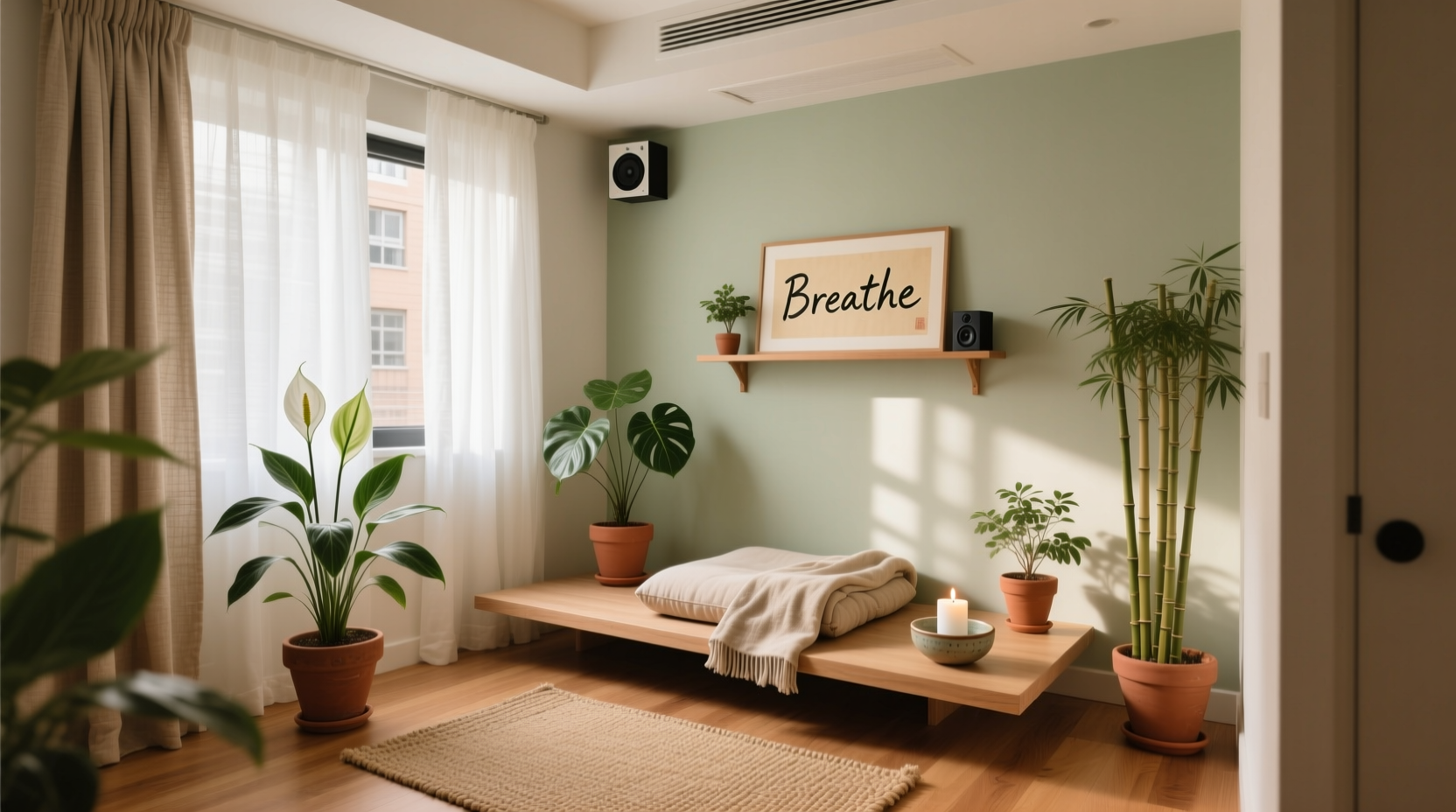
Urban living often comes with sensory overload: noise, visual clutter, and constant stimulation. Without intentional breaks, this environment can erode mental resilience over time. A designated calming corner acts as a psychological boundary—an invitation to pause, breathe, and reconnect with yourself. Research from environmental psychology shows that even brief exposure to personal, peaceful spaces can lower cortisol levels and improve focus.
In small apartments, where every inch serves multiple purposes, having a zone dedicated solely to stillness reinforces the importance of self-care. It signals to your brain that this is a place for slowing down, regardless of what’s happening beyond its borders. Over time, consistent use of such a space strengthens neural pathways associated with relaxation and emotional regulation.
“Even five minutes of intentional stillness in a designated space can reset your nervous system and improve emotional clarity.” — Dr. Lena Patel, Clinical Psychologist & Mindfulness Researcher
Step-by-Step Guide to Building Your Calming Corner
Creating an effective calming corner isn’t about luxury or expense—it’s about thoughtful execution. Follow these steps to build a functional, soothing retreat within your compact home.
- Choose the Right Location: Look for underused areas: a recessed window seat, the end of a hallway, behind a sofa, or a quiet corner near a bedroom. Prioritize spots with natural light or minimal foot traffic.
- Define the Space Visually: Use a low bookshelf, a room divider, or a floor cushion to mark boundaries. Even a change in rug texture or color can signal transition.
- Minimize Visual Clutter: Remove unnecessary items. Keep only what contributes to calm—no work materials, electronics (except intentionally chosen ones), or distracting decor.
- Select Soothing Colors: Opt for soft neutrals, earth tones, or muted blues and greens. These hues are scientifically linked to reduced stress and improved mood.
- Incorporate Comfortable Seating: Choose a floor cushion, meditation bench, or small armchair that supports good posture without strain. Ergonomics matter—even in stillness.
- Add Gentle Lighting: Avoid harsh overhead lights. Use warm-toned lamps, fairy lights, or candles (real or flameless) to create a soft glow.
- Introduce Nature Elements: Include a small plant, a bowl of stones, or a tabletop fountain. Biophilic design enhances tranquility and air quality.
- Personalize Mindfully: Add one meaningful object—a crystal, a framed quote, or a piece of art—that evokes peace. Avoid overcrowding.
- Layer in Sensory Support: Consider a lightweight blanket, essential oil diffuser, or noise-canceling headphones for deeper immersion.
- Establish a Ritual: Use the space consistently—morning breathwork, evening journaling, or midday resets—to condition your mind to associate it with calm.
Essential Elements of a Functional Calming Corner
A successful calming corner balances aesthetics with functionality. Below are core components and why they matter.
| Element | Purpose | Small-Space Solutions |
|---|---|---|
| Seating | Supports posture during meditation or reading | Foldable floor cushion, wall-mounted swing seat, or pouf that doubles as ottoman |
| Lighting | Creates ambiance and regulates circadian rhythm | Clip-on LED reading light, string lights on ceiling, or dimmable smart bulb |
| Natural Materials | Reduces stress through biophilic connection | Mini succulent, bamboo mat, wooden tray, or seashell collection |
| Sensory Tools | Enhances focus and grounding | Portable white noise machine, essential oil roller, or textured fabric swatch |
| Storage | Keeps the area tidy and accessible | Basket under seat, wall-mounted shelf, or ottoman with hidden compartment |
What to Avoid in Your Design
- Overcrowding with too many objects
- Using bright, cool-white lighting
- Placing the corner near high-noise areas like kitchens or entryways
- Leaving devices visible or within easy reach
- Choosing colors that feel stimulating (e.g., red, neon yellow)
Real Example: Maya’s Studio Apartment Transformation
Maya, a graphic designer in Brooklyn, lived in a 400-square-foot studio where her bed, desk, and kitchenette shared one open room. She struggled with anxiety after long hours on screens and felt she had “no place to escape.” After learning about micro-sanctuaries, she repurposed the alcove beside her bathroom door—previously used for storing shoes.
She removed the clutter, painted the walls a soft sage green, and added a foldable zafu cushion with a washable cover. A small rattan shelf held a eucalyptus plant and a Himalayan salt lamp. She hung sheer linen curtains on a tension rod to visually separate the space. Using a Bluetooth speaker at low volume, she played nature sounds during her morning breathing exercises.
Within two weeks, Maya reported feeling more grounded. “I don’t need an hour,” she said. “Ten minutes there resets my whole day. It’s like stepping into another world, even though it’s just three feet wide.”
Checklist: Building Your Calming Corner in Under a Weekend
Use this actionable checklist to set up your space efficiently.
- ☐ Identify a quiet corner or underused area
- ☐ Clear all non-essential items from the zone
- ☐ Paint or use removable wallpaper for calming color
- ☐ Choose compact, comfortable seating option
- ☐ Install soft, warm lighting (lamp, string lights, etc.)
- ☐ Add one live plant or natural element
- ☐ Incorporate a sensory aid (diffuser, sound machine, textured fabric)
- ☐ Store supplies neatly in a basket or hidden container
- ☐ Place one personal, meaningful item (stone, photo, mantra card)
- ☐ Test the space with a 5-minute breathing session
Maximizing Multi-Functionality Without Losing Serenity
In tight quarters, versatility is essential. The challenge is maintaining the integrity of your calming corner while allowing adjacent functions. Here’s how to strike the balance:
Use furniture that transitions easily—such as a storage ottoman that holds blankets but also serves as a seat. A room divider with built-in shelving can separate the space while displaying books or plants. If the corner doubles as a reading nook, keep only a few favorite books there—ideally those with calming themes.
Consider temporal zoning: use the space for mindfulness in the morning, then shift it to gentle stretching or tea sipping in the evening. The ritual itself reinforces the purpose. Avoid letting work, meals, or screen time creep in—these activities dilute the psychological association with peace.
“The power of a calming corner isn’t in its permanence, but in its consistency of use and clarity of intent.” — Rafael Torres, Interior Designer Specializing in Wellness Spaces
FAQ: Common Questions About Small-Space Calming Corners
Can I create a calming corner without any floor space?
Absolutely. Use vertical space: install a small bench under a window, convert a deep windowsill into a mini-meditation ledge, or hang a hammock chair in a sturdy corner. Even a wall-mounted fold-down seat can serve the purpose when needed.
How do I keep the space peaceful if I share my apartment?
Communicate its importance to your roommate or partner. Use subtle cues like closing a curtain, lighting a candle, or wearing headphones to signal “do not disturb.” You can also designate specific times for use, making it part of a shared routine.
What if I don’t meditate? Is a calming corner still useful?
Yes. This space isn’t limited to formal meditation. It can support journaling, deep breathing, mindful tea drinking, stretching, or simply sitting in silence. The goal is intentional pause—not a specific practice.
Final Thoughts: Small Space, Big Impact
A calming corner in a small apartment is more than an interior design choice—it’s an act of self-preservation. In environments where privacy and quiet are rare, creating a micro-sanctuary becomes a radical form of self-care. It doesn’t require renovation, major spending, or extra square footage. What it does require is attention: to your needs, your rhythms, and the moments when stillness can heal.
Start small. Begin with one cushion and one plant. Sit there for two minutes tomorrow morning. Build the habit before perfecting the decor. Over time, this modest corner will become a refuge—a place where you return not to escape life, but to re-enter it with greater clarity and calm.




 浙公网安备
33010002000092号
浙公网安备
33010002000092号 浙B2-20120091-4
Comments
No comments yet. Why don't you start the discussion?