
A capsule wardrobe is more than a fashion trend—it’s a sustainable, intentional approach to dressing that reduces decision fatigue, saves money, and simplifies daily routines. At its core, a capsule wardrobe consists of a small collection of high-quality, versatile clothing items that work together seamlessly across seasons. The goal isn’t just minimalism for aesthetics; it’s about building a functional, enduring wardrobe without overspending. This guide walks through the practical steps to design a lasting capsule wardrobe on a tight budget, using smart selection, strategic planning, and mindful consumption.
Why a Minimalist Capsule Wardrobe Makes Financial and Environmental Sense
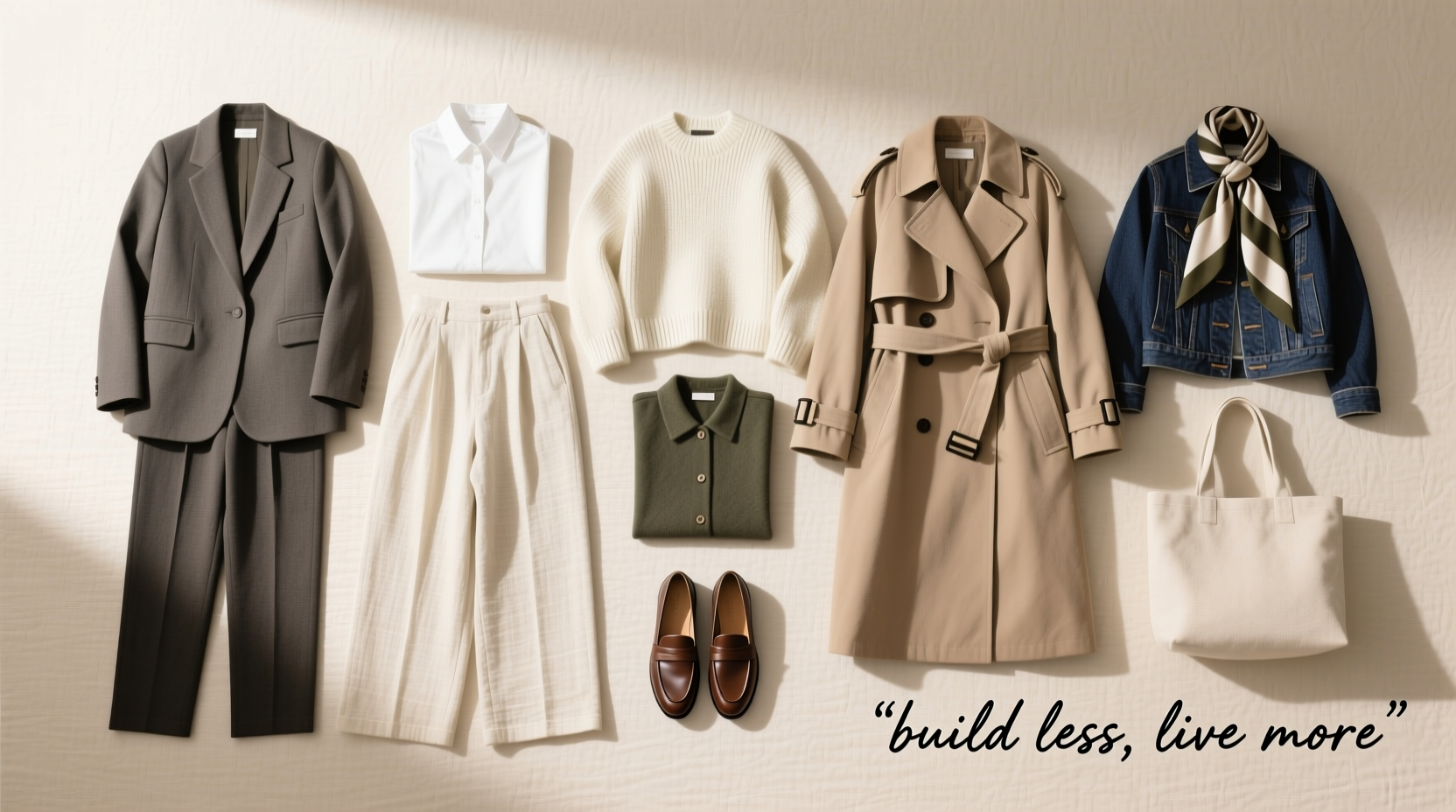
In an era where fast fashion dominates, the average person buys 60% more clothing than they did two decades ago—yet keeps each item half as long. A minimalist capsule wardrobe counters this cycle by prioritizing quality over quantity. By owning fewer, better-made pieces, you reduce clutter, avoid impulse buys, and extend the lifespan of your clothes. According to the Ellen MacArthur Foundation, extending the life of clothing by just nine months can lower carbon, water, and waste footprints by 20–30%. Beyond sustainability, a curated closet frees up time and mental energy spent choosing outfits.
Budget-conscious consumers often assume minimalism requires expensive investment pieces. However, building a capsule wardrobe affordably is entirely possible with patience, planning, and resourcefulness. The key lies in redefining value—not by price tag, but by cost-per-wear, durability, and versatility.
“Minimalism isn’t about deprivation. It’s about removing excess so what remains serves you fully.” — Courtney Carver, founder of Project 333
Step-by-Step Guide to Building Your Budget-Friendly Capsule
Creating a capsule wardrobe doesn’t happen overnight. Rushing leads to poor choices and wasted spending. Instead, follow this structured timeline over 4–8 weeks to ensure thoughtful decisions.
- Week 1: Audit Your Current Wardrobe
Remove everything from your closet. Sort items into three piles: keep, donate/sell, and reconsider. Try on each piece. Ask: Does it fit? Is it comfortable? Have I worn it in the last six months? Keep only what meets all criteria. - Week 2: Define Your Style & Lifestyle Needs
Note your daily activities (e.g., office work, remote job, parenting, fitness). Identify recurring outfit patterns. Choose a neutral color palette (navy, beige, gray, black) to maximize mix-and-match potential. - Week 3: Build a Wish List
List gaps in your wardrobe—e.g., a tailored blazer, dark wash jeans, or a versatile midi dress. Prioritize essentials first. Research affordable brands known for durability like Uniqlo, Everlane (on sale), Pact, or thrift platforms. - Week 4–8: Shop Strategically
Wait for sales, use cashback apps, or visit thrift stores weekly. Buy one foundational piece at a time. Always test for comfort and compatibility with existing items before finalizing.
Essential Pieces for a 30-Item Capsule Wardrobe
A standard capsule includes around 30 items, excluding undergarments, sleepwear, and workout clothes. Focus on timeless silhouettes and natural fabrics like cotton, wool, linen, and TENCEL™, which age gracefully and are easier to repair.
| Category | Recommended Items | Budget-Friendly Alternatives |
|---|---|---|
| Top Basics | 3–4 neutral tees, 2–3 button-downs, 2 turtlenecks | Thrifted cotton shirts, Uniqlo crewnecks |
| Bottoms | 2 pairs jeans, 1 chinos, 1 black trousers, 1 skirt | Secondhand Levi’s, H&M Conscious line |
| Dresses/Jumpsuits | 1–2 versatile dresses (knee-length or wrap style) | Etsy vintage finds, thrift store sheath dresses |
| Outerwear | 1 trench coat, 1 denim jacket, 1 wool coat | Swap with friends, buy off-season |
| Shoes | 1 sneakers, 1 ankle boots, 1 flats, 1 sandals | Pay-per-wear model: prioritize comfort and sole thickness |
| Layering | 1 cardigan, 1 sweater, 1 vest | Wool blends from thrift stores, local consignment shops |
The goal is cohesion. Every top should pair with every bottom. Colors should complement, not clash. When selecting, hold items side by side under natural light to test compatibility.
Do’s and Don’ts of Budget Minimalism
Even with good intentions, common pitfalls can derail your progress. Use this checklist to stay on track.
| Do’s | Don’ts |
|---|---|
| Repair minor damage (loose buttons, small tears) | Throw away clothes with fixable flaws |
| Buy off-season (winter coats in spring, swimsuits in fall) | Shop during emotional highs or stress |
| Use rental services for occasional wear (e.g., formal events) | Purchase trendy pieces expecting long-term use |
| Host a clothing swap with friends | Keep items “just in case” you lose weight or change jobs |
| Track cost-per-wear (price ÷ number of wears) | Assume cheap = budget-friendly if worn once |
Real Example: How Maria Built a Capsule Wardrobe for $150
Maria, a 29-year-old teacher from Portland, decided to rebuild her wardrobe after realizing she wore only 12 of her 47 tops regularly. She began by clearing out 32 items—donating 20, selling 8 online, and recycling 4. With a $150 target, she focused on filling critical gaps: a warm cardigan, dark jeans, and a white button-up.
She visited three thrift stores weekly, checking for natural fibers and sturdy seams. Over six weeks, she found:
- A wool-blend cardigan ($12)
- Dark wash jeans ($8)
- White cotton blouse ($6)
- Black ankle boots ($25)
- Tailored blazer ($18)
- Two linen blend tees ($10 each)
The rest were swapped with a colleague who had similar sizing. Maria now wears each piece an average of 15 times per year. Her cost-per-wear for the blazer, originally $18, is just $0.10 per wear after two years. More importantly, she reports feeling less stressed in the mornings and more confident in her appearance.
Checklist: Your Capsule Wardrobe Action Plan
Follow this concise checklist to ensure success:
- ✅ Empty your closet and sort by usage frequency
- ✅ Identify your lifestyle needs and daily dress code
- ✅ Select a cohesive color scheme (max 3 neutrals + 1 accent)
- ✅ List missing essentials (limit to 5–7 items initially)
- ✅ Set a total budget and stick to it
- ✅ Source secondhand first—thrift stores, Poshmark, Facebook Marketplace
- ✅ Test new purchases against 3 existing items before keeping
- ✅ Store off-season clothes out of sight but properly folded
- ✅ Reassess every 3–6 months for fit, wear, and relevance
- ✅ Repair, don’t discard, minor damages
“The most sustainable garment is the one already in your closet.” — Elizabeth L. Cline, author of *The Conscious Closet*
Frequently Asked Questions
Can I include patterned items in a minimalist capsule?
Yes, but sparingly. A subtle stripe or small geometric print can add interest without breaking cohesion. Ensure the base color matches your neutral palette. For example, a navy-and-white striped shirt pairs well with navy pants or beige skirts.
How do I handle seasonal changes without buying new clothes?
Layer strategically. Use lightweight merino wool layers in winter and breathable linens in summer. Rotate outerwear and accessories instead of full wardrobes. A puffer vest extends the life of spring jackets in colder months.
What if my workplace requires frequent outfit changes?
Focus on modular pieces. For example, a single black dress can be styled differently with a colored cardigan, scarf, or jewelry. Invest in wrinkle-resistant fabrics to maintain polish with minimal care.
Sustain Your Wardrobe, Simplify Your Life
A capsule wardrobe isn’t a one-time project—it’s a mindset shift toward intentionality and self-awareness. By curating fewer, higher-value pieces, you reclaim space, reduce financial strain, and align your outward appearance with inner clarity. The initial effort pays dividends in daily ease and long-term savings. You’ll stop asking, “What should I wear?” and start knowing exactly what works for you.
Start small. Begin with your top five most-worn outfits. Reverse-engineer what makes them successful—fabric, fit, color—and replicate those qualities. Avoid perfectionism. A capsule evolves as you do. What matters is consistency, not completion.




 浙公网安备
33010002000092号
浙公网安备
33010002000092号 浙B2-20120091-4
Comments
No comments yet. Why don't you start the discussion?