
A capsule wardrobe is more than a minimalist fashion trend—it’s a lifestyle choice that values intentionality, versatility, and personal expression. When built entirely from thrifted clothing, it becomes an act of sustainability, resourcefulness, and style innovation. Instead of chasing fast fashion cycles, you curate a small collection of high-quality, timeless pieces sourced secondhand. The result? A closet that reflects your personality, reduces environmental impact, and simplifies daily dressing.
Creating a capsule wardrobe from thrift stores requires strategy, patience, and a clear vision. Unlike retail shopping, where sizes and styles are predictable, thrifting demands adaptability. But with the right approach, you can assemble a cohesive, seasonless wardrobe for under $200—and often much less. This guide walks through every step: defining your aesthetic, sourcing thoughtfully, evaluating quality, building cohesion, and maintaining your collection over time.
Define Your Personal Style Foundation
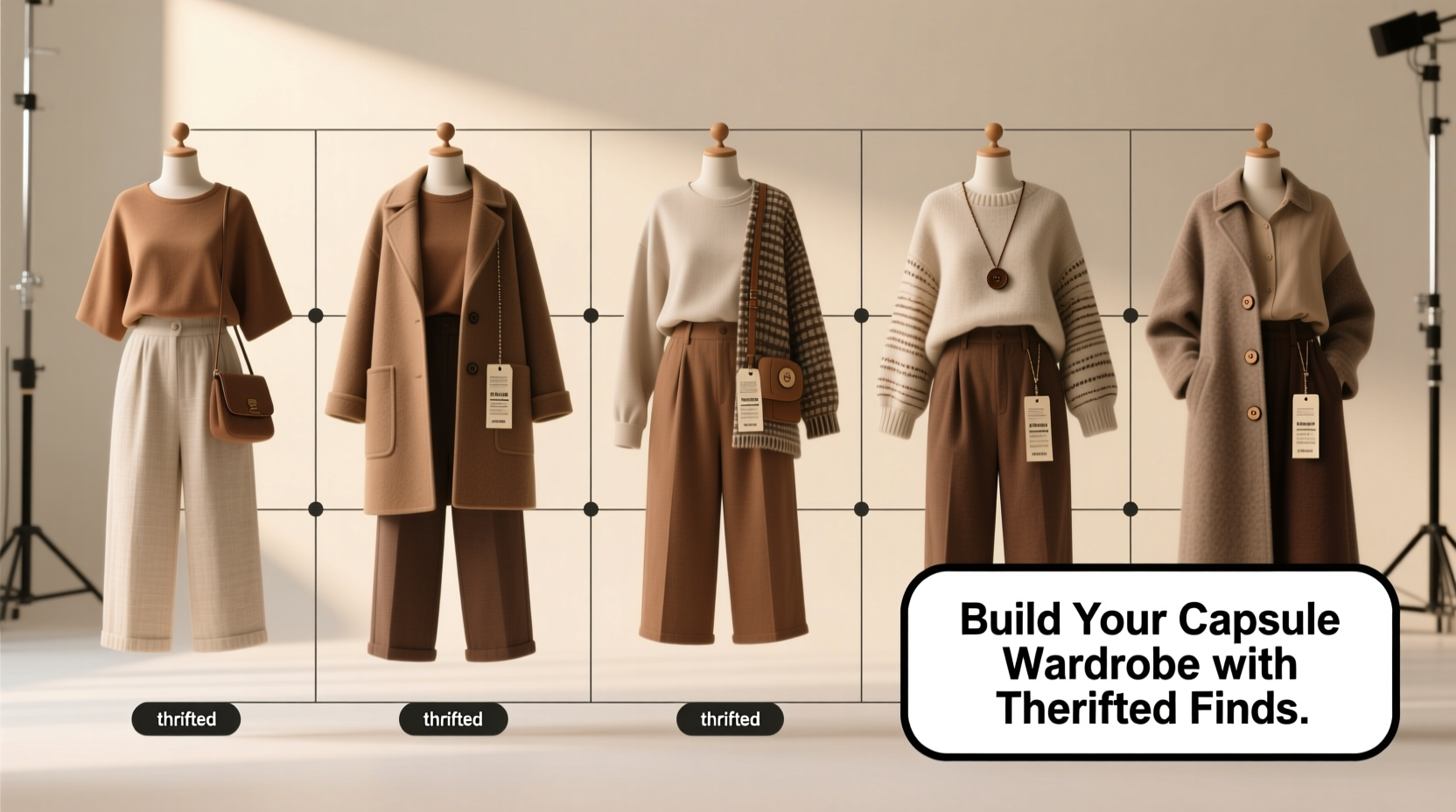
Before stepping into a thrift store, clarity about your personal style is essential. Without it, even the best finds may end up unused. Start by auditing your current wardrobe—not just what you own, but what you actually wear. Identify recurring colors, silhouettes, fabrics, and occasions. Are you drawn to structured blazers and tailored trousers? Or do soft knits and flowy midi skirts feel most like “you”?
Next, gather visual inspiration. Platforms like Pinterest or Instagram can help crystallize your aesthetic. Create a mood board focused on outfits rather than isolated garments. Look for consistency in color palettes (e.g., earth tones, monochrome, pastels), textures (linen, wool, cotton), and proportions (wide-leg pants, cropped tops, long coats).
This foundation prevents impulse buys based on novelty. Thrift stores overflow with unique items, but not all align with a functional capsule. Focus on pieces that reflect your authentic self—not what’s trendy or nostalgic.
Step-by-Step Guide to Building a Thrifted Capsule Wardrobe
Building a capsule wardrobe from thrifted clothes isn’t a one-day project. It’s a phased process that rewards patience and consistency. Follow this timeline to ensure quality and cohesion.
- Week 1–2: Define your style and take inventory. Remove everything from your closet. Sort into keep, donate, repair, and discard piles. Note gaps—do you lack a winter coat? Versatile trousers? A neutral dress?
- Week 3–4: Research local thrift options. Visit multiple stores—Goodwill, Salvation Army, consignment shops, vintage boutiques, and community resale events. Take notes on pricing, organization, and restock days.
- Month 2: Begin strategic shopping. Go in with a list: one pair of dark jeans, a black blazer, two neutral sweaters. Try on everything—even if it seems perfect, fit is non-negotiable.
- Month 3: Edit and refine. Assemble full outfits at home. Eliminate duplicates or ill-fitting items. Prioritize mix-and-match potential.
- Ongoing: Maintain and rotate. Add only when something wears out or a true gap emerges. Seasonally reassess alignment with your lifestyle.
A typical capsule contains 30–40 pieces total, including tops, bottoms, dresses, outerwear, and shoes—but exclude sleepwear, workout clothes, and undergarments. Each item should coordinate with at least three others.
Evaluating Quality in Secondhand Clothing
Thrifted garments vary widely in condition. Knowing how to assess quality saves money and extends wear life. Always inspect inside out and under good lighting.
- Fabrics: Natural fibers like cotton, wool, silk, and linen age better than synthetics. Check for pilling, thinning, or stiffness.
- Stitching: Seams should be tight and even. Loose threads or skipped stitches signal poor construction or wear.
- Zippers & buttons: Test zippers fully. Replace missing buttons only if they’re easy to match; mismatched ones disrupt cohesion.
- Stains & odors: Surface stains may lift, but set-in discoloration or mildew smells are hard to remove. Avoid unless deeply discounted and for skilled DIYers.
- Pits & hems: Underarm areas are wear hotspots. Small holes here often mean the garment has limited life left.
“Not all vintage is valuable, and not all thrift is trash. The key is discernment—knowing the difference between character and compromise.” — Lena Torres, Sustainable Fashion Curator
When in doubt, ask: Can I see myself wearing this twice a week for the next six months? If not, leave it behind.
Do’s and Don’ts of Thrifted Capsule Building
| Do | Don't |
|---|---|
| Shop during discount days (e.g., color tag sales) to maximize value. | Buy oversized items hoping to “tailor later”—most people never do. |
| Stick to a neutral base palette (black, navy, beige, gray) with 1–2 accent colors. | Purchase trendy pieces just because they’re cheap. |
| Bring a measuring tape to verify sizing—labels vary wildly across eras and brands. | Ignore care labels—dry-clean-only items add hidden maintenance costs. |
| Wash or steam items immediately after purchase to refresh fabric and eliminate odors. | Overfill your cart—limit yourself to 3–5 core additions per month. |
| Invest in well-made basics like oxford shirts, trench coats, or leather loafers—they last decades. | Skip trying things on. Fit is everything in a capsule. |
A Real Example: Maya’s 36-Piece Winter Capsule
Maya, a 32-year-old teacher in Portland, wanted a low-maintenance wardrobe that worked for school, errands, and weekend hikes. She gave herself a $150 budget and three months to build a winter capsule entirely from thrift stores.
She began by identifying her core needs: warmth, professionalism, and comfort. Her color palette centered on charcoal, cream, olive, and burgundy. Over weekly visits, she collected:
- A wool blend peacoat ($12)
- Two merino wool sweaters ($8 and $10)
- One pair of tailored trousers ($6)
- One corduroy skirt ($7)
- Three long-sleeve tees ($3 each)
- Leather ankle boots ($20, resoled)
- A turtleneck dress ($9)
- A quilted vest ($5)
She passed on dozens of items—oversized flannels, sequined blouses, polyester blazers—because they didn’t align with her goal. By month three, she had 36 pieces that mixed seamlessly. Her favorite combo: cream turtleneck + olive corduroys + brown boots + peacoat. She reported getting dressed faster and receiving more compliments than ever before.
Essential Checklist for a Successful Thrifted Capsule
Use this checklist as a reference before and after shopping trips:
- Defined my personal style and color palette ✅
- Taken inventory of current wardrobe and identified gaps ✅
- Set a realistic budget (e.g., $50/month) ✅
- Located 3+ reliable thrift stores with regular restocks ✅
- Brought a tape measure and reference outfit photos ✅
- Tested every item for fit, movement, and layering potential ✅
- Ensured each new piece coordinates with at least three existing ones ✅
- Washed or steamed all new additions before storage ✅
- Reassessed full capsule monthly for cohesion and wear ✅
Frequently Asked Questions
Can I really find high-quality clothes at thrift stores?
Absolutely. Many donated items are gently used or brand new with tags. Estate sales, professional downsizing, and overbuying contribute to a steady supply of premium garments. With practice, you’ll learn to spot designer labels, natural fabrics, and superior stitching. Stores in affluent neighborhoods often have higher-quality donations.
What if I don’t live near good thrift stores?
Explore online thrift platforms like ThredUp, Poshmark, or eBay. Filter by size, material, and brand. While shipping adds cost, you gain access to curated inventories nationwide. Alternatively, visit nearby cities quarterly for dedicated thrift outings—treat it like a treasure hunt.
How do I make sure my thrifted clothes look intentional, not mismatched?
Cohesion comes from consistency in color, silhouette, and fabric weight. Stick to a limited palette and avoid extremes (e.g., pairing raw denim with silk ballgowns). Choose pieces with similar design languages—minimalist cuts, clean lines, understated details. When in doubt, try the “unified look” test: lay all items flat. Do they appear to belong to the same person?
Final Thoughts: Style That Lasts Beyond Trends
A capsule wardrobe built from thrifted clothes isn’t about limitation—it’s about liberation. Liberation from decision fatigue, consumer pressure, and clutter. It proves that great style doesn’t require constant spending or newness. Some of the most elegant wardrobes in history were assembled slowly, with care and purpose.
Your capsule will evolve. You might swap a blazer for a denim jacket, or shift from cool to warm tones as your taste matures. That’s part of the journey. What matters is staying true to your values: sustainability, functionality, and authenticity.




 浙公网安备
33010002000092号
浙公网安备
33010002000092号 浙B2-20120091-4
Comments
No comments yet. Why don't you start the discussion?