
In a world where urban living often means tight quarters, carving out a personal retreat for quiet reading can feel like a luxury. Yet, even in the smallest studio or one-bedroom apartment, it’s entirely possible to design a dedicated reading nook that invites relaxation and focus. The key lies not in square footage but in intentionality—choosing the right location, furnishings, lighting, and atmosphere to transform an overlooked corner into a sanctuary of calm. With thoughtful planning and creative use of vertical space, multifunctional furniture, and sensory elements, your compact home can host a deeply comforting spot to unwind with a book.
Choose the Right Location
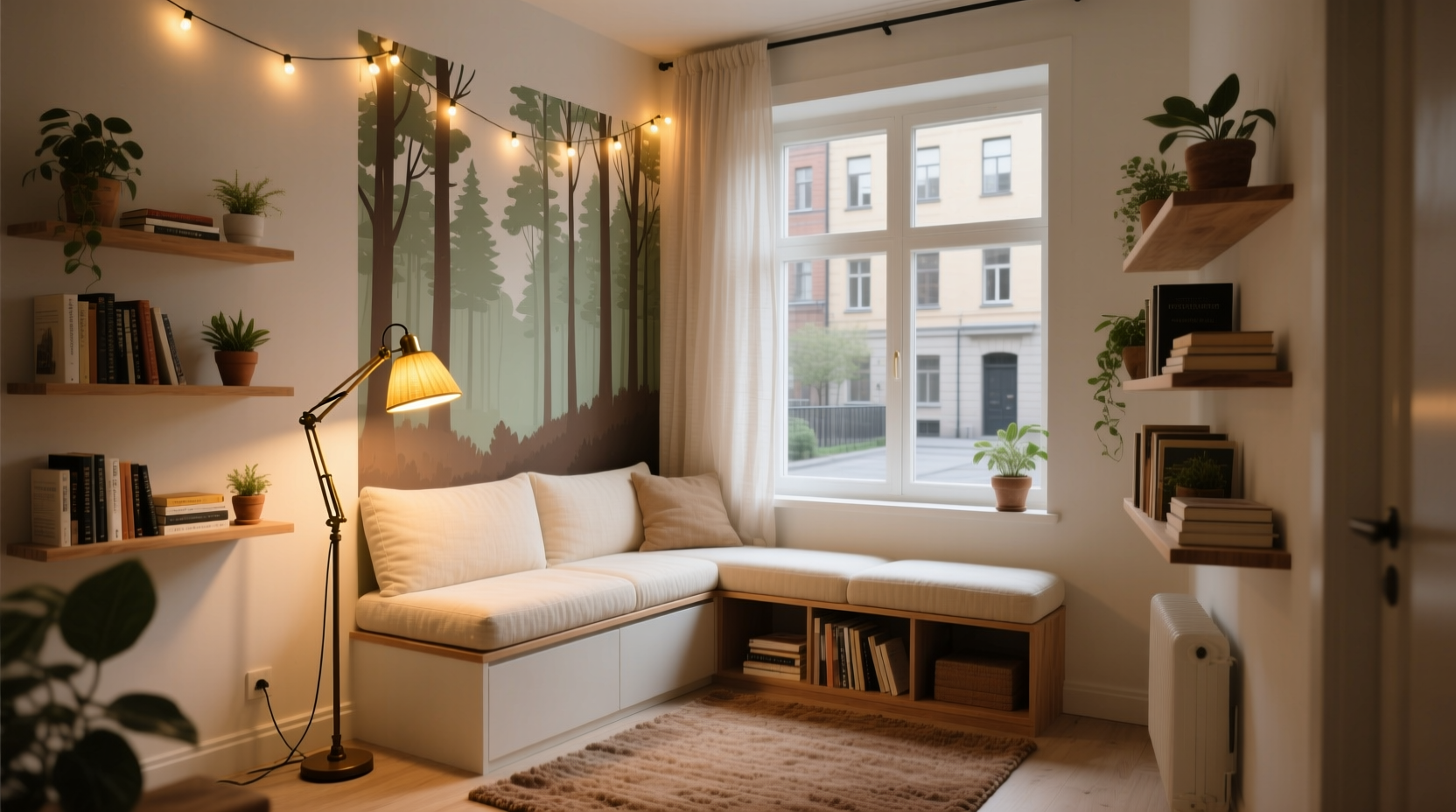
The first step in building a functional reading nook is identifying a suitable space. In small apartments, every inch counts, so look beyond traditional rooms. Ideal spots include:
- Unused corners near windows or beside doorways.
- Under staircases (in loft-style units).
- Alcoves or shallow recesses in walls.
- Beside built-in closets or behind room dividers.
- Window sills wide enough to accommodate seating.
Natural light enhances readability and mood, making window-adjacent areas particularly valuable. However, avoid high-traffic zones like hallways or entry points where foot traffic might disrupt your reading flow. If natural light is limited, don’t worry—strategic artificial lighting can compensate effectively.
Select Space-Saving Furniture
Furniture in a small-space reading nook must be both comfortable and compact. Prioritize pieces that serve multiple functions or fit snugly without dominating the area.
A single armchair with clean lines and a slim profile often works better than a loveseat. Look for models labeled “apartment-sized” or “compact lounge.” If floor space is extremely limited, consider wall-mounted solutions:
- Fold-down reading benches installed under windows.
- Wall-mounted swing arm chairs (though rare, some modern designs exist).
- Corner shelves with integrated seating that double as storage.
For added versatility, choose seating with hidden storage—ottomans with lift-up lids or benches with interior compartments can store books, blankets, or headphones. This reduces clutter elsewhere in the apartment while keeping essentials within reach.
Recommended Compact Reading Chairs
| Chair Type | Footprint (approx.) | Best For | Storage Benefit |
|---|---|---|---|
| Eames Replica Lounge Chair | 28\" x 30\" | Modern aesthetics, mid-century lovers | No built-in storage |
| Folding Reading Bench | 36\" x 18\" (when open) | Windowsills, temporary setups | Stores flat against wall |
| Storage Ottoman + Floor Pillow | 24\" diameter | Bohemian style, flexible use | Holds 2–3 books or throws |
| Corner Papasan Chair | 30\" diameter, fits snugly in corner | Maximizing corner space | Base can include cushion storage |
Optimize Lighting for Comfort and Focus
Poor lighting leads to eye strain and diminishes the pleasure of reading. In a small apartment, overhead lights are often too harsh or unevenly distributed. A well-lit nook requires layered illumination:
- Ambient Light: Soft background lighting, such as a small floor lamp or ceiling fixture on a dimmer.
- Task Light: A focused beam directed at the page. Adjustable-arm wall sconces or clip-on lamps are ideal for saving surface space.
- Accent Light: Optional LED strips under shelves or behind the chair to create a calming glow.
Warm white bulbs (2700K–3000K) promote relaxation, while cooler tones (4000K+) are better suited for daytime alertness. For night reading, avoid blue-heavy LEDs—opt for amber or red-tinted bulbs if available, which minimize melatonin disruption.
Enhance Atmosphere with Sensory Details
A cozy reading nook isn’t just about function—it’s about feeling. Sensory cues help signal to your brain that this space is for slowing down and unwinding.
Textiles play a major role. Drape a soft throw blanket over the chair and keep a small accent pillow nearby. Choose materials like fleece, wool, or cotton depending on climate. Even in warm cities, a light wrap adds psychological comfort.
Scent can deepen relaxation. A discreet reed diffuser with lavender, sandalwood, or vetiver creates a subtle aromatic backdrop. Avoid strong candles in confined spaces unless properly ventilated.
Sound management is crucial in open layouts. If noise from neighbors or street traffic intrudes, consider:
- A small white noise machine placed on a nearby shelf.
- Over-ear noise-canceling headphones for audiobook listeners.
- Heavy curtains or a fabric room divider to absorb sound.
“Small spaces thrive on sensory intentionality. A reading nook should engage touch, sight, and smell to create a full escape—even if it's only three feet wide.” — Lena Torres, Interior Designer & Author of *Micro-Living Essentials*
Maximize Storage Without Clutter
Books are essential to any reading nook, but they can quickly overwhelm a tiny space. The solution lies in smart, vertical storage and selective curation.
Install floating shelves above or beside the seating area. Keep them narrow (6–8 inches deep) to avoid protruding into walkways. Arrange books by color or height for visual calm, or rotate selections seasonally to keep the display fresh.
Alternatively, repurpose everyday items:
- Use a decorative ladder leaned against the wall as a book display.
- Hang canvas bins from hooks for paperback storage.
- Stack sturdy boxes under the chair seat for seasonal reads.
Digital readers reduce physical clutter. Consider keeping only favorite or frequently reread titles in print, storing the rest in a larger cabinet elsewhere or digitizing them.
Reading Nook Do’s and Don’ts
| Do | Don't |
|---|---|
| Use mirrors opposite windows to amplify natural light | Crowd the space with more than three key items (chair, light, shelf) |
| Anchor the zone with a small rug to define the area | Place electronics with blinking lights or notifications nearby |
| Add a side table or wall-mounted ledge for tea or glasses | Use bulky furniture that blocks movement |
| Personalize with one meaningful artwork or photo | Allow the space to double as general storage or laundry drop-off |
Real-Life Example: Maria’s Balcony Corner Nook
Maria lives in a 450-square-foot Brooklyn studio with no separate bedroom or dining area. After months of reading in bed—leading to poor sleep habits—she decided to reclaim a neglected corner beside her sliding glass door to the balcony.
She measured the space: just 3 feet wide and 2 feet deep. Her solution? A foldable teak bench mounted flush against the wall, paired with a weather-resistant outdoor cushion (for durability). Above it, she installed two narrow floating shelves. One holds her current read and a small ceramic mug; the other displays four favorite novels and a potted succulent.
A USB-powered LED strip runs along the underside of the top shelf, activated by a motion sensor. During winter, she drapes a chunky knit throw over the backrest. In warmer months, she slides the glass door open slightly and uses the balcony railing to hang a lightweight wind chime for ambient sound.
The transformation cost under $150 and took one weekend. Now, Maria says, “It’s the only place in my apartment where I truly disconnect. Even though it’s tiny, it feels like its own room.”
Step-by-Step Guide to Building Your Nook
Follow this timeline to set up your reading nook efficiently:
- Week 1: Assess & Plan
Walk through your apartment and identify 2–3 potential spots. Measure each and sketch rough layouts. Decide on primary use (daytime reading, evening relaxation, audiobooks). - Week 2: Source Key Pieces
Purchase or repurpose a compact chair, lighting solution, and one storage element. Check secondhand marketplaces for affordable, space-efficient finds. - Week 3: Install & Arrange
Set up furniture and lighting. Test brightness and comfort. Add textiles and personal touches. - Week 4: Refine & Maintain
Spend three evenings using the space. Adjust lighting angle, swap out uncomfortable cushions, remove distracting items. Establish a weekly reset habit—fluff pillows, return books to shelves, wipe surfaces.
Frequently Asked Questions
Can I create a reading nook in a shared apartment?
Absolutely. Use a folding screen, tall plant, or low bookshelf as a visual barrier to designate your space. Communicate boundaries with your roommate so the area remains undisturbed during your reading time.
What if I don’t have a chair that fits?
Consider floor-based seating. A large floor pillow, zabuton mat, or folded blanket on a rug can be surprisingly comfortable for short sessions. Pair with a wall-leaning board or lap desk for book support.
How do I keep the nook from becoming cluttered?
Treat it like a minimalist zone. Limit items to five core components: seat, light, surface, storage, and one decorative piece. Conduct a monthly edit—remove anything that doesn’t serve comfort or purpose.
Final Thoughts
A cozy reading nook in a small apartment isn’t about perfection—it’s about presence. It’s the deliberate act of reserving a fragment of your home for stillness, curiosity, and imagination. You don’t need a sunroom or a library wall to enjoy this luxury. With careful selection of furniture, lighting, and sensory details, even a sliver of space can become a retreat that enriches your daily life.
Start small. Begin with a single cushion in a quiet corner and build from there. Over time, your nook will evolve into a personal haven—one chapter at a time.




 浙公网安备
33010002000092号
浙公网安备
33010002000092号 浙B2-20120091-4
Comments
No comments yet. Why don't you start the discussion?