
In homes where space is limited, carving out a dedicated area for relaxation and quiet focus may seem like a luxury. But even in under 100 square feet—a spare corner, an alcove, or a compact studio apartment—designing a cozy reading nook is not only possible but deeply rewarding. A well-planned nook invites calm, encourages consistent reading habits, and transforms overlooked areas into cherished retreats. The key lies in intentional design, smart furniture choices, and sensory details that elevate comfort without overwhelming the space.
Define the Purpose and Personality of Your Nook
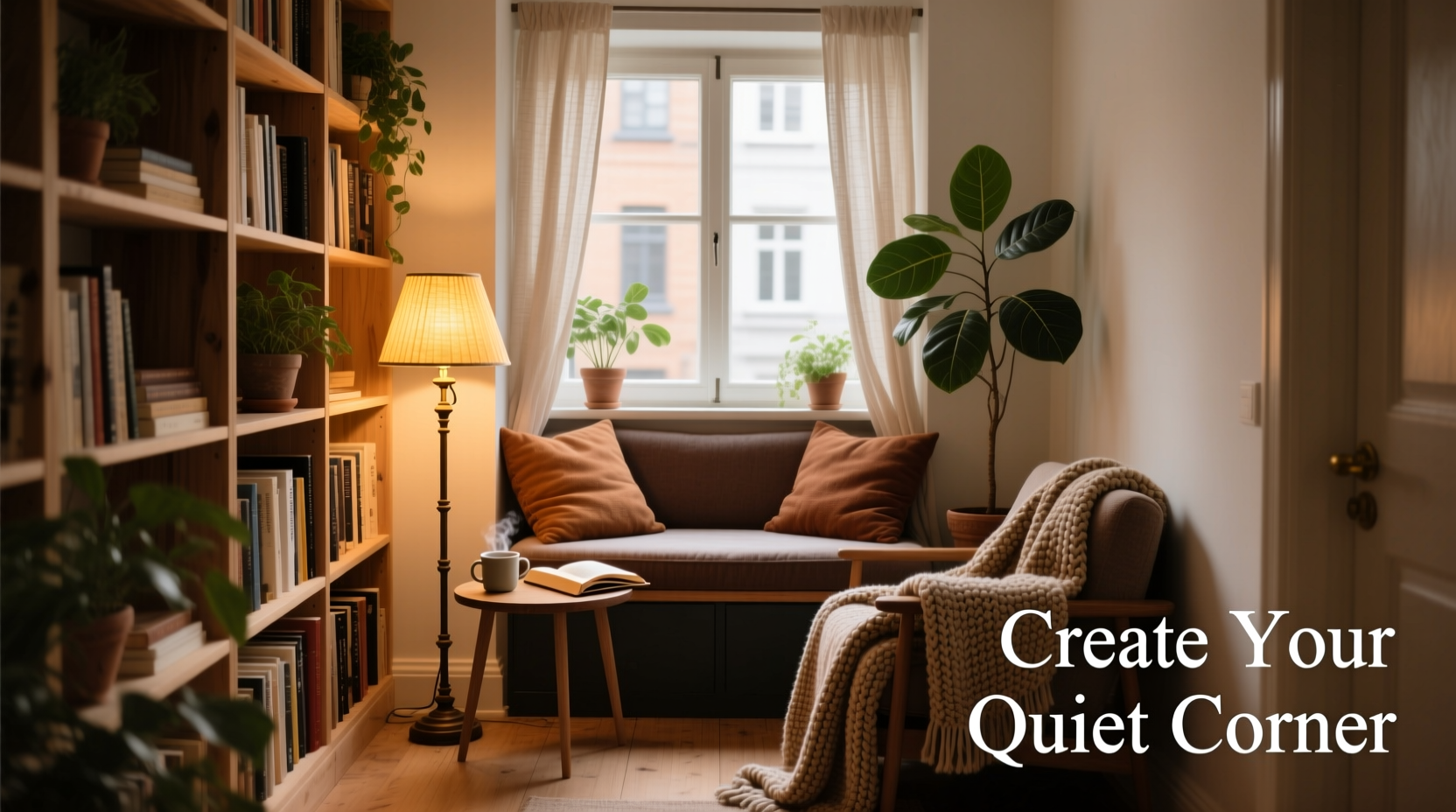
Before selecting furniture or paint colors, consider what kind of experience you want from your reading nook. Is it a place for early morning coffee and light fiction? An evening escape with a novel and soft lighting? Or perhaps a quiet workspace that doubles as a reading zone? Defining the primary function helps guide every decision—from seating type to storage needs.
A reading nook should reflect personal taste. Some readers thrive in minimalist environments with clean lines and neutral tones; others find comfort in layered textures, warm lighting, and eclectic decor. Think about your ideal atmosphere: do you crave warmth and enclosure, or openness and airiness? This clarity will prevent mismatched elements and ensure cohesion in a tight footprint.
Optimize Layout and Space Planning
In spaces under 100 square feet, every inch counts. Start by measuring the intended area precisely. Sketch a rough floor plan to test configurations before committing. Avoid pushing all furniture against walls unless necessary; sometimes floating a chair slightly inward can make the space feel more intimate and defined.
Choose multifunctional pieces. A window seat with built-in storage beneath serves as both seating and shelving. A fold-down wall desk can double as a side table when not in use. If the nook shares space with another room (like a bedroom or living area), use a low bookshelf or room divider to subtly demarcate the zone without blocking light.
Ensure at least 30 inches of clearance around seating for ease of movement. In very narrow areas, opt for armless chairs or compact loveseats instead of bulky recliners. Corners are often underutilized—consider installing a corner shelf or placing a rounded chair to maximize flow.
“Small spaces demand precision, not compromise. A thoughtfully designed nook in 50 square feet can feel more inviting than a poorly planned 200-square-foot lounge.” — Lena Torres, Interior Designer & Small-Space Specialist
Select Comfortable, Proportionate Furniture
The centerpiece of any reading nook is seating. Prioritize ergonomics and scale. A full-sized sofa might dominate a tiny area, while a generously padded accent chair with lumbar support offers comfort without excess bulk. Look for pieces labeled “apartment size” or “compact”—many manufacturers now offer scaled-down versions of popular designs.
Pair your chair with a small side table within arm’s reach. Ideal height matches the armrest or slightly lower. Materials like wood, wicker, or metal with a tray top allow for easy cleanup and flexibility. For added versatility, choose a nesting stool or ottoman that doubles as footrest and occasional table.
Don’t overlook vertical space. Wall-mounted shelves keep books and decor organized without eating floor area. Floating ledges above or beside the chair can display favorites within easy reach. If ceiling height allows, install a slim ladder rail to access higher shelves—both functional and visually striking.
| Furniture Type | Ideal Dimensions (Max) | Recommended Features |
|---|---|---|
| Reading Chair | 28” W x 32” D | Armless or low arms, removable cushion, lightweight frame |
| Side Table | 18” diameter or square | Tray-style, open storage, stackable design |
| Ottoman/Footstool | 20” x 16” | Storage compartment, fabric cover for softness |
| Bookshelf | Width: 36”, Depth: 10” | Narrow profile, adjustable shelves, wall-fixed |
Layer Lighting for Function and Atmosphere
Lighting makes or breaks a reading environment. Natural light is ideal during the day, but consistent artificial lighting is essential for evening use. Relying solely on overhead fixtures creates glare and shadows. Instead, layer three types of light: ambient, task, and accent.
Ambient light sets the overall tone. A small floor lamp in the corner or a ceiling-mounted fixture with a dimmer provides general illumination. Task lighting is critical for reading—position a directional adjustable lamp (like a swing-arm wall light or clip-on) so it shines over your shoulder onto the page, reducing eye strain. Accent lighting, such as LED strip lights under shelves or a small table lamp with a warm bulb, adds depth and coziness.
Bulb temperature matters. Choose 2700K–3000K (warm white) for a relaxing glow. Avoid cool blue tones, which can feel clinical and disrupt melatonin production before bedtime. Smart bulbs allow customization via app or voice control, letting you shift brightness and color based on time of day.
Enhance Comfort with Textiles and Sensory Details
No reading nook feels complete without tactile warmth. Layer textiles strategically to invite lingering. A chunky knit throw draped over the chair offers instant comfort on cooler days. A small performance-fabric pillow supports the lower back during long sessions. Choose materials that are easy to clean—especially if snacks or drinks are part of your routine.
Rugs define zones and absorb sound. Even a 3’x5’ rug under the chair and table anchors the space acoustically and visually. Opt for low-pile wool or cotton for durability and minimal tripping hazard. If allergies are a concern, avoid high-shedding fibers like shag.
Scent and sound also shape ambiance. A discreet essential oil diffuser with lavender or sandalwood can promote relaxation. Alternatively, a small Bluetooth speaker set to nature sounds or soft instrumental music enhances immersion. Keep electronics minimal to preserve the nook’s tranquility.
Mini Case Study: Sarah’s Apartment Alcove
Sarah, a freelance editor in a 750-square-foot urban apartment, transformed a 60-square-foot alcove beside her bedroom closet into a daily retreat. The space had a single window, uneven flooring, and no built-in storage. She began by installing a custom cushioned bench along the base of the window, adding two lift-up hatches for storing blankets and journals. Beside it, she mounted a narrow three-tier shelf for her most-read books.
For lighting, she chose a matte black swing-arm sconce above the bench, wired to a wall switch. A vintage-inspired floor lamp with a fabric shade provided softer ambient light in the evenings. She layered a jute rug over the hardwood, added a caramel-colored throw, and hung sheer linen curtains to diffuse midday sun.
The result? A space she uses for 30 minutes each morning with tea and a novel. “It’s the first place guests notice,” she says. “They assume it was always meant to be a reading spot.”
Step-by-Step Guide to Building Your Nook
- Assess available space: Measure dimensions and note natural light sources, outlets, and architectural features like windows or niches.
- Determine primary use: Will it be used mainly for daytime reading, nighttime relaxation, or multitasking?
- Choose a focal point: Position seating toward a view, window, or artwork to create visual anchor.
- Select scaled furniture: Prioritize comfort and proportion. Test dimensions on paper or with tape on the floor.
- Install layered lighting: Combine ambient, task, and accent sources for full-day usability.
- Add storage solutions: Use wall shelves, ottomans with compartments, or under-seat bins to reduce clutter.
- Layer textiles: Introduce a rug, throw, and cushion in complementary textures and colors.
- Personalize with decor: Include plants, framed quotes, or a small art piece to reflect your personality.
- Test and refine: Spend time in the space at different times of day. Adjust lighting angles, swap cushions, or reposition items as needed.
Common Mistakes to Avoid
- Overcrowding: Resist the urge to fill every inch. Negative space enhances calm.
- Poor lighting placement: Lights behind the reader cause glare; those too far away create shadows.
- Ignoring ergonomics: A beautiful chair that doesn’t support posture will discourage use.
- Using non-washable fabrics: Spills happen. Machine-washable throws and slipcovers are practical.
- Skipping power access: Ensure nearby outlets for lamps, tablets, or charging devices.
FAQ
Can I create a reading nook in a shared room?
Yes. Use a tall plant, bookshelf, or folding screen to create subtle separation. Focus on localized lighting and personal decor to signal the space’s purpose.
How do I keep the nook organized with limited storage?
Adopt a “one in, one out” rule for books. Rotate titles seasonally and donate those you’ve finished. Use under-seat bins and wall pockets for small essentials like bookmarks or glasses.
Is it worth investing in custom furniture?
If your space has odd dimensions (like sloped ceilings or angled walls), custom seating or built-ins can maximize utility. For standard layouts, modular or ready-to-assemble options offer excellent value.
Checklist: Building Your Cozy Reading Nook
- ☐ Measure the available space accurately
- ☐ Define the nook’s primary function and mood
- ☐ Choose a comfortable, appropriately sized chair or bench
- ☐ Add a side table within arm’s reach
- ☐ Install layered lighting (ambient, task, accent)
- ☐ Incorporate wall-mounted or vertical storage
- ☐ Lay down a small rug to define the zone
- ☐ Add a throw blanket and supportive cushion
- ☐ Include personal touches: art, plants, or inspirational quotes
- ☐ Test usability at different times of day and adjust as needed
Conclusion
A cozy reading nook in under 100 square feet isn’t just feasible—it can become the most treasured corner of your home. By focusing on comfort, functionality, and personal expression, even the smallest area can foster deep relaxation and intellectual joy. You don’t need a library or a sunroom to cultivate a reading habit; you need a chair, good light, and intention. Start small, build gradually, and let the space evolve with your needs. Whether it’s five minutes with poetry or an hour lost in a novel, this nook will reward every moment you give it.




 浙公网安备
33010002000092号
浙公网安备
33010002000092号 浙B2-20120091-4
Comments
No comments yet. Why don't you start the discussion?