
In today’s fast-paced world, unwinding at the end of the day is more than a luxury—it's essential for mental clarity, emotional balance, and restful sleep. One of the most effective and accessible ways to decompress is through a well-crafted evening bath routine. Far beyond mere cleanliness, a purposeful bathing ritual can signal to your body and mind that it’s time to shift into rest mode. When designed intentionally, this nightly practice can lower cortisol levels, ease muscle tension, and prime your nervous system for deeper, more restorative sleep.
The science supports this: warm water immersion has been shown to increase blood flow to the extremities, which helps regulate core body temperature—a key trigger for melatonin release. Combined with sensory elements like scent, sound, and touch, a bath becomes not just a physical cleanse but a holistic reset. The following guide walks you through building a personalized, sustainable bath routine rooted in relaxation, self-care, and sleep optimization.
Why a Bath Routine Works for Stress and Sleep
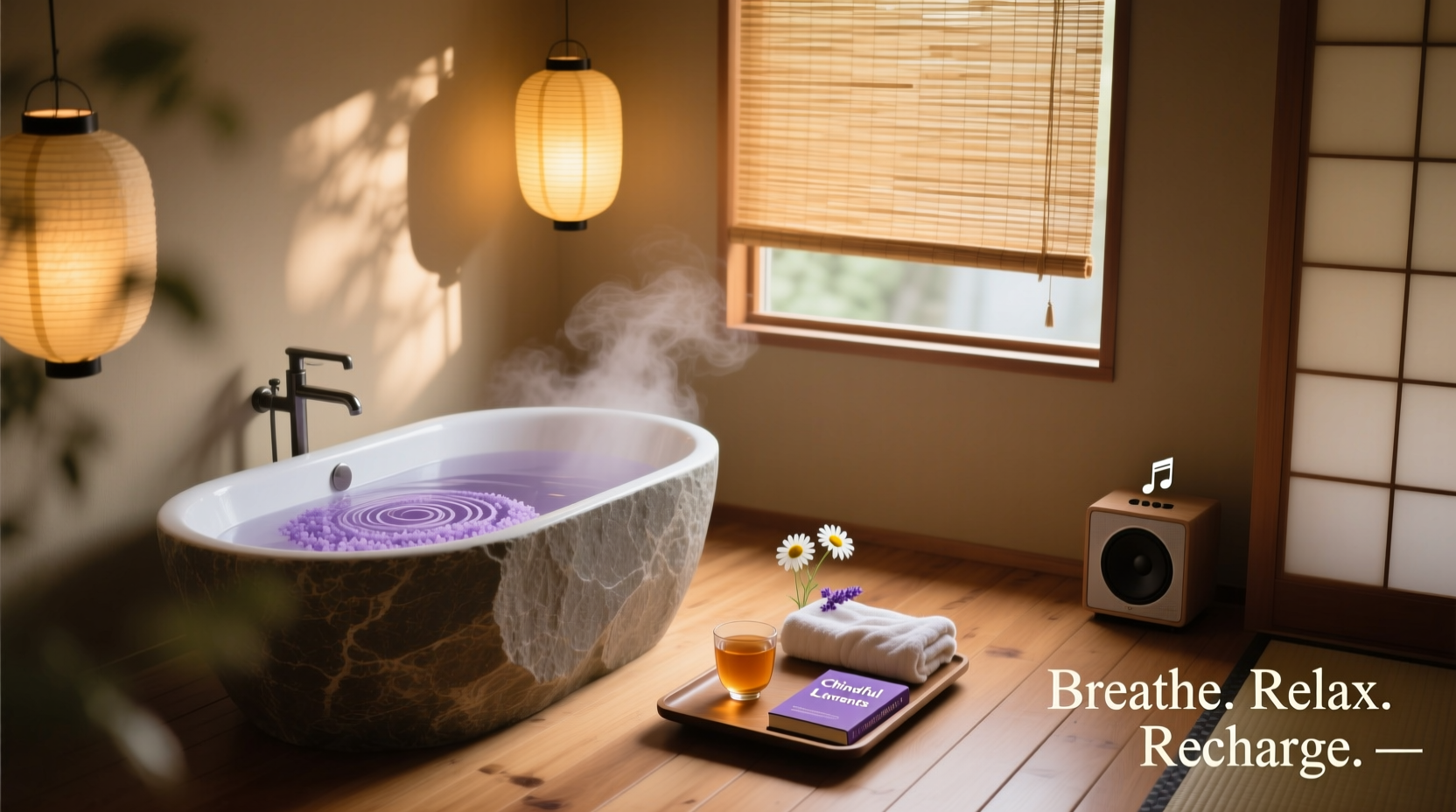
Bathing isn’t just about hygiene; it’s a physiological and psychological transition tool. When you immerse yourself in warm water (ideally between 98°F and 105°F), your body experiences vasodilation—blood vessels expand, circulation improves, and muscles begin to relax. This process mimics the natural drop in core temperature that occurs before sleep, helping to synchronize your circadian rhythm.
Additionally, the ritualistic nature of a bath engages the parasympathetic nervous system—the “rest and digest” counterpart to the stress-driven sympathetic system. Lighting a candle, turning off notifications, and focusing on breath during a bath activates mindfulness, reducing anxiety and quieting mental chatter.
“Even ten minutes of intentional bathing can significantly reduce perceived stress and improve sleep onset latency.” — Dr. Lena Torres, Sleep Health Researcher, National Institute of Integrative Medicine
Step-by-Step Guide to Building Your Ideal Bath Routine
A truly effective bath routine is more than running water and soap. It’s a sequence of deliberate choices that engage the senses and support mental detachment from daily stressors. Follow this six-phase approach to design a ritual that works for your lifestyle and needs.
- Set the Time (60–90 Minutes Before Bed)
Schedule your bath roughly 90 minutes before you plan to sleep. This allows your body to cool down naturally afterward, reinforcing the biological cue for sleep. Avoid late-night baths that leave you feeling too alert or chilled. - Prepare the Environment
Dim overhead lights. Use soft, warm-toned lamps or candles. If possible, eliminate digital screens and loud noises. Play low-volume ambient music, nature sounds, or a guided meditation in the background. - Draw the Bath with Intention
Fill the tub with warm (not hot) water. Test the temperature with your elbow or forearm—comfortable warmth should be soothing, not scalding. Aim for 100–104°F (38–40°C). - Add Relaxing Bath Enhancers
Choose one or two additives based on your goals:- Epsom salts (magnesium sulfate) to ease muscle soreness
- Oatmeal or colloidal oat baths for sensitive skin
- Lavender or chamomile essential oils (diluted in carrier oil or milk) for calming effects
- Engage the Senses During the Soak (15–20 Minutes)
Once submerged, focus on deep, rhythmic breathing. Inhale for four counts, hold for four, exhale for six. Close your eyes and visualize a peaceful place. Keep distractions out of reach—no phones, books, or work-related thoughts. - Transition Mindfully Post-Bath
After exiting the tub, pat dry gently. Apply a hydrating body oil or balm while skin is still damp to lock in moisture. Slip into comfortable, breathable pajamas. Move directly into your wind-down routine: light reading, journaling, or gentle stretching.
Essential Elements for Maximum Relaxation
To elevate your bath from pleasant to transformative, consider integrating these evidence-based components:
- Aromatherapy: Scents like lavender, bergamot, sandalwood, and clary sage have demonstrated anxiolytic (anxiety-reducing) properties. Use 5–6 drops of high-quality essential oil blended with a tablespoon of almond oil or full-fat milk before adding to water.
- Soundscapes: Low-frequency music, white noise, or binaural beats tuned to theta waves (4–8 Hz) can enhance meditative states. Use waterproof speakers or play audio from another room.
- Tactile Comfort: Place a non-slip mat in the tub and use a contoured bath pillow to support your neck and head. These small comforts prevent distraction and promote longer, deeper soaks.
- Hydration: Keep a glass of herbal tea—such as passionflower, valerian root, or magnesium-rich hibiscus—within arm’s reach. Sipping slowly reinforces the calm pace of the ritual.
Do’s and Don’ts of a Sleep-Focused Bath Routine
| Do | Don’t |
|---|---|
| Soak for 15–20 minutes max to avoid skin dehydration | Stay in the tub longer than 30 minutes |
| Use fragrance-free or naturally scented products if you have sensitive skin | Use heavily perfumed bubble baths with synthetic dyes |
| Keep the bathroom warm to prevent chills after exiting | Let the room get cold during or after the bath |
| Incorporate slow breathing or silent reflection | Check emails or scroll social media |
| Follow up with moisturizing lotion or oil | Leave skin to air-dry completely, especially in dry climates |
Real-Life Example: Sarah’s Transformation Through Evening Baths
Sarah, a 34-year-old project manager, struggled with chronic insomnia and mid-evening anxiety. Despite trying supplements and meditation apps, she found herself lying awake for hours, mentally reviewing work tasks. On her therapist’s recommendation, she began experimenting with a structured bath routine three nights a week.
She started by setting a phone reminder for 8:30 PM. She drew a warm bath with Epsom salts and two drops of lavender oil diluted in coconut milk. While soaking, she played a forest soundscape and practiced box breathing. Afterward, she applied lavender-scented body butter and read fiction under soft lamplight.
Within two weeks, Sarah reported falling asleep 30 minutes faster on bath nights. Over time, she increased frequency to five nights weekly and noticed reduced daytime irritability and improved focus. “It’s not just about being clean,” she said. “It’s the first part of my brain accepting that the workday is really over.”
Customize Your Routine Based on Needs
Your ideal bath doesn’t need to look like anyone else’s. Tailor it to your physical condition, preferences, and schedule:
- For High Stress: Add 1 cup of magnesium flakes and 5 drops of frankincense essential oil. Focus on slow exhalations to activate the vagus nerve.
- For Muscle Tension: Use Epsom salts and add a few sprigs of fresh rosemary or ginger-infused water. Gently stretch limbs underwater.
- For Light Sleepers: Incorporate a post-bath foot massage with sesame oil to further ground the nervous system.
- For Busy Evenings: Shorten the soak to 10 minutes but maintain sensory consistency—same scent, same music, same dim lighting.
Expert Insight: The Role of Ritual in Modern Wellness
“Rituals provide predictability in unpredictable lives. A nightly bath isn’t magic—it’s neurobiology meeting intention. The repetition signals safety to the brain, which is the foundation of both relaxation and quality sleep.” — Dr. Amara Patel, Behavioral Sleep Specialist
Frequently Asked Questions
Can I take a relaxing bath if I don’t have a bathtub?
Absolutely. A long, warm shower can be equally effective when done mindfully. Use similar aromatherapy via steam (place a few drops of essential oil on the shower floor or a washcloth), keep lights low, and extend the duration to at least 15 minutes. Focus on breath and avoid rushing.
How often should I do this routine?
For noticeable benefits, aim for at least 3–4 times per week. Consistency matters more than frequency. Even two nights weekly can improve sleep quality over time. Listen to your body—if you feel overly relaxed or sluggish the next morning, adjust timing or water temperature.
Are bath salts safe for everyone?
Most are, but individuals with kidney issues should consult a doctor before using Epsom salts regularly, as excess magnesium absorption can occur. Those with eczema or dermatitis should patch-test any new product and avoid fragranced additives. Oatmeal-based baths are generally safest for sensitive skin.
Build Your Personalized Bath Checklist
Use this checklist to ensure each bath supports your goal of stress reduction and better sleep:
- ☑ Set bath time 90 minutes before bedtime
- ☑ Turn off bright lights and electronic devices
- ☑ Prepare towels, robe, and pajamas in advance
- ☑ Choose a calming scent (lavender, chamomile, sandalwood)
- ☑ Add bath salts or oils (diluted properly)
- ☑ Play soothing audio or silence the space
- ☑ Limit soak time to 15–20 minutes
- ☑ Practice deep breathing throughout
- ☑ Hydrate with caffeine-free herbal tea
- ☑ Transition directly to sleep prep (no screens)
Conclusion: Make Self-Care a Non-Negotiable
A relaxing bath routine isn’t indulgent—it’s a strategic act of self-preservation. In a culture that glorifies busyness, carving out 20 minutes to simply be still sends a powerful message: your well-being matters. By anchoring your evenings in a consistent, sensory-rich ritual, you’re not just preparing for sleep—you’re retraining your nervous system to release tension, embrace calm, and restore balance.
Start small. Commit to one mindful bath this week. Notice how your body responds. Then build from there. Over time, this simple act can become the cornerstone of better sleep, clearer thinking, and deeper resilience. You don’t need special tools or expensive products—just intention, warmth, and presence.




 浙公网安备
33010002000092号
浙公网安备
33010002000092号 浙B2-20120091-4
Comments
No comments yet. Why don't you start the discussion?