
A workspace should be more than just functional—it should support mental clarity, reduce stress, and foster a sense of calm. In today’s world, where many people work remotely or spend long hours at a desk, the environment plays a crucial role in productivity and emotional well-being. Lighting and decor are two of the most influential elements in shaping that environment. Thoughtful choices in these areas can transform a cluttered, harshly lit corner into a serene, inviting space that encourages both focus and relaxation.
The goal isn’t luxury or extravagance, but intentionality. By aligning your workspace with principles of ergonomic design, biophilic elements, and balanced lighting, you create a sanctuary that nurtures rather than drains. This guide walks through practical strategies to design a calming workspace using lighting and decor—without relying on expensive renovations or complex tools.
Understand the Role of Light in Mental Well-Being
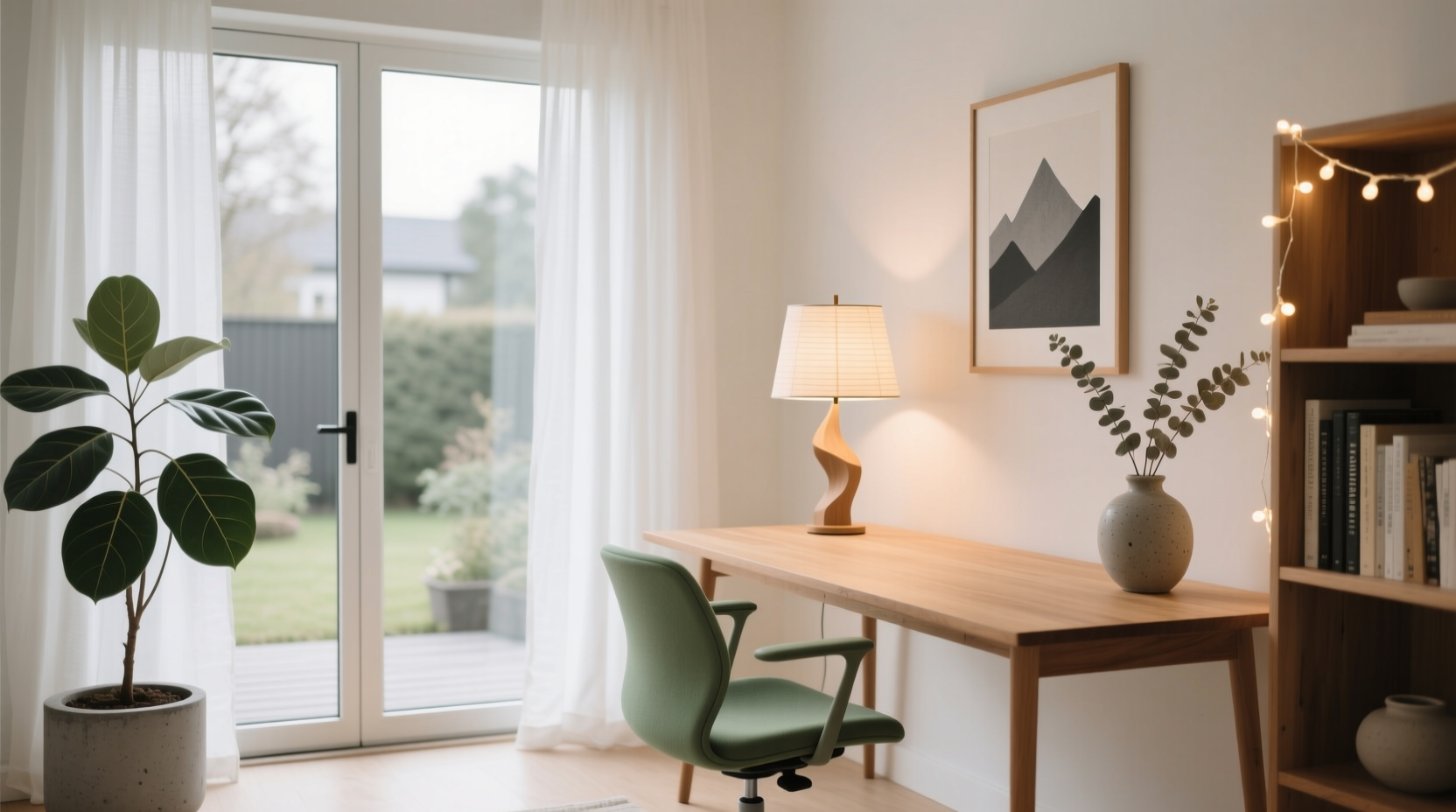
Lighting is one of the most powerful yet underrated factors in workspace design. Poor lighting causes eye strain, fatigue, and disrupted circadian rhythms, all of which contribute to stress and reduced concentration. On the other hand, well-balanced lighting supports alertness during the day and relaxation when needed.
Natural light is ideal. It regulates melatonin production, improves mood, and enhances cognitive performance. Position your desk near a window if possible, but avoid direct sunlight on your screen to prevent glare. If natural light is limited, layer artificial lighting to mimic daylight conditions.
Use a combination of ambient, task, and accent lighting:
- Ambient lighting provides overall illumination. Ceiling fixtures or floor lamps work well here.
- Task lighting focuses on specific areas like your keyboard or reading materials. Adjustable desk lamps with warm-white LEDs (3000K–4000K) are optimal.
- Accent lighting adds depth and warmth—think small LED strips behind monitors or soft-glowing salt lamps.
“Lighting isn’t just about visibility—it’s a psychological tool. The right spectrum and intensity can reduce anxiety and improve sustained attention.” — Dr. Lena Torres, Environmental Psychologist
Choose Calming Colors and Textures
Color psychology plays a significant role in how we experience a space. Harsh whites or bright reds may feel stimulating, even aggressive, while softer tones promote tranquility. For a relaxing workspace, opt for neutral or nature-inspired palettes:
- Soft greens evoke balance and renewal, linked to improved concentration.
- Blues encourage calm and mental clarity without drowsiness.
- Warm grays and taupes provide a modern, grounded backdrop.
- Creams and beiges reflect light gently and make spaces feel open and peaceful.
Avoid overly saturated colors unless used sparingly as accents. Large swaths of bold hues can overstimulate the nervous system, especially under prolonged exposure.
Texture also contributes to the sensory experience. Incorporate tactile elements that invite calm:
- A wool or cotton desk mat instead of plastic.
- A linen-covered notebook or fabric-bound planner.
- A woven basket for cable storage.
These subtle details engage the sense of touch and add warmth to an otherwise sterile setup.
Integrate Nature-Inspired Decor
Biophilic design—the practice of connecting interiors with nature—is proven to lower stress, boost creativity, and enhance air quality. You don’t need a garden view to benefit from its principles. Even small, intentional touches make a difference.
Start with live plants. Low-maintenance options like snake plants, pothos, or ZZ plants thrive in low-light conditions and purify indoor air. A single plant within sight can reduce cortisol levels and improve mood. Place it slightly off-center on your desk to avoid crowding your work zone.
If caring for plants feels daunting, consider realistic faux greenery or nature-themed artwork. Photographs of forests, coastlines, or abstract watercolor landscapes offer visual respite. Frame them in natural wood or matte finishes to maintain a soft aesthetic.
Other biophilic elements include:
- Wooden furniture or desktop accessories (e.g., bamboo trays, cork pinboards).
- Natural stone items like a small geode or marble paperweight.
- Organic shapes in decor—avoid sharp angles; choose rounded vases or curved lamps.
Step-by-Step Guide to Building Your Relaxing Workspace
Transforming your workspace doesn’t require a full redesign. Follow this step-by-step process to gradually build a calming environment:
- Assess your current setup. Note sources of discomfort—glare on screens, harsh overhead lights, visual clutter.
- Maximize natural light. Rearrange furniture so your desk faces a window, but not directly in front of it. Use sheer curtains to diffuse sunlight.
- Add layered lighting. Install a dimmable overhead fixture, place a warm-toned desk lamp, and include soft accent lighting.
- Select a calming color scheme. Repaint if possible, or use removable wallpaper, tapestries, or framed art in soothing tones.
- Incorporate biophilic elements. Add one live plant, a wooden organizer, and a piece of nature-inspired art.
- Declutter and organize. Use baskets, drawer dividers, and cable management sleeves to reduce visual noise.
- Personalize mindfully. Include only items that bring peace or inspiration—a photo, a quote, a small sculpture.
- Test and refine. Spend a full workday in the space. Adjust lighting brightness, reposition decor, or swap colors as needed.
This process takes days or weeks, not hours. Allow yourself to experiment and notice how each change affects your mood and focus.
Common Mistakes to Avoid
Even with good intentions, certain habits undermine a relaxing workspace. Recognizing these pitfalls helps you sidestep them:
| Mistake | Why It’s Problematic | Better Alternative |
|---|---|---|
| Using only overhead fluorescent lighting | Creates glare, increases eye strain, disrupts circadian rhythm | Layer with warm desk lamps and indirect lighting |
| Overcrowding the desk with decor | Visual clutter raises stress and reduces focus | Follow the “one-in, one-out” rule for new items |
| Ignoring wall color | Bright or cold walls amplify harsh lighting effects | Paint walls in soft neutrals or use large fabric hangings |
| Placing the desk with back to the door | Triggers subconscious unease due to lack of visibility | Position so you can see the entrance or use a mirror |
| Skipping cable management | Tangled cords create chaos and hinder cleaning | Use clips, sleeves, or under-desk trays |
Real-Life Example: From Chaotic Corner to Calm Zone
Sophie, a freelance writer in Portland, used her dining table as a makeshift office. Her laptop sat under a bright kitchen spotlight, surrounded by mail, coffee mugs, and tangled cords. She reported frequent headaches and difficulty concentrating past mid-afternoon.
After reading about biophilic design, she dedicated a quiet corner of her living room to work. She painted the wall behind her desk a soft sage green, added a floor lamp with a fabric shade, and placed a small snake plant on the windowsill. She replaced her plastic organizer with a wooden tray and hung a framed forest print above her monitor.
Within a week, Sophie noticed fewer headaches and felt more motivated to start her mornings. “It’s not just prettier,” she said. “It feels like my space finally respects my need to focus and breathe.”
Essential Checklist for a Relaxing Workspace
Use this checklist to evaluate and upgrade your workspace in stages:
- ✅ Desk positioned to receive natural light (but not direct sun)
- ✅ Overhead lighting is diffused or dimmable
- ✅ Task lamp with adjustable arm and warm-white bulb (3000K–4000K)
- ✅ At least one plant or nature-inspired decorative element
- ✅ Wall colors or artwork in calming tones (greens, blues, neutrals)
- ✅ Minimal desk clutter—only essentials within reach
- ✅ Cables organized and out of sight
- ✅ Personal item that brings joy or calm (photo, stone, quote)
- ✅ Seating is comfortable and supportive
- ✅ Space feels balanced—not too bright, not too dark
Frequently Asked Questions
Can I create a relaxing workspace in a small apartment?
Absolutely. Small spaces benefit even more from intentional design. Use mirrors to reflect light, choose multi-functional furniture, and stick to a minimalist approach. A compact foldable desk with a single plant and warm lighting can become a peaceful retreat.
Is smart lighting worth the investment?
For some, yes. Smart bulbs allow you to adjust color temperature throughout the day—cooler in the morning, warmer in the evening. This supports natural circadian rhythms and reduces digital eye strain. However, simple plug-in lamps with manual dimmers can achieve similar results at lower cost.
How do I maintain a relaxing vibe if I share the space?
Set boundaries through physical cues. Use a room divider, a distinct rug, or directional lighting to define your zone. Communicate your needs clearly—many shared environments can accommodate quiet hours and personal organization systems.
Final Thoughts: Design for How You Want to Feel
A relaxing workspace isn’t about aesthetics alone—it’s about designing for emotional resilience. Every choice, from the angle of your lamp to the texture of your mousepad, influences your state of mind. When lighting is soft and layered, when decor reflects nature and simplicity, your environment begins to support you rather than demand energy from you.
You don’t need a designer budget or a dedicated home office. Start small: replace a harsh bulb, add a plant, clear one corner of clutter. These incremental changes compound into a space that feels safe, focused, and restorative.




 浙公网安备
33010002000092号
浙公网安备
33010002000092号 浙B2-20120091-4
Comments
No comments yet. Why don't you start the discussion?