
Tomato sauce is one of the most fundamental preparations in global cuisine—versatile, deeply flavorful, and capable of anchoring everything from pasta dishes to stews and braises. Despite its apparent simplicity, mastering a well-balanced tomato sauce requires understanding the science of acidity, sweetness, umami, and texture. Whether you're preparing a quick weeknight marinara or a slow-simmered Neapolitan ragù, the foundation lies in knowing how to extract the best qualities from tomatoes while balancing complementary ingredients. This guide provides a comprehensive approach to creating exceptional tomato sauces, covering ingredient selection, technique, variations, and professional insights that elevate your results from ordinary to outstanding.
Definition & Overview
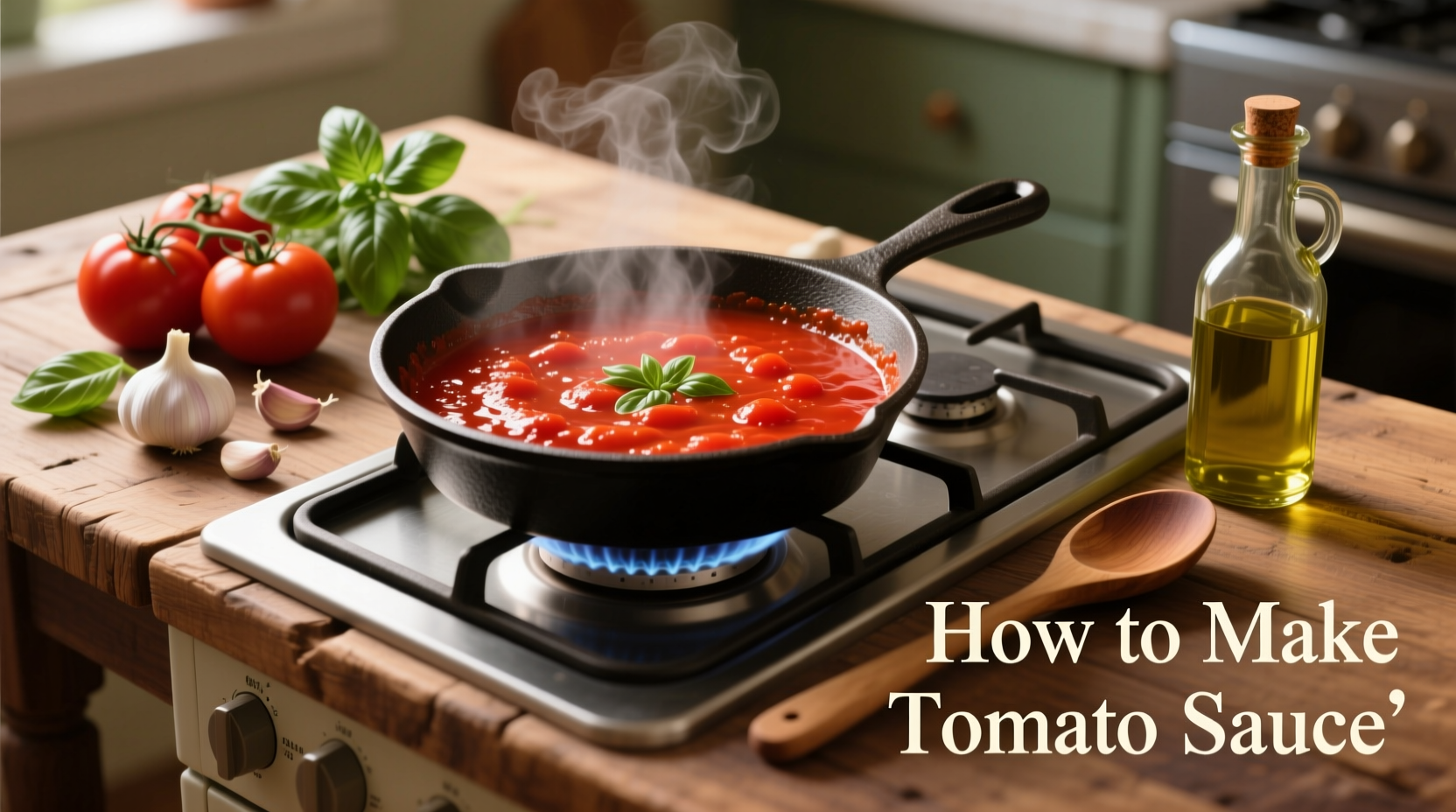
A tomato sauce is a liquid or semi-liquid preparation primarily composed of tomatoes, cooked down with aromatics, seasonings, and sometimes fats or proteins. While often associated with Italian cuisine—especially in forms like marinara, arrabbiata, or Bolognese—tomato-based sauces appear across culinary traditions, including Mexican salsas, Indian curries, Middle Eastern dips, and West African stews.
The core function of a tomato sauce is twofold: to enhance flavor and to provide moisture and body to a dish. Raw tomatoes are high in water content and contain natural acids (citric and malic) and sugars, which transform during cooking into a rich, savory base. When properly reduced and seasoned, tomato sauce becomes a vehicle for complexity, capable of carrying herbs, spices, meats, cheeses, and vegetables in harmonious balance.
Historically, tomatoes were met with suspicion in Europe after their introduction from the Americas in the 16th century. It wasn’t until the 18th and 19th centuries that they became central to Southern Italian cooking, particularly in Naples, where early versions of modern tomato sauce emerged. Today, it's hard to imagine global gastronomy without this staple.
Key Characteristics of Tomato Sauces
The quality of a tomato sauce depends on several interrelated factors. Understanding these characteristics allows cooks to adjust recipes based on available ingredients and desired outcomes.
| Characteristic | Description |
|---|---|
| Flavor Profile | Bright acidity balanced with natural sweetness; develops deeper umami when cooked slowly. Can range from fresh and tangy (raw or lightly cooked) to rich and mellow (long-simmered). |
| Aroma | Fruity and slightly earthy when raw; caramelized, herbal, or meaty when cooked with onions, garlic, and herbs. |
| Color | Vibrant red to deep maroon, depending on ripeness, variety, and reduction level. Overcooking or burning leads to dullness or browning. |
| Texture | Can be smooth, chunky, or emulsified. Influenced by preparation method (blended, strained, or left whole), fat content, and thickening agents. |
| Culinary Function | Serves as a base for sautéing, braising, poaching, or finishing dishes. Also used as a condiment or dipping sauce. |
| Shelf Life | Fresh sauce lasts 5–7 days refrigerated; frozen up to 6 months. Canned or preserved versions last 12–18 months unopened. |
Practical Usage: How to Make a Classic Tomato Sauce
Creating a superior tomato sauce begins with selecting the right tomatoes and building layers of flavor through controlled cooking. The following method yields a versatile sauce suitable for pasta, pizza, eggplant Parmesan, or as a soup base.
- Select Your Tomatoes: Use ripe, in-season plum tomatoes (such as San Marzano or Roma) for best results. These have fewer seeds, thicker flesh, and lower water content than beefsteak varieties.
- Prepare Aromatics: Finely dice one medium onion and two cloves of garlic. Heat 3 tablespoons of extra-virgin olive oil in a heavy-bottomed pot over medium-low heat.
- Sweat the Base: Add onions and a pinch of salt. Cook gently for 8–10 minutes until translucent but not browned. Add garlic and cook for another 1–2 minutes until fragrant.
- Add Tomatoes: Crush 2 pounds (about 900g) of fresh tomatoes by hand or use canned whole peeled tomatoes (preferably DOP-certified San Marzano). Pour in juices and all.
- Season Thoughtfully: Add a teaspoon of sugar only if needed to counterbalance excessive acidity. Include a few fresh basil leaves, a bay leaf, and freshly ground black pepper. Do not add salt prematurely—wait until reduction begins.
- Simmer Gently: Bring to a simmer, then reduce heat to low. Partially cover and cook for 45 minutes to 2 hours, stirring occasionally. Longer cooking produces deeper flavor and silkier texture.
- Adjust Consistency: If too thin, continue reducing uncovered. If too thick, add a splash of water, broth, or reserved pasta water.
- Finish and Serve: Remove bay leaf and basil stem. For smooth sauce, blend with an immersion blender or pass through a food mill. Stir in a tablespoon of butter or a swirl of olive oil for richness just before serving.
Pro Tip: To intensify flavor without lengthening cook time, roast tomatoes first. Halve them, drizzle with olive oil, sprinkle with salt and herbs, and roast at 375°F (190°C) for 30–40 minutes before adding to the pot. Roasting concentrates sugars and reduces excess moisture.
Variants & Types of Tomato Sauces
Different culinary applications call for different styles of tomato sauce. Recognizing these variants ensures proper usage and prevents misapplication in recipes.
- Marinara: Quick-cooked (20–30 min), minimal ingredients—tomatoes, garlic, oregano, olive oil. Ideal for seafood pastas and pizza bases.
- Ragù: Slow-cooked meat sauce, often with ground beef, pork, wine, milk, and carrots. Requires 2–6 hours of simmering. Found in Bolognese or Neapolitan styles.
- Pomodoro: Smooth, sweet, and slightly creamy. Made with fresh tomatoes, basil, and sometimes a touch of cream or butter. Served with delicate pastas like tagliatelle.
- Arrabbiata: Spicy version with crushed red pepper flakes. Adds heat and punch to short pastas like penne.
- Puttanesca: Bold, briny profile with capers, olives, anchovies, and garlic. No added herbs—rely on umami from preserved ingredients.
- Crushed vs. Pureed: Crushed tomatoes retain some texture; pureed are smoother. Choose based on desired mouthfeel.
| Type | Primary Ingredients | Cook Time | Best Used For |
|---|---|---|---|
| Marinara | Tomatoes, garlic, oregano, olive oil | 20–30 min | Pizza, spaghetti, dipping |
| Ragù alla Bolognese | Ground meat, tomatoes, soffritto, wine, milk | 3–6 hours | Pappardelle, lasagna |
| Arrabbiata | Tomatoes, garlic, chili flakes | 25 min | Penne, rigatoni |
| Roasted Tomato | Oven-roasted tomatoes, herbs, olive oil | 1 hour prep + 45 min cook | Bruschetta, soups, gourmet pasta |
Comparison with Similar Ingredients
Tomato sauce is often confused with related products that differ significantly in composition and use.
| Product | How It Differs from Tomato Sauce | When to Use Instead |
|---|---|---|
| Ketchup | Highly sweetened, vinegar-heavy, spiced with allspice/cinnamon. Contains preservatives and thickeners. | Condiment for fries, burgers—not for cooking savory dishes. |
| Tomato Paste | Concentrated reduction of tomatoes; very thick and intense. Not a finished sauce. | Use as flavor enhancer—add 1–2 tbsp to deepen other sauces. |
| Salsa | Often raw or lightly cooked; includes raw onions, cilantro, lime juice. More acidic and textural. | Mexican-inspired dishes, tacos, chips. |
| Pasta Sauce (Jarred) | Pre-seasoned, often contains added sugar, oils, stabilizers. Less control over flavor profile. | Convenience meals—can be improved with fresh herbs and garlic. |
“The secret to great tomato sauce isn’t complexity—it’s patience. Letting flavors meld over low heat transforms simple ingredients into something transcendent.” — Massimo Bottura, Chef Patron, Osteria Francescana
Practical Tips & FAQs
Should I peel and seed my tomatoes?
Peeling removes tough skins that can remain fibrous after cooking. Seeding reduces excess moisture and prevents watery sauce. For silky-smooth sauces (e.g., pomodoro), peel and seed. For rustic textures, leave both.
How do I reduce acidity naturally?
Add a small piece of carrot (natural sugar), a splash of cream, or a pat of butter. Avoid baking soda unless absolutely necessary—it alters flavor and texture.
Can I make tomato sauce without onions or garlic?
Yes. Some traditional Sicilian sauces omit garlic. Onions can be replaced with fennel or celery for subtle sweetness and aroma.
What’s the best fat to use?
Extra-virgin olive oil enhances freshness and fruitiness. Butter adds richness. For meat sauces, rendered pancetta or bacon fat adds depth.
How do I store homemade tomato sauce?
Cool completely, then transfer to airtight containers. Refrigerate for up to 5 days or freeze in portion-sized containers for up to 6 months. Leave headspace for expansion when freezing.
Can I use canned tomatoes year-round?
Absolutely. High-quality canned tomatoes (like San Marzano DOP) are often packed within hours of harvest, preserving peak flavor better than off-season fresh tomatoes.
Why did my sauce turn out bitter?
Bitterness usually comes from burned garlic, scorched tomatoes, or overuse of tomato paste. Always sweat aromatics gently and stir frequently during reduction.
Is blending necessary?
No. Blending creates uniformity, but many regional Italian sauces are intentionally chunky. Use a potato masher for partial texture or pass through a food mill to remove skins and seeds while retaining body.
Quick Checklist: Building Better Tomato Sauce
- ✓ Sweat aromatics slowly—no browning
- ✓ Taste before salting—adjust at end
- ✓ Simmer uncovered for thicker consistency
- ✓ Finish with fat (butter or olive oil) for sheen and mouthfeel
- ✓ Reserve pasta water to adjust viscosity
- ✓ Store properly for maximum shelf life
Advanced Techniques for Restaurant-Quality Results
Professional kitchens employ additional methods to refine tomato sauce beyond the basics.
Double Reduction: Reduce tomato puree separately before incorporating into the main sauce. This intensifies flavor and avoids dilution during final cooking.
Umami Boosters: Add dried mushrooms (porcini), Parmesan rinds, or anchovy fillets during simmering. These dissolve and contribute savory depth without overpowering.
Emulsification: Whisk in cold butter at the end to create a glossy, cohesive sauce that clings to pasta—a technique known as mantecatura.
Acid Balance: A final splash of red wine vinegar or lemon juice brightens a flat-tasting sauce. Add drop by drop and taste after each addition.
Summary & Key Takeaways
Creating a sauce using tomatoes is both an art and a science. At its core, success depends on ingredient quality, controlled cooking, and thoughtful seasoning. Start with ripe or high-quality canned tomatoes, build flavor with properly sweated aromatics, and allow sufficient time for reduction and integration. Avoid common pitfalls like burning garlic, oversalting early, or rushing the process.
Understand the differences between sauce types—marinara, ragù, arrabbiata—and choose the appropriate variant for your dish. Know when to substitute or enhance with umami-rich elements like cheese rinds or anchovies. Respect the role of fat, acid, and sugar in achieving balance.
Whether you’re making a simple weeknight meal or crafting a complex Sunday gravy, a well-made tomato sauce reflects care, attention, and culinary intelligence. With practice, you’ll develop an instinct for adjusting texture, temperature, and taste—transforming humble tomatoes into a centerpiece of flavor.
Ready to master your next sauce? Begin tonight with a pound of tomatoes, a glug of olive oil, and a willingness to let time do the work. Great cooking starts with fundamentals—and tomato sauce is one of the most essential.




 浙公网安备
33010002000092号
浙公网安备
33010002000092号 浙B2-20120091-4
Comments
No comments yet. Why don't you start the discussion?