
The moment you bring a real Christmas tree into your home, the air fills with that unmistakable pine aroma—a hallmark of the season. But what if you could enhance or even customize that fragrance? With a few simple techniques, you can turn your Christmas tree into a natural scent diffuser, subtly releasing warm, festive aromas throughout your living space. This method not only deepens the sensory experience of the holidays but also avoids synthetic sprays and plug-in diffusers. By working with the tree’s natural structure and airflow, you can infuse your home with scents like cinnamon, orange, balsam, or clove—without overpowering the room or risking fire hazards.
Creating a scent diffuser effect within your Christmas tree isn’t about dousing branches in essential oils or hanging overpowering sachets. It’s a thoughtful process that combines placement, materials, and safe diffusion methods to achieve a gentle, lasting fragrance. Whether you have a freshly cut fir, a potted spruce, or an artificial tree, these strategies can be adapted to suit your setup.
Why Use Your Tree as a Scent Diffuser?
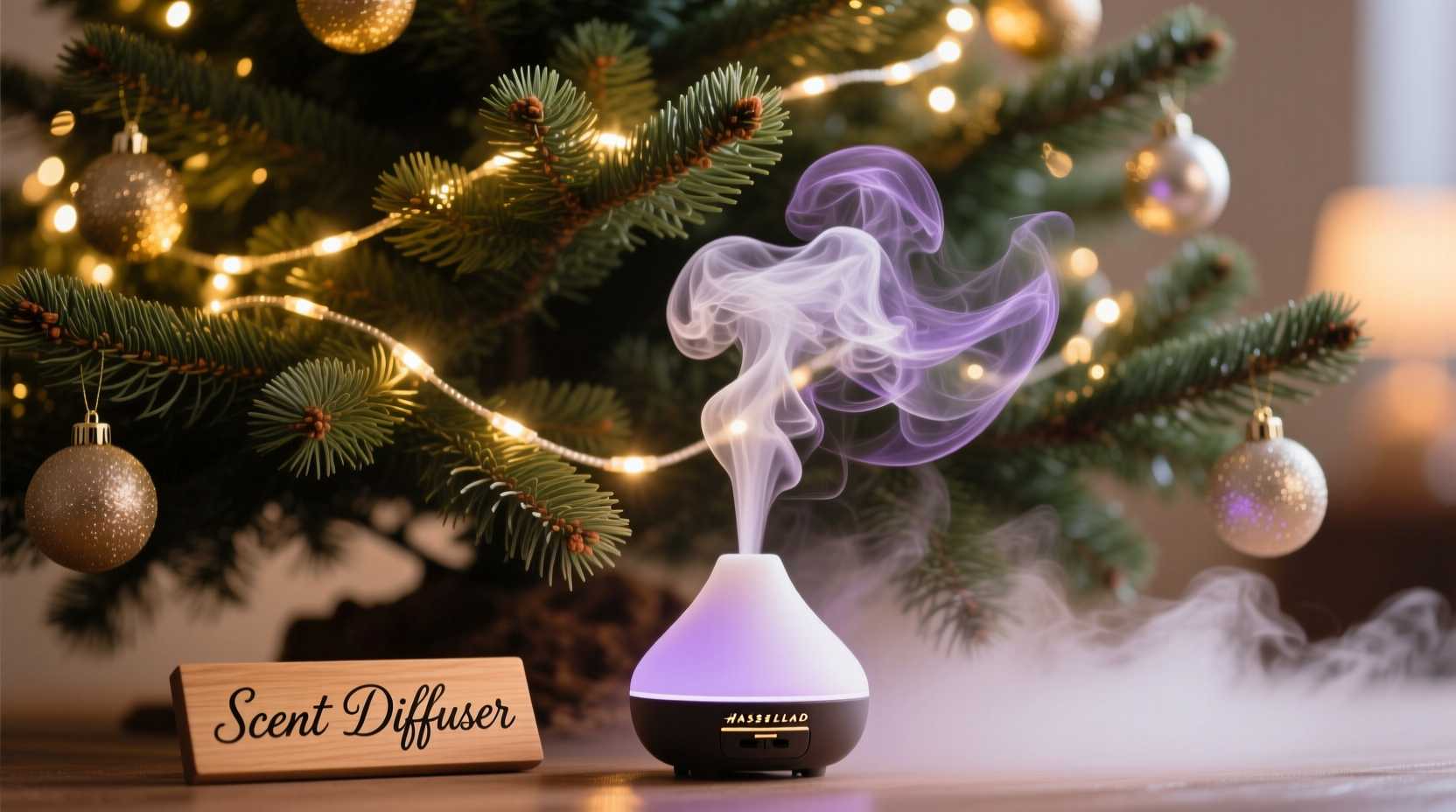
A Christmas tree is more than a centerpiece—it’s a vertical structure with built-in airflow, especially when near heating vents or in high-traffic areas. Warm air rising through the branches can carry subtle scents upward and outward, dispersing them naturally. Unlike candles or electric diffusers, which concentrate fragrance in one spot, a tree distributes scent gradually and organically.
Additionally, many people seek alternatives to synthetic air fresheners due to sensitivities or environmental concerns. Using natural ingredients like dried citrus, whole spices, or essential oil-infused materials allows for a healthier, more authentic holiday atmosphere. When done correctly, the tree becomes part of your home’s aromatic ecosystem—not just a visual symbol of the season.
Step-by-Step Guide: Creating a Natural Scent Diffusion System
To establish a consistent, safe scent diffuser effect, follow this structured approach. Each step ensures effectiveness without compromising safety or aesthetics.
- Choose Complementary Scents: Select fragrances that align with the season—pine, cedar, cinnamon, clove, orange, vanilla, or nutmeg. These blend well with the tree’s natural aroma.
- Prepare Natural Scent Carriers: Use materials that absorb and slowly release fragrance. Options include wooden ornaments, felt pouches, cotton ribbons, or dried citrus slices.
- Infuse Materials Off-Tree: Soak chosen items in essential oils or simmer spice blends (e.g., cinnamon sticks, orange peels, cloves) for several hours. Let them dry completely before placing in the tree.
- Distribute Evenly Within Branches: Place scented items at different levels—low, middle, and high—to maximize airflow distribution. Focus on inner branches where warmth accumulates.
- Maintain Moisture (for Real Trees): A well-watered tree emits more natural fragrance. Combine hydration with added scent elements for a layered effect.
- Refresh Weekly: Reapply a light coat of essential oil to fabric or wood elements every 5–7 days to maintain potency.
This method leverages passive diffusion—no electricity, no heat, no risk. The tree acts as both container and conduit.
Best Materials for Scent Delivery
Not all materials hold and release fragrance equally. Choosing the right carriers ensures longevity and safety. Below is a comparison of common options.
| Material | Fragrance Retention | Safety Level | Best For |
|---|---|---|---|
| Felt Pouches | High | Excellent | Dried herbs, potpourri, essential oil beads |
| Wooden Ornaments | High | Excellent | Essential oils, wood-safe stains with scent |
| Cotton Ribbon | Medium | Good | Light oil infusion, decorative use |
| Dried Citrus Slices | Medium | Good (if fully dried) | Natural citrus scent, rustic decor |
| Clay Diffusers | High | Excellent | Reusable, customizable shapes |
| Paper/Cardstock | Low | Fair | Short-term use, children’s crafts |
For long-lasting results, combine high-retention materials like felt and wood. For example, tuck small felt sachets filled with cinnamon and clove between inner branches, then hang wooden stars lightly dabbed with balsam essential oil toward the outer edges.
Mini Case Study: The Johnson Family’s Fragrant Tree
The Johnsons in Burlington, Vermont, wanted to reduce their reliance on plug-in diffusers during the holidays due to their toddler’s sensitivity to strong fragrances. They opted to transform their 7-foot Fraser fir into a low-emission scent diffuser using natural materials.
They began by simmering a mix of orange peels, cinnamon sticks, and pine needles for two hours, then laid the solids on a rack to dry. Once dehydrated, they placed the mixture into small muslin bags and tied them to lower branches near the tree stand—where warmth from the floor vent helped lift the aroma.
They also cut pine-scented wooden ornaments from unfinished craft blanks, soaking each in a blend of fir and cedarwood essential oils for 24 hours before hanging. To refresh the scent weekly, they applied a single drop of oil per ornament using a toothpick.
Over four weeks, family members reported a consistent, comforting fragrance that didn’t trigger allergies. Their guests often commented, “It smells exactly like Christmas.” The system required minimal maintenance and posed no fire risk.
“Trees are nature’s original diffusers. When you work with their form and airflow, you amplify what’s already there.” — Dr. Lena Torres, Environmental Aromatics Researcher, University of Maine
Checklist: Building Your Tree Scent Diffuser
- ☐ Choose 2–3 complementary essential oils or natural scents
- ☐ Gather non-flammable scent carriers (felt, wood, clay)
- ☐ Prepare a simmer pot or soak solution for infusion
- ☐ Dry infused materials completely before use
- ☐ Distribute scented items at multiple heights in the tree
- ☐ Avoid direct contact with lights or electrical cords
- ☐ Mark a calendar to refresh scents every 5–7 days
- ☐ Monitor for any signs of mold or moisture buildup (especially in real trees)
This checklist ensures you don’t overlook critical safety or efficiency steps. Following it closely leads to a balanced, long-lasting aromatic experience.
Safety Considerations and What to Avoid
While enhancing your tree’s scent is appealing, certain practices can compromise safety—especially with live trees. Dried materials and oils are flammable when exposed to heat sources. Follow these guidelines to prevent hazards.
Do’s
- Use minimal essential oils—1–2 drops per carrier is sufficient.
- Place scented items away from LED or incandescent lights.
- Opt for battery-operated lights to reduce heat output.
- Keep the tree well-hydrated to reduce fire risk.
Don’ts
- Do not spray oils directly onto needles or branches.
- Do not use liquid diffusers or reed sticks inside the tree.
- Do not pack scented materials tightly—allow airflow.
- Do not use open flames near the tree, including scented candles.
Remember: even LED lights generate localized heat. Over time, concentrated oils near hot bulbs can degrade materials or emit irritating fumes. Always prioritize ventilation and moderation.
FAQ
Can I use this method with an artificial tree?
Yes. Artificial trees don’t dry out or pose fire risks from sap, making them ideal for scent infusion. Use the same materials—felt, wood, clay—but expect slower dispersion since there’s no natural airflow from transpiration. Refresh scents slightly more often, every 4–5 days.
How do I prevent mold on dried citrus or spice sachets?
Ensure complete drying before placing in the tree. If using in a humid environment, add a few grains of rice inside fabric pouches to absorb excess moisture. Replace organic materials every 10–14 days to maintain freshness.
Are essential oils safe around pets?
Some essential oils—like tea tree, citrus, and pine—can be toxic to cats and dogs if inhaled in high concentrations. Use pet-safe oils such as lavender (in moderation) or opt for dried botanicals instead. Consult your vet if unsure.
Conclusion: Bring the Holidays to Life—Naturally
Your Christmas tree is more than decoration. It’s a vessel for memory, tradition, and now, intentional scent. By creating a scent diffuser effect within its branches, you deepen the emotional resonance of the season without relying on artificial products. The result is a home that doesn’t just look festive but feels truly alive.
This holiday, go beyond tinsel and lights. Infuse your space with warmth, nostalgia, and subtle fragrance—crafted by you, carried by the tree. Whether you choose the spicy depth of clove, the bright zest of orange, or the earthy whisper of cedar, each breath becomes part of the celebration.




 浙公网安备
33010002000092号
浙公网安备
33010002000092号 浙B2-20120091-4
Comments
No comments yet. Why don't you start the discussion?