
The scent of a fresh pine tree is one of the most cherished elements of the holiday season. But not every household has access to a live evergreen, and even those who do may find that their tree’s fragrance fades after a few weeks. What if you could enhance or replicate that natural aroma—right from the base of your tree? By transforming your Christmas tree stand into a functional scent diffuser, you can amplify the festive atmosphere while maintaining the integrity and safety of your setup.
This guide walks through a practical, non-invasive method to integrate essential oils and natural aromatic agents into your tree stand’s water reservoir. The result is a subtle, long-lasting diffusion of seasonal scents—without candles, electronics, or complicated equipment. Whether you're aiming to boost a real tree’s natural smell or add fragrance to an artificial one, this approach blends functionality with tradition.
Why Use a Tree Stand as a Scent Diffuser?
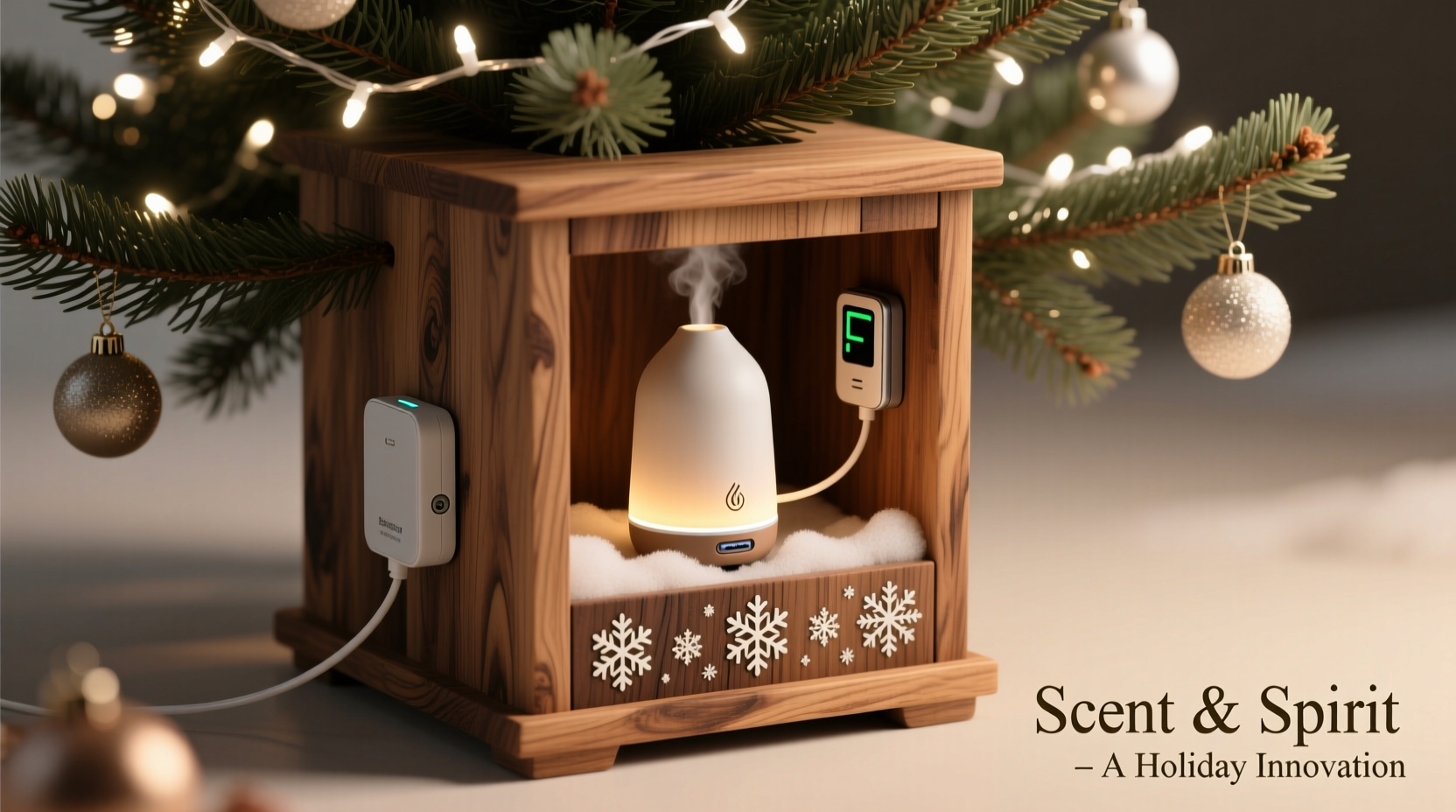
Christmas tree stands are typically designed to hold water, especially for real trees that require hydration to stay fresh. This built-in reservoir presents a unique opportunity: it's a hidden, accessible space located at the center of your holiday display. Instead of letting that water go unused (or only used for hydration), you can turn it into a passive aroma source.
Water-based diffusion is one of the oldest and safest methods of scent dispersal. As moisture evaporates naturally from the stand, it carries microscopic particles of aromatic compounds into the air. Unlike plug-in diffusers or sprays, this method produces a gentle, continuous fragrance that mimics the organic release of terpenes from a living pine tree.
Additionally, integrating scent into the tree stand keeps surfaces clutter-free. There’s no need for additional devices on shelves or countertops. It also avoids exposing children or pets to electrical components or concentrated essential oils in open containers.
Materials You’ll Need
Creating a scent diffuser within your tree stand requires minimal supplies—most of which are likely already in your home. The goal is simplicity, safety, and effectiveness.
- A standard Christmas tree stand – Must have a water reservoir capable of holding at least 1–2 gallons.
- Distilled water – Prevents algae growth and ensures cleaner evaporation.
- Essential oils or natural extracts – Pine, cedarwood, orange, cinnamon, clove, or fir needle oils work best for holiday themes.
- Fragrance-absorbing substrates (optional) – Wooden craft sticks, lava stones, or untreated cedar chips can help slow-release scent over time.
- A small mesh bag or tea infuser (optional) – Useful for containing solid materials like spices or wood pieces.
- Measuring dropper or pipette – For precise oil application.
Avoid synthetic fragrances, alcohol-based perfumes, or petroleum-derived additives. These can degrade rubber seals in the stand, promote mold, or emit volatile organic compounds (VOCs) when warmed by ambient heat.
Choosing the Right Essential Oils
Selecting high-quality essential oils is crucial. Look for 100% pure, therapeutic-grade oils without fillers. Some top choices include:
- Pinus sylvestris (Scots Pine) – Sharp, clean forest aroma.
- Cedrus atlantica (Atlas Cedarwood) – Warm, earthy depth.
- Citrus sinensis (Sweet Orange) – Bright, uplifting note.
- Syzygium aromaticum (Clove Bud) – Spicy warmth, ideal for blending.
“Natural scent diffusion through water evaporation closely mirrors how forests release phytoncides—organic compounds that support respiratory health and mood.” — Dr. Lena Reyes, Environmental Aromatherapy Researcher
Step-by-Step Guide to Building Your Tree Stand Diffuser
Follow these steps carefully to ensure both optimal fragrance output and safety for your tree and home environment.
- Clean the tree stand thoroughly. Remove any old sap, debris, or stagnant water. Wash with mild soap and rinse completely to avoid chemical interactions.
- Fill the reservoir with 1–2 gallons of distilled water. Leave about 1 inch of space below the rim to prevent overflow during placement or movement.
- Add 15–25 drops of essential oil per gallon of water. Start with fewer drops—you can always add more later. Over-saturating may lead to overly strong vapors or residue on nearby surfaces.
- Optional: Insert porous materials. Place a few cedar chips, wooden skewers, or lava stones in a mesh bag and submerge them in the water. These absorb oil and release fragrance gradually as they dry.
- Set up your tree as usual. If using a real tree, insert it into the stand and tighten the brackets. The water level should remain visible and accessible.
- Monitor and refresh weekly. Top off the water as needed and re-add 5–10 drops of oil every 5–7 days to maintain consistent scent strength.
Real Example: The Johnson Family’s Scented Tradition
The Johnsons in Portland, Oregon, switched to a scent-infused tree stand three years ago after their artificial tree failed to deliver the nostalgic aroma they remembered from childhood. Using a basic metal stand with a 2-gallon reservoir, they began adding a mix of Douglas fir and blood orange essential oils diluted in distilled water.
Within hours, their living room carried a crisp, outdoorsy fragrance reminiscent of mountain hikes. Their young daughter, who previously showed little interest in decorating, started referring to the tree as “the smelly one,” in the best possible way. Over time, they experimented with floating cinnamon sticks and star anise in a muslin pouch, replacing them mid-season for freshness. Now, guests often comment on the inviting atmosphere before even seeing the tree.
Do’s and Don’ts: Best Practices Summary
| Do’s | Don’ts |
|---|---|
| Use pure essential oils diluted in water | Never pour undiluted oils directly onto wood or carpet |
| Refresh water and oils weekly | Avoid synthetic air fresheners in the reservoir |
| Incorporate natural porous materials like untreated wood | Don’t overload the stand with bulky items that obstruct water access |
| Keep the water level visible and topped off | Never leave stagnant, uncleaned water for more than 10 days |
| Blend complementary scents for complexity | Don’t use oils known to be toxic to pets (e.g., tea tree, eucalyptus) if animals are present |
Troubleshooting Common Issues
While this system is straightforward, a few challenges may arise depending on your environment and materials.
Faint Scent Output
If the fragrance seems weak, consider increasing airflow around the tree. Gentle convection from heating vents or ceiling fans helps carry evaporated molecules into the room. Alternatively, increase the oil dosage by 5–10 drops per gallon. Also, check that your oils haven’t degraded—store them in dark glass bottles away from sunlight.
Algae or Film Formation
Stagnant water exposed to light can encourage microbial growth. To prevent this, use distilled water, keep the stand out of direct sunlight, and clean it every two weeks. A drop of food-grade hydrogen peroxide (3%) per gallon can inhibit growth without harming pets or finishes.
Residue on Metal or Floor
Oily films may form near the waterline if too much essential oil is used. Wipe the exterior of the stand weekly with a damp cloth. Placing a waterproof tray under the stand adds protection and makes cleanup easier.
FAQ
Can I use this method with an artificial tree?
Yes. In fact, artificial trees benefit most from added fragrance since they lack natural aroma. Just ensure the stand is stable and won’t tip when filled. Avoid spraying oils directly on PVC branches, as some solvents can cause degradation over time.
Is it safe to use around pets and children?
When properly diluted in water and contained within the stand, this method is generally safe. However, avoid oils toxic to cats or dogs (such as tea tree, pine oil in high concentrations, or citrus oils for cats). Keep the reservoir covered if curious hands or paws might reach it.
How long does the scent last?
The fragrance typically remains noticeable for 5–7 days before needing reinforcement. Evaporation rate depends on room temperature, humidity, and airflow. In warmer homes, you may need to replenish oils more frequently.
Conclusion & Call to Action
Transforming your Christmas tree stand into a scent diffuser is a subtle yet powerful way to deepen the sensory joy of the holidays. It honors tradition while embracing modern wellness practices—offering a chemical-free, low-maintenance solution to elevate your home’s ambiance. With just a few drops of essential oil and mindful maintenance, you can enjoy a continuously fragrant space that feels alive, welcoming, and unmistakably festive.
This holiday season, don’t just decorate—engage the senses. Try this simple diffuser method, experiment with seasonal blends, and observe how a single change at the base of your tree can ripple through your entire celebration. Share your favorite oil combinations or creative enhancements in the comments; let’s grow a community of thoughtful, aromatic traditions together.




 浙公网安备
33010002000092号
浙公网安备
33010002000092号 浙B2-20120091-4
Comments
No comments yet. Why don't you start the discussion?