
The holidays are as much about smell as they are about sight and sound. The sharp pine of a freshly cut tree, the warmth of cinnamon simmering on the stove, the faint sweetness of vanilla in candlelight—these scents shape memory and mood. But few people intentionally pair their Christmas tree fragrance with the ambient aroma of their living space. Done thoughtfully, scent pairing can transform your home into a harmonious sensory experience that feels both festive and personal. This guide walks through how to align your tree’s natural perfume with complementary room fragrances for a layered, balanced holiday atmosphere.
Understanding Scent Profiles in Holiday Spaces
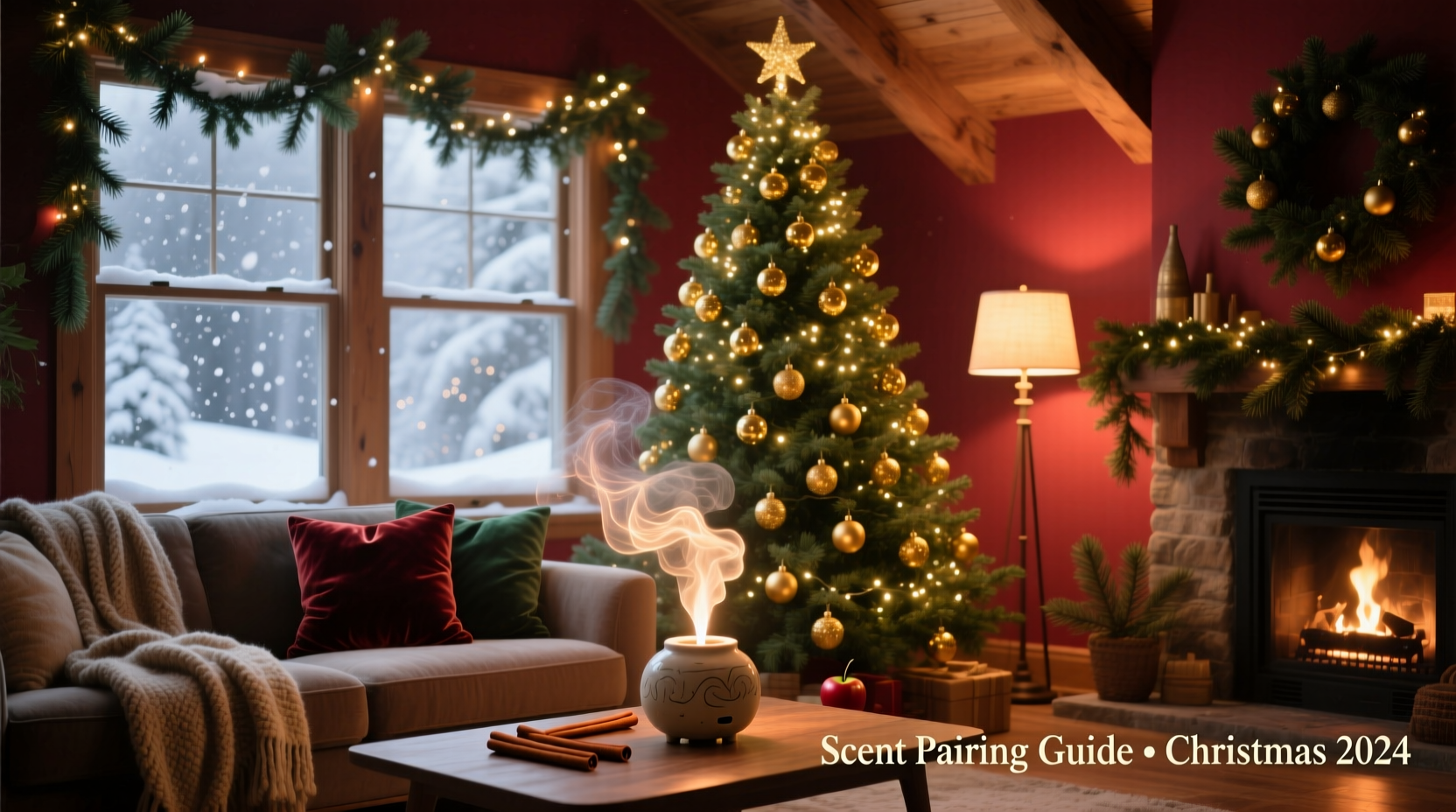
Every Christmas tree emits its own olfactory signature. Fraser firs carry a crisp, citrusy brightness; Balsam firs offer a rich, resinous depth; Douglas firs lean woody and slightly sweet. These aren’t just background notes—they’re foundational to your home’s scent profile. Pairing them effectively means understanding both the dominant characteristics of your tree and the emotional tone you want to set in your room.
Scent pairing works best when it follows a structure similar to perfumery: top, middle, and base notes. Your tree often provides the base—a persistent, grounding aroma. Room fragrances should layer in harmony, enhancing rather than overwhelming. For example, a spruce tree’s sharp evergreen note (top) might be softened by warm vanilla (middle) and deep sandalwood (base) from a diffuser or candle.
Consider not just the type of tree but also whether it’s real or artificial. Real trees release volatile organic compounds (terpenes) that evolve over time. Artificial trees may carry a plastic or dusty odor initially, which needs neutralizing before introducing complementary scents.
Step-by-Step Guide to Building Your Scent Pairing
Creating a cohesive scent environment isn’t about randomly lighting candles or spraying room mist. It’s a deliberate process that balances intensity, longevity, and compatibility.
- Assess your tree’s natural fragrance. Stand close and inhale deeply at different heights. Is it sharp? Sweet? Earthy? Take notes on its dominant qualities.
- Define your desired ambiance. Do you want cozy and spiced? Crisp and clean? Nostalgic and warm? This will guide your choice of supporting scents.
- Select 1–2 complementary fragrances. Choose one to enhance similarity (e.g., pine-scented oil to boost an evergreen tree) and one to contrast gently (e.g., clove or orange to add warmth).
- Choose delivery methods wisely. Use diffusers for subtle, continuous scent; candles for concentrated bursts; potpourri for passive diffusion near heat sources.
- Test and adjust. Introduce one element at a time. Wait 30 minutes between additions to avoid olfactory fatigue.
Remember: Overpowering scents can clash even if individually pleasant. Aim for a layered effect where no single aroma dominates unless intentionally designed.
Best Scent Pairings by Tree Type
Not all trees play well with all spices. Matching your tree species with compatible room fragrances ensures balance and authenticity.
| Tree Type | Natural Scent Profile | Complementary Room Scents | Delivery Method |
|---|---|---|---|
| Balsam Fir | Resinous, woodsy, slightly sweet | Cinnamon, vanilla, cedarwood | Candle + reed diffuser |
| Fraser Fir | Citrusy, bright, fresh | Lemon, bergamot, eucalyptus | Essential oil diffuser |
| Douglas Fir | Woody, earthy, mild sweetness | Sandalwood, amber, tonka bean | Wax melts or incense |
| Scotch Pine | Sharp, classic “Christmas” pine | Pine needle oil, clove, black pepper | Spray mist + candle |
| Artificial Tree | Neutral or synthetic | Fresh linen, baked apple, fir balsam | Room spray + plug-in diffuser |
This table serves as a starting point. Personal preference matters—some may prefer a Balsam Fir paired with citrus for a modern twist, while others lean into tradition with mulled wine simmer pots.
Real Example: A Brooklyn Apartment’s Holiday Transformation
Maria, a graphic designer in Brooklyn, struggled each year with her small apartment smelling either too sterile or cloyingly sweet during the holidays. She had a potted Fraser Fir on her balcony that she brought indoors in December. While beautiful, its bright citrus-pine scent clashed with her usual vanilla-scented candle.
Following a scent-pairing approach, she first let the tree acclimate indoors for a day. Then, instead of lighting her usual candle, she used a diffuser with a blend of 3 drops of grapefruit essential oil and 2 drops of cardamom. The result was unexpected: the grapefruit lifted the tree’s natural brightness, while cardamom added a soft, spicy warmth without heaviness. In the evenings, she lit a low-scent soy candle with a hint of white musk to anchor the air without competing.
Friends commented that her space felt “crisp yet cozy”—a rare combination. Maria now adjusts her blend slightly each year, sometimes adding a cinnamon stick in a vase near the tree for slow-release spice.
Avoiding Common Scent-Pairing Mistakes
Even well-intentioned efforts can go awry. Here are frequent missteps and how to correct them:
- Overloading the space. Using multiple strong candles, sprays, and diffusers simultaneously creates olfactory chaos. Stick to 1–2 active scent sources at a time.
- Ignoring ventilation. Poor airflow traps scents, making them seem stronger than intended. Open windows briefly each day to reset your nose.
- Mismatching intensity. A powerful clove-cinnamon candle next to a delicate spruce tree overwhelms. Match potency: light tree = light support; strong tree = moderate enhancement.
- Forgetting safety. Never leave candles unattended near dry trees. Use flameless options like electric diffusers or LED-scented wax warmers when possible.
“Scent is emotional architecture. The right pairing doesn’t just smell good—it makes people feel welcome, calm, and connected to the season.” — Dr. Lena Pruitt, Environmental Psychologist & Scent Researcher
Checklist: Creating Your Own Scent Pairing
Use this checklist to ensure a thoughtful, effective fragrance strategy:
- ☑ Identify your tree’s dominant scent notes (citrus, resin, wood, etc.)
- ☑ Decide on the mood you want (cozy, fresh, nostalgic, elegant)
- ☑ Choose one primary and one secondary supporting fragrance
- ☑ Select safe, appropriate delivery methods (diffuser, candle, spray)
- ☑ Test combinations in short intervals to avoid sensory overload
- ☑ Adjust weekly as your tree dries and its scent evolves
- ☑ Prioritize natural ingredients when possible (essential oils, beeswax candles)
FAQ
Can I use essential oils directly on my Christmas tree?
Yes, but with caution. Mix 5–10 drops of essential oil with a cup of water and lightly mist the lower branches. Avoid saturating the trunk or needles, as excess moisture can promote mold. Do not use undiluted oils—they can damage foliage and increase flammability.
What if I have pets or sensitivities?
Opt for pet-safe, non-toxic options like diluted orange, lavender, or fir needle oils. Avoid cinnamon bark, tea tree, and citrus oils around cats. Use intermittent diffusion rather than constant exposure, and monitor reactions closely.
How long does a scent pairing last?
A real tree’s scent peaks in the first week and gradually fades over 3–4 weeks. Replenish room fragrances every few days, adjusting strength as the tree dries. Simmer pots should be refreshed daily; diffuser reeds replaced monthly.
Final Thoughts and Call to Action
A beautifully decorated tree is only half the story. The unseen layer—the scent—is what lingers in memory, evoking comfort and connection years later. By intentionally pairing your Christmas tree’s natural aroma with thoughtfully chosen room fragrances, you create more than a holiday display—you craft an atmosphere.
This season, don’t just decorate by sight. Tune into smell. Experiment. Refine. Share your favorite combinations with family, or write down this year’s blend to recreate next December. Small sensory choices compound into lasting traditions.




 浙公网安备
33010002000092号
浙公网安备
33010002000092号 浙B2-20120091-4
Comments
No comments yet. Why don't you start the discussion?