
Sleep is not a luxury—it’s a biological necessity. Yet millions struggle to get quality rest due to environments that are anything but conducive to relaxation. A cluttered room, harsh lighting, uncomfortable bedding, or ambient noise can sabotage even the most disciplined sleep schedule. The good news? You don’t need a high-end renovation or designer furnishings to create a space that supports deep, restorative sleep. With thoughtful choices and strategic tweaks, you can build a sleep sanctuary on a tight budget—without sacrificing comfort or style.
A sleep sanctuary isn’t about aesthetics alone; it’s about cultivating an environment that signals safety, calm, and readiness for rest. This means minimizing sensory disruptions, optimizing comfort, and fostering a psychological association between your bedroom and relaxation. When done right, this transformation can lead to faster sleep onset, fewer nighttime awakenings, and improved overall well-being—all without draining your wallet.
Why Your Bedroom Matters More Than You Think
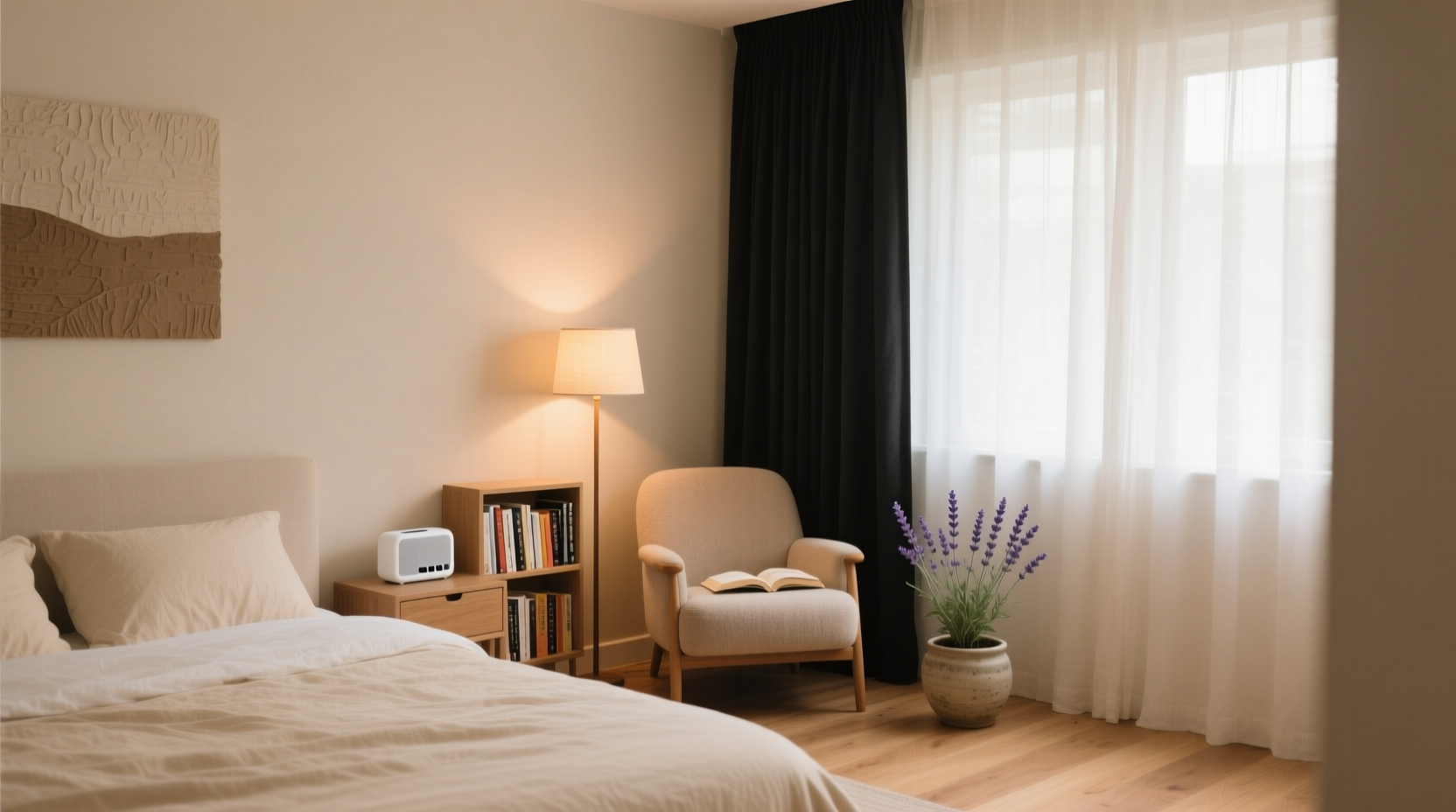
The design and condition of your sleeping environment directly influence your circadian rhythm, melatonin production, and stress levels. According to the National Sleep Foundation, 90% of adults report using electronic devices within an hour of bedtime, often in spaces that resemble workstations more than rest zones. This blurs the mental boundary between wakefulness and sleep, making it harder to wind down.
Your brain thrives on cues. When your bedroom is associated with scrolling, working, or watching intense content, it becomes harder to switch off. Conversely, when the space consistently delivers quiet, darkness, and comfort, your nervous system learns to relax as soon as you enter the room.
“Your bedroom should be a refuge from stimulation—not just visually, but acoustically and thermally.” — Dr. Rebecca Robbins, Sleep Scientist at Harvard Medical School
Creating a sleep sanctuary doesn’t require expensive gadgets. It’s about intentionality: removing distractions, enhancing comfort, and designing a space that feels safe and soothing. Even small changes—like swapping out bright bulbs or adding a calming scent—can have measurable effects on sleep quality.
Step-by-Step Guide to Building Your Budget Sleep Sanctuary
Transforming your bedroom into a restful haven doesn’t happen overnight, but it also doesn’t need to cost thousands. Follow this step-by-step process to make meaningful upgrades with minimal spending.
- Declutter and Simplify: Start by removing everything that doesn’t belong in the bedroom. This includes laundry piles, work materials, exercise equipment, and excess furniture. A clean, open space reduces visual stress and promotes mental calm.
- Optimize Bedding: Invest in soft, breathable sheets (cotton or bamboo blends) if possible. If buying new isn’t feasible, wash existing linens weekly in fragrance-free detergent and air them in sunlight to refresh fibers.
- Control Light Exposure: Use blackout curtains or inexpensive foil-lined liners to block streetlights and early morning sun. Alternatively, hang a dark bedsheet over windows temporarily until you can afford proper solutions.
- Reduce Noise Disturbances: Seal gaps under doors with draft stoppers ($5–$10), use earplugs, or play white noise via a free app on your phone. Even a fan can serve dual purposes: cooling and sound masking. <
- Set the Right Temperature: Keep the room cool—between 60–67°F (15–19°C)—by adjusting your thermostat, using fans, or opening windows strategically. Wear warm socks instead of cranking up the heat.
- Introduce Calming Scents: A few drops of lavender essential oil on a cotton ball placed near your pillow can promote relaxation. Simmer herbs like chamomile or cedarwood on the stove before bed for a natural aroma boost.
- Create a Charging-Free Zone: Remove phones, tablets, and laptops from the bed. Charge devices in another room or use a designated basket outside the bedroom to break the habit of late-night screen use.
Essential Upgrades Under $50
You don’t need to spend hundreds to make impactful changes. Many effective sleep-enhancing tools are affordable and widely available. Below is a table of budget-friendly upgrades with proven benefits.
| Item | Purpose | Average Cost | Where to Find |
|---|---|---|---|
| Blackout curtain liner | Blocks light without replacing existing curtains | $8–$15 | Dollar stores, Amazon, Walmart |
| Fleece-lined heated blanket (off-season sale) | Provides warmth without raising room temperature | $25–$40 | Target, Kohl’s, eBay |
| Memory foam earplugs | Reduces noise disturbances from traffic or snoring | $5–$10 (pack of 20) | Pharmacies, CVS, online retailers |
| Secondhand bedside table | Creates functional space for books, water, or calming items | $15–$30 | Facebook Marketplace, thrift stores |
| LED dimmable bulb (warm white, 2700K) | Reduces blue light exposure in evenings | $6–$12 | Home Depot, Lowe’s, hardware stores |
These items collectively cost less than $100 and address multiple pillars of sleep hygiene: light control, thermal regulation, auditory comfort, and behavioral boundaries. Prioritize based on your biggest sleep disruptors. For example, if city noise keeps you awake, invest first in earplugs or a white noise app.
Real Example: Maria’s Transformation on a Tight Budget
Maria, a 34-year-old teaching assistant from Austin, Texas, struggled with insomnia for years. Her bedroom doubled as a home office, filled with stacks of graded papers, a flickering desk lamp, and a TV mounted above a cluttered dresser. She averaged five hours of broken sleep per night and relied on coffee to function.
Determined to change, she committed $75 over two months to rebuild her sleep environment. First, she moved her workspace to the living room and donated unused clothes and decor. She bought a $12 blackout liner and clipped it behind her sheer curtains. Next, she replaced her harsh overhead bulb with a warm LED and began reading physical books instead of scrolling before bed.
She picked up a used wooden tray at a thrift store to organize her bedside essentials: a glass of water, a journal, and a small plant. To manage noise from her upstairs neighbors, she started using foam earplugs and played rain sounds through her phone on airplane mode.
Within three weeks, Maria noticed she was falling asleep faster and waking up less frequently. After six weeks, her average sleep duration increased to 6.5–7 hours per night. “I didn’t think such small things could make a difference,” she said. “But now my room finally feels like a place where I can truly rest.”
Common Mistakes That Sabotage Sleep Sanctuaries
Even with good intentions, people often undermine their efforts by overlooking subtle but critical factors. Here are common pitfalls—and how to avoid them.
- Mixing Functions in the Bedroom: Using your bed for work, eating, or watching stressful content trains your brain to associate the space with alertness rather than rest.
- Ignoring Air Quality: Dust, pet dander, and stale air can irritate airways and disrupt breathing during sleep. Open windows daily, vacuum regularly, and consider a low-cost air purifier if allergies are an issue.
- Choosing the Wrong Mattress Topper: A worn-out mattress doesn’t always need replacement. A supportive memory foam topper ($30–$60) can extend its life and improve comfort—but cheap, thin pads may worsen pressure points.
- Overlooking Scent Sensitivity: While aromatherapy helps many, strong synthetic fragrances in candles or sprays can trigger headaches or respiratory irritation. Stick to natural oils in moderation.
- Skipping Consistency: A perfectly designed room won’t help if your bedtime varies wildly. Pair environmental changes with a consistent sleep-wake schedule, even on weekends.
Checklist: Build Your Sleep Sanctuary in 7 Days
Use this actionable checklist to implement changes gradually over one week. Each task takes less than 30 minutes and builds toward a cohesive, rest-promoting environment.
- Day 1: Remove all non-sleep-related items from the bedroom (work materials, electronics, gym gear).
- Day 2: Deep clean surfaces, vacuum floors, and wash all bedding.
- Day 3: Replace bright bulbs with warm-white, dimmable LEDs (under 3000K).
- Day 4: Install blackout aids (liners, tape, or temporary coverings).
- Day 5: Set up a charging station outside the bedroom and remove screens from the bed area.
- Day 6: Add calming elements: a plant, essential oil, or soft throw blanket.
- Day 7: Establish a pre-sleep ritual: read, stretch, or journal for 15 minutes in bed with lights low.
“The most effective sleep sanctuaries aren’t defined by price tags—they’re defined by consistency and intention.” — Dr. Michael Breus, Clinical Psychologist and Sleep Specialist
Frequently Asked Questions
Can I create a sleep sanctuary in a shared room?
Absolutely. Use room dividers, individual lamps, and personal storage bins to carve out your own zone. Coordinate with your roommate on quiet hours and agree on shared rules—like no screens after 10 PM. Earplugs and eye masks can help maintain boundaries even in tight spaces.
What if I can’t afford new bedding or furniture?
Start with what you have. Wash and rotate your pillows, fluff your mattress regularly, and air out blankets in sunlight. Secondhand stores often carry gently used linens and comforters at a fraction of retail prices. Focus on cleanliness and organization—these have immediate psychological benefits.
Is it worth investing in smart gadgets for better sleep?
Not necessarily. While smart lights or sleep trackers can be helpful, they’re not essential. Low-tech solutions—like a consistent bedtime, physical books, and blackout aids—are equally effective and far more accessible. Save high-tech tools for later, once foundational habits are in place.
Conclusion: Rest Starts Where You Are
Better sleep isn’t reserved for those with spacious homes or designer interiors. It begins with small, deliberate choices that honor your body’s need for rest. By reshaping your bedroom into a true sleep sanctuary—even on a shoestring budget—you send a powerful message to your mind and nervous system: this is a place of peace, safety, and renewal.
You don’t need perfection. You need consistency, clarity, and care. Whether you start with a single dimmable bulb or a full weekend declutter, each action brings you closer to deeper, more restorative sleep. Begin tonight. Choose one change. Implement it. Notice the difference. Then build from there.




 浙公网安备
33010002000092号
浙公网安备
33010002000092号 浙B2-20120091-4
Comments
No comments yet. Why don't you start the discussion?