
Designing a nursery is one of the most personal and meaningful projects new parents undertake. It’s more than just choosing furniture or decorating—it’s about creating a space where a child will grow, dream, and feel safe from day one. In recent years, many families have moved away from traditional pink-and-blue stereotypes in favor of gender neutral nurseries that emphasize calm, flexibility, and inclusive aesthetics. A thoughtfully curated gender neutral nursery balances soft colors, tactile textures, and functional design to create a serene environment that welcomes any child, regardless of identity.
The appeal of this approach lies not only in its modern sensibility but also in its longevity. A well-designed gender neutral room can evolve seamlessly from infancy into toddlerhood and beyond, reducing the need for frequent redesigns. By focusing on muted palettes, natural materials, and intentional details, you can craft a nurturing space that feels both elegant and grounded.
Why Choose a Gender Neutral Nursery?
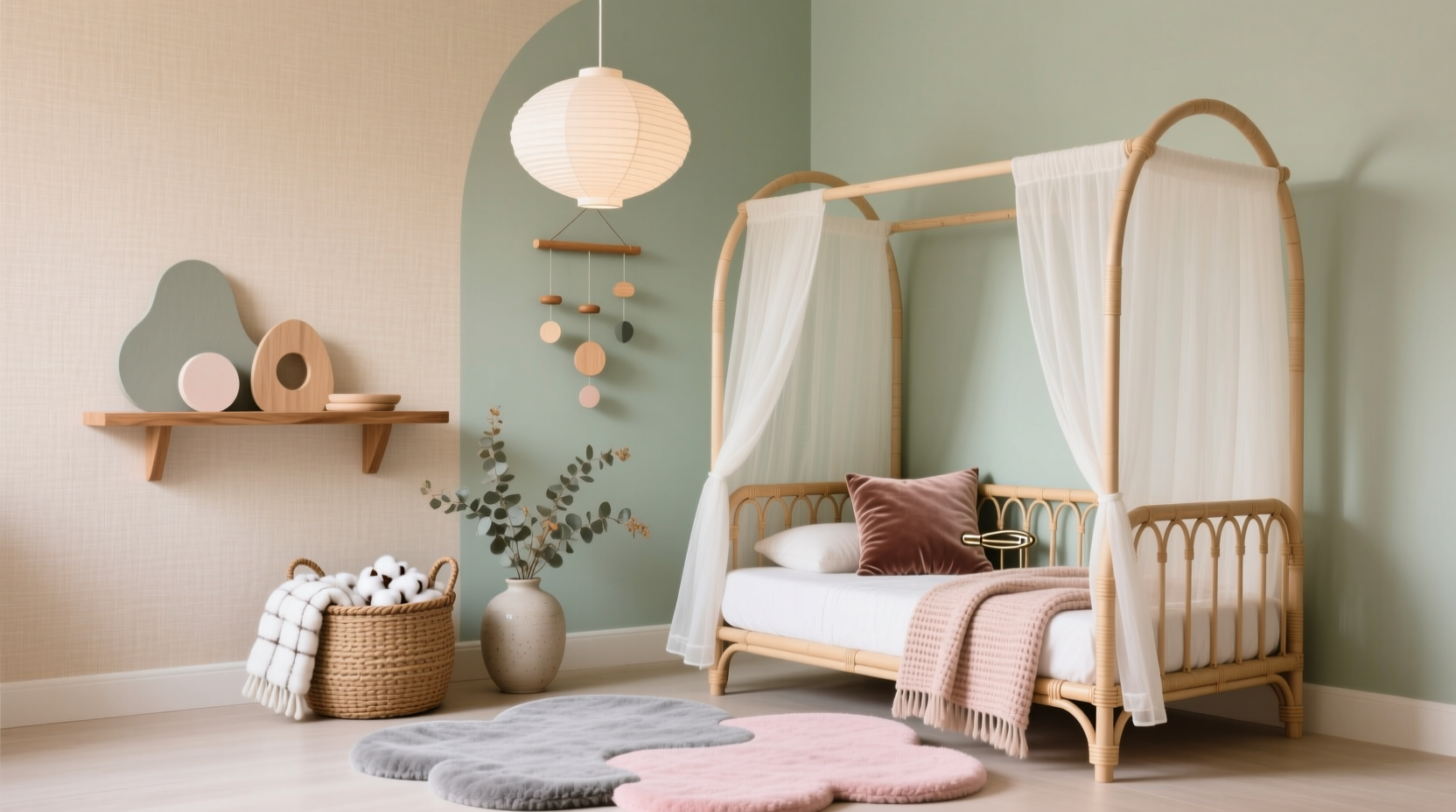
Choosing a gender neutral palette and aesthetic isn’t simply a trend—it reflects a broader cultural shift toward inclusivity and open-ended expression. From the moment a child enters the world, their environment begins shaping their sense of self. A space free from rigid gender associations allows room for individuality to flourish without predefined expectations.
Moreover, gender neutral design often leans into nature-inspired tones and organic forms, which are inherently calming. Research in environmental psychology suggests that softer hues and natural textures reduce stress and support emotional regulation—critical qualities in a baby’s first environment.
“Neutral spaces don’t erase identity—they make space for it to emerge naturally.” — Dr. Lena Patel, Child Development Specialist
From a practical standpoint, gender neutral nurseries offer greater resale value and adaptability. Whether you plan to welcome additional children or repurpose the room later, avoiding overly thematic or gendered decor ensures your investment lasts longer.
Selecting Soft, Timeless Colors
Color sets the emotional tone of any room, and in a nursery, it plays a crucial role in promoting rest and comfort. The key to a successful gender neutral palette is balance: colors should be soothing but not dull, warm but not overwhelming.
Start by anchoring your scheme in earthy neutrals. These provide a flexible base that pairs beautifully with subtle accents:
- Oatmeal and Linen White: Warmer than stark white, these shades reflect light gently and create an airy, clean atmosphere.
- Greige (Gray + Beige): This hybrid tone bridges cool and warm undertones, making it ideal for walls or larger furniture pieces.
- Muted Sage Green: Evokes nature and tranquility; excellent for promoting relaxation.
- Dusty Clay or Terracotta: Adds warmth without being overly bold—perfect as an accent wall or in textiles.
- Soft Sky Blue or Lavender Gray: If you want a hint of color, choose desaturated versions that lean neutral rather than primary.
Avoid high-contrast combinations or saturated hues unless used minimally. Instead, layer similar tones for depth—a technique known as tonal dressing. For example, pair oatmeal curtains with a greige rug and sage green throw pillows. This creates visual interest while maintaining harmony.
Incorporating Soothing Textures for Sensory Comfort
While color influences mood, texture shapes experience. Babies explore the world through touch long before they understand words or symbols. A multi-textured environment supports sensory development and provides comfort during fussy moments or teething phases.
Prioritize natural, breathable materials that feel gentle against delicate skin:
- Organic Cotton: Ideal for bedding, swaddles, and wall hangings. Look for GOTS-certified options for safety and sustainability.
- Linen: Slightly textured and highly durable, linen adds elegance and improves with age.
- Wool (Merino or Organic): Naturally temperature-regulating and hypoallergenic—great for rugs or crib bumpers (if used safely).
- Cork and Bamboo: Used in flooring or furniture, these renewable materials add subtle grain and warmth underfoot.
- Felted Wool Wall Panels: Soft, sound-absorbing, and available in neutral tones—excellent for reducing echo in small rooms.
Layering textures encourages tactile exploration. Combine a nubby wool rug with smooth cotton sheets and a plush, knitted blanket. Introduce variation through wall treatments like wicker baskets, macramé plant hangers, or wooden mobiles.
| Material | Best Use in Nursery | Benefits |
|---|---|---|
| Organic Cotton | Bedding, curtains, clothing | Hypoallergenic, breathable, easy to wash |
| Linen | Quilts, pillow covers, roman shades | Durable, moisture-wicking, ages beautifully |
| Merino Wool | Rugs, changing mat pads | Temperature-regulating, odor-resistant |
| Bamboo Fiber | Diapers, wipes, towels | Antibacterial, ultra-soft, sustainable |
| Cork | Flooring, wall decals, toy storage | Non-toxic, shock-absorbent, eco-friendly |
Step-by-Step Guide to Curating Your Space
Creating a cohesive gender neutral nursery doesn’t require a designer’s eye—just intentionality and planning. Follow this timeline to build your space gradually and mindfully.
- Week 1: Define Your Vision
Collect inspiration images (Pinterest, design blogs), identify 3–5 core colors, and list must-have items (crib, changing table, glider). - Week 2: Paint or Refinish Walls
Apply your chosen neutral paint. Allow 3–5 days for off-gassing if using conventional paint; consider zero-VOC alternatives. - Week 3: Select Core Furniture
Choose sustainably made pieces in warm woods (ash, birch, bamboo) or matte finishes. Avoid plastic-heavy designs. - Week 4: Layer Textiles
Add crib sheets, a rug, blackout curtains, and a nursing pillow cover—all in coordinating soft tones and natural fabrics. - Week 5: Introduce Decorative Elements
Hang art with abstract shapes, botanical prints, or simple line drawings. Add low-shelf storage for books and toys. - Week 6: Final Touches
Include a sound machine, nightlight with warm glow, and a few non-toxic plants like a snake plant or pothos (kept out of reach).
A Real-Life Example: The Miller Family’s Urban Nursery
The Millers, a couple living in Portland, Oregon, wanted a nursery that reflected their minimalist values and commitment to sustainability. With no preference for gender-specific themes, they opted for a serene, adaptable space centered around nature and simplicity.
They began with walls painted in \"Still Water\" by Benjamin Moore—a soft gray-green that shifts subtly in daylight. The crib, sourced from a local maker using FSC-certified wood, was paired with organic cotton bedding in oatmeal and sage. A handwoven jute rug anchored the room, while a reclaimed wood shelf displayed ceramic animals and cloth-bound board books.
Instead of cartoon characters or alphabets, they hung framed pressed ferns and a simple geometric mobile made of felt and ash wood. A secondhand rocking chair was reupholstered in undyed linen, and a small cork bulletin board displayed rotating family photos.
“We didn’t want the room to tell our baby who they should be,” said Maya Miller. “We wanted it to say: You’re safe here. You belong.”
Nine months later, the room remains largely unchanged—now serving as a cozy reading nook during daytime play and a restful sleep space at night. Its flexibility has allowed it to grow with their child without requiring renovation.
Essential Checklist for a Thoughtful Build
Use this checklist to ensure every element of your nursery supports comfort, safety, and inclusivity:
- ☐ Choose non-toxic, low-VOC paint in a soft neutral tone
- ☐ Invest in a Greenguard Gold-certified crib mattress
- ☐ Use blackout curtains or shades for healthy sleep cycles
- ☐ Incorporate at least three different natural textures (e.g., cotton, wool, wood)
- ☐ Select furniture with rounded edges and secured anchoring
- ☐ Include accessible storage for diapers, clothes, and toys
- ☐ Hang artwork that avoids gendered imagery (e.g., animals, landscapes, abstract patterns)
- ☐ Add a comfortable seating area for feeding and bonding
- ☐ Integrate soft, warm lighting (avoid harsh overhead bulbs)
- ☐ Keep the color palette within a single tonal family for cohesion
Common Mistakes to Avoid
Even with the best intentions, certain missteps can undermine the calm and functionality of a gender neutral nursery. Watch out for these pitfalls:
| Do | Don't |
|---|---|
| Use soft, layered lighting (floor lamp + nightlight) | Rely solely on bright ceiling lights |
| Opt for modular, convertible furniture | Buy items that won’t transition past infancy |
| Label drawers with icons instead of gendered terms | Use “boy”/“girl” tags on storage bins |
| Introduce color through removable decor (pillows, art) | Paint walls in bold, trend-driven hues |
| Keep surfaces clutter-free for a calming effect | Overcrowd shelves with decorative objects |
Frequently Asked Questions
Can I include patterns in a gender neutral nursery?
Yes—opt for subtle, nature-inspired patterns like organic geometrics, leaf motifs, or cloud prints in monochrome or muted tones. Avoid clichéd themes like sports, princesses, or trucks unless presented abstractly.
What if family members expect pink or blue?
Frame your choice as one of inclusivity and longevity. Share that many parents now prefer neutral spaces because they’re calmer and more adaptable. Offer to involve them in selecting a special neutral-toned keepsake, like a handmade quilt.
How do I keep the room feeling warm without using traditional gender cues?
Warmth comes from texture, lighting, and personal touches—not color alone. Use wood tones, soft rugs, warm-white LED bulbs, and family photos in simple frames to create emotional warmth.
Conclusion: Design with Heart, Not Labels
A gender neutral nursery isn’t about erasing identity—it’s about honoring the unknown with grace and openness. By choosing soft colors and thoughtful textures, you create more than a beautiful room; you lay the foundation for a childhood defined by freedom, comfort, and belonging.
This space will witness first smiles, late-night lullabies, and quiet moments of connection. Let it reflect not what the world expects, but what your family values: peace, care, and the quiet beauty of beginnings.




 浙公网安备
33010002000092号
浙公网安备
33010002000092号 浙B2-20120091-4
Comments
No comments yet. Why don't you start the discussion?