
Fabric couches are central to most living rooms—comfortable, inviting, and often the first thing guests notice. But over time, they accumulate spills, stains, pet hair, dust mites, and odors that regular vacuuming can't fully address. Many people assume a professional-grade steam cleaner is necessary for a true deep clean, but that’s not always the case. With the right approach, you can achieve excellent results using common household supplies and smart cleaning methods—no rental fees, no bulky machines.
This guide walks through a comprehensive, equipment-free method for deep cleaning your fabric couch. From identifying fabric types to removing stubborn stains and eliminating odors, every step is designed to be effective, safe, and accessible. Whether you're preparing for company, tackling post-pet messes, or simply maintaining your furniture, this process restores both appearance and hygiene without stepping into a hardware store.
Understand Your Couch Fabric First
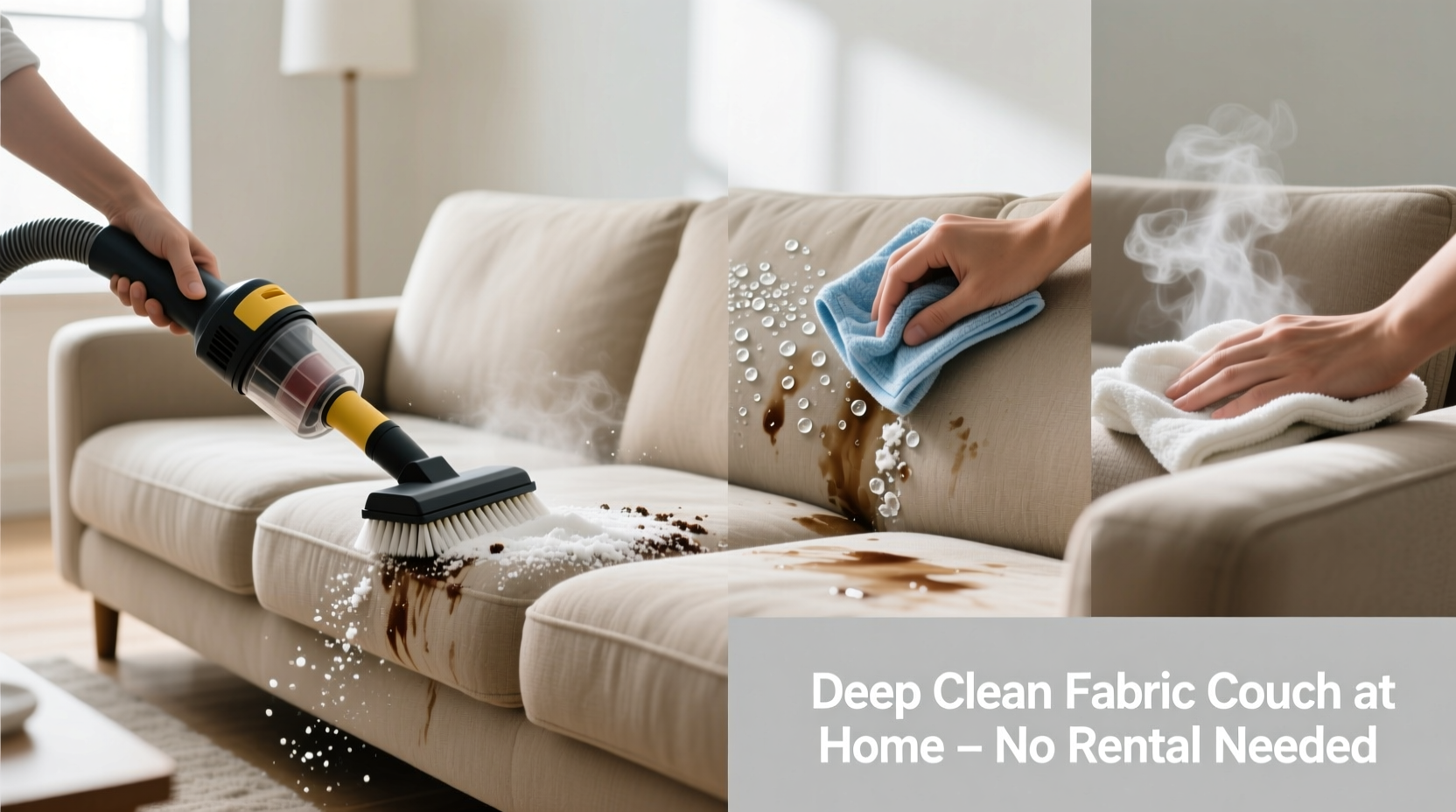
Not all fabrics respond the same way to moisture or cleaning agents. Before applying any solution, check the manufacturer’s tag—usually found on the back or underside of the couch—for a cleaning code. These codes determine what type of cleaners are safe to use:
| Cleaning Code | Meaning | Safe Cleaning Methods |
|---|---|---|
| W | Water-based cleaners OK | Mild detergent and water solutions |
| S | Solvent-only cleaners | Dry-cleaning solvents; avoid water |
| WS | Water or solvent cleaners OK | Both mild detergents and dry-cleaning fluids |
| X | Vacuum only | No liquids or solvents; professional service recommended |
If your couch has a “W” or “WS” code, you’re in luck—you can safely use homemade or store-bought water-based cleaners. For “S” or “X” codes, stick to dry methods like baking soda deodorizing and gentle vacuuming. Using the wrong cleaner can damage fibers, set stains permanently, or cause shrinkage and discoloration.
“Always test any cleaning solution on a hidden area first. Even water-safe fabrics can react differently depending on age, dye lot, and prior exposure.” — Lena Reyes, Upholstery Care Technician with 15 years of experience
Step-by-Step Deep Cleaning Process
Deep cleaning a fabric couch without machinery relies on manual effort, patience, and strategic layering of treatments. Follow this timeline for best results:
- Clear and Prepare (10 minutes)
Remove cushions, pillows, and decorative items. Vacuum thoroughly to eliminate loose debris. - Dry Deodorize (30 minutes + 2 hours dwell time)
Apply baking soda to neutralize odors. - Treat Stains (15–30 minutes)
Spot-clean visible marks using targeted solutions. - Deep Clean Surface (30–45 minutes)
Use a microfiber cloth and gentle cleaner to work across all sections. - Dry Completely (6–12 hours)
Ensure full drying before reassembling or using.
This entire process can be completed in one afternoon, with most active work taking under two hours. The extended drying phase is critical—moisture trapped in padding encourages mold and mildew growth.
1. Remove Loose Debris and Dust
Start by stripping off cushion covers if removable (check washing instructions). Use an upholstery attachment on your vacuum to go over every surface: seat, back, arms, and crevices. Pay special attention to seams and corners where crumbs, pet dander, and dust collect.
If you don’t own a vacuum with strong suction, use a lint roller or damp microfiber cloth to pick up surface particles. Skipping this step reduces cleaning effectiveness—dirt acts like sandpaper when scrubbed, damaging fabric over time.
2. Deodorize with Baking Soda
Baking soda is a natural odor absorber and gentle abrasive that lifts surface grime without harming most fabrics. Sprinkle a generous, even layer over the entire couch—focus on high-use areas like seat cushions and armrests.
Let the baking soda sit for at least two hours—overnight is better for severe smells. Then vacuum thoroughly again. You’ll notice a fresher scent and visibly cleaner surface.
3. Spot-Clean Stains Strategically
Address stains individually based on their origin. Never scrub aggressively—this spreads the stain and damages fibers. Instead, blot gently from the outside inward.
Here are tested solutions for common stains:
- Coffee/Tea/Wine: Mix 1 tsp dish soap, 1 tbsp white vinegar, and 2 cups warm water. Blot with a microfiber cloth dipped in solution, then rinse with a water-dampened cloth.
- Food Grease: Sprinkle cornstarch or talcum powder on the spot, let sit 30 minutes to absorb oil, then brush off. Follow with a drop of dish soap on a damp cloth if residue remains.
- Pet Accidents: Blot urine immediately. Apply equal parts water and white vinegar to neutralize ammonia. After drying, sprinkle baking soda to remove lingering odor.
- Ink: Dab with rubbing alcohol on a cotton swab—test first! Wipe only the affected area, then rinse with water.
- Sweat/Oil Buildup: Create a paste of baking soda and water. Gently rub into fabric, wait 15 minutes, then wipe clean.
After treating each stain, blot with a dry towel to remove excess moisture. Allow treated spots to air-dry before moving to the next step.
4. Deep Clean with a DIY Upholstery Solution
For overall cleaning, prepare a low-moisture foam cleaner that cleans without soaking the fabric. Excess water leads to warping, mold, and long drying times.
Homemade Foam Cleaner Recipe:
- 1/2 cup warm water
- 1/2 tsp mild liquid dish soap (fragrance-free preferred)
- 1/2 tsp hydrogen peroxide (optional, for lightening)
Mix ingredients in a spray bottle and shake gently until foamy. Do not over-shake—liquid will drip. Spray foam directly onto a microfiber cloth, not the couch, to control moisture.
Work in small sections (about 1 sq ft at a time), wiping gently in circular motions. Reapply foam as needed. As dirt lifts, the cloth will darken—use a clean side frequently. Once finished, go over cleaned areas with a water-dampened cloth to rinse soap residue, then blot dry.
5. Dry Thoroughly and Restore Texture
Drying is non-negotiable. Never sit on or replace cushions until the couch is completely dry—typically 6 to 12 hours depending on humidity and airflow.
To accelerate drying:
- Open windows or use fans to circulate air.
- Place portable fans nearby (not blowing directly on fabric).
- Use a dry microfiber cloth to press against damp areas and absorb moisture.
Once dry, fluff cushions and use your hand or a soft bristle brush to lift flattened fibers. This restores the couch’s original texture and appearance.
Checklist: Equipment-Free Deep Cleaning Routine
Keep this checklist handy for future maintenance:
- ✅ Check fabric cleaning code (W, S, WS, X)
- ✅ Remove cushions and accessories
- ✅ Vacuum all surfaces with upholstery attachment
- ✅ Sprinkle baking soda generously; wait 2+ hours
- ✅ Vacuum baking soda completely
- ✅ Identify and pre-treat stains with appropriate solution
- ✅ Prepare low-moisture foam cleaner
- ✅ Clean section by section using microfiber cloth
- ✅ Rinse with damp cloth; blot dry
- ✅ Air-dry fully (6–12 hours)
- ✅ Fluff and brush fabric to restore loft
- ✅ Reassemble and enjoy
Repeat this full deep clean every 6–12 months, or more often in homes with pets, children, or frequent entertaining.
Avoid These Common Mistakes
Even well-intentioned efforts can backfire. Steer clear of these pitfalls:
- Using too much water: Saturating the fabric risks damaging internal foam and frame. Always use minimal moisture.
- Skipping the patch test: Always apply any new solution to a hidden corner first and wait 24 hours to check for discoloration.
- Scrubbing instead of blotting: Aggressive rubbing spreads stains and wears down fabric.
- Using bleach or ammonia: These harsh chemicals degrade fibers and may produce toxic fumes when mixed with other cleaners.
- Ignoring manufacturer labels: Some fabrics, especially microfiber blends, require specific care. When in doubt, consult the brand’s website.
“Most couch damage I see comes from improper cleaning attempts—not neglect. A little knowledge goes a long way in preserving comfort and value.” — Marcus Tran, Furniture Restoration Specialist
Real Example: Reviving a Living Room After Pet Accidents
Jamie, a dog owner in Portland, noticed her beige fabric couch had developed yellowish stains and a persistent odor after her puppy’s house-training phase. She avoided renting a steam cleaner due to cost and space constraints. Instead, she followed the dry-first method outlined here.
She started by vacuuming daily for three days to remove embedded hair and dander. Then, she applied a baking soda and tea tree oil mixture overnight. For stains, she used a vinegar-water solution, blotting carefully. After two rounds of treatment and full drying between applications, the couch looked significantly cleaner and smelled fresh. No machine was used—just consistent effort and proper technique.
“I was shocked at how well it worked,” Jamie said. “It took longer than expected, but saved me $70 on rental fees and gave me control over what went on my furniture.”
Frequently Asked Questions
Can I use a carpet cleaner on my fabric couch?
Only if the product label specifies upholstery use and your fabric code allows water-based cleaners. Many carpet shampoos are too harsh or foamy for couches. When in doubt, stick to mild dish soap or dedicated upholstery sprays.
How often should I deep clean my fabric couch?
Twice a year is ideal for most households. High-traffic homes, those with pets, or allergy sufferers may benefit from quarterly cleaning. Regular vacuuming (weekly) extends time between deep cleans.
What if my couch still smells after cleaning?
Odors trapped in padding may require additional steps. Try placing bowls of activated charcoal or white vinegar near the couch overnight. If the smell persists, consider professional cleaning—especially if moisture has reached the inner foam.
Conclusion: Maintain Comfort Without the Cost
Deep cleaning a fabric couch doesn’t require expensive rentals or complicated tools. By understanding your fabric type, using simple household ingredients, and following a systematic process, you can achieve professional-level results at home. The key is consistency, caution with moisture, and attention to detail.
Your couch supports more than just your body—it holds memories, conversations, and daily life. Giving it proper care maintains indoor air quality, prolongs its lifespan, and keeps your space looking intentional and welcoming. Start today with a vacuum and a box of baking soda. You might be surprised how much cleaner your favorite seat can get.




 浙公网安备
33010002000092号
浙公网安备
33010002000092号 浙B2-20120091-4
Comments
No comments yet. Why don't you start the discussion?