
Sweaters are wardrobe staples—warm, versatile, and often sentimental. But over time, friction from wear, washing, and contact with other fabrics causes fibers to break and tangle into unsightly pills. While electric fabric shavers offer a quick fix, not everyone owns one, and improper use can damage delicate knits. The good news: you don’t need a specialized tool to restore your favorite sweater. With household items and careful technique, you can safely remove pills and maintain the integrity of your knitwear.
This guide walks through proven, no-shaver methods for depilling sweaters, backed by textile care principles and real-world testing. Whether dealing with cashmere, wool, cotton, or acrylic blends, these techniques will help you revive your garments while avoiding snags, pulls, and further fiber degradation.
Why Sweaters Pill—and When It’s Normal
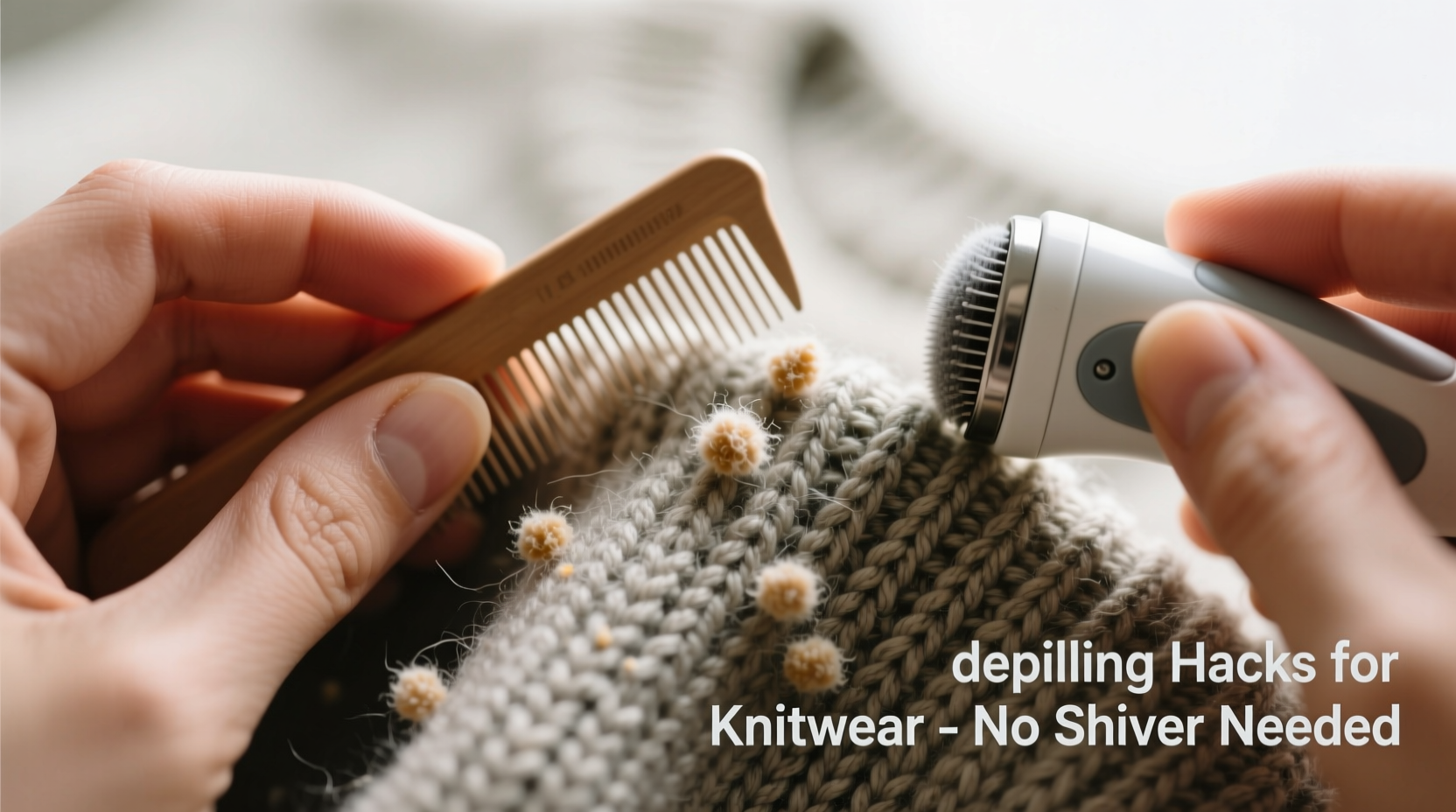
Pilling occurs when short or broken fibers migrate to the surface of fabric due to abrasion. These loose ends tangle into small knots under repeated rubbing—common areas include underarms, elbows, and where seat belts press against sleeves. Contrary to popular belief, pilling doesn’t always indicate poor quality. Even high-end natural fibers like merino wool or cashmere pill because their softness makes them prone to surface friction.
The key is managing it properly. Left unchecked, pills can grow larger and more numerous, making the fabric look worn and feel rough. However, aggressive removal methods—like pulling pills off with fingers or using dull blades—can stretch stitches or create holes, especially in loosely knitted pieces.
“Pilling is inevitable with regular wear, but how you address it determines whether your sweater lasts three seasons or ten.” — Lena Reyes, Textile Restoration Specialist
Effective No-Shaver Methods to Depill a Sweater
You likely already have tools at home capable of gently removing pills. The goal is to lift or trim excess fibers without cutting into the base fabric. Below are five reliable techniques tested across various knit types.
1. Use a Disposable Razor (With Caution)
A clean, sharp disposable razor can work similarly to a fabric shaver if used carefully. This method suits tighter weaves like cotton cardigans or synthetic blends.
- Lay the sweater flat on a clean, dry surface.
- Stretch the fabric slightly with one hand to smooth the area.
- Holding the razor at a shallow angle (almost parallel to the fabric), lightly glide it over the pilled sections—do not press down.
- Work in one direction only; avoid back-and-forth strokes.
- Afterward, brush away loose fibers with a soft clothes brush or lint roller.
2. Try a Pumice Stone for Natural Fibers
Originally designed for skin exfoliation, a fine-grade pumice stone lifts pills effectively on wool and cotton without damaging the underlying knit.
- Choose a smooth, fine-textured stone (avoid coarse varieties).
- Gently rub the stone over the pilled area using light pressure and circular motions.
- Frequent brushing dislodges loosened fibers.
- Rinse the stone occasionally to clear trapped lint.
Note: Do not use on silk, cashmere, or loosely spun yarns. The texture may be too abrasive.
3. Employ a Lint Roller for Light Pilling
For minor surface fuzz, a standard adhesive lint roller removes pills quickly and safely.
| Fiber Type | Effectiveness | Best For |
|---|---|---|
| Cotton | High | Daily wear sweaters with light pilling |
| Polyester Blend | Moderate | Small clusters of pills |
| Wool | Low–Moderate | Fine pills, not dense matting |
| Cashmere | Not Recommended | Too delicate; risk of pulling fibers |
Roll in one direction to prevent twisting fibers. Replace sheets frequently to maintain stickiness.
4. Utilize a Velcro Strip as a Manual Picker
An underrated hack: the rough side of a Velcro strip (from old clothing or craft supplies) acts like a mini comb for pills.
- Cut a 4–6 inch piece of Velcro loop-side up (soft side down).
- Drag the hook side lightly across the sweater in short strokes.
- As pills catch, flick them off periodically.
- Use under bright light to spot missed areas.
This method works best on chunky knits and acrylic blends. Avoid delicate weaves.
5. Brush with a Sweater Comb or Pet Grooming Tool
A dedicated sweater comb has fine metal teeth designed to catch pills without harming the garment. If unavailable, a pet slicker brush (used for detangling animal fur) offers similar results.
- Brush in the direction of the knit grain.
- Apply minimal pressure—let the tool do the work.
- Clean the comb regularly to prevent clogging.
Store the comb in a dry place to prevent rust, especially if working with moisture-prone wools.
Step-by-Step Guide: Safe Sweater Depilling at Home
Follow this sequence for optimal results regardless of method chosen:
- Inspect the Garment: Identify fiber content (check label). Delicate materials like cashmere require gentler handling than synthetics.
- Prepare the Workspace: Lay the sweater on a large, flat, well-lit surface. Ensure it’s completely dry.
- Test First: Apply your chosen method to a small, inconspicuous area (e.g., inner seam) to check for snagging.
- Depill Section by Section: Work in 4x4 inch zones, moving systematically across the front, back, and sleeves.
- Remove Loose Fibers: After treatment, use a soft brush or tape to pick up debris.
- Reshape and Rest: Lay flat to rest overnight before wearing or storing to allow fibers to settle.
Common Mistakes That Damage Knitwear
Even with good intentions, certain habits accelerate wear. Avoid these pitfalls:
- Pulling Pills Off by Hand: This stretches surrounding stitches and creates uneven tension.
- Using Scissors: Hard to control; easily cuts too deep and creates holes.
- Overlapping Passes with Razor: Repeated scraping thins the fabric and damages texture.
- Ignoring Fiber Content: Treating cashmere like polyester leads to irreversible damage.
- Depilling Too Frequently: Once every few months is sufficient unless heavily worn.
“Every time you depill, you’re removing material. The aim isn’t perfection—it’s restoration with minimal loss.” — Dr. Miriam Cho, Textile Conservation Researcher
Real Example: Reviving a Beloved Wool Cardigan
Sarah, a teacher from Portland, inherited her grandmother’s cream-colored wool cardigan. After years of winter wear, the elbows were covered in thick pills, and the chest felt rough. She didn’t own a fabric shaver and was hesitant to buy one for a single garment.
She opted for the pumice stone method, selecting a fine-grain version from her bathroom cabinet. Working under a desk lamp, she spent about 20 minutes gently exfoliating the affected areas. She brushed away debris with a soft-bristle clothes brush between passes. Though not perfectly smooth afterward, the texture improved dramatically, and the sweater regained its softness. Sarah now stores it folded in a cedar-lined drawer and turns it inside out when washing.
“It’s not flawless,” she says, “but it feels like I’ve given it a second life. And I didn’t risk ruining it with something harsh.”
Prevent Future Pilling: Proactive Care Tips
Reducing pilling starts long before fuzz appears. Integrate these habits into your routine:
Washing Best Practices
- Wash sweaters only when necessary—spot clean when possible.
- Use cold water and a gentle cycle—or hand wash with pH-neutral detergent.
- Turn inside out and place in a mesh laundry bag to reduce agitation.
- Avoid wringing; press out water and lay flat to dry on a towel.
Storage Strategies
- Fold sweaters horizontally rather than hanging—they lose shape and stress shoulders.
- Store in breathable cotton bags or drawers away from direct sunlight.
- Place cedar blocks nearby to deter moths without chemical exposure.
Wearing Considerations
- Avoid pairing sweaters with rough outer layers (e.g., denim jackets).
- Limit wear with backpacks or seat belts that cause constant friction.
- Rotate knitwear to give fibers time to recover between uses.
FAQ: Your Sweater Care Questions Answered
Can I use a cheese grater to depill a sweater?
No. Despite viral social media hacks, cheese graters are far too coarse and will shred the fabric. They lack precision and pose a high risk of irreversible damage. Stick to smoother, controlled tools like combs or razors.
Is it safe to depill cashmere at home?
Yes, but only with extreme care. Use a dedicated cashmere comb or very fine sweater stone. Never use razors or Velcro. Work slowly and stop if you notice any thinning. For valuable pieces, consider professional textile cleaning services.
Will depilling make my sweater weaker?
If done correctly, the impact is minimal. However, excessive or aggressive depilling removes structural fibers over time. Treat it as maintenance, not a cure-all. Focus on prevention to reduce frequency.
Final Checklist: How to Depill Any Sweater Safely
- ✅ Check the care label and fiber type
- ✅ Choose the right tool based on fabric sensitivity
- ✅ Test on a hidden area first
- ✅ Work on a dry, flat surface with good lighting
- ✅ Use light pressure and one-directional strokes
- ✅ Remove loose fibers post-treatment
- ✅ Wash and store properly to extend results
Conclusion: Care Is the Ultimate Style Statement
A sweater’s value isn’t just in its brand or price tag—it’s in the stories it carries and the care you invest. Learning how to depill a sweater without a shaver empowers you to maintain your wardrobe sustainably, reduce waste, and honor the craftsmanship behind each knit. These low-tech solutions prove that thoughtful attention often outperforms expensive gadgets.
Start with one garment. Be patient. Notice the difference even small efforts make. Over time, these habits transform how you relate to your clothes—not as disposable items, but as lasting companions.




 浙公网安备
33010002000092号
浙公网安备
33010002000092号 浙B2-20120091-4
Comments
No comments yet. Why don't you start the discussion?