
Willpower is often mistaken for sheer force of will—gritting your teeth and pushing through discomfort. But in reality, sustainable willpower isn’t about enduring pain or exhausting yourself. It’s a skill that can be trained, like a muscle, but only if you respect its limits. Too many people start strong, resisting temptation or sticking to new habits, only to collapse weeks later, demoralized and back where they began. The key difference between those who succeed and those who flame out lies not in motivation, but in strategy.
Building willpower without burning out requires a shift from brute force to intelligent design. This means understanding the psychology of self-control, managing energy wisely, and creating systems that reduce reliance on willpower itself. When done right, willpower becomes less of a daily battle and more of a quiet, consistent advantage.
The Science of Willpower and Why It Fails
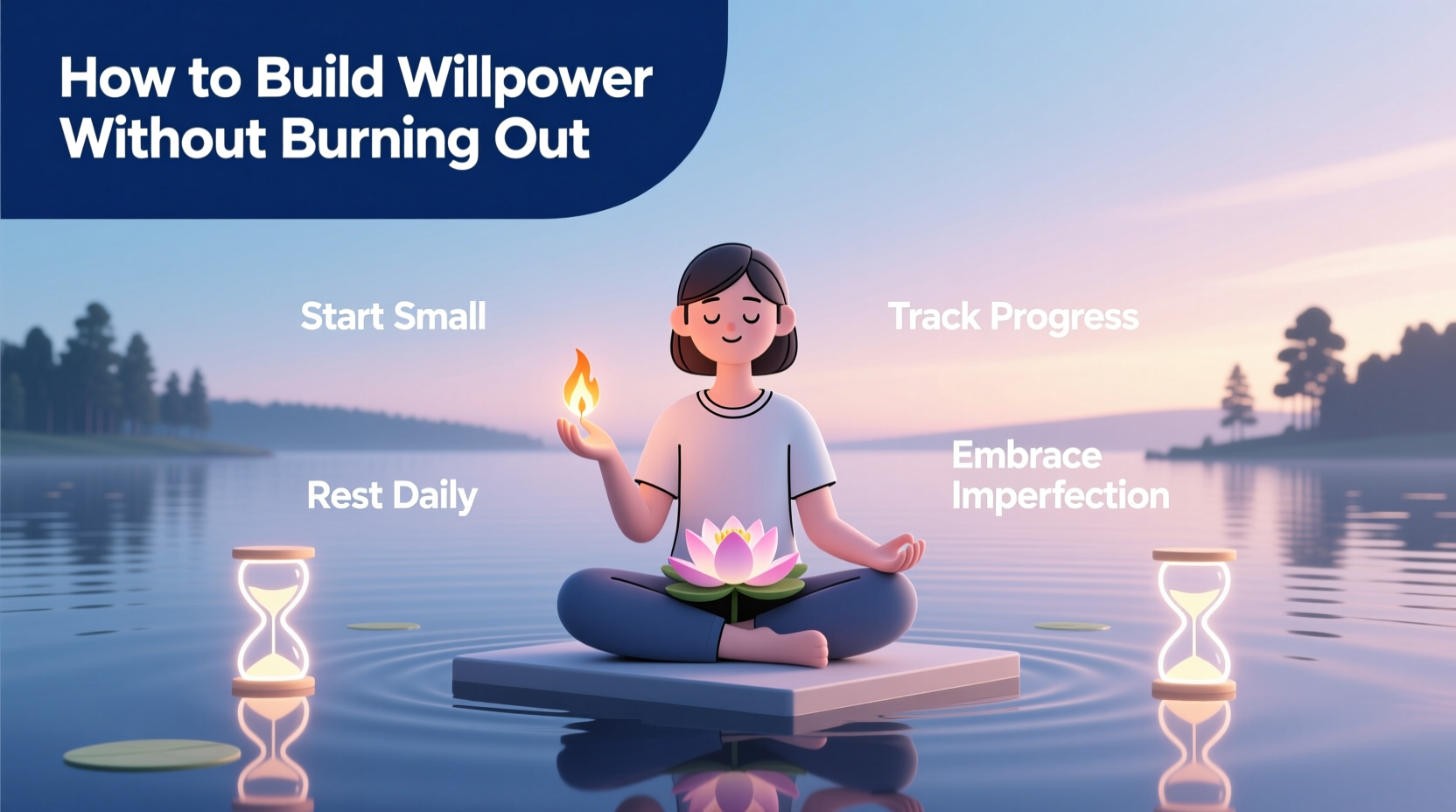
Psychologists define willpower as the ability to override impulses, delay gratification, and stay focused on long-term goals. Research, including the famous “marshmallow test” by Walter Mischel, shows that individuals with higher self-control tend to achieve better outcomes in health, wealth, and relationships. However, more recent studies have revealed that willpower is not an unlimited resource.
The concept of \"ego depletion,\" introduced by psychologist Roy Baumeister, suggests that willpower draws from a finite mental reservoir. Each act of self-control—resisting dessert, forcing yourself to work when tired, suppressing emotions—uses up some of this energy. Once depleted, decision-making deteriorates, and impulsive behavior increases. This explains why someone might stick to their diet all day but binge at night after a stressful work meeting.
“Self-control is like a muscle: it gets stronger with practice, but it also gets fatigued with overuse.” — Dr. Kelly McGonigal, Health Psychologist and Author of *The Willpower Instinct*
This insight changes everything. Instead of asking, “How can I have more willpower?” the smarter question is, “How can I use less of it?” Sustainable self-control comes not from endless resistance, but from minimizing the need to resist in the first place.
Build Willpower Like a Muscle—Not a Flame
Just as lifting weights strengthens muscles gradually, small, consistent acts of self-control strengthen willpower over time. But like any muscle, it needs rest and recovery. Push too hard too soon, and you risk injury—or in this case, burnout.
Start with micro-challenges that stretch your discipline just slightly beyond comfort. For example:
- Make your bed every morning
- Drink a glass of water before coffee
- Walk for five minutes after lunch
- Avoid checking your phone for the first 30 minutes of the day
These actions seem trivial, but they train your brain to follow through on commitments. Over time, these small wins accumulate, increasing your tolerance for discomfort and boosting confidence in your ability to control impulses.
The goal is consistency, not intensity. A single day of extreme discipline followed by three days of relapse does more harm than good. Progress happens in the repetition of small choices, not grand gestures.
Reduce Decision Fatigue to Preserve Mental Energy
Every decision you make—from what to wear to whether to reply to an email—consumes mental energy. This phenomenon, known as decision fatigue, directly undermines willpower. By the end of a long day of choices, your capacity for self-control is significantly reduced.
Barack Obama famously said he limited his wardrobe to gray or blue suits to eliminate unnecessary decisions. While you don’t need to go that far, you can apply the same principle. Automate or simplify routine choices so your willpower reserves are saved for what truly matters.
| Area of Life | Do | Don't |
|---|---|---|
| Morning Routine | Prepare clothes and meals the night before | Decide what to eat/wear while half-asleep |
| Work Tasks | Use a fixed schedule for deep work blocks | Constantly switch between tasks based on mood |
| Diet | Plan weekly meals and grocery shop once | Decide what to cook when hungry and tired |
| Social Media | Set app limits and schedule usage times | Scroll endlessly because “I’ll stop soon” |
By reducing friction in daily routines, you create a life that supports your goals rather than constantly testing your willpower.
Design Your Environment for Automatic Success
Your environment shapes your behavior far more than your intentions do. If your kitchen is filled with junk food, no amount of willpower will reliably keep you from eating it when tired or stressed. But if you stock it with healthy options and remove temptations, good choices become effortless.
This is the principle of “choice architecture”: structuring your surroundings so that the desired behavior is the easiest path. Consider the story of James, a software developer trying to cut down on late-night snacking.
💬 Mini Case Study: James kept a bag of chips in his pantry. Every night, after hours of coding, he’d tell himself, “Just one handful.” But more often than not, the whole bag was gone by midnight. He blamed himself for lacking discipline. Then he tried a different approach: he stopped buying chips altogether. Instead, he bought pre-cut vegetables and hummus and placed them at eye level in the fridge. Within a week, his late-night cravings shifted. Not because his willpower improved—but because his environment made healthier choices automatic.
You don’t need more willpower to resist temptation; you need fewer temptations. Remove distractions, block websites, unsubscribe from marketing emails, and put your phone in another room during focused work. These aren’t signs of weakness—they’re signs of wisdom.
Step-by-Step Guide to Building Sustainable Willpower
Follow this six-week plan to strengthen your self-control without crashing:
- Week 1: Track Your Triggers
Keep a journal of moments when you lose self-control. Note the time, location, emotional state, and what happened just before. Patterns will emerge. - Week 2: Pick One Keystone Habit
Choose a small, positive habit (e.g., drinking water upon waking) and commit to it daily. Use it as a foundation for future changes. - Week 3: Optimize Your Environment
Remove one major distraction or temptation. Replace it with a cue for better behavior (e.g., place running shoes by the bed). - Week 4: Schedule High-Willpower Tasks
Do demanding tasks early in the day when mental energy is highest. Avoid making important decisions when tired. - Week 5: Practice Self-Compassion
When you slip up, respond with kindness, not shame. Research shows self-criticism reduces motivation, while self-compassion increases resilience. - Week 6: Review and Expand
Reflect on what worked. Celebrate progress. Then choose one new area to improve, using the same methodical approach.
Checklist: Daily Willpower Maintenance
To keep your self-control strong without overexertion, incorporate these habits daily:
- ✅ Get 7–8 hours of quality sleep
- ✅ Eat balanced meals with protein, fiber, and healthy fats
- ✅ Take short breaks during mentally demanding tasks
- ✅ Practice 5 minutes of mindfulness or deep breathing
- ✅ Reflect on one win from the day, no matter how small
- ✅ Avoid multitasking; focus on one priority at a time
- ✅ Limit exposure to digital distractions during key hours
These practices don’t require heroic effort, but they collectively protect and enhance your mental stamina. Think of them as daily maintenance for your willpower engine.
Frequently Asked Questions
Can willpower be completely depleted?
While early research suggested willpower could be entirely exhausted, newer studies show it’s more nuanced. Glucose levels, mindset, and motivation play roles. Some people can persist despite fatigue if the goal feels meaningful. However, relying on emergency reserves consistently leads to burnout. The smarter strategy is prevention—managing energy proactively.
Is it possible to have too much willpower?
Yes, paradoxically. Excessive self-control, especially when combined with perfectionism, can lead to stress, anxiety, and social isolation. Healthy willpower includes flexibility—the ability to relax standards when appropriate. Balance is key: discipline should serve well-being, not undermine it.
How long does it take to build real willpower?
There’s no fixed timeline. Some studies suggest noticeable improvements in as little as two weeks with consistent practice. However, lasting change typically takes 6–8 weeks of deliberate effort. The critical factor is regularity, not duration. Small, daily actions compound over time.
Conclusion: Willpower That Lasts
True willpower isn’t about white-knuckling your way through life. It’s about designing a life where discipline flows naturally, supported by smart habits, thoughtful environments, and self-awareness. You don’t need to be perfect—just persistent. Every time you choose alignment over impulse, even in a small way, you reinforce a stronger version of yourself.
The most effective strategies aren’t flashy. They’re quiet, consistent, and often invisible to others. But over time, they create remarkable results. Stop chasing motivation. Start building systems. Protect your energy. And remember: the goal isn’t to never fail, but to never stay down.




 浙公网安备
33010002000092号
浙公网安备
33010002000092号 浙B2-20120091-4
Comments
No comments yet. Why don't you start the discussion?