
Hanging framed photos is one of the most personal and expressive ways to bring warmth and character to a space. Yet, many people hesitate—especially renters, homeowners with delicate walls, or those simply wary of permanent holes. The good news: you don’t need nails to create a stunning photo display. With thoughtful alternatives, you can achieve a polished, gallery-like effect without damaging your walls. From tension rods to adhesive innovations and furniture-based styling, there are numerous stylish, secure, and renter-friendly solutions that let your memories shine.
Why Avoid Nails? Understanding the Need for Alternatives
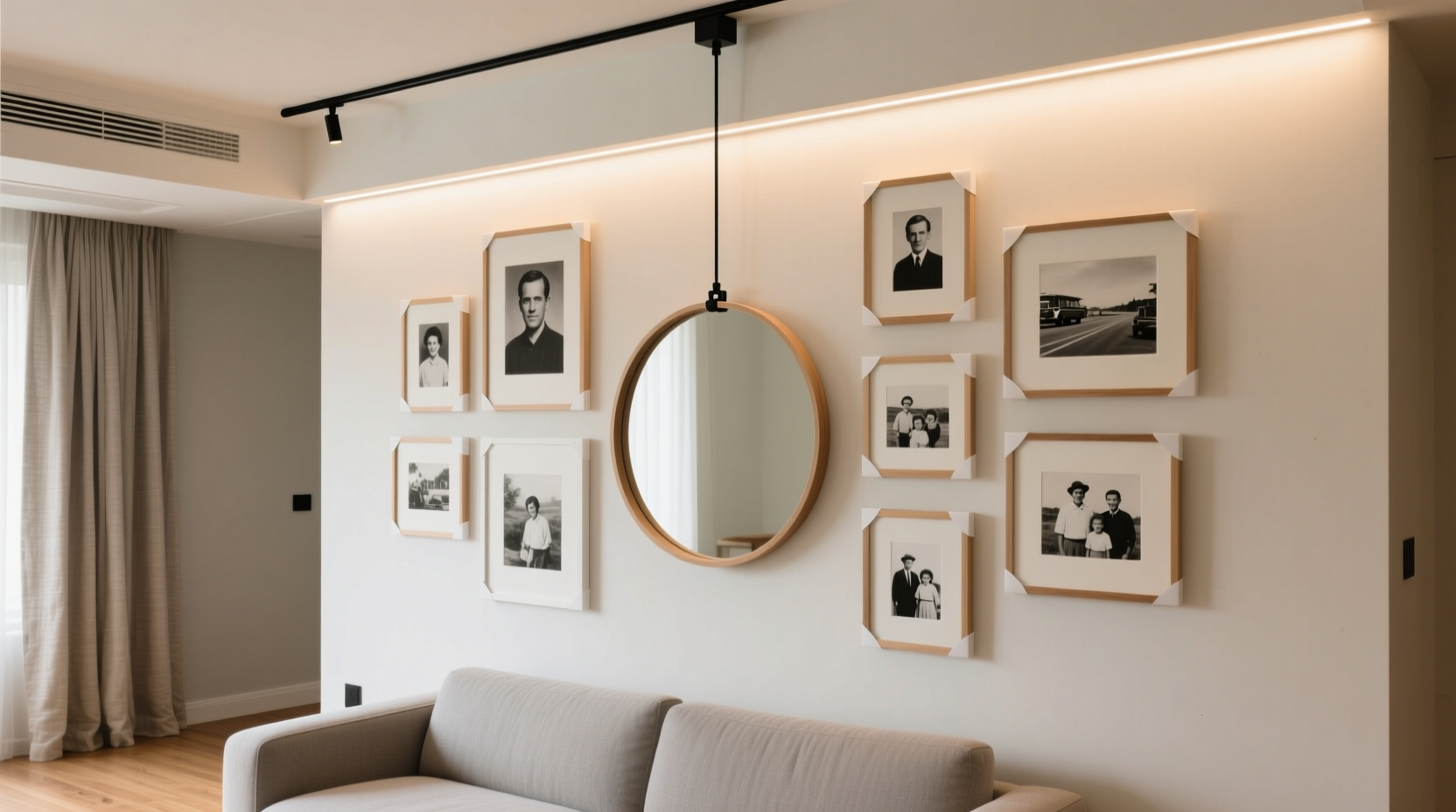
Traditional picture hanging often relies on nails, screws, or anchors. But these methods come with drawbacks. Drywall cracks easily, plaster is fragile, and textured paint can chip around punctures. For renters, any hole—even a small one—can result in lost security deposits. Beyond structural concerns, some prefer flexible decor that evolves with seasons, moods, or interior updates. Temporary living situations, shared housing, or frequently reorganized rooms also benefit from non-permanent solutions.
Additionally, modern design trends favor layered, dynamic arrangements that aren’t fixed in place. A floating shelf can be rearranged weekly; a leaning gallery invites seasonal rotation. These approaches align with sustainable, low-waste living—no patching, repainting, or repeated hardware purchases.
Top 5 Nail-Free Methods for Displaying Framed Photos
Each alternative offers distinct advantages depending on frame size, wall type, room function, and aesthetic goals. Below are five reliable, tested methods that deliver both form and function.
1. Adhesive Picture Hanging Strips
These double-sided tapes—popularized by brands like 3M Command—have revolutionized nail-free decorating. One side adheres to the back of the frame, the other to the wall. When removal time comes, a gentle pull releases the strip cleanly, leaving no residue or marks if used correctly.
They come in various sizes and weight capacities—from mini strips supporting up to 1 pound, to jumbo versions handling 16 pounds. Ideal for lightweight to medium-framed photos in bedrooms, hallways, or offices.
- Best for: Flat, smooth walls (painted drywall, glass, tile)
- Avoid on: Textured, cracked, or porous surfaces
- Pro tip: Press firmly for 30 seconds after application and wait one hour before hanging to ensure maximum adhesion.
2. Leaning Frames on Shelves and Furniture
One of the simplest and most elegant solutions is to lean frames against the wall on existing surfaces. Mantels, bookshelves, dressers, console tables, and window sills all serve as natural display zones.
This method allows for easy rotation, creates depth through layering, and pairs well with books, plants, or decorative objects. It’s especially effective in creating intimate vignettes in living rooms or bedrooms.
“Leaning art introduces movement and informality. It feels lived-in and personal.” — Lena Torres, Interior Stylist
3. Tension Rods as Invisible Supports
Tension rods—commonly used in showers—are surprisingly effective photo-hanging tools. Installed horizontally between two walls (like in a hallway or alcove), they provide a stable line from which to hang lightweight frames using S-hooks or clips.
You can drape string or wire across the rod and use miniature clothespins or binder clips to attach photos. This works beautifully for rotating seasonal displays or temporary memorabilia like vacation prints or children’s artwork.
4. Magnetic Frames and Wall Systems
If your walls contain metal—or you’re open to adding a panel—magnetic systems offer sleek, adjustable displays. Use magnetic paint (applied in multiple coats) or install a thin steel sheet behind fabric or wallpaper. Then, pair it with magnetic picture frames or attach magnetic tape to the back of standard frames.
Alternatively, invest in modular magnetic wall panels designed for homes and offices. These allow you to move, resize, and reconfigure layouts daily without tools or damage.
5. Decorative Ladders and Rails
Freestanding wooden ladders or mounted rails (such as towel bars or pipe shelving) double as artistic displays. Drape twine across rungs and clip photos with mini pegs. Alternatively, mount a slim rail near the ceiling and hang frames from downward-facing hooks.
These solutions add architectural interest while functioning as practical hangers. They work particularly well in narrow spaces like stairwells or blank walls beside beds.
Choosing the Right Method: A Comparison Table
| Method | Wall Damage? | Max Weight | Best Room | Ease of Change |
|---|---|---|---|---|
| Adhesive Strips | No (if removed properly) | 1–16 lbs | Bathroom, Office, Bedroom | High |
| Leaning on Furniture | No | Unlimited (depends on surface) | Living Room, Entryway | Very High |
| Tension Rod + String | No | 2–5 lbs | Hallway, Kids’ Room | High |
| Magnetic System | Low (if painting/walling) | 5–10 lbs | Kitchen, Studio, Office | Very High |
| Rail or Ladder | Minimal (if mounted) | 5–15 lbs | Bathroom, Stairwell | Medium |
Step-by-Step: Creating a Floating Gallery with Adhesive Strips
Follow this timeline to install a professional-looking gallery wall—without a single nail.
- Day 1: Plan Your Layout
Select 3–7 frames of varying sizes but cohesive color or material. Arrange them on the floor to test compositions—try symmetrical grids, organic clusters, or linear rows. - Day 2: Prepare Walls and Frames
Clean the wall with rubbing alcohol—oil and dust prevent adhesion. Let dry completely. Wipe the back of each frame and attach one set of strips per manufacturer instructions. - Day 3: Mark Positions
Use painter’s tape to mark where each frame will go. Hold a level to ensure alignment. For large arrangements, cut paper templates matching each frame and tape them temporarily. - Day 4: Apply and Hang
Press each strip onto the wall at marked spots. Wait one hour. Then, firmly press each frame into place. Confirm straightness with a tiny level or visual check. - Day 5+: Enjoy and Maintain
Avoid touching or bumping newly hung frames for 24 hours. To remove later, pull the release tab at a downward angle slowly.
Real Example: Maya’s Renter-Friendly Living Room Makeover
Maya, a graphic designer renting a downtown apartment, wanted to personalize her blank living room wall but feared landlord penalties. She opted for a mix of solutions: adhesive strips held three medium-sized family photos above the sofa, while a vintage ladder in the corner supported a rotating display of travel prints clipped to twine.
On a long console table, she leaned a collection of black-and-white portraits between potted succulents and coffee table books. Every six weeks, she swaps out images—seasonal themes, client projects, or mood boards. Her landlord praised the “thoughtful, temporary elegance” during inspections.
“I love that I can change everything in an afternoon,” Maya says. “It keeps my space feeling alive without risking my deposit.”
Essential Checklist: Nail-Free Photo Display Prep
Before installing any system, verify these points:
- ✅ Confirm wall material (drywall, plaster, tile) to match appropriate method
- ✅ Measure frame dimensions and weight
- ✅ Choose cohesive frames or mats for visual harmony
- ✅ Clean wall surface thoroughly before applying adhesives
- ✅ Buy quality hardware—don’t skimp on strip strength or hook durability
- ✅ Sketch or photograph your layout idea before execution
- ✅ Keep original packaging for future removal or repositioning
Frequently Asked Questions
Can I use adhesive strips on textured walls?
Standard adhesive strips struggle on heavily textured or porous walls because they can’t form a full seal. However, specialized products like 3M’s “Rough Surface” strips are formulated for stucco, brick, or orange-peel finishes. Always test a single strip first and monitor for 48 hours.
Will leaning frames fall over?
Not if done correctly. Choose frames with wide, stable stands or add non-slip pads to the bottom corners. Place them against a solid backdrop—never in high-traffic zones where they might be bumped. For added security, use museum wax (a small dab under each foot) to gently anchor the base without sticking permanently.
How do I hang heavy frames without nails?
True heavy frames (over 15 lbs) typically require wall anchors. However, if nails are off-limits, consider freestanding options: place the frame on a sturdy easel, use a tall bookshelf with a back ledge, or install a floor-to-ceiling tension rod system rated for heavier loads. Some advanced adhesive systems now support up to 20 lbs when used with reinforced mounting plates—but always consult the manufacturer’s guidelines.
Expert Insight: The Psychology of Personal Display
Displaying personal photos isn’t just decorative—it impacts emotional well-being. Studies in environmental psychology suggest that surrounding yourself with meaningful imagery reduces stress and increases feelings of belonging.
“People who display personal photos report higher satisfaction with their living environments. The key is accessibility and visibility—photos tucked away don’t offer the same benefit.” — Dr. Alan Pierce, Environmental Psychologist
Nail-free methods make it easier to keep cherished moments in view, encouraging regular engagement with positive memories. Because these systems are adaptable, users are more likely to update and interact with their displays—turning static decor into active emotional nourishment.
Final Thoughts: Freedom to Express Without Fear
The fear of damaging walls should never silence personal expression. Modern solutions have evolved far beyond thumbtacks and tape. Whether you're in a rental, a historic home, or simply someone who likes to refresh your space often, there are smart, secure, and stylish ways to showcase your story.
From the precision of adhesive strips to the charm of leaning galleries and the ingenuity of tension systems, your options are broader than ever. What matters most is not the method, but the message: your memories deserve to be seen.




 浙公网安备
33010002000092号
浙公网安备
33010002000092号 浙B2-20120091-4
Comments
No comments yet. Why don't you start the discussion?