
The shift toward remote work has opened unprecedented opportunities for people worldwide. Millions now earn full-time incomes working from home, but the digital job market is crowded with both real opportunities and misleading schemes. Success in online work isn’t about luck—it’s about strategy, preparation, and persistence. This guide breaks down exactly how to find, secure, and thrive in legitimate remote roles, avoiding common pitfalls along the way.
Step 1: Identify Your Skills and Niche
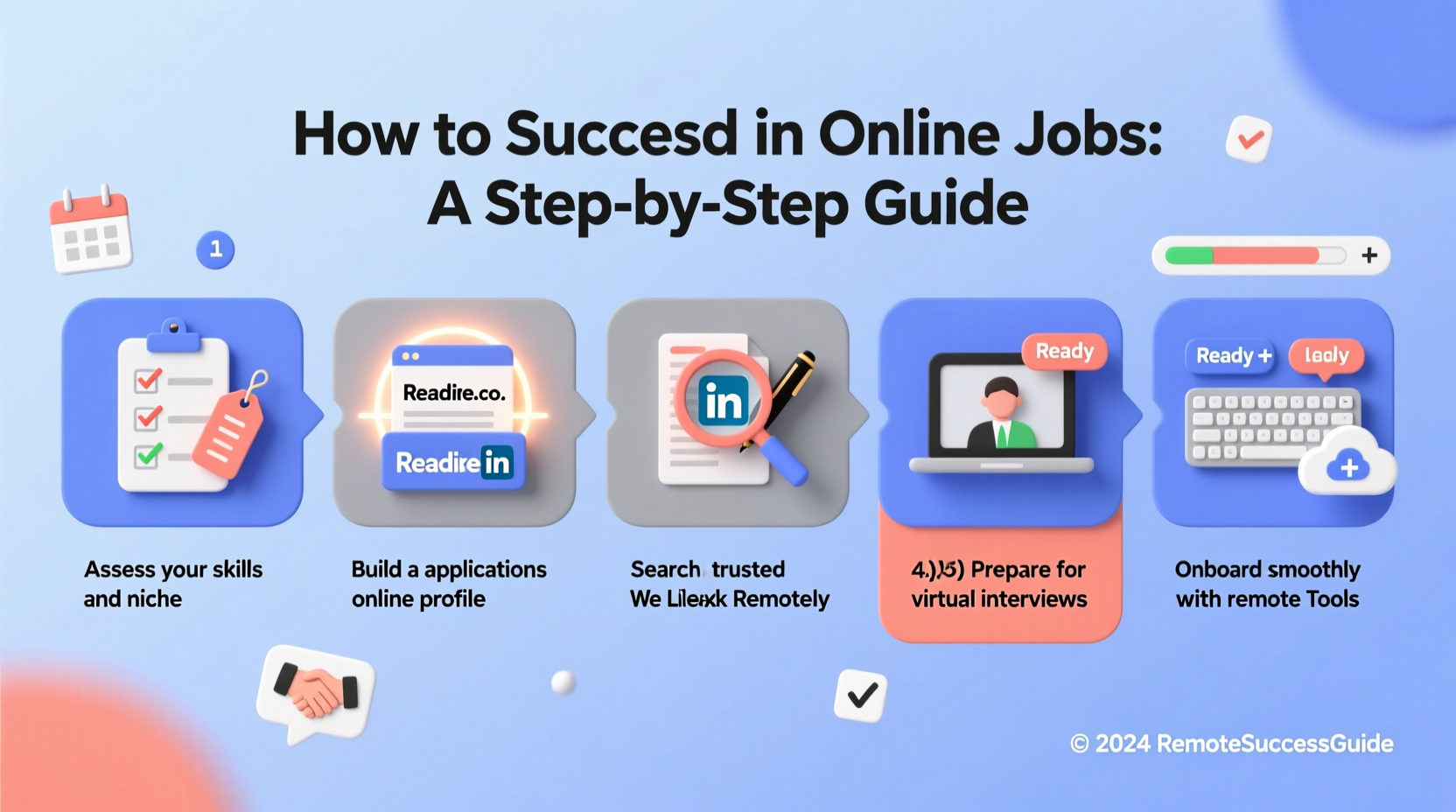
Before applying for any online job, assess what you bring to the table. Remote employers value specialized skills that can be delivered independently. Start by listing your professional experience, technical abilities, and soft skills. Ask yourself: What tasks do I enjoy? Where have I received consistent praise at work?
Common high-demand remote skill sets include:
- Copywriting and content creation
- Graphic design and video editing
- Web development and programming
- Digital marketing (SEO, social media, email campaigns)
- Virtual assistance and customer support
- Data entry and transcription
- Online teaching or tutoring
If your current skill set isn’t fully aligned with remote work demands, invest time in upskilling. Many reputable platforms offer certifications in months or even weeks. Focus on areas with proven demand—don’t chase trends without data behind them.
Step 2: Avoid Scams and Spot Legitimate Opportunities
Unfortunately, the promise of flexible income attracts fraudsters. Fake job postings often promise high pay for minimal effort and ask for upfront payments or personal financial information. To protect yourself, follow these red flags:
| Red Flag | What It Means | Safe Alternative |
|---|---|---|
| “Pay to start” or “buy materials” | Legit jobs don’t require you to pay just to begin. | Look for companies covering equipment costs or offering stipends. |
| Vague job descriptions | Lack of clear responsibilities signals low legitimacy. | Prefers detailed postings with KPIs, tools used, and reporting structure. |
| No company website or contact info | Scammers often use generic emails and no physical presence. | Verify via LinkedIn, Glassdoor, or official business directories. |
| Overly high pay for little experience | Be skeptical of $50/hour for basic data entry with no qualifications. | Compare salaries using Payscale or RemoteOK’s salary reports. |
“Transparency is the hallmark of a real remote employer. They’ll explain the workflow, introduce team members, and outline performance expectations.” — Sarah Lin, Remote Work Consultant
Step 3: Apply Strategically Using Trusted Platforms
Not all job boards are created equal. While general sites like Indeed and LinkedIn list remote roles, niche platforms often yield better results with fewer scams. Here’s a checklist for effective applications:
- Customize your resume for each role—highlight remote-friendly skills like self-management and communication.
- Write a short cover letter explaining why you’re suited for remote work specifically.
- Use professional email addresses (e.g., john.doe@email.com, not coolguy123@email.com).
- Follow up within 5–7 days if you haven’t heard back.
- Prepare for video interviews: test your internet, lighting, and background.
Top vetted platforms for legitimate remote jobs:
- FlexJobs – Curated listings with pre-screened companies (subscription-based).
- We Work Remotely – One of the largest communities for remote tech, marketing, and customer service roles.
- Remote.co – Partnered with established businesses offering long-term positions.
- Upwork & Fiverr – Best for freelancers; build reputation through small initial gigs.
- LinkedIn – Use filters: “Remote” + “Entry Level” or “Mid-Senior” based on your experience.
Step 4: Build a Professional Remote Presence
When you work online, your digital footprint becomes your résumé. Employers evaluate your professionalism through your profiles, portfolio, and communication style.
Create a personal brand that reflects reliability:
- Optimize your LinkedIn profile with keywords like “remote project manager” or “freelance SEO writer.”
- Build a simple portfolio website using WordPress or Notion to showcase past work.
- Use consistent professional photos across platforms.
- Respond promptly and clearly in written communication—this demonstrates accountability.
In freelance markets, early reviews matter. Consider taking one or two below-market-rate jobs to gain testimonials, then raise your rates as credibility grows.
Mini Case Study: From Side Hustle to Full-Time Freelancer
Jamie, a former administrative assistant in Ohio, wanted more flexibility after having her second child. She started by offering basic transcription services on Upwork for $12/hour. Over six months, she improved her typing speed, learned medical terminology, and requested feedback from every client. By consistently delivering accurate work on time, she earned five-star reviews. Within a year, she was charging $35/hour and working exclusively with healthcare clients. Today, she manages three part-time virtual assistants and earns more than her previous office job—with control over her schedule.
Her key insight: “I didn’t wait for the perfect job. I started small, proved myself, and scaled gradually.”
Step 5: Sustain Success with Discipline and Growth
Getting hired is only the beginning. Long-term success in remote work depends on consistency, time management, and continuous learning.
Set up a dedicated workspace—even if it’s just a corner of a room—to separate work from personal life. Use tools like Toggl for time tracking, Todoist for task management, and Google Calendar to block focused work hours.
To avoid stagnation:
- Request annual performance reviews, even as a freelancer.
- Take one course per quarter to stay updated (e.g., HubSpot Academy for marketers).
- Join remote worker communities like Dynamite Circle or Nomad List for peer support.
Frequently Asked Questions
Can I find legitimate online jobs without prior experience?
Yes, but you’ll need to demonstrate competence. Entry-level roles in customer support, data entry, or transcription often require training instead of prior experience. Complete free certifications (like Google Career Certificates) to boost credibility.
How much can I realistically earn from home?
Earnings vary widely. Beginners might make $10–$20/hour, while experienced professionals in fields like web development or digital marketing can earn $50–$100+/hour. Full-time remote employees typically earn salaries comparable to in-office roles, adjusted for location.
Are online jobs taxable?
Yes. If you’re freelancing or self-employed, you’re responsible for reporting income and paying estimated taxes quarterly in many countries. Keep detailed records of earnings and expenses for deductions.
Conclusion
Success in online work doesn’t come from stumbling into the right gig—it comes from deliberate action. From identifying your strengths to building trust with employers, every step shapes your remote career trajectory. The digital economy rewards those who are proactive, adaptable, and professional. Whether you're seeking supplemental income or a complete career shift, the tools and opportunities exist. Now is the time to take control, apply with confidence, and create a work life that fits your goals—not just your schedule.




 浙公网安备
33010002000092号
浙公网安备
33010002000092号 浙B2-20120091-4
Comments
No comments yet. Why don't you start the discussion?