
Landing a job in a creative industry—be it graphic design, fashion, advertising, or digital media—means your personal brand matters as much as your portfolio. Unlike traditional corporate roles, where attire is often standardized, creative fields invite individuality. But that freedom comes with a subtle challenge: how do you express your personality through clothing without appearing unprofessional or distracting?
The key isn’t about wearing the boldest outfit in your closet. It’s about curating an ensemble that communicates competence, confidence, and cultural fit—all while letting your authentic style shine through. Striking this balance requires awareness of industry norms, company culture, and the unspoken language of visual cues.
This guide breaks down how to dress effectively for a creative job interview, offering actionable strategies to avoid common pitfalls and present yourself as both capable and creatively aligned.
Understand the Creative Spectrum
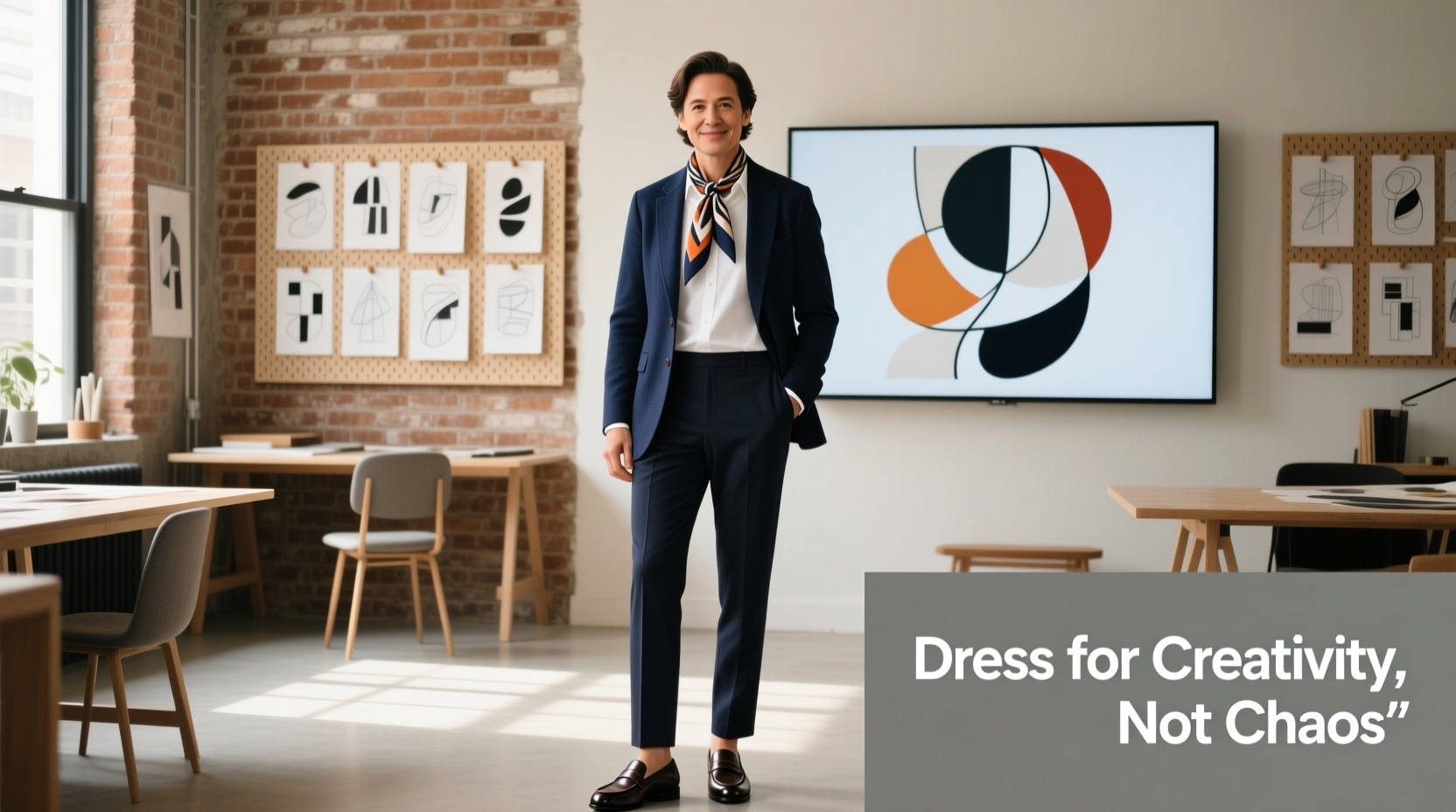
Creative industries aren't monolithic. What's appropriate at a Brooklyn-based indie animation studio may not fly at a London ad agency with global clients. Recognizing where your target company sits on the creative spectrum is essential.
At one end, you have studios and agencies that thrive on rebellion and disruption—think streetwear-inspired offices where hoodies are the norm. At the other, there are firms that blend creativity with high-end client expectations, requiring polished looks even if they're not strictly formal.
Before deciding what to wear, research the company thoroughly:
- Check their website and social media for photos of team members.
- Look up employee reviews on Glassdoor or LinkedIn for mentions of workplace culture.
- Ask your recruiter or contact (if possible) about typical office attire.
Build a Balanced Interview Outfit
Your goal is to look like someone who belongs in the room—not because you’re trying too hard, but because your presence feels natural and intentional. This means combining professionalism with creative flair in measured doses.
Start with a strong foundation: well-fitted, clean, and wrinkle-free clothing. Then layer in personality through accessories, textures, or a single statement piece.
Dressing Guidelines by Role Type
| Role / Industry | Suggested Attire | Style Notes |
|---|---|---|
| Graphic Designer (Agency) | Dark jeans + button-down shirt + leather shoes | Add color via socks or watch; avoid loud prints |
| Fashion Stylist | Curated mix of designer and vintage pieces | Show trend awareness without costume-like dressing |
| Digital Marketing (Creative Team) | Chinos + knit polo or blouse + loafers | Minimalist jewelry; tech-friendly and approachable |
| Art Director (Corporate Client-Facing) | Tailored trousers + structured top + blazer | Neutral base with one bold accessory (e.g., scarf) |
| Freelance Illustrator (Studio Visit) | Clean casual: dark denim + minimalist sneakers + layered top | Comfortable yet put-together; reflects creative process |
The golden rule? Let one element speak louder than the rest—your shoes, your jacket, your bag—but don’t let every piece compete for attention.
Avoid These Common Style Pitfalls
Even experienced creatives misstep when dressing for interviews. Here are frequent errors and how to sidestep them:
- Over-accessorizing: Wearing multiple chunky rings, layered necklaces, and bold hats can shift focus from your skills to your appearance.
- Wearing unfinished looks: Frayed hems, scuffed shoes, or stained collars suggest carelessness—even if intentional in streetwear contexts.
- Misreading “creative” as “casual”: Showing up in gym clothes because “everyone wears hoodies” ignores the formality of the interview context.
- Copying trends blindly: Donning head-to-toe runway styles may signal fashion awareness but not team compatibility.
“We want to see who you are, not a performance of creativity.” — Lena Torres, Creative Director at Studio Halo
Torres, who has led hiring panels across three major design firms, emphasizes authenticity: “If someone walks in looking like they’re going to a gallery opening instead of a meeting, I wonder if they’ll mesh with our workflow. We value originality, but also reliability.”
Step-by-Step: Dressing Strategy for Your Next Creative Interview
Follow this five-step process to build an effective interview outfit:
- Research the company culture. Spend 20 minutes reviewing Instagram posts, team bios, and recent press features. Note patterns in how people dress.
- Define your baseline look. Choose a neutral, well-fitting core: dark trousers, tailored pants, or clean jeans paired with a solid-color top.
- Select one expressive element. This could be a textured blazer, patterned shirt, unique footwear, or a signature accessory like a vintage watch or handcrafted bag.
- Test the full ensemble. Wear it for a few hours at home. Sit, walk, and gesture naturally. Does it feel comfortable? Does anything ride up, pinch, or distract?
- Finalize grooming details. Trim nails, style hair neatly, and ensure shoes are polished. Creativity doesn’t excuse neglecting hygiene or presentation.
Real Example: From Overdressed to On Point
Jamal, a motion graphics designer applying to a boutique animation house in Portland, initially planned to wear his favorite limited-edition sneakers with neon laces, black skinny jeans, and a retro band tee under an open flannel. He believed this reflected his “true creative self.”
After researching the studio’s Instagram, he noticed most team members wore muted earth tones and functional layers—beanies, chore coats, and durable boots. The aesthetic was thoughtful, not flashy.
He revised his outfit: dark olive chinos, a charcoal crewneck sweater, brown leather boots, and a minimalist silver ring. He kept the same energy but translated it into subtler forms. His portfolio remained vibrant and edgy—his clothes didn’t need to echo that.
The feedback from the panel? “You looked like someone we could introduce to clients immediately.” He got the job.
Checklist: Pre-Interview Wardrobe Review
Use this checklist the night before your interview to ensure your look hits the mark:
- ✅ Clothing is clean, pressed, and free of stains or pilling
- ✅ Fit is flattering—not too tight or loose
- ✅ Shoes are polished and appropriate (no flip-flops or worn-out soles)
- ✅ One standout item included (e.g., textured jacket, colorful pocket square)
- ✅ No competing loud elements (e.g., bright tie + patterned shirt + flashy watch)
- ✅ Grooming is complete: hair styled, facial hair trimmed, minimal fragrance
- ✅ Portfolio or bag complements the outfit without drawing undue attention
FAQ: Common Questions About Creative Interview Attire
Can I wear jeans to a creative industry interview?
Yes, but only if they’re dark, well-fitted, and free of rips or distressing. Pair them with structured tops or blazers to elevate the look. Avoid light washes or overly casual styles.
Is it okay to show tattoos or piercings?
In most creative environments, visible tattoos and non-excessive piercings are accepted. However, consider the company’s client base. If they serve conservative industries (e.g., finance or law), err on the side of discretion. Covering a large sleeve tattoo with a long-sleeve shirt doesn’t erase your identity—it shows situational awareness.
Should I match my outfit to my portfolio style?
Not literally. If your work is bold and colorful, you don’t need to wear a rainbow sweater. Instead, reflect that spirit through confidence, curation, and a single vibrant accent—like red shoes or a cobalt-blue bag. Let your work speak for itself; your clothes should support, not repeat, the message.
Conclusion: Dress Like You Belong—Authentically
Dressing for a creative job interview isn’t about conforming or rebelling. It’s about alignment. You’re aiming to look like someone who fits within the culture while still standing out for the right reasons—your ideas, your expertise, your vision.
When done well, your outfit becomes invisible in the best way: no one remembers what you wore, only how you made them feel. That’s the power of balanced presentation. It removes friction, builds trust, and opens space for your talent to take center stage.
Don’t underestimate the impact of getting this right. In competitive creative fields, every detail counts—including the quiet confidence of a perfectly calibrated look.




 浙公网安备
33010002000092号
浙公网安备
33010002000092号 浙B2-20120091-4
Comments
No comments yet. Why don't you start the discussion?