
For pet owners, managing travel gear efficiently is just as important as caring for the pets themselves. Cat crates—essential for vet visits, travel, or temporary confinement—are often bulky when not in use. Yet many modern designs are engineered to fold down quickly and compactly. Knowing how to collapse a cat crate properly saves space, prevents damage, and keeps your home clutter-free. Whether you’re storing it under a bed, in a closet, or transporting it between homes, this guide walks you through the process with precision and care.
Why Collapsing Your Cat Crate Matters
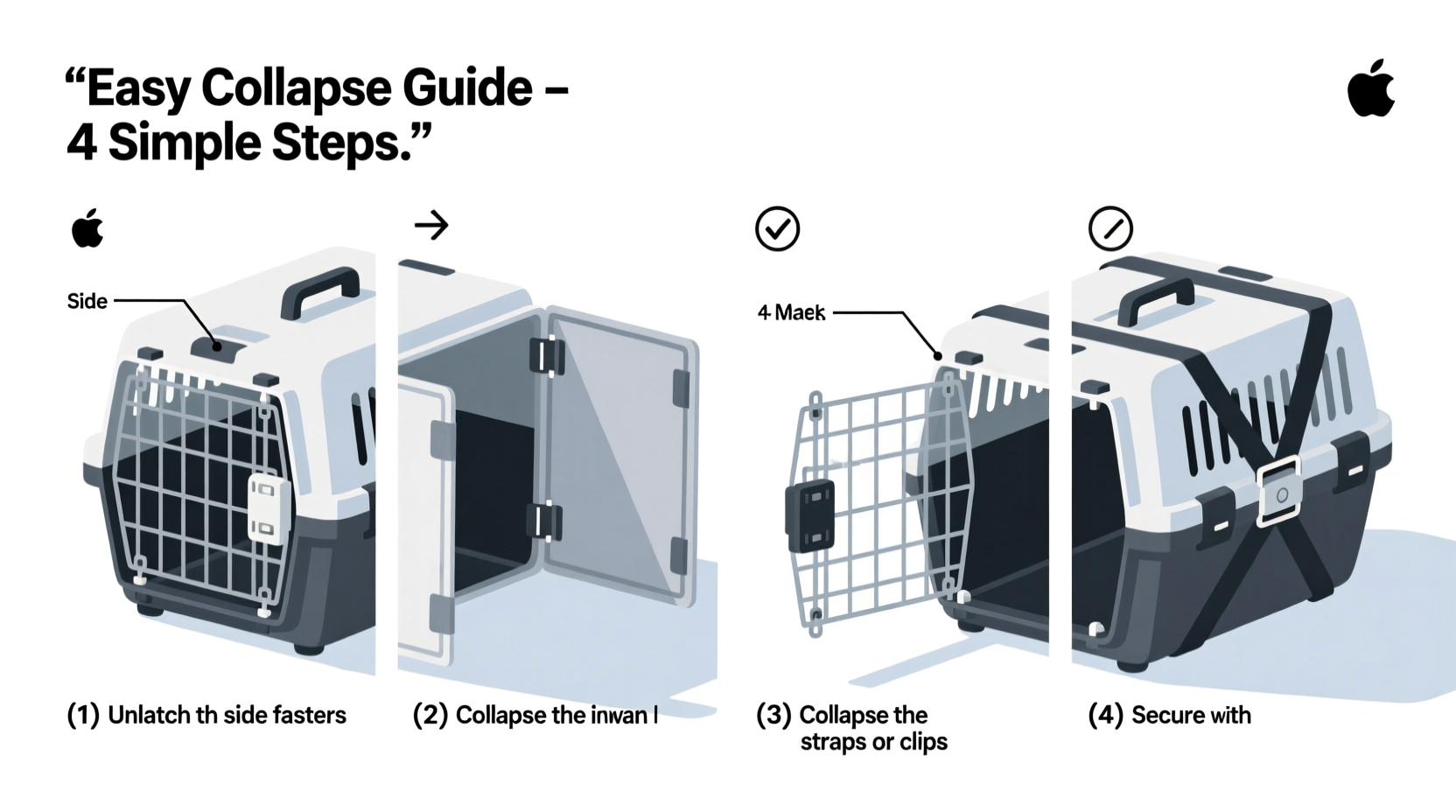
A collapsed cat crate takes up significantly less space than its full-sized form. For city dwellers, renters, or anyone with limited storage, folding it down can mean the difference between tidy organization and tripping over equipment. Beyond convenience, proper collapsing helps maintain the structural integrity of locking mechanisms, hinges, and mesh panels. Over time, leaving a crate expanded can cause wear on joints and weaken support points.
Additionally, a neatly stored crate is more likely to be ready when needed. No one wants to scramble before a vet appointment, wrestling with a stiff latch or misaligned frame. A well-maintained, easily collapsible crate ensures peace of mind and smoother transitions for both you and your cat.
Understanding Crate Types and Folding Mechanisms
Not all cat crates fold the same way. Most collapsible models fall into two main categories:
- Soft-sided crates: Made from durable fabric with flexible wire frames or rigid plastic bases. These typically fold flat using zippers, buckles, or snap buttons.
- Folding hard crates: Constructed with reinforced plastic or metal grids, these use hinge systems and spring-loaded latches to compress into compact units.
Always consult your manufacturer’s manual if available, but most follow similar principles. This guide applies broadly to popular brands like Sherpa, Petmate, AmazonBasics, and Outward Hound, which dominate the collapsible crate market.
Step-by-Step Guide to Collapsing a Cat Crate
Follow these six clear steps to safely and efficiently collapse any standard collapsible cat crate. This sequence assumes average familiarity with pet gear and no special tools required.
- Remove all accessories and bedding
Take out blankets, bowls, toys, and absorbent pads. These items can interfere with alignment and may get pinched during folding. Wash them separately if needed. - Open all doors and access points
Fully unlatch every door, side panel, or top opening. This relieves tension on the frame and allows the structure to move freely. Some crates won’t fold unless all openings are disengaged. - Locate the release mechanism(s)
Most crates have red or black tabs, levers, or push-buttons near the corners or along the top rails. Press or slide each one simultaneously—often two at a time—to unlock the frame. Listen for a soft click indicating disengagement. - Gently press inward on opposite sides
With the locks released, apply even pressure to left and right panels. The crate should begin to compress inward. If resistance occurs, double-check that all latches are open. Never force the motion. - Guide the top down toward the base
As the sides collapse, lower the upper frame gently. On some models, the roof folds first; others require lateral compression before vertical lowering. Let gravity assist—don’t slam it shut. - Secure with straps or clips (if present)
Once fully compressed, fasten any retention belts, Velcro wraps, or corner clasps. This keeps the crate stable during storage and protects moving parts from accidental unfolding.
When done correctly, the final shape should be slim—often no thicker than 6–8 inches—and rectangular, making it ideal for sliding behind furniture or stacking vertically.
Troubleshooting Common Issues
Even with careful handling, problems can arise. Here’s how to handle frequent challenges:
- Stiff latches: Apply a small amount of silicone-based lubricant (never oil) to sticky buttons or sliders. Work the mechanism back and forth gently.
- Misaligned panels: If the crate resists folding, check for bent wires or warped plastic. Straighten minor bends by hand, but discontinue use if structural compromise is visible.
- Mesh snagging: Ensure fabric isn't caught in tracks or hinges. Pull it free carefully—tears reduce ventilation and safety.
“Proper breakdown technique preserves up to 70% more lifespan in portable pet carriers. It’s not just about space—it’s about longevity.” — Dr. Lena Torres, DVM & Small Animal Transport Specialist
Storage Best Practices After Collapse
Once folded, how you store the crate affects its durability and hygiene. Follow these guidelines to keep it in prime condition.
| Do | Don’t |
|---|---|
| Store in a dry, climate-controlled area away from humidity | Leave it in damp basements or garages where mold can grow |
| Place inside a breathable cotton bag or pillowcase | Wrap in plastic—this traps moisture and encourages mildew |
| Elevate off the floor on a shelf or rack | Stack heavy items on top that could deform the frame |
| Clean with pet-safe disinfectant before long-term storage | Store with soiled bedding inside—odors attract pests |
Real-World Example: How One Owner Saved Space During a Move
Sophia, a cat owner in Seattle, lived in a studio apartment with two cats. She used separate crates for vet visits and boarding but struggled with storage. After learning the correct collapse method, she reduced each crate’s footprint by 65%. By following the step-by-step process—especially releasing all four latches before pressing—the crates folded smoothly without strain.
She now stores them vertically behind her couch, secured with stretchable cargo nets. “I used to leave them half-open under the bed,” she said. “Now they’re completely flat, protected, and ready in seconds when I need them.” Her experience highlights how a few minutes of proper setup can lead to lasting organizational benefits.
Checklist: Pre-Storage Cat Crate Routine
Use this checklist every time you prepare to collapse and store your cat crate:
- ☐ Remove all loose items (blankets, bowls, toys)
- ☐ Wipe down interior with pet-safe cleaner
- ☐ Open all doors and access panels fully
- ☐ Press all release buttons or levers
- ☐ Fold inward evenly, avoiding forced pressure
- ☐ Lower top section gently until fully compressed
- ☐ Fasten retention straps or clips
- ☐ Slide into breathable storage cover
- ☐ Store upright in dry, elevated location
Frequently Asked Questions
Can I leave my cat crate collapsed permanently?
Yes, as long as it’s clean, dry, and stored properly. Extended collapsed storage does not harm modern crates designed for folding. Just ensure the mechanism remains free of debris and inspect periodically for wear.
What if my crate won’t collapse evenly?
Uneven folding usually means one latch isn’t fully disengaged. Return all panels to the open position, recheck each release point, and try again. If the issue persists, contact the manufacturer—some models have replaceable latch kits.
Is it safe to stack multiple collapsed crates?
Only if the manufacturer specifies it. Most lightweight crates aren’t built for vertical stacking under load. If stacking, place only one above another and avoid placing heavy objects on top.
Final Thoughts: Make Storage Effortless
Collapsing a cat crate shouldn’t be a chore. With the right technique, it becomes a quick, seamless part of your pet care routine. Taking just three to five minutes to fold it down correctly extends its usability, maintains hygiene, and maximizes living space. Whether you're a frequent traveler, multi-cat household, or occasional visitor to the vet, mastering this skill brings tangible benefits.




 浙公网安备
33010002000092号
浙公网安备
33010002000092号 浙B2-20120091-4
Comments
No comments yet. Why don't you start the discussion?