
Determining when you installed a particular app might seem trivial, but it can be surprisingly useful. Whether you're auditing your digital habits, tracking subscription timelines, or simply curious about your tech history, knowing how long you’ve had an app offers insight into your usage patterns. Unlike physical items with clear purchase dates, apps often blend into the background of our digital lives—installed silently, updated automatically, and rarely reviewed until they clutter storage or drain battery life.
Unfortunately, neither iOS nor Android displays installation dates by default in a user-friendly way. However, with a few workarounds and tools, you can uncover this information across platforms. This guide breaks down practical, accessible methods for both iPhone and Android users, including hidden settings, file exploration, and smart use of account data.
Why Knowing Your App’s Age Matters
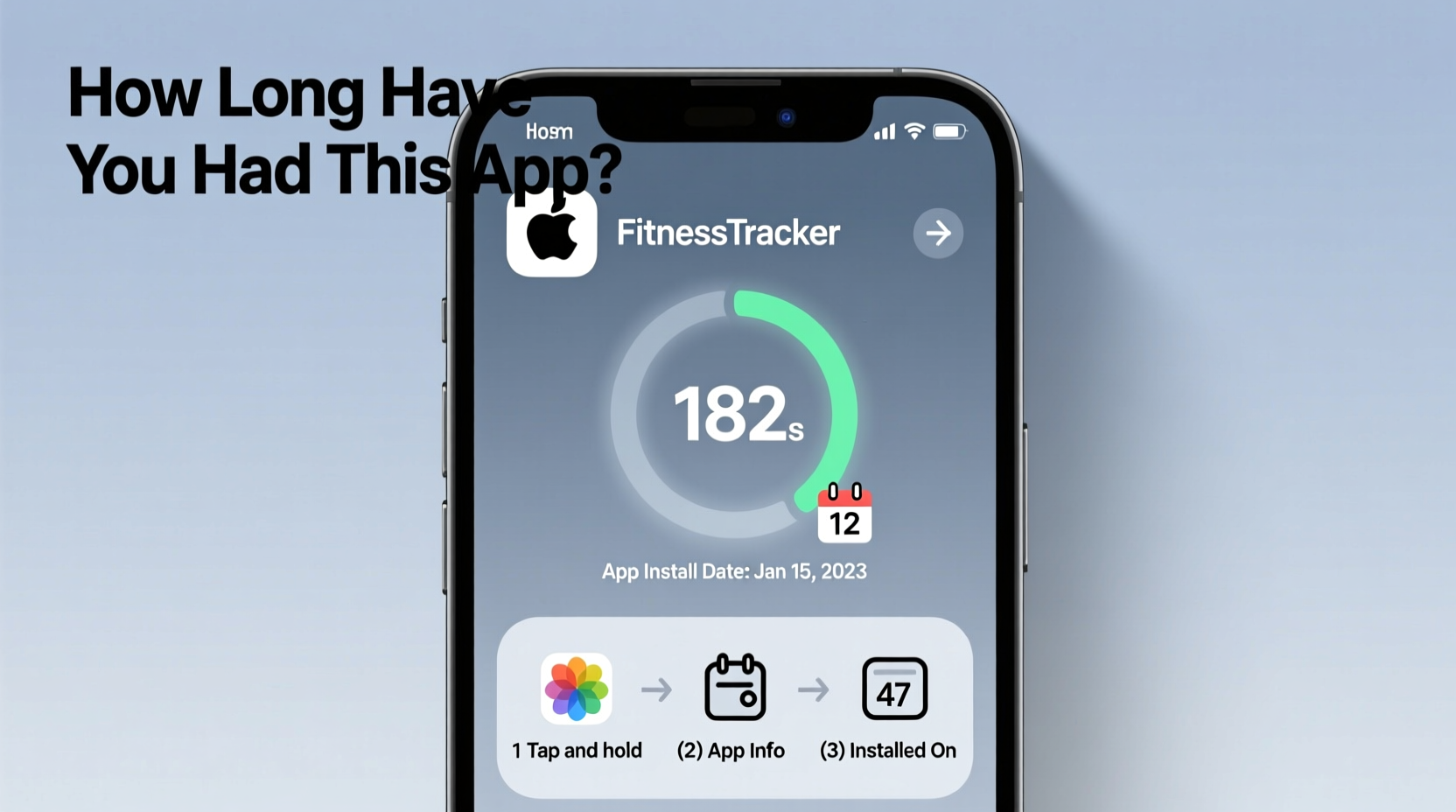
Understanding how long an app has been on your device goes beyond curiosity. It plays a role in digital wellness, security, and financial management. Long-forgotten apps may still run background processes, collect data, or charge recurring subscriptions. A 2023 report from the Pew Research Center found that the average smartphone user has over 80 apps installed, yet actively uses fewer than 40 regularly. Many of these dormant apps were installed years ago without review.
Additionally, if you’re troubleshooting performance issues or evaluating which services to cancel, knowing the installation date helps establish context. Was that fitness app downloaded during a New Year's resolution? Did the photo editor come with a limited free trial that quietly converted to a paid plan six months ago? These details matter.
“Users who periodically audit their app installations save an average of $120 per year on unused subscriptions.” — Tech Consumer Institute, 2022 Digital Spending Report
How to Check App Installation Date on iPhone (iOS)
iOS does not show app installation dates directly in Settings, but there are indirect ways to estimate when an app was added to your device.
Method 1: Use Screen Time to Estimate Usage Start
While not exact, Apple’s Screen Time feature can help infer when an app first appeared. If you’ve had Screen Time enabled since early use of the device, you can view historical app usage.
- Open Settings > Screen Time.
- Scroll down to “See All Activity” under the app categories.
- Select the app in question.
- Browse through weekly or daily reports to find the earliest recorded usage.
This method won’t give you the precise install date, but it reveals when you first began interacting with the app—often within days of installation.
Method 2: Check Purchase History in Your Apple ID
If the app wasn’t pre-installed or downloaded from another source, its purchase/download date is logged in your Apple ID account.
- Go to appleid.apple.com and sign in.
- Navigate to Purchase History.
- Search for the app by name.
- Look for the earliest entry marked “Downloaded” or “Purchased.”
Note: Free apps will still appear here with timestamps. This is one of the most reliable ways to get an exact date, especially for apps you didn’t delete and reinstall.
Checking App Age on Android Devices
Android offers slightly more transparency than iOS, depending on your device manufacturer and OS version. Some Samsung, Pixel, and stock Android devices display installation dates directly.
Method 1: View Install Date in Settings (Available on Android 8+)
- Open Settings > Apps (or “Apps & notifications”).
- Tap the app you want to check.
- Look for “Installed on” or “First installed.”
If available, this shows the exact date and time the app was first installed—even if re-downloaded after deletion. This feature is standard on most modern Android versions, though some manufacturers may hide or rename it.
Method 2: Use Google Play Store App History
The Google Play Store keeps a detailed log of all your app interactions.
- Open the Play Store app.
- Tap your profile icon in the top-right corner.
- Go to Manage apps & device.
- Select Manage > Installed, then tap any app.
- Check the “Installed” timestamp.
This date reflects the most recent installation. If you uninstalled and reinstalled the app, it won’t show the original date—only the latest. For full historical access:
- Visit play.google.com/store/account.
- Review “Order History” or “Subscription History” for download timestamps.
- Use the “Library” tab to see every app ever downloaded to your account, regardless of current status.
Alternative Methods for Both Platforms
When built-in options fall short, consider these alternative approaches.
File System Inspection (Advanced Users)
On rooted Android devices or via computer file managers (using ADB), you can inspect app directories. The folder creation timestamp often matches the installation date.
For example, navigating to /data/app/[package-name] and checking properties may reveal creation time. This method requires technical knowledge and isn’t recommended for casual users.
Third-Party Apps and Analytics Tools
Some analytics apps like AppUsage (Android) or StayFree track app installation events. While they only begin logging from the moment they’re installed, they provide future-proof tracking.
For iOS, due to system restrictions, no third-party app can access installation history. Relying on Apple’s ecosystem data remains the best option.
Cloud Backup Clues
If you use regular iCloud or Google Drive backups, the earliest backup containing the app gives a rough lower bound for installation. For instance, if your oldest iCloud backup from March 2022 includes TikTok, you know it was installed on or before that date.
| Platform | Best Method | Accuracy |
|---|---|---|
| iOS | Apple ID Purchase History | High (exact date) |
| iOS | Screen Time First Use | Medium (approximate) |
| Android | Settings > App Info | High (if supported) |
| Android | Google Play Account Page | Medium (reinstalls reset date) |
| Both | Backup Timestamp Analysis | Low-Medium (estimation) |
Mini Case Study: Recovering Lost Subscription History
Sarah, a freelance designer, noticed a $15 monthly charge from a design tool she didn’t recall using. She opened her iPhone’s Settings and saw the app but couldn’t tell how long it had been there. By visiting her Apple ID purchase history online, she discovered the app was downloaded 11 months prior during a project rush. The free trial had expired, and automatic billing kicked in. With the exact date confirmed, she canceled the subscription and requested a partial refund for unused service—saving nearly $90.
This real-world scenario highlights how installation dates empower financial control. Without access to that timeline, Sarah might have continued paying indefinitely.
Frequently Asked Questions
Can I see when I deleted and reinstalled an app?
Generally, no. Most systems only track the most recent installation. Reinstalling resets the “installed on” date. To find the original date, consult account-level records like Apple ID history or Google Play Library.
Do pre-installed apps show installation dates?
Pre-loaded apps (like Phone, Messages, or Gmail) typically don’t display installation dates because they come with the OS. However, updates are logged separately and visible in app settings.
Is there a way to export my entire app installation history?
Yes. On Android, visit Google Takeout and request your Play Store data. On iOS, export your Apple ID purchase history as a spreadsheet. Both include timestamps for downloads, purchases, and updates.
Checklist: How to Track App Lifespan Across Devices
- ✅ Check device Settings for “Installed on” (Android)
- ✅ Review Apple ID or Google account download history
- ✅ Use Screen Time or Digital Wellbeing for first-use estimates
- ✅ Examine cloud backups for earliest appearance
- ✅ Export app history annually for personal records
- ✅ Cancel unused subscriptions linked to old apps
Take Control of Your Digital Footprint
Your smartphone is more than a tool—it’s a timeline of your interests, habits, and decisions. Every app tells a story: the language course started during lockdown, the meditation app used during a stressful job transition, the game downloaded on a flight years ago and never opened again. Knowing how long you’ve had each app brings awareness to your digital environment.
Start today. Pick three apps you’re unsure about and trace their origins. You might rediscover forgotten tools worth revisiting—or identify silent subscribers draining your budget. With just a few taps, you gain clarity, control, and peace of mind.




 浙公网安备
33010002000092号
浙公网安备
33010002000092号 浙B2-20120091-4
Comments
No comments yet. Why don't you start the discussion?