
Finding your own phone number on an iPhone should be simple—but surprisingly, Apple doesn’t always make it obvious. Whether you're setting up a new device, verifying your identity on an app, or simply can’t recall your digits, knowing where to look saves time and frustration. Unlike some Android devices that display the number prominently, iPhones often rely on carrier support to populate this information, which means it may not appear immediately—or at all—depending on your service provider.
This guide walks you through multiple reliable methods to find your phone number, explains why it might not show up, and offers troubleshooting steps if your number is missing. With these techniques, you’ll never have to call your own phone from another device again.
Why Your Phone Number Might Not Be Visible
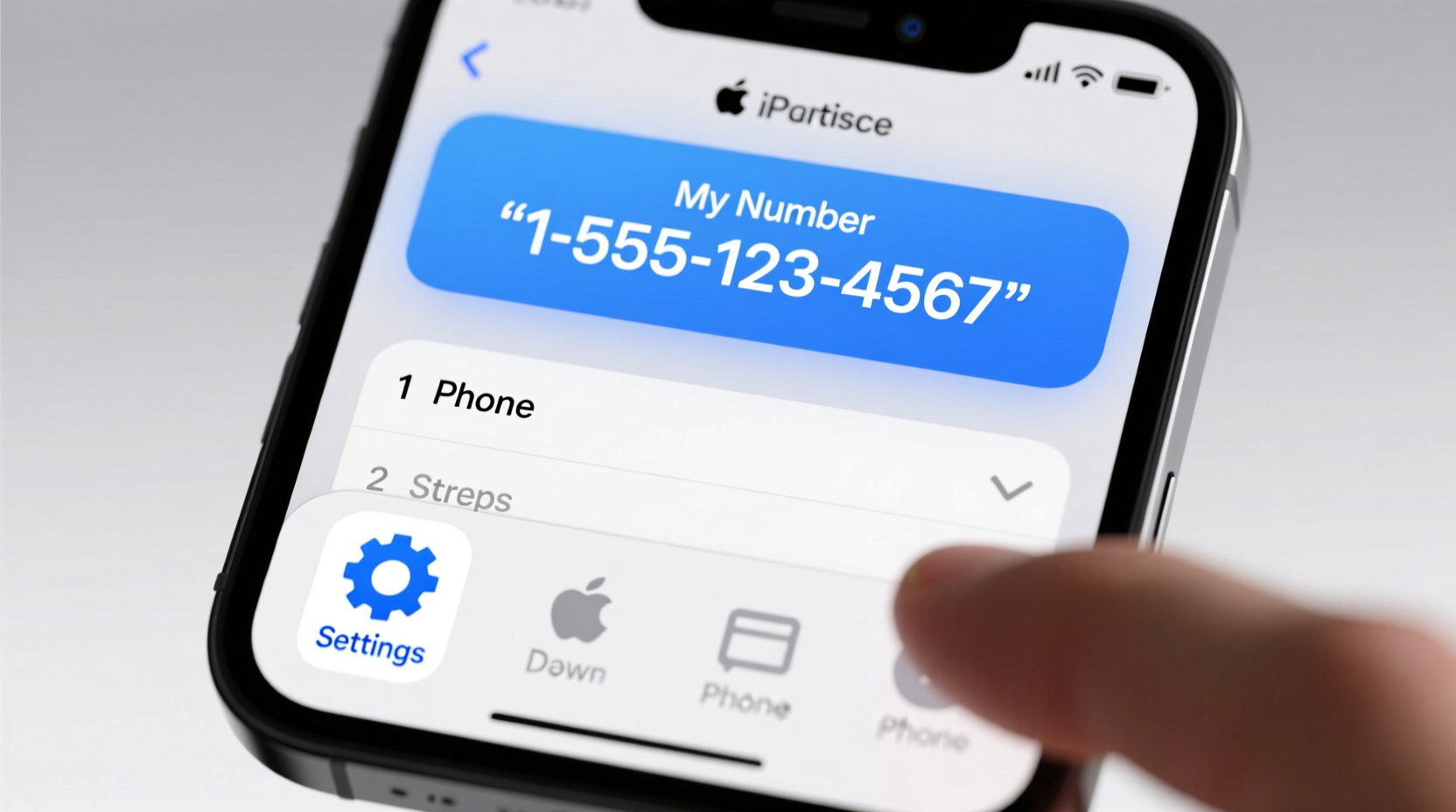
Before diving into the steps, it’s important to understand that your iPhone does not automatically detect or store your phone number in all cases. The number typically comes from your SIM card or is provided by your carrier during activation. However, not all carriers send this data reliably, especially if you’ve switched providers, used a secondhand SIM, or are on certain MVNO (Mobile Virtual Network Operator) plans.
Apple itself acknowledges this limitation. According to Apple Support, “Your phone number might not appear if your carrier hasn’t provided it to your iPhone.” This means even if you follow the correct steps, the field could remain blank—and that doesn’t mean something’s wrong with your device.
“Many users assume their number is stored locally on the phone, but it’s actually pulled from the network. If the carrier doesn’t transmit it, iOS has no way of knowing.” — Jordan Lee, Mobile Network Consultant
Step-by-Step: How to Find Your Phone Number in Settings
The most common and official way to check your number is through the iPhone’s built-in Settings app. Follow these steps:
- Open the Settings app (the gray gear icon).
- Tap your name at the top of the screen to enter your Apple ID profile section.
- Look for the heading labeled Contact Information.
- If your number is available, it will appear under Phone Number.
If you don’t see your number here, proceed to the next method.
Alternative Method: Using the Phone App
If your number isn’t showing in your Apple ID settings, try this alternative path within the Phone app:
- Open the Phone app (green icon with a white telephone).
- Tap the Keypad tab at the bottom.
- Start typing your area code followed by the first few digits of your suspected number.
- Watch the top of the keypad. If your number is registered, you’ll see “This iPhone” appear next to it as a label.
This feature uses your device’s linked identity to suggest your number as you dial. It’s particularly useful when you’re unsure of your full number but remember part of it.
Check via SIM Card Information
Another reliable location is buried in the cellular settings, where your iPhone reads data directly from the SIM card:
- Go to Settings > Cellular (or Mobile Data, depending on region).
- Tap Cellular Data Number (this may also appear as “Primary Number” or “My Number”).
- Your phone number should be displayed here—if your carrier supports it.
Note: On dual-SIM models (like iPhone 13 and later), you may see two entries—one for each line. Make sure you’re checking the correct one based on your usage.
What to Do If Your Number Doesn’t Appear
Even after following these steps, some users still see blank fields. Don’t panic—there are several reasons this happens, and just as many solutions.
Common Causes and Fixes
| Issue | Possible Cause | Solution |
|---|---|---|
| Number not showing in Settings | Carrier didn’t send number to device | Contact carrier to confirm number is active and properly assigned |
| “This iPhone” label missing in Keypad | Delayed sync or weak signal | Restart phone, toggle Airplane mode, or wait 24 hours after activation |
| Dual SIM confusion | Using eSIM without proper labeling | Label each line clearly in Settings > Cellular > Cellular Plans |
| Old SIM or recycled number | Previous user’s data lingering | Remove and reinsert SIM; update carrier settings |
Real Example: Sarah’s New iPhone Dilemma
Sarah recently upgraded to an iPhone 15 and transferred her number from her old device. When asked for her phone number during a banking app verification, she assumed she’d find it instantly in Settings. But under her Apple ID, the phone number field was blank.
She tried calling her own number from a friend’s phone—no luck, since she couldn’t answer while holding theirs. Then she remembered reading about the keypad trick. Opening the Phone app, she typed her area code and saw “This iPhone” appear beside her full number. Relief. She completed the verification and later contacted her carrier to ensure the number synced properly across all menus.
Sarah’s experience is common. Many users expect instant visibility, but a small delay or carrier inconsistency can create confusion. Knowing multiple ways to retrieve the number prevents such hiccups.
Quick Checklist: Verify Your iPhone Number in Under 5 Minutes
Use this checklist the next time you need to confirm your number:
- ✅ Open Settings > [Your Name] > Check \"Phone Number\" under Contact Info
- ✅ Go to Phone app > Keypad > Type your area code > Look for “This iPhone”
- ✅ Visit Settings > Cellular > Cellular Data Number
- ✅ Restart your iPhone if information seems outdated
- ✅ Contact your carrier if the number remains missing after 24 hours
Frequently Asked Questions
Can I see my phone number without a SIM card?
No. Without a SIM card, your iPhone cannot retrieve your cellular number. The number is tied to your carrier account and SIM identity. Wi-Fi-only functions won’t provide this information.
Why does my iPhone show someone else’s name instead of my number?
This usually happens when the previous owner didn’t fully wipe the device or if your contact card is mislabeled. Go to Settings > Contacts > My Card and assign your correct contact entry. This ensures apps display your details properly.
Does updating iOS fix missing phone number issues?
Sometimes. iOS updates often include refreshed carrier settings, which can resolve syncing problems. To check: Go to Settings > General > Software Update. Also, visit Settings > General > About—this sometimes prompts a carrier settings download.
Final Tips for Long-Term Clarity
Once you’ve successfully located your number, take one extra step: save it in your Notes app or iCloud Contacts as a personal reminder. Label it clearly—e.g., “My Primary iPhone Number”—and include the date you confirmed it. Numbers can change due to porting or plan upgrades, so periodic checks are wise.
Also, consider enabling iMessage and FaceTime with your phone number (Settings > Messages > Send & Receive). If your number appears there and is verified, it’s a strong sign the system recognizes it correctly.
“The best backup is a digital note. Even tech-savvy users forget their number under pressure. Document it once, and you’ll never scramble again.” — Mia Tran, Digital Lifestyle Coach
Conclusion
Locating your phone number on an iPhone isn’t always straightforward, but with the right steps, it’s entirely manageable. Whether through Settings, the Phone app, or direct carrier verification, multiple pathways exist to help you stay informed and prepared. Understanding why the number might not appear—and how to fix it—gives you greater control over your device and digital identity.




 浙公网安备
33010002000092号
浙公网安备
33010002000092号 浙B2-20120091-4
Comments
No comments yet. Why don't you start the discussion?