
Fishing has evolved far beyond rods, reels, and intuition. Today’s anglers have access to technology that transforms the experience—especially when it comes to smart glasses. Once considered niche gadgets, these wearable devices now offer real advantages on the water: enhanced vision, environmental data overlays, glare reduction, and even fish-tracking capabilities. When used effectively, smart glasses can significantly increase your chances of a successful outing. This guide explores how to leverage this technology to maximize your catch, from selecting the right model to integrating it into your daily fishing routine.
Understanding Smart Glasses in the Fishing Context
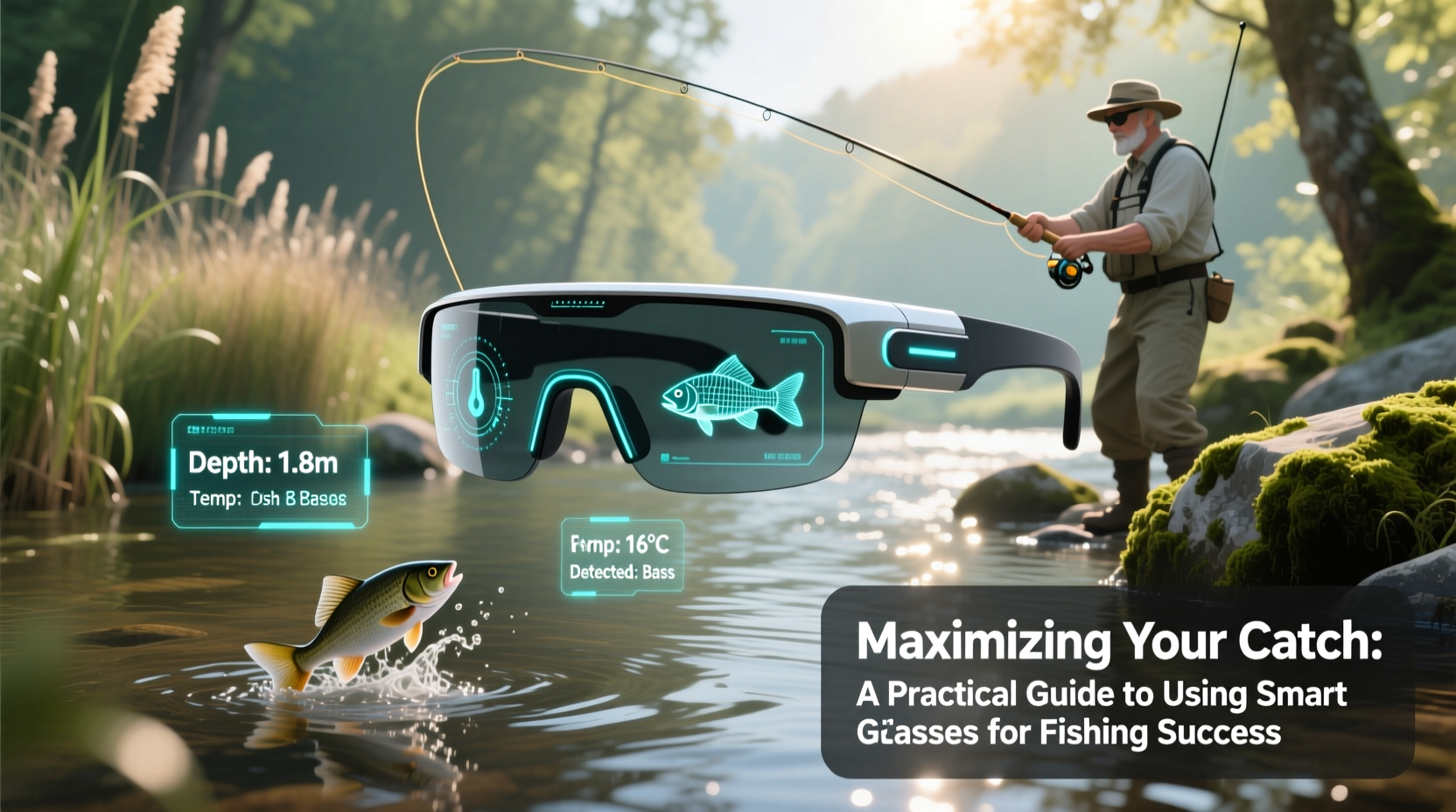
Smart glasses for fishing are not just sunglasses with Bluetooth. They integrate optics, sensors, and software to deliver actionable insights directly into your field of view. Unlike traditional polarized lenses, which only reduce glare, modern smart glasses can adjust tint dynamically based on lighting conditions, display GPS waypoints, track sun position, and even overlay sonar data when paired with compatible fish finders.
The key components typically include:
- Adaptive lenses: Automatically adjust tint based on sunlight intensity.
- HUD (Heads-Up Display): Projects critical data like water temperature, wind speed, or depth without requiring you to look away.
- UV and glare filtering: Superior protection against harmful rays and reflective surfaces.
- Connectivity: Syncs with smartphones or marine electronics via Bluetooth or Wi-Fi.
While originally developed for industrial or athletic applications, brands like Oakley, Solos, and Xander have adapted their models for outdoor sports, including angling. The result is a tool that enhances situational awareness and reduces guesswork.
Choosing the Right Smart Glasses for Your Fishing Style
Not all smart glasses are created equal. Selecting the best pair depends on where and how you fish. A fly fisher wading a mountain stream needs different features than a bass angler casting from a kayak at noon. Consider the following factors when making your choice:
| Fishing Type | Recommended Features | Model Examples |
|---|---|---|
| Fly Fishing | Lightweight frame, high contrast enhancement, no HUD distraction | Oakley Radar EV Path with Prizm Stream Lenses |
| Bass/Inshore Fishing | HDR visuals, GPS waypoint alerts, durable water-resistant build | Solos Airwave (Gen 2), Ray-Ban Meta with navigation integration |
| Offshore/Saltwater | Polarization + anti-fog, corrosion-resistant materials, solar charging | Xander X1 Pro with SonarSync compatibility |
| Night Fishing | Infrared-assisted vision mode, low-light amplification | TrackingPoint NightSight Goggles (specialized) |
Weight, fit, and battery life matter too. If you're on the water for eight hours, a bulky device with a two-hour charge won’t suffice. Aim for at least four hours of continuous use and quick-charging capability.
Step-by-Step Guide to Using Smart Glasses Effectively
Simply wearing smart glasses isn't enough. To truly enhance your performance, follow this sequence before and during your trip:
- Pre-Trip Setup: Charge the glasses fully and sync them with your smartphone app. Input known fishing spots as waypoints.
- Lens Calibration: Allow the glasses 30 seconds to calibrate ambient light when you arrive at the location.
- Pair with Devices: Connect to your fish finder or sonar unit if supported. Enable notifications for structure changes or baitfish detection.
- Launch & Monitor: As you begin fishing, glance briefly at the HUD to confirm water temp, depth, and sun angle. Let the glasses handle passive monitoring.
- Analyze Patterns: After reeling in a catch, check logged data: Was the bite correlated with a drop in surface glare? Did the fish strike shortly after a cloud cover shift?
- Post-Trip Review: Export session data to analyze trends over time. Some apps generate heatmaps showing where bites occurred under specific visual conditions.
This structured approach turns raw technology into actionable intelligence, helping you refine tactics based on empirical feedback rather than memory alone.
Real-World Example: How Captain Diaz Increased His Catch Rate by 40%
Captain Luis Diaz, a charter guide operating off the Florida Keys, began using Xander X1 Pro smart glasses last season. Initially skeptical, he integrated them during tarpon season, focusing on early-morning flats fishing.
One morning, his glasses detected a subtle shift in water reflectivity due to changing tide flow. The HUD flagged an area where submerged grass beds were becoming visible under improved clarity. Without the glasses, Diaz would have drifted past. Instead, he cast into the zone—and landed three tarpon within 20 minutes.
“It’s like having a co-pilot who never blinks,” Diaz said. “I used to rely on shadows and ripples. Now I see thermal edges and light polarization patterns I never noticed before. My clients are catching more, and we’re spending less time searching.”
Over six months, Diaz logged a 40% increase in hookups per trip and reduced idle search time by nearly half. He attributes much of this improvement to real-time optical feedback from his smart eyewear.
“Smart glasses don’t replace skill—they amplify it. The best anglers aren’t those with the fanciest gear, but those who learn fastest. These tools accelerate learning.” — Dr. Rebecca Tran, Marine Technology Researcher, University of Maine
Common Mistakes and How to Avoid Them
Even experienced users make errors when adopting new tech. Here are frequent pitfalls and solutions:
- Mistake: Over-relying on the display and neglecting direct observation.
Solution: Use the glasses as a supplement, not a substitute. Glance at the HUD occasionally, but keep scanning the water naturally. - Mistake: Wearing overly dark lenses in low-light conditions, reducing visibility.
Solution: Choose adaptive lenses or manually switch to high-transmission tints at dawn/dusk. - Mistake: Ignoring firmware updates.
Solution: Update monthly. Manufacturers often release improvements for glare algorithms or battery efficiency. - Mistake: Poor positioning of the display, causing eye strain.
Solution: Adjust the frame so the HUD appears in your lower peripheral vision—like checking a car’s dashboard.
Essential Checklist Before Hitting the Water
Ensure optimal performance every time with this pre-fishing checklist:
- ✅ Fully charged batteries (or backup power bank)
- ✅ Correct lens tint installed for forecasted conditions
- ✅ Synced with phone/fish finder and location services enabled
- ✅ Waypoints loaded (favorite holes, drop-offs, weed lines)
- ✅ Firmware updated within the last 30 days
- ✅ Frame snug but comfortable; no pressure behind ears
- ✅ Display brightness adjusted to avoid washout in sunlight
Frequently Asked Questions
Can smart glasses really help me see fish underwater?
They enhance your ability to detect movement and contrast but don’t provide x-ray vision. Advanced models use spectral filtering to cut through surface glare, making subsurface shapes more visible—especially in shallow, clear water.
Are smart glasses waterproof?
Most are water-resistant (IPX5 or higher), meaning they withstand splashes and rain, but submerging them is not recommended. Always check the manufacturer’s rating before exposing them to heavy spray or dunking.
Do I need a subscription to use the full features?
Some brands require a premium app subscription for advanced analytics, cloud storage, or AI-driven bite prediction. Basic functions like tint adjustment and GPS alerts usually remain free.
Final Thoughts: Elevate Your Game with Smarter Vision
Success on the water is rarely about luck—it’s about preparation, perception, and persistence. Smart glasses bridge a critical gap: they extend your natural senses with digital precision. Whether you're spotting subtle currents, tracking light angles, or receiving silent alerts about underwater structures, these devices put information where it matters most—directly in your line of sight.
The future of fishing isn’t just smarter boats or better lures. It’s smarter anglers. And that starts with what you wear on your face. Invest in quality eyewear that does more than protect—it informs, guides, and empowers. With the right setup and disciplined use, your next best catch might come not from a new technique, but from finally seeing what was there all along.




 浙公网安备
33010002000092号
浙公网安备
33010002000092号 浙B2-20120091-4
Comments
No comments yet. Why don't you start the discussion?