
When someone you care about becomes unreachable, withdrawn, or shows signs of emotional or physical distress, a wellness check can be a vital intervention. It’s not just about confirming their safety—it’s an act of compassion that may prevent a crisis. Yet many hesitate, unsure how to proceed without overstepping boundaries or escalating the situation. This guide outlines a clear, respectful, and effective process for arranging a wellness check, whether through law enforcement, medical professionals, or community resources.
Understanding When a Wellness Check Is Necessary
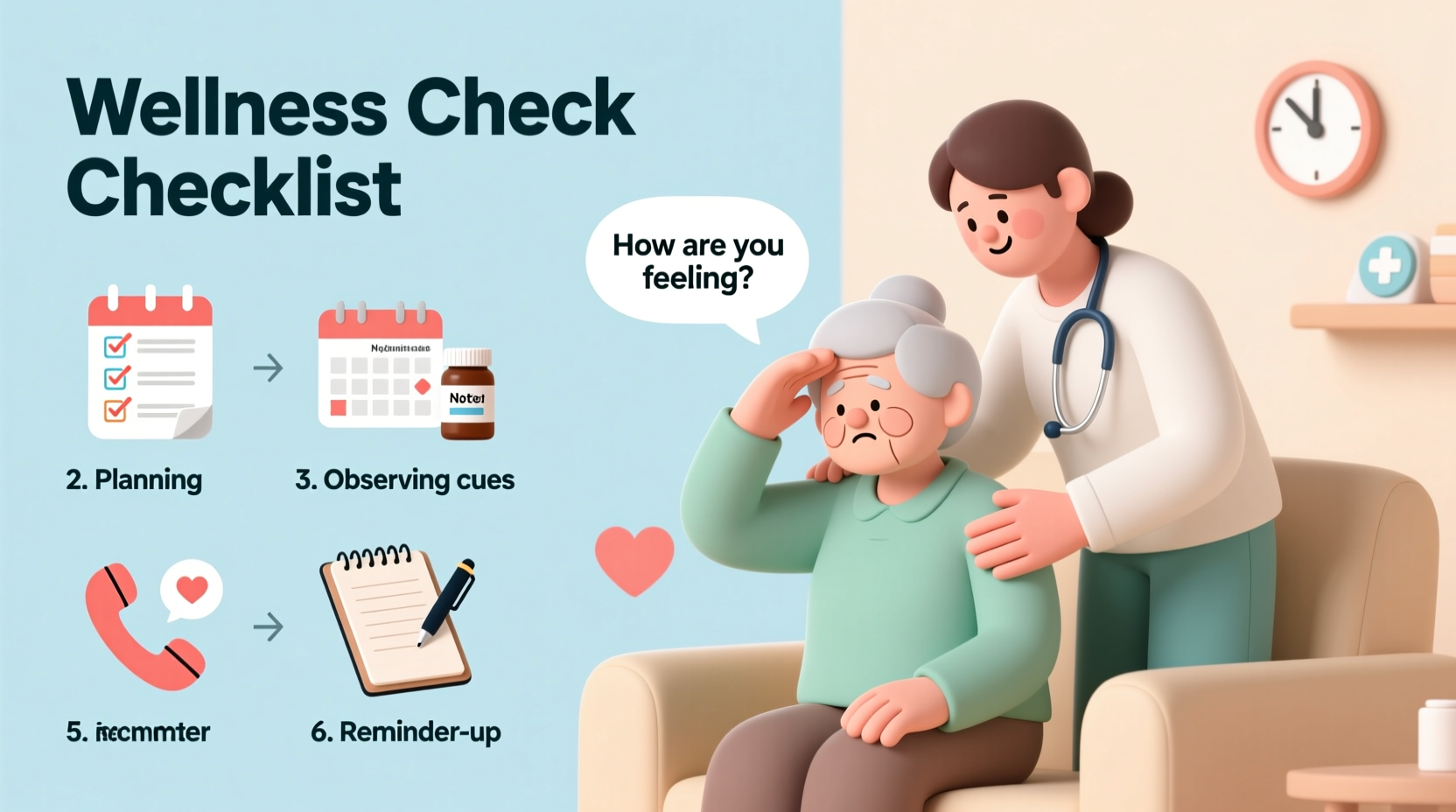
A wellness check is appropriate when there’s legitimate concern for someone’s immediate safety due to unresponsiveness, erratic behavior, recent trauma, or known mental health struggles. It’s not meant for minor disagreements or temporary silence. Signs that a wellness check may be warranted include:
- No contact for an unusual length of time (e.g., days with no response despite regular communication)
- Disturbing social media posts indicating self-harm or hopelessness
- Reports from neighbors or coworkers about strange behavior
- A known history of depression, substance use, or suicidal ideation
- Sudden changes in daily routines or missed important obligations
Step-by-Step Guide to Arranging a Wellness Check
Proceeding thoughtfully ensures both the safety of your loved one and the effectiveness of the response. Follow these steps carefully:
- Attempt Direct Contact First
Before involving authorities, try reaching out via phone, text, email, or social media. Call multiple times at different hours. If they have a trusted mutual contact, ask them to check in as well. This step respects autonomy and may resolve concerns without escalation. - Gather Relevant Information
Prepare details that responders will need: full name, address, date of birth, physical description, vehicle information (if applicable), known medical or mental health conditions, and any immediate risks (e.g., access to firearms, recent threats). - Contact Local Law Enforcement
Call your local non-emergency police line. Explain the situation calmly and clearly state why you’re concerned. Avoid making assumptions—stick to facts. Request a “wellness check” or “welfare check.” In urgent cases (e.g., suicide threat), call 911 immediately. - Follow Up with Responders
Police are not always required to disclose the outcome due to privacy laws, but they may confirm if the person was found safe. Ask for a case number and officer badge number for documentation. - Engage Medical or Mental Health Services if Needed
If the person is found in crisis, encourage—or assist with—transport to a hospital or counseling center. In some regions, mobile crisis teams can respond instead of police. These teams include mental health professionals trained in de-escalation.
Alternative Options Beyond Police Involvement
In areas where law enforcement presence may increase risk—especially for individuals with trauma, disabilities, or marginalized identities—non-police options are increasingly available:
- Mobile Crisis Units: Teams composed of paramedics, social workers, or counselors who respond to mental health emergencies.
- Community Health Workers: Trusted local figures who can conduct informal checks.
- Tel-Aide or Telehealth Services: Remote mental health support that can assess urgency and coordinate follow-up.
“Many people in crisis don’t need handcuffs—they need help. Community-based wellness responses reduce trauma and improve outcomes.” — Dr. Lena Torres, Clinical Psychologist and Public Health Advocate
Do’s and Don’ts During the Process
| Do’s | Don’ts |
|---|---|
| Stay calm and factual when speaking to authorities | Exaggerate or speculate about the person’s condition |
| Respect privacy—only share necessary information | Publicly post about the situation on social media |
| Document all calls and interactions | Assume the issue is resolved after one check |
| Offer ongoing support after the check | Blame or shame the person for needing help |
| Know local resources for follow-up care | Act alone if you feel unsafe doing so |
Real-Life Scenario: A Successful Intervention
Maria hadn’t heard from her brother, James, in six days—unusual for someone who texted daily. He lived alone and had recently lost his job. After multiple unanswered calls and a concerning Facebook post reading “I’m tired of fighting,” Maria contacted the non-emergency police line in his city. She provided his address, described his car, and mentioned his antidepressant medication.
Officers arrived within 45 minutes. They found James disoriented and dehydrated, having not eaten properly in days. He was taken to a nearby clinic, where he received treatment and was connected with a crisis counselor. Maria later learned that the timely check prevented a medical emergency. With continued support, James entered outpatient therapy and gradually regained stability.
This case highlights how prompt, informed action—even from a distance—can make a life-changing difference.
Essential Checklist for Initiating a Wellness Check
- ✅ Attempted direct contact (phone, text, social media)
- ✅ Confirmed current address and contact details
- ✅ Collected identifying information (DOB, appearance, vehicle)
- ✅ Noted any known health or mental health risks
- ✅ Identified non-police alternatives if available
- ✅ Prepared to provide information calmly and factually
- ✅ Planned follow-up steps regardless of initial outcome
Frequently Asked Questions
Can I request a wellness check anonymously?
Yes, most police departments allow anonymous requests, though providing your name adds credibility and may prioritize the call. However, anonymity does not guarantee confidentiality if legal proceedings arise later.
What happens during a wellness check?
Law enforcement or a crisis team visits the person’s residence to confirm their well-being. If no one answers, they may check windows, knock repeatedly, or speak with neighbors. If there’s evidence of danger (e.g., a note, smell of gas), they may enter under emergency protocols. The goal is assessment, not arrest.
What if the person refuses help after the check?
An adult has the right to refuse assistance unless deemed an imminent danger to themselves or others. In such cases, involuntary hold procedures (like a 5150 in California) may apply. Continue offering emotional support and connect them with low-pressure resources like hotlines or peer groups.
Conclusion: Compassion Starts with Action
Arranging a wellness check isn’t easy. It requires courage, clarity, and care. But doing nothing carries far greater risk. By understanding the process, knowing your options, and acting with empathy, you become a crucial lifeline for someone in silent struggle. Whether it’s a phone call to a neighbor, a message to a crisis line, or a report to local services, every step counts.




 浙公网安备
33010002000092号
浙公网安备
33010002000092号 浙B2-20120091-4
Comments
No comments yet. Why don't you start the discussion?