
Tornadoes can strike with little warning, leaving families in vulnerable situations—especially those who live in homes without basements. While underground shelters offer the best protection, millions of Americans reside in single-story homes, mobile homes, or apartments where basements are not an option. The absence of a basement does not mean you're defenseless. With smart planning, awareness, and access to alternative shelter strategies, you can significantly increase your chances of staying safe during a tornado.
This guide provides actionable, evidence-based steps to help you prepare for a tornado even if you don’t have a basement. From identifying the safest interior spaces in your home to building an emergency kit and understanding early warning signs, these measures can make all the difference when seconds count.
Identify Your Best Shelter Options Indoors
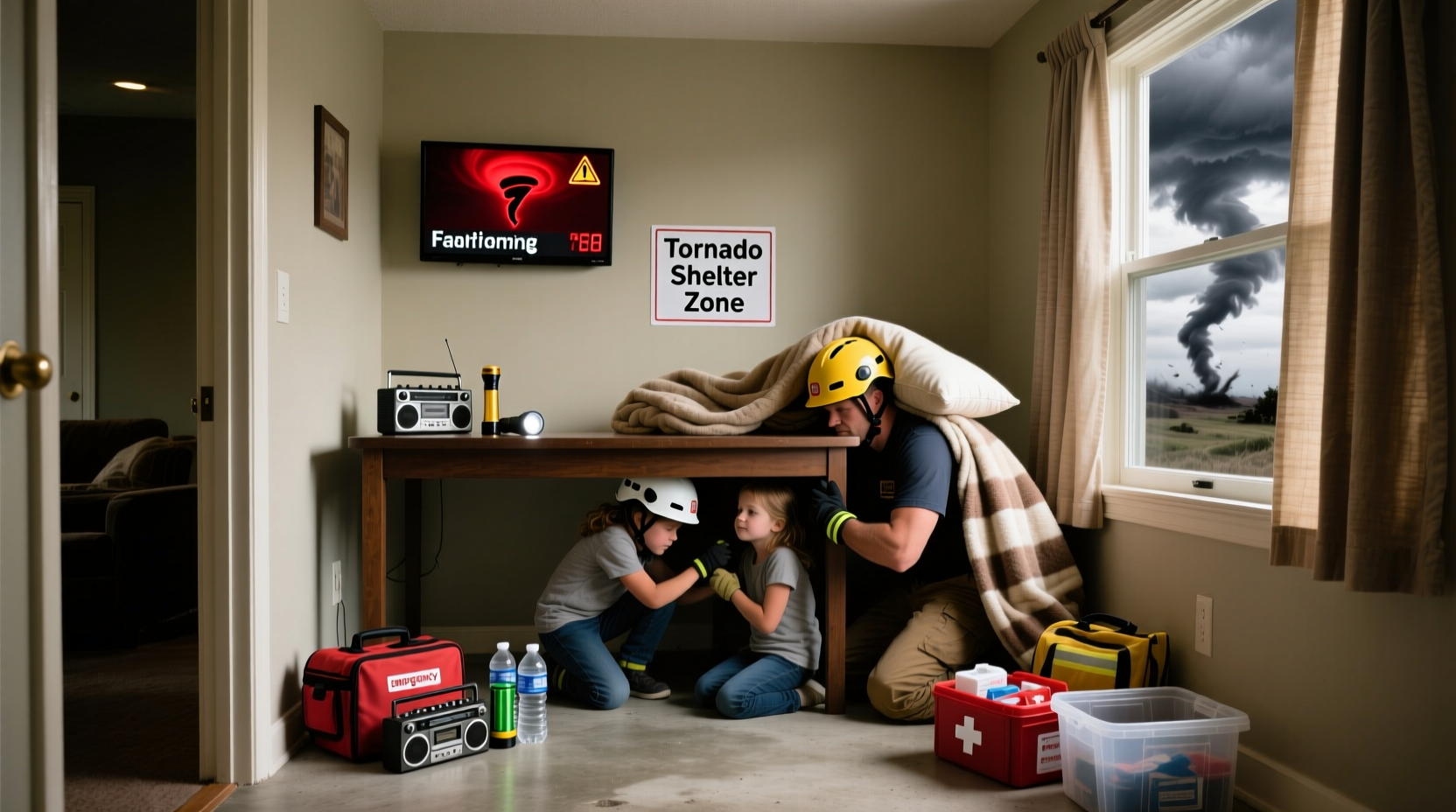
When a tornado approaches, your priority is to get to the lowest level of your home and put as many walls as possible between you and the outside. Even without a basement, certain areas inside your home offer better protection than others.
- Interior bathrooms: Small, windowless rooms with plumbing in the walls provide added structural strength. If possible, crouch in the bathtub and cover yourself with a mattress or heavy blankets.
- Closets or hallways: Interior closets or central hallways away from windows are ideal. Avoid outer walls and large open rooms like living areas or kitchens with appliances that could become projectiles.
- Bathtubs with reinforcement: In older homes, bathtubs may be anchored more securely. Use them as a last-resort shelter by covering yourself with a mattress or helmet for head protection.
Create a Tornado Emergency Kit
Having essential supplies ready before disaster strikes ensures you won’t waste time gathering items during a high-stress event. Store your kit in or near your designated shelter area.
Essential Items to Include:
- Flashlight with extra batteries
- First aid kit
- Whistle (to signal for help if trapped)
- Bottled water (one gallon per person per day, minimum three-day supply)
- Non-perishable food (energy bars, canned goods, manual can opener)
- Cell phone charger (battery-powered or hand-crank)
- Important documents in a waterproof container (IDs, insurance policies)
- Dust masks and work gloves
- Helmet (bike or sports helmet) to protect against falling debris
“Every home should have a plan and a kit. When a tornado hits, power goes out fast, and roads become impassable. Being self-reliant for at least 72 hours is critical.” — Dr. Linda Anderson, Deputy Director, National Weather Service Storm Prediction Center
Step-by-Step: How to Prepare for a Tornado Without a Basement
Preparation isn’t just about reacting when sirens sound—it’s a process that begins weeks or months in advance. Follow this timeline to ensure you’re ready when severe weather threatens.
- Week 1: Assess Your Home Layout
Walk through each room and identify the most secure interior space. Measure doors and clear pathways to ensure quick access during an emergency. - Week 2: Build Your Emergency Kit
Gather supplies gradually. Store them in a labeled, portable container near your shelter area. - Week 3: Install Reliable Alert Systems
Use a NOAA Weather Radio with battery backup. Download trusted weather apps that provide push alerts even when your phone is locked. - Week 4: Conduct a Family Drill
Simulate a tornado warning. Time how long it takes everyone to reach the shelter zone. Adjust plans based on performance. - Ongoing: Monitor Weather Patterns
Stay informed during storm season. Learn the difference between a tornado watch (conditions favorable) and a tornado warning (a tornado has been sighted or indicated by radar).
Shelter Alternatives Beyond Your Home
If your residence is particularly unsafe—such as a mobile home, apartment on an upper floor, or structure with weak foundations—consider external shelter options.
| Shelter Option | Pros | Cons |
|---|---|---|
| Community Storm Shelters | Engineered for high winds, often FEMA-approved | May be several minutes away; not always accessible during sudden storms |
| Reinforced Public Buildings (schools, libraries) | Sturdy construction, interior rooms available | Only usable if open during emergencies; check local policies |
| Underground Public Bunkers | Maximum protection from flying debris and collapse | Limited availability; primarily in Tornado Alley regions |
| Ditch or Low-Lying Area (Last Resort) | Better than being exposed in a vehicle | Risk of flooding; exposure to wind and debris |
Real Example: Surviving a Nighttime Tornado in Oklahoma
In 2021, the Thompson family lived in a one-story ranch home in Moore, Oklahoma—no basement, no storm shelter. At 2:17 a.m., their NOAA weather radio blared a tornado warning. They had practiced their plan twice that spring. Within 45 seconds, all five family members were in the master bathroom, huddled in the bathtub under a mattress they kept stored nearby.
The tornado struck less than three minutes later, destroying two sides of their house. Their roof was torn off, but the interior walls held. Because they were in the most protected part of the home and used the mattress as a shield, no one suffered serious injuries. “We didn’t panic because we knew exactly what to do,” said Sarah Thompson. “That drill saved our lives.”
Frequently Asked Questions
Can I survive a tornado in a mobile home?
Mobile homes are among the most dangerous places during a tornado due to their lightweight construction. Even with tie-downs, they offer minimal protection. The safest course is to leave the mobile home and seek shelter in a nearby permanent building or designated storm shelter before the storm arrives.
What if I’m in an apartment on the third floor?
Go to the lowest floor possible and find an interior room without windows—such as a stairwell, storage closet, or utility room. Avoid elevators. If your building has a designated tornado shelter, go there immediately. If not, choose a central hallway or restroom on the lowest level.
Do I need a helmet during a tornado?
Yes. Head injuries are common during tornadoes due to flying debris. Wearing a bicycle, football, or motorcycle helmet can significantly reduce the risk of serious injury. Keep helmets with your emergency kit if you have children or elderly household members.
Final Checklist Before Severe Weather Season
Stay proactive. Use this checklist annually—especially before peak tornado months (spring and early summer in most of the U.S.).
- ✅ Identify your safest indoor shelter spot
- ✅ Assemble or refresh your emergency kit
- ✅ Purchase and test a NOAA Weather Radio
- ✅ Teach children and pets the tornado routine
- ✅ Know the location of the nearest public storm shelter
- ✅ Secure outdoor furniture and loose objects that could become projectiles
- ✅ Review your homeowner’s or renter’s insurance coverage for wind damage
Take Action Now—Before the Sky Darkens
Waiting until a tornado watch is issued is too late to start preparing. The peace of mind that comes from knowing you and your loved ones have a clear, practiced plan is invaluable. Whether you live in Tornado Alley or an area with sporadic outbreaks, storms don’t discriminate. Your home’s lack of a basement doesn’t define your safety—it’s your preparation that matters most.




 浙公网安备
33010002000092号
浙公网安备
33010002000092号 浙B2-20120091-4
Comments
No comments yet. Why don't you start the discussion?