
Travel should be about discovery, not anxiety. Yet one of the most common stressors for frequent flyers and first-time travelers alike is the fear of luggage theft. While airlines and airports have improved security, baggage handling remains vulnerable—especially during layovers, transfers, or in high-traffic terminals. One of the simplest, most effective defenses? A secure luggage cover. More than just a protective sleeve, these covers act as both a physical barrier and a psychological deterrent against tampering and theft.
Used correctly, a luggage cover can make your bag less appealing to opportunistic thieves, protect it from damage, and help you identify your suitcase quickly on the carousel. But simply buying one isn’t enough. To maximize protection, you need to understand how to choose, apply, and combine it with other anti-theft strategies.
Why Luggage Covers Matter in Theft Prevention
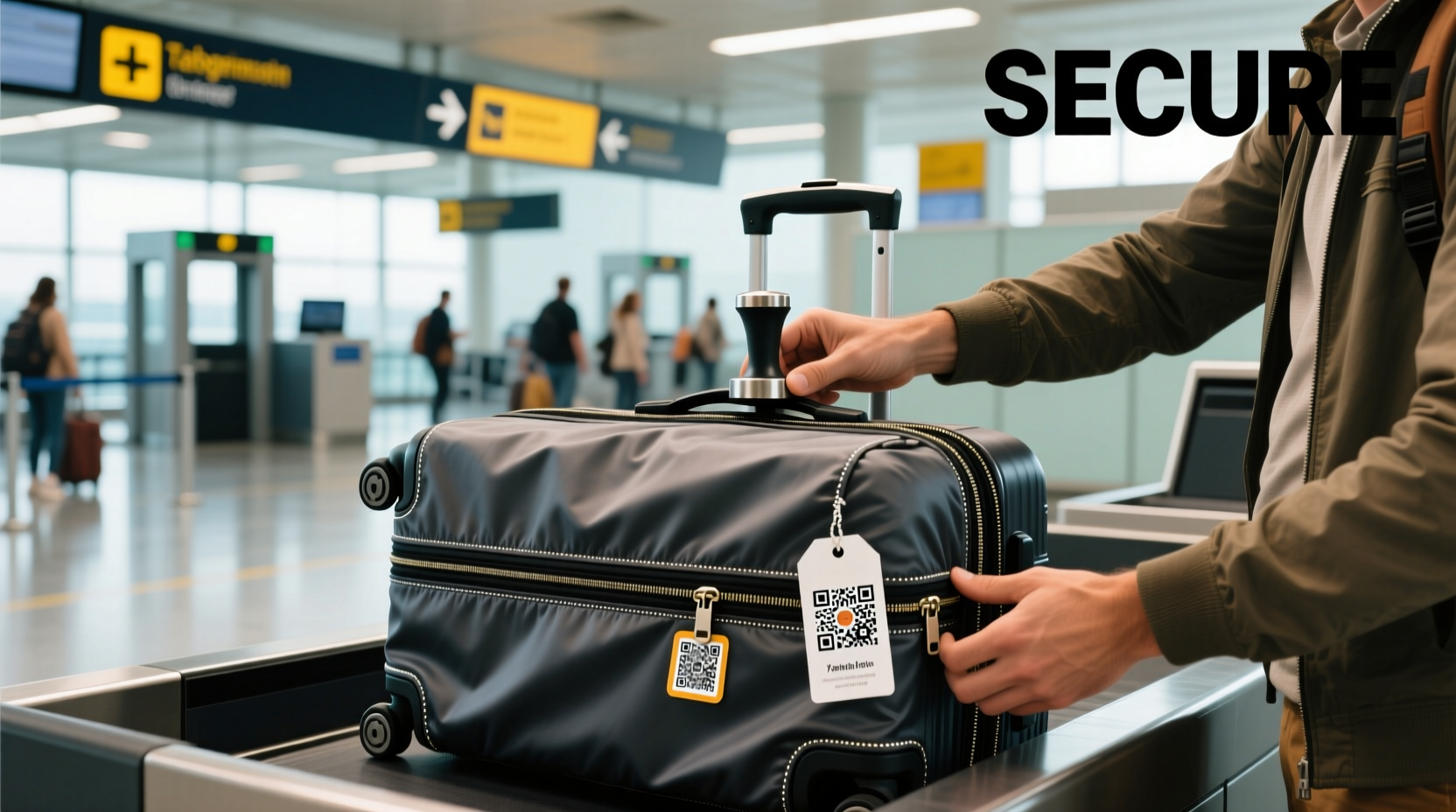
Luggage theft often happens quickly and opportunistically. Thieves target bags that are easy to open, unmarked, or look valuable. Soft-sided suitcases with exposed zippers are particularly vulnerable. A luggage cover—a tight-fitting, stretchable plastic or fabric sheath that wraps around your entire suitcase—adds a crucial layer of difficulty for anyone attempting unauthorized access.
Beyond physical protection, luggage covers serve as a visual signal: this bag is secured. Most casual thieves will bypass a covered suitcase in favor of an easier target. Additionally, many covers come in bright colors or patterns, making them instantly recognizable and harder to resell discreetly.
“Luggage covers are one of the most underused yet effective tools in personal baggage security. They don’t guarantee 100% safety, but they dramatically reduce the odds of being targeted.” — Mark Rivera, Travel Security Consultant and Former TSA Advisor
Choosing the Right Secure Luggage Cover
Not all luggage covers are created equal. Some offer minimal protection while others are engineered for durability and security. When selecting a cover, consider the following features:
- Material: High-density polyethylene (HDPE) or reinforced elastic fabric provides better resistance to slashing and tearing.
- Fit: The cover must stretch snugly over your suitcase without gaps. Loose fits can be peeled back easily.
- Lock compatibility: Look for models with built-in zipper pull loops or slits designed to accommodate small TSA-approved padlocks.
- Opacity: Opaque or tinted covers hide the contents of your bag, reducing temptation.
- Brand reputation: Trusted brands like Eagle Creek, Pacsafe, and Travalyst invest in anti-theft design and materials testing.
Step-by-Step: Applying and Securing Your Luggage Cover
Using a luggage cover effectively involves more than just slipping it on. Follow these steps to ensure maximum protection:
- Pack securely: Ensure zippers are closed and locked. Use internal compression straps to minimize shifting.
- Apply the cover: Start from the bottom of the suitcase and work upward, stretching the material evenly over corners.
- Align zipper tracks: If your cover has a seam or closure, position it over the handle recess to avoid interference.
- Secure zipper pulls: Thread a small cable lock or zip-tie through the zipper pull tabs and the cover’s designated loop (if available).
- Add identification: Attach a luggage tag with contact information—but avoid displaying full names or addresses publicly.
- Inspect before check-in: Walk around the bag to confirm no sections are loose or peeling away.
This process takes less than five minutes but significantly increases the effort required to breach your luggage.
Combining Covers with Other Anti-Theft Tactics
A luggage cover is most effective when part of a layered security strategy. Relying solely on one method creates a single point of failure. Combine your cover with these additional precautions:
| Tactic | How It Helps | Limitations |
|---|---|---|
| TSA-approved locks | Prevents casual zipper opening; recognized by airport security | Can be picked or cut by determined thieves |
| RFID-blocking luggage tags | Protects digital identity if embedded with tracking chips | Only useful if paired with GPS tracking |
| Hidden money belt (for valuables) | Keeps passport, cash, and cards off the luggage entirely | Doesn’t protect checked items |
| GPS tracking devices (e.g., Apple AirTag, Tile) | Allows real-time location monitoring of your bag | Requires smartphone and app access |
For example, using a luggage cover with a hidden AirTag inside creates both a physical and digital defense. Even if your bag is stolen, you may be able to recover it through location tracking.
Real-World Example: A Close Call in Bangkok
Sophia, a digital nomad traveling through Southeast Asia, learned the value of layered protection the hard way. After a long-haul flight from Dubai to Bangkok, she collected her suitcase only to find the zipper partially opened and several items missing—her noise-canceling headphones and a spare charger were gone. Her soft-shell carry-on had no cover, and the thief had sliced through the zipper track in seconds.
On her next trip, Sophia invested in a reinforced luggage cover with lock loops. She also placed an AirTag inside her backpack and used a combination lock on her suitcase zippers. During a layover in Kuala Lumpur, she received an alert that her bag had been moved away from the carousel. Airport staff recovered it within minutes—someone had attempted to drag it toward an exit. The cover remained intact, and nothing was stolen.
“I realized my bag was invisible before,” she said. “Now it’s obvious I’ve taken steps to protect it. That alone stopped the theft.”
Do’s and Don’ts of Using Luggage Covers
- ✅ Do choose a snug-fitting, durable cover made of HDPE or reinforced fabric.
- ✅ Do combine with a TSA lock or zip-tie for zipper security.
- ✅ Do use opaque covers to hide contents.
- ✅ Do register your luggage tag with your airline or tracking service.
- ❌ Don’t rely solely on the cover—pair it with other anti-theft measures.
- ❌ Don’t use worn or torn covers—they’re easy to peel or cut.
- ❌ Don’t attach external bags or pouches to the outside of the cover.
Frequently Asked Questions
Can airport security remove my luggage cover during screening?
Yes, TSA and other security agencies have the authority to inspect any luggage, including removing covers if necessary. However, they typically only do so if there’s a suspicious item on the scan. Most agents prefer not to damage third-party accessories unless absolutely required. Using a cover does not exempt your bag from inspection.
Are luggage covers allowed on all airlines?
Yes, luggage covers are permitted on all major airlines. However, some low-cost carriers may charge extra fees if the cover increases the bag’s dimensions beyond the allowed size. Always measure your suitcase with the cover applied to ensure compliance with size limits.
Can I reuse a luggage cover?
Most high-quality luggage covers are reusable for multiple trips. Store them in a clean, dry place and inspect for tears before each use. Avoid folding sharply—roll them instead to preserve elasticity.
Final Thoughts: Make Security a Habit, Not an Afterthought
Protecting your belongings while traveling doesn’t require expensive gadgets or complicated routines. A secure luggage cover is an affordable, lightweight tool that—when used correctly—can deter theft and give you peace of mind. But its true power lies in consistency. Just as you wouldn’t leave home without locking your front door, don’t check a bag without securing it properly.
Start today: assess your current luggage, invest in a reliable cover, and integrate it into your pre-travel checklist. Pair it with smart habits like tracking devices and proper locks, and you’ll drastically reduce your risk of becoming a victim of baggage crime. In a world where convenience often overrides caution, being proactive is your greatest advantage.




 浙公网安备
33010002000092号
浙公网安备
33010002000092号 浙B2-20120091-4
Comments
No comments yet. Why don't you start the discussion?