
A musty smell in the basement is more than just unpleasant—it’s a warning sign. That damp, earthy odor typically points to excess moisture, microbial growth, or poor ventilation. While many homeowners reach for candles, sprays, or plug-in air fresheners, these only mask the problem. They don’t fix it. In fact, covering up odors can delay detection of serious issues like mold, mildew, or water intrusion that compromise indoor air quality and structural integrity.
To truly eliminate musty basement smells, you need to address the root causes: moisture, organic material, and airflow. This guide walks through science-backed strategies to neutralize and prevent basement odors at their source. No perfumes. No gimmicks. Just effective, lasting solutions.
Understanding the Source of Musty Odors
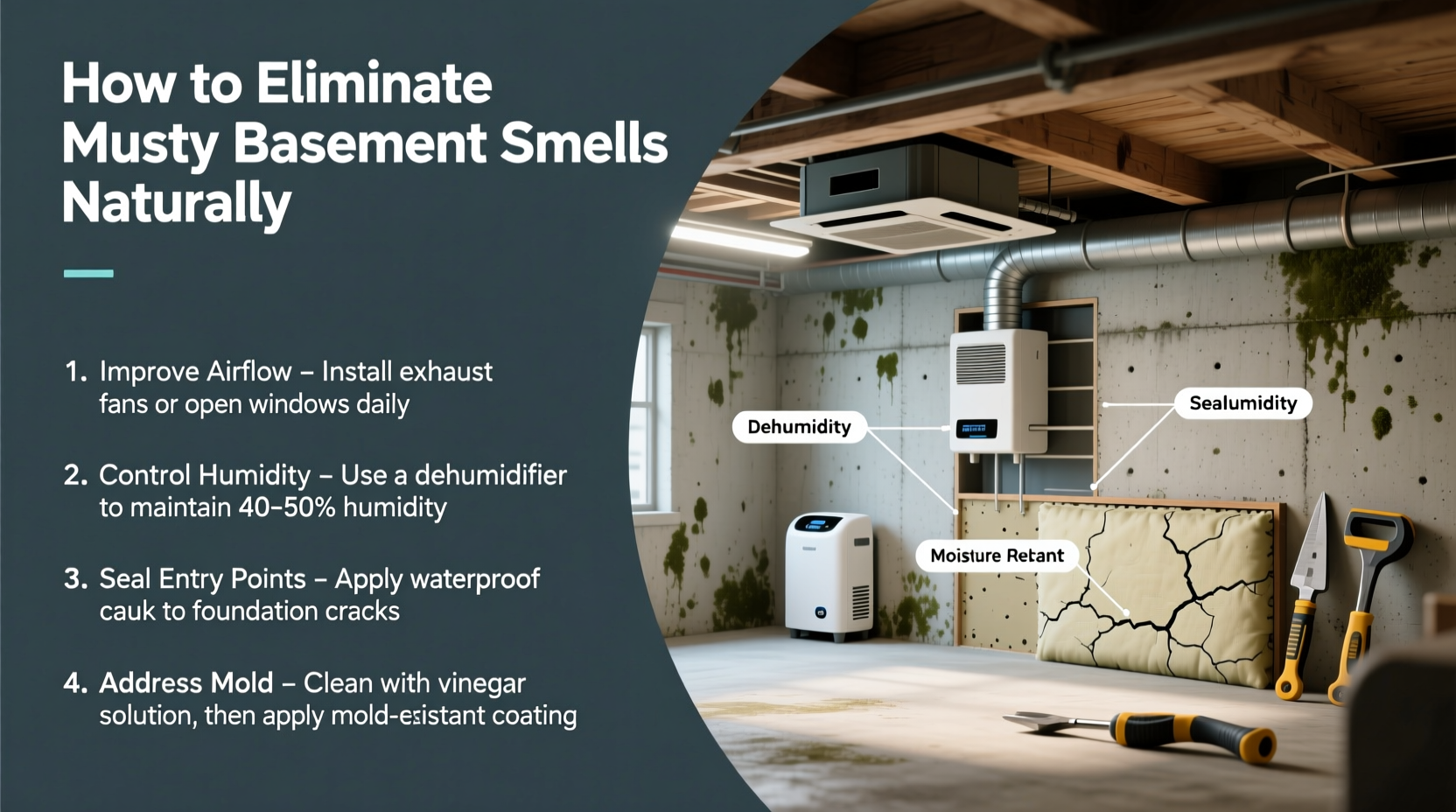
The musty smell commonly found in basements is usually caused by microbial volatile organic compounds (mVOCs) released by mold and mildew as they grow on damp surfaces. These compounds have a distinct, stale scent often described as “wet cardboard” or “old books.” Unlike surface-level dirt or pet odors, mVOCs are gaseous byproducts of biological activity, meaning they permeate the air and settle into fabrics, drywall, and insulation.
Mold doesn’t need visible colonies to produce odor. It can thrive in hidden areas such as behind walls, under flooring, or inside HVAC ducts where humidity exceeds 60%. Common contributors include:
- Condensation on cold concrete walls or pipes
- Leaking foundation cracks or window wells
- Poor drainage around the home’s perimeter
- Inadequate ventilation or stagnant air
- Flood damage or past water leaks
- Organic materials like cardboard, wood, or fabric stored in damp conditions
Until moisture is controlled and affected materials are cleaned or removed, the odor will persist—even if temporarily disguised by artificial scents.
Step-by-Step Guide to Eliminate Musty Smells
Eliminating musty odors requires a systematic approach. Follow these steps to identify, treat, and prevent the underlying causes.
- Inspect for Moisture Sources
Walk through your basement with a flashlight and check for signs of water intrusion: efflorescence (white powdery residue on concrete), damp patches, peeling paint, or warped wood. Pay close attention to corners, near sump pumps, and along exterior walls. - Measure Humidity Levels
Use a hygrometer (humidity meter) to measure relative humidity. Ideal indoor levels are between 30% and 50%. Readings above 60% create ideal conditions for mold growth. - Dry All Wet Areas
Use towels, wet vacuums, or fans to remove standing water. For persistent dampness, deploy dehumidifiers immediately. Run them continuously until humidity drops below 50%. - Clean Mold and Mildew
On non-porous surfaces (tile, glass, metal), scrub with a solution of 1 cup bleach per gallon of water or use hydrogen peroxide (3%). For porous materials like drywall or insulation with visible mold, removal and replacement may be necessary. - Remove or Treat Organic Materials
Discard cardboard boxes, old fabrics, or paper stored in damp areas. These materials absorb moisture and serve as food for mold. Replace with plastic bins. - Improve Air Circulation
Open basement windows when outdoor humidity is low. Use ceiling fans or portable fans to promote airflow. Consider installing exhaust fans or a heat recovery ventilator (HRV) for continuous air exchange. - Seal Entry Points
Caulk gaps around windows, doors, and utility penetrations. Apply waterproof sealant to foundation cracks. Install covers on window wells and ensure downspouts direct water at least 6 feet from the foundation.
Effective Moisture Control Strategies
Controlling moisture is the single most important factor in preventing musty odors. Here are proven methods to keep your basement dry year-round.
Use a High-Capacity Dehumidifier
Standard dehumidifiers may struggle in large or leak-prone basements. Invest in a unit rated for at least 50–70 pints per day, with automatic shutoff and a built-in pump for continuous drainage. Units with smart sensors maintain set humidity levels automatically.
Install a Sump Pump with Battery Backup
If groundwater is an issue, a sump pump prevents flooding by channeling water away from the foundation. A battery backup ensures operation during power outages—common during storms when flooding risk is highest.
Grade Your Yard Properly
Soil should slope away from your home at a minimum of 6 inches over 10 feet. Poor grading directs rainwater toward the foundation, increasing hydrostatic pressure and seepage risk.
Vapor Barriers and Insulation
Installing a vapor barrier (like polyethylene sheeting) over exposed dirt floors in crawl spaces reduces moisture evaporation into the basement. Pair this with proper insulation on walls and rim joists to minimize condensation.
“Mold cannot grow without moisture. You can clean every square inch, but if humidity stays above 60%, the smell will return within weeks.” — Dr. Linda Peterson, Indoor Air Quality Specialist, EPA Regional Office
Do’s and Don’ts of Basement Odor Management
| Do’s | Don’ts |
|---|---|
| Use a dehumidifier daily during humid seasons | Ignore condensation on cold water pipes |
| Store items in sealed plastic containers | Leave cardboard boxes on concrete floors |
| Ventilate the basement regularly | Run a clothes dryer without outside exhaust |
| Check and clean HVAC drip pans quarterly | Use bleach on porous materials like carpet or drywall |
| Inspect gutters and downspouts twice a year | Assume no visible mold means no problem |
Real-World Example: The Johnson Family Basement
The Johnsons lived in a 1950s split-level home in Ohio, where basements are prone to dampness due to high water tables. Every spring, they noticed a strong musty smell returning despite using air fresheners and cleaning the floor. Over time, family members reported more frequent allergy symptoms—runny noses, coughing, and fatigue.
After consulting a home inspector, they discovered two key issues: a clogged downspout dumping water next to the foundation, and a failing sump pump that allowed minor flooding after heavy rains. Additionally, the basement was storing decades of memorabilia in cardboard boxes stacked directly on the concrete floor.
They took the following actions:
- Repaired the gutter system and extended downspouts
- Installed a new sump pump with battery backup
- Added a 70-pint dehumidifier with automatic drain
- Transferred all stored items into labeled plastic bins
- Sealed visible cracks in the foundation with hydraulic cement
- Painted interior walls with mold-resistant masonry paint
Within three weeks, the musty smell disappeared. Humidity readings stabilized at 48%. More importantly, allergy symptoms among family members decreased significantly. Two years later, the basement remains dry and odor-free.
Long-Term Prevention Checklist
Preventing recurrence requires ongoing maintenance. Use this checklist monthly or seasonally:
- ✅ Check dehumidifier function and empty or drain as needed
- ✅ Inspect basement walls and floor for new stains or dampness
- ✅ Clean or replace HVAC filters and inspect ductwork
- ✅ Clear debris from window wells and gutters
- ✅ Test sump pump by pouring water into the pit
- ✅ Monitor indoor humidity with a calibrated hygrometer
- ✅ Rotate and inspect stored items for early signs of mold
- ✅ Ensure exhaust fans in bathrooms and laundry rooms vent outdoors
Frequently Asked Questions
Can I use baking soda or vinegar to eliminate musty smells?
Baking soda can help absorb odors when placed in open containers, but it won’t stop mold growth. Vinegar (white distilled) kills about 82% of mold species on non-porous surfaces, making it a safer alternative to bleach for small areas. However, neither replaces moisture control. They are supplementary tools, not primary solutions.
How long does it take to get rid of a musty smell?
With active drying and cleaning, noticeable improvement occurs within 24–72 hours. Complete elimination may take 1–3 weeks, depending on the extent of moisture and contamination. Persistent odors after two weeks suggest hidden mold or unresolved water sources requiring professional inspection.
Is a musty basement dangerous to health?
Yes. Prolonged exposure to mold spores and mVOCs can trigger respiratory issues, allergic reactions, and exacerbate asthma. Certain molds, like *Stachybotrys chartarum* (black mold), produce mycotoxins linked to more severe health effects. The CDC recommends addressing mold problems promptly, especially in homes with children, elderly individuals, or immunocompromised residents.
Sustainable Solutions Over Temporary Fixes
Air fresheners, incense, and scented candles may provide short-term relief, but they introduce additional chemicals into your indoor environment. Some contain phthalates or volatile organic compounds (VOCs) that can worsen air quality. Instead of masking odors, focus on creating a dry, well-ventilated basement that naturally resists microbial growth.
Natural odor absorbers like activated charcoal, zeolite minerals, or diatomaceous earth can support long-term freshness when used alongside moisture control. These materials trap airborne particles and gases without releasing fragrance. Place them in mesh bags near problem areas and recharge them in sunlight every few weeks.
For deeper air purification, consider a HEPA air purifier with a carbon filter. These units capture mold spores and neutralize odors chemically, reducing both allergens and smells. Choose models designed for basement environments—moisture-resistant and capable of handling large spaces.
Conclusion: Take Action for a Healthier Home
Musty basement smells aren’t inevitable. They’re signals that your home needs attention. By identifying and eliminating moisture sources, improving airflow, and removing contaminated materials, you can permanently resolve the issue without relying on artificial fragrances.
The benefits go beyond odor removal: improved indoor air quality, reduced allergy triggers, increased property value, and peace of mind. Whether you’re dealing with seasonal dampness or chronic water issues, the steps outlined here offer a clear path forward.




 浙公网安备
33010002000092号
浙公网安备
33010002000092号 浙B2-20120091-4
Comments
No comments yet. Why don't you start the discussion?