
A thin suit jacket is one of the most versatile pieces in a modern wardrobe. Lightweight, breathable, and tailored for movement, it bridges the gap between formal and casual with ease. But its true potential emerges when you master the art of layering. Done right, layering elevates your look from basic to refined—adding depth, texture, and adaptability without sacrificing comfort. Whether facing fluctuating temperatures or transitioning from desk to dinner, understanding how to build smart, cohesive layers ensures you stay sharp and composed.
The Foundation: Choosing the Right Thin Suit Jacket
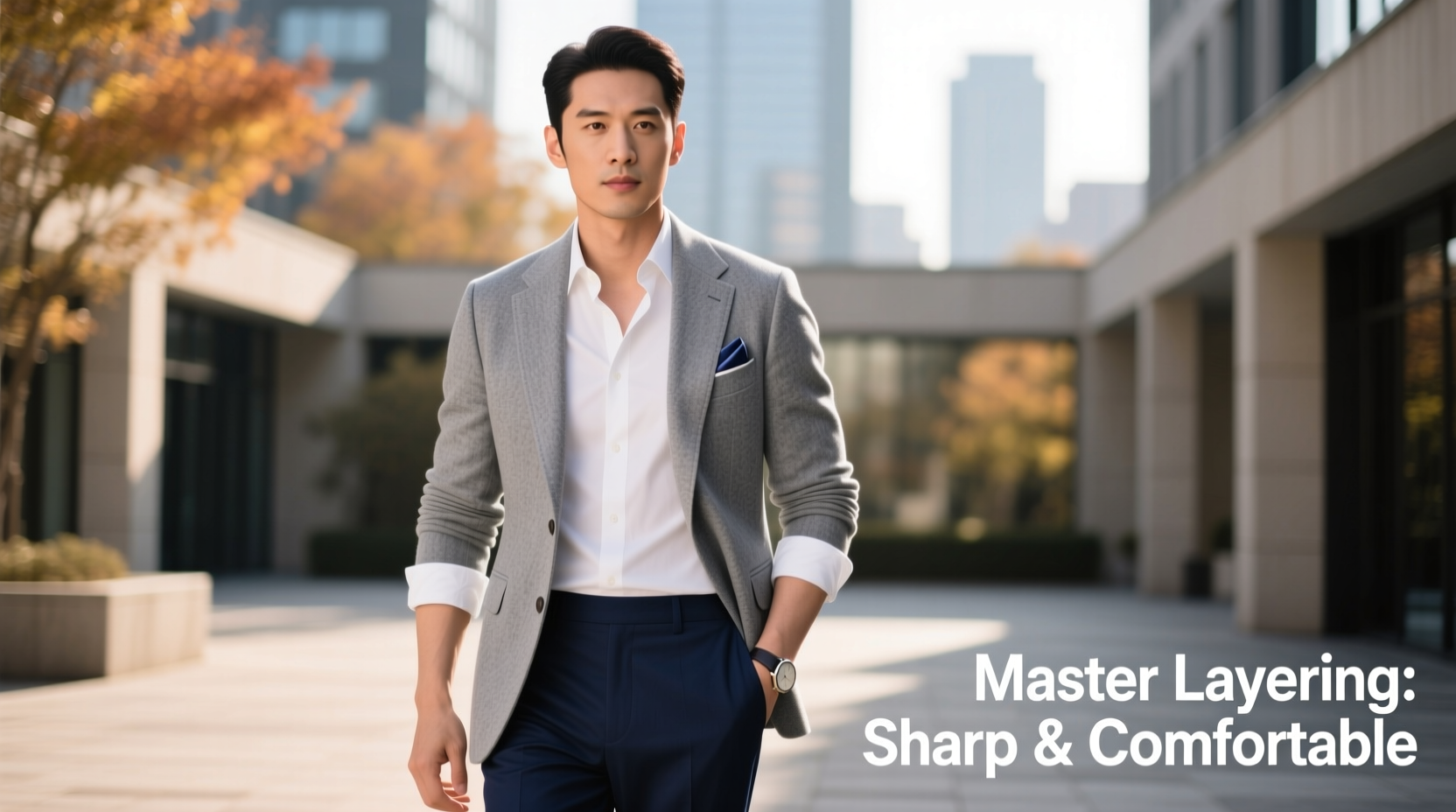
Before layering begins, the base matters. A well-chosen thin suit jacket sets the tone for everything else. Look for natural fabrics like wool blends, linen, or cotton-twill that drape cleanly and allow breathability. Avoid overly stiff materials or synthetic-heavy weaves—they resist layering and trap heat.
Fits should be tailored but not restrictive. Shoulder seams should align with your natural shoulder line, sleeves should end at the wrist bone, and the jacket should close comfortably without pulling. This precision allows room for additional garments underneath without compromising silhouette.
Layering Principles for Comfort and Style
Effective layering isn’t about piling on clothes—it’s about strategic construction. Each layer should serve a purpose: temperature regulation, visual interest, or functional versatility. The goal is balance: warmth without overheating, style without stiffness.
Start with the innermost layer—your base—and work outward. Think of layering like an onion: each ring adds protection and personality, but only if proportionally sized. Overloading any single layer disrupts the harmony.
1. Base Layer: The Invisible Anchor
Your base layer—typically a shirt or tee—should be slim-fitting and made from moisture-wicking fabric. Cotton, merino wool, or performance blends work best. A crisp dress shirt offers polish; a fine-gauge turtleneck adds warmth and sophistication in cooler settings.
Avoid thick knits or baggy tees—they create bulk under the jacket and distort the tailored lines meant to flatter your frame.
2. Mid-Layer: Function Meets Form
This is where creativity meets practicality. A mid-layer could be a lightweight sweater, cardigan, vest, or even a denim shirt. The key is proportion. Choose pieces that fit snugly but don’t compress against the jacket lining.
- Crewneck sweaters: Ideal for cool days—choose fine merino for minimal bulk.
- Shawl-collar vests: Add elegance without restricting arm movement.
- Unbuttoned overshirts: Work well as transitional layers, especially in earthy tones or subtle checks.
“Layering isn’t just about warmth—it’s about narrative. Each piece tells part of your story.” — Julian Park, Menswear Stylist & Creative Director
Do’s and Don’ts of Layering with Thin Suit Jackets
| Do | Don’t |
|---|---|
| Choose slim-fit base layers in breathable fabrics | Wear bulky hoodies or oversized sweatshirts underneath |
| Use complementary textures (e.g., wool jacket + cotton shirt) | Mix too many patterns—stick to one dominant print |
| Roll sleeves to reveal layered cuffs for visual interest | Button all buttons when wearing thick mid-layers—leave top undone |
| Match color families (navy, gray, beige) for cohesion | Wear dark layers under light jackets—creates visible silhouettes |
Real-World Example: The Office-to-Dinner Transition
Consider Marcus, a marketing consultant based in Chicago. His weekday routine starts at 8 a.m. in a temperature-controlled office, then shifts to client dinners in drafty downtown restaurants. His solution? A navy thin suit jacket layered over a light gray merino turtleneck, paired with charcoal trousers.
During the day, he wears a white dress shirt beneath the turtleneck for formality. As meetings wrap up, he removes the shirt, leaving the sleek turtleneck visible—warm enough for evening air, polished enough for upscale venues. The jacket remains, maintaining continuity. No outfit change needed. Just intelligent layering.
This approach saves time, reduces luggage needs, and keeps him looking intentional at every stage.
Step-by-Step Guide to Building Your Layered Look
- Assess the environment: Will you move between indoor and outdoor spaces? Is heating inconsistent?
- Select your base: Choose a breathable, fitted shirt or tee in neutral or coordinating tone.
- Add a functional mid-layer: Decide between a sweater, vest, or overshirt based on expected temperature.
- Try before you tie: Put on all layers and button the jacket. Check for strain, bulging, or restricted movement.
- Adjust sleeve lengths: Ensure the base layer extends slightly beyond the mid-layer, and the mid-layer extends beyond the jacket sleeve for clean reveals.
- Accessories matter: Use a slim tie, pocket square, or minimalist watch to elevate the look without adding physical layers.
Checklist: Perfecting Your Layered Suit Jacket Outfit
- ✅ Jacket fits well with room for one additional layer
- ✅ Base layer is smooth, non-bulky, and wrinkle-resistant
- ✅ Mid-layer complements without overwhelming
- ✅ Colors are harmonized across all pieces
- ✅ Sleeve lengths are staggered for visual clarity
- ✅ You can move arms freely and sit comfortably
- ✅ Outfit transitions well across environments
Frequently Asked Questions
Can I wear a hoodie under a thin suit jacket?
Only if it’s a slim, zip-up hoodie in a neutral color like black, gray, or navy. Even then, it leans into streetwear aesthetics. For professional settings, avoid hoodies. In casual contexts, ensure the hoodie is tight-fitting and worn under an open jacket for balance.
How do I avoid looking boxy when layering?
Stick to slim cuts and consistent proportions. If your jacket has a trim fit, your layers should follow suit. Avoid boxy tees or thick knits. Also, maintain a clear waistline—tuck shirts properly and avoid letting layers hang loosely.
Is layering possible in summer?
Absolutely—but adjust materials. Swap wool for linen or cotton. Use short-sleeve polos or ultra-thin tees as base layers. The jacket itself may be the only layer, but pairing it with well-chosen accessories (like a silk scarf in cooler AC environments) counts as subtle layering.
Conclusion: Elevate Your Everyday Style Through Smart Layering
Mastering layering with a thin suit jacket isn’t about following rigid rules—it’s about building confidence through thoughtful choices. With the right foundation, attention to proportion, and a few tested combinations, you can navigate changing climates and social settings with effortless poise. The most stylish men aren’t those with the most clothes, but those who know how to combine them with intention.




 浙公网安备
33010002000092号
浙公网安备
33010002000092号 浙B2-20120091-4
Comments
No comments yet. Why don't you start the discussion?