
In an age where digital connectivity shapes our daily lives, the ability to locate someone via their mobile phone has become both technically simple and ethically complex. While technology offers tools for real-time location sharing, misuse can lead to serious breaches of privacy and trust. This guide focuses exclusively on ethical, consensual, and lawful methods of tracking a person’s location—emphasizing transparency, mutual agreement, and respect for personal boundaries.
Understanding Ethical Location Tracking
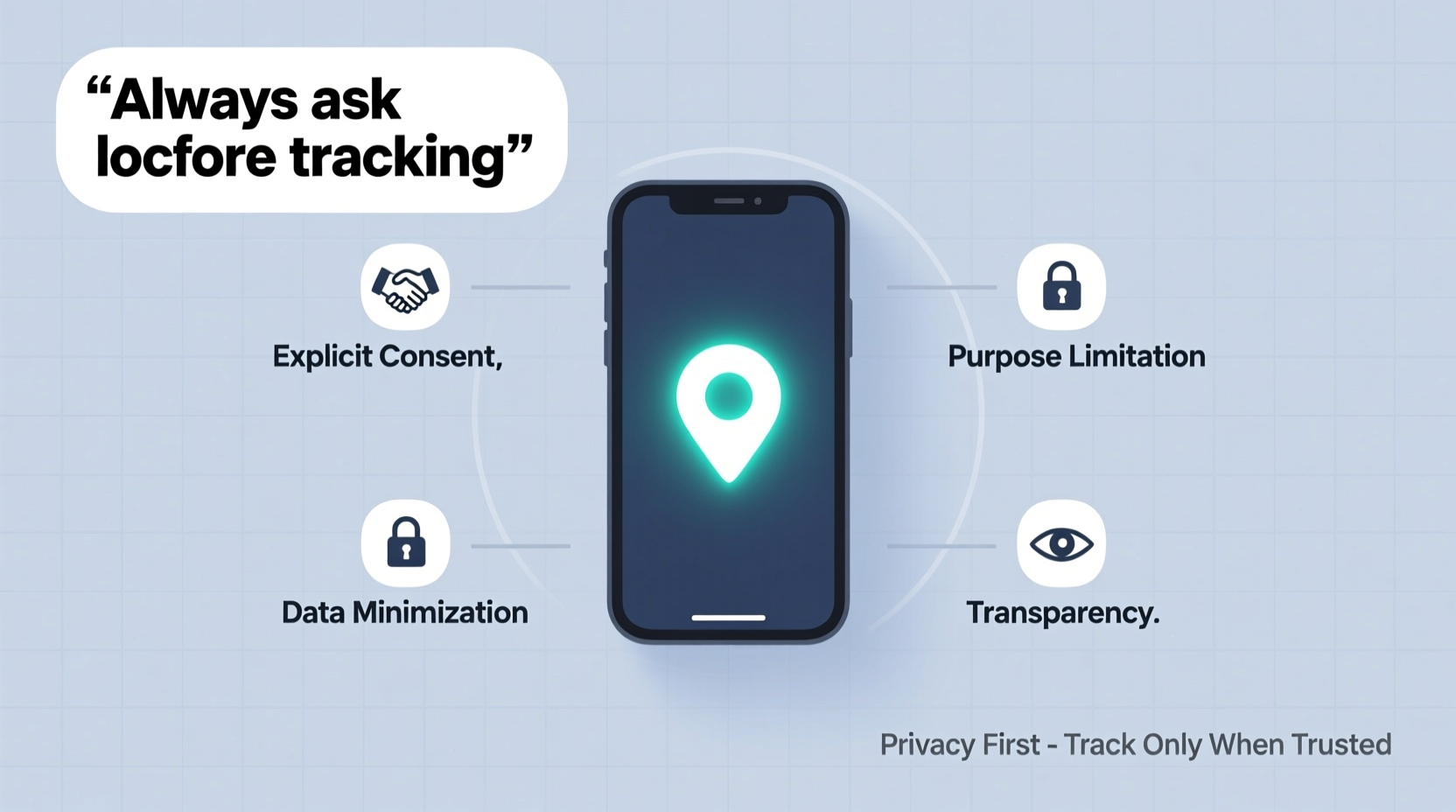
Ethical location tracking is defined by informed consent, clear purpose, and ongoing transparency. It is not about surveillance or control but about safety, coordination, and care. Whether you're a parent monitoring a child’s commute, a caregiver checking on an elderly relative, or partners sharing locations during travel, the foundation must always be permission.
Unauthorized tracking—even with good intentions—violates privacy laws in many jurisdictions and erodes interpersonal trust. The key distinction lies in whether the individual being tracked knows they are being monitored and has explicitly agreed to it.
“Location data is among the most sensitive personal information we generate. Ethical use requires not just legal compliance, but emotional intelligence and respect.” — Dr. Lena Torres, Digital Ethics Researcher, Stanford University
When Is It Appropriate to Track Someone’s Location?
There are legitimate scenarios where location tracking serves a protective or practical function:
- Parental supervision: Monitoring minors during school commutes or extracurricular activities.
- Caregiving: Ensuring the safety of individuals with dementia or cognitive impairments.
- Emergency preparedness: Sharing real-time locations during natural disasters or outdoor adventures.
- Travel coordination: Meeting up in unfamiliar cities or navigating public transport delays.
- Digital well-being: Mutual check-ins between partners or friends during late-night outings.
In all cases, the tracking should be time-bound, purpose-specific, and reversible. The person being tracked must have the right to pause or terminate access at any time.
Step-by-Step Guide to Ethical Location Sharing
Follow this structured process to ensure that location tracking remains respectful and effective:
- Initiate an open conversation: Discuss why you want to share or access location data. Be honest about your motivations—whether safety, peace of mind, or logistical planning.
- Obtain explicit consent: Use clear language. For example: “Would you be comfortable sharing your location with me for the next two hours while you hike?”
- Choose a transparent platform: Use widely recognized apps that notify users when sharing is active (e.g., Apple Find My, Google Maps, Life360).
- Set time limits: Avoid indefinite tracking. Use temporary sharing features that expire automatically.
- Respect boundaries: If the person pauses sharing, do not pressure them to resume. Accept their decision without judgment.
- Review regularly: Reassess the need for tracking periodically, especially in ongoing arrangements like family monitoring.
Best Tools for Consensual Location Sharing
Several mainstream platforms support secure, user-controlled location sharing. These tools are designed with privacy safeguards and require active participation from both parties.
| App/Service | Platform | Sharing Duration Options | Privacy Features |
|---|---|---|---|
| Apple Find My | iOS only | 1 hour, until end of day, indefinitely (user-controlled) | End-to-end encryption; visible icon in status bar when sharing |
| Google Maps Location Sharing | Android & iOS | 15 minutes to 24 hours, or custom duration | User receives notifications; sharing stops automatically after set time |
| Life360 (Free & Premium) | Android & iOS | Continuous or scheduled | Circle-based sharing; driving reports; crash detection (opt-in) |
| WhatsApp Live Location | Android & iOS | 15 minutes, 1 hour, 8 hours | Real-time updates visible only within chat; ends automatically |
These tools are preferable over third-party spyware or hidden tracking apps, which often violate app store policies and local laws.
Mini Case Study: A Family’s Approach to Teen Safety
The Rivera family implemented location sharing when their daughter, Sofia, began commuting to high school via public transit. At 15, she wanted independence but understood her parents’ concerns about late-night bus rides.
They agreed on a rule: Sofia would activate location sharing in WhatsApp with her mom every evening from 4 PM to 6 PM. She could disable it anytime, and her parents promised not to check unless she was more than 30 minutes late. After six months, the routine became seamless. “It gave us peace of mind without making her feel watched,” said Mr. Rivera. “She even started doing it automatically.”
This case illustrates how structure, trust, and limited scope make ethical tracking sustainable.
Common Pitfalls and What to Avoid
Even with good intentions, mistakes can undermine trust and legality. Below is a summary of critical don’ts:
| Do | Don't |
|---|---|
| Ask before enabling tracking | Install tracking software without knowledge |
| Use built-in, transparent apps | Rely on hidden GPS trackers or stalkerware |
| Set automatic expiration times | Maintain permanent access |
| Discuss usage during calm moments | Bring it up during arguments or as punishment |
| Allow opt-outs without consequences | Punish or guilt-trip someone for stopping sharing |
Legal and Emotional Considerations
In many countries—including the U.S., UK, Canada, and EU member states—tracking someone without consent can constitute a criminal offense under electronic surveillance or harassment laws. Even in familial contexts, courts increasingly recognize minors’ rights to digital privacy as they approach adulthood.
Emotionally, unsanctioned tracking can damage relationships. Being monitored without consent often triggers feelings of betrayal, anxiety, and reduced autonomy. In romantic relationships, it may signal controlling behavior and escalate into digital abuse.
Conversely, when done right, location sharing can strengthen bonds. It becomes a gesture of care rather than suspicion—a digital extension of saying, “I’m here if you need me.”
FAQ
Can I legally track my child’s phone?
Yes, for minors, parents generally have legal authority to monitor devices they own or pay for. However, experts recommend discussing this with the child and adjusting oversight as they grow older to foster trust and responsibility.
What if someone refuses to share their location?
Respect their decision. Pushing further can harm the relationship and raise red flags about control. Instead, talk about the underlying concern—such as safety—and find alternative ways to address it.
Are there apps that track phones secretly?
While such apps exist, using them without consent is illegal in most jurisdictions and violates ethical standards. We strongly advise against their use. Transparency is non-negotiable in ethical tracking.
Conclusion
Tracking someone’s mobile location can be a responsible act of care—but only when rooted in consent, clarity, and compassion. Technology should enhance human connection, not exploit it. By choosing open communication over covert monitoring, setting clear boundaries, and using trusted tools, you uphold both legal standards and moral integrity.




 浙公网安备
33010002000092号
浙公网安备
33010002000092号 浙B2-20120091-4
Comments
No comments yet. Why don't you start the discussion?