
Lime zest is one of the most potent flavor enhancers in both sweet and savory cuisine. Unlike juice, which delivers acidity and liquid volume, zest captures the aromatic essence of the fruit—the volatile oils housed in the outermost layer of the peel. When used correctly, a small amount of lime zest can elevate dishes from ordinary to extraordinary. Yet many home cooks either skip zest altogether or misuse it, inadvertently introducing bitterness or losing its bright character during preparation. Understanding how to extract lime zest properly ensures that you harness its full potential without compromising texture or taste. Whether you're making ceviche, key lime pie, marinades, or cocktail syrups, mastering this simple technique makes a measurable difference in depth and complexity.
Definition & Overview
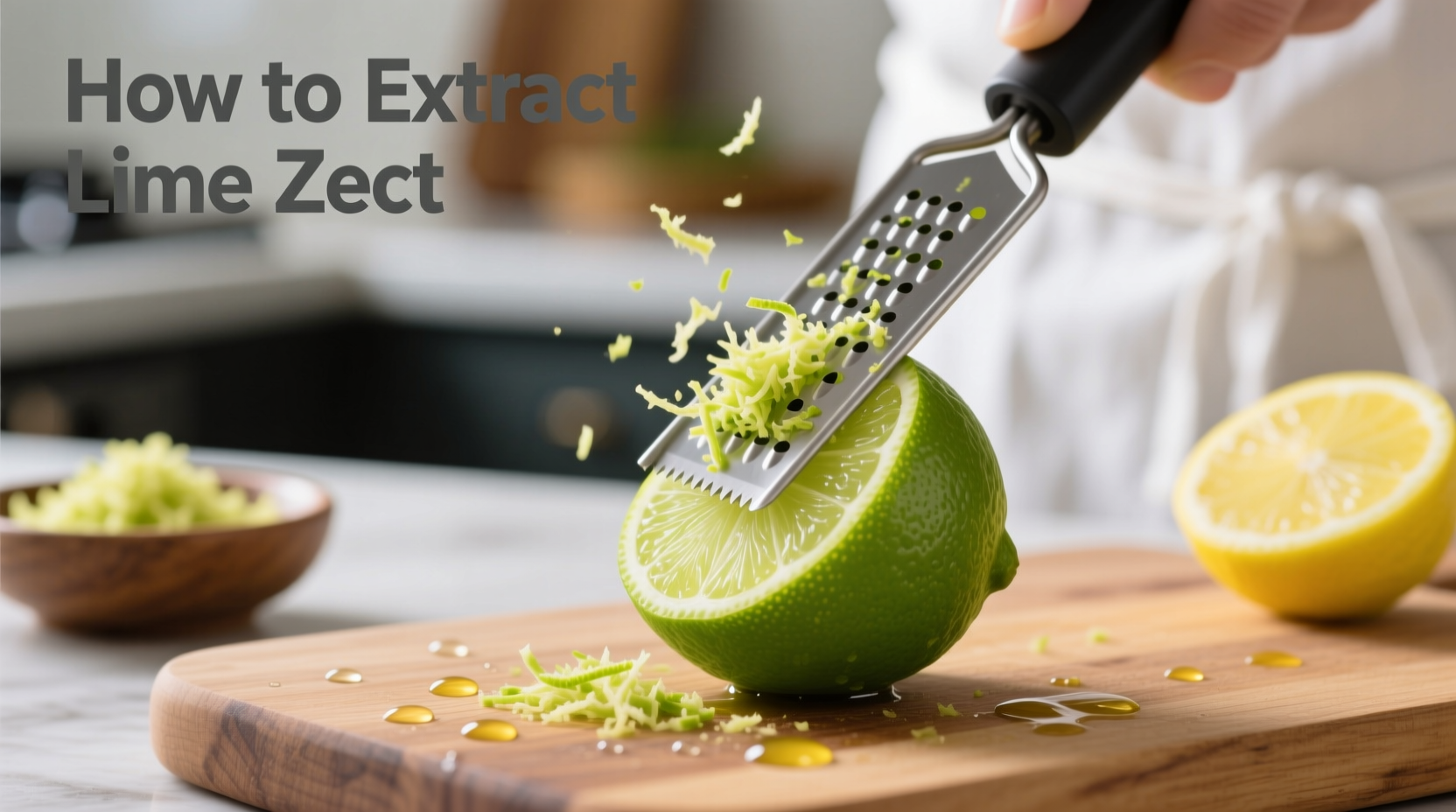
Lime zest refers to the thin, colored outer layer of the lime peel—specifically the flavedo—that contains concentrated essential oils responsible for the fruit’s signature citrus aroma and flavor. This layer sits just above the white pith (albedo), which is bitter and spongy, and should be avoided during zesting. The primary chemical compound in lime zest is limonene, but other terpenes like linalool and citral contribute floral, spicy, and sharp notes that define its profile.
Limes—most commonly Persian limes (*Citrus latifolia*) in commercial kitchens—are prized for their balanced acidity and intense fragrance. While native to Southeast Asia, they are now cultivated globally, with Mexico being the largest producer. In culinary applications, zest is often preferred over juice when concentrated flavor without added moisture is desired. It integrates seamlessly into batters, rubs, sauces, and garnishes, releasing its oils gradually during cooking or instantly when used raw.
Zesting is not merely grating citrus; it's a precision technique that demands attention to tool selection, pressure control, and ingredient handling. Done poorly, it yields little usable material or introduces off-flavors. Done well, it provides an immediate burst of freshness that cannot be replicated by extracts or artificial flavorings.
Key Characteristics of Lime Zest
| Characteristic | Description |
|---|---|
| Flavor Profile | Bright, tangy, slightly floral with hints of pine and spice; more complex than juice alone. |
| Aroma | Intensely citrusy, fresh-cut lime scent due to high concentration of volatile oils. |
| Color/Form | Green to yellow-green fine strips, shreds, or powder depending on tool used. |
| Heat Sensitivity | Oils begin to degrade at high temperatures; best added late in cooking or baked at moderate heat. |
| Culinary Function | Flavor enhancement, aroma infusion, natural preservative (due to antimicrobial properties). |
| Shelf Life (Fresh) | Up to 3 days refrigerated in an airtight container; freezes well for up to 6 months. |
| Density/Yield | One medium lime yields approximately 1 to 1.5 teaspoons of finely grated zest. |
Practical Usage: How to Use Lime Zest in Cooking and Baking
Lime zest functions as a finishing accent or integrated flavor base across cuisines. Its potency means even small quantities have impact. Because it lacks the water content of juice, zest intensifies rather than dilutes mixtures, making it ideal for dry rubs, doughs, and reduced sauces.
In baking, lime zest enhances cakes, cookies, curds, and frostings. For example, adding 1 teaspoon of zest per cup of flour in a pound cake recipe amplifies citrus notes without altering crumb structure. In meringues or pavlovas, a light dusting before baking imparts subtle fragrance. When making key lime pie, combining zest with condensed milk during the filling stage allows oils to emulsify evenly, creating a more rounded tartness compared to juice-only versions.
In savory dishes, lime zest excels in marinades for seafood and poultry. A blend of minced zest, garlic, olive oil, and herbs penetrates proteins quickly, tenderizing slightly while adding brightness. For grilled fish tacos, rubbing zest directly onto fillets before searing creates an aromatic crust that complements charred edges. In rice pilafs or grain bowls, folding in a pinch of zest at the end lifts earthy ingredients like black beans or quinoa.
Cocktail applications include infused syrups and rimming salts. Simmering sugar, water, and lime zest for 10 minutes produces a clear, fragrant syrup perfect for mojitos or margaritas. Rim glasses with a mixture of salt, sugar, and dehydrated lime zest for visual appeal and layered taste.
Pro Tip: Always wash limes thoroughly under warm water and scrub gently with a produce brush before zesting. Organic limes are preferable since non-organic skins may carry wax coatings or pesticide residues that resist rinsing. If only conventional limes are available, soak them in a vinegar-water solution (1:3 ratio) for 10 minutes, then rinse.
Variants & Types of Lime Zest Forms
Lime zest can be prepared and stored in several forms, each suited to different uses:
- Freshly Grated: Ideal for immediate use in baking, dressings, or garnishes. Offers maximum aroma and vibrant color.
- Microplaned: Finer than standard grating, almost powdery. Best for delicate batters or cocktails where texture must dissolve completely.
- Strip Zest (Cut with Peeler): Long ribbons used for infusions (e.g., in syrups or spirits) or candied peel. Removed before serving unless candied.
- Candied Zest: Simmered in sugar syrup and dried. Used as decoration or chewy addition to desserts. Retains some oil content but loses sharpness.
- Freeze-Dried or Dehydrated: Shelf-stable powdered form. Convenient for long-term storage but less aromatic than fresh. Rehydrate only if necessary.
- Commercial Lime Oil: Highly concentrated distilled essence. Not interchangeable with zest—one drop equals an entire lime. Used in professional formulations.
The choice of form depends on timing, application, and desired intensity. Freshly extracted remains superior in most culinary contexts, but preserved forms offer utility when limes are out of season or bulk preparation is needed.
Comparison with Similar Ingredients
Lime zest is often confused with lemon zest, lime juice, or artificial flavorings. While related, these differ significantly in composition and effect.
| Ingredient | Differences from Lime Zest |
|---|---|
| Lemon Zest | More floral and less acidic than lime zest; brighter yellow color. Can substitute in some recipes but alters flavor balance—lemon lacks the tropical depth of lime. |
| Lime Juice | Provides acidity and liquid; contains none of the aromatic oils found in zest. Cannot replicate zest’s fragrance. Often used together but serve distinct roles. |
| Bottled Citrus Oil | Synthetic or distilled; overly intense and one-dimensional. Lacks the nuanced terpene profile of fresh zest. Risk of rancidity over time. |
| Citrus Extracts | Alcohol-based solutions with diluted flavor. May contain additives. Typically weaker and less natural-tasting than real zest. |
| Preserved Lime Peel | Often brined or sugared; softer texture and altered pH. More suitable for Middle Eastern or Southeast Asian stews than Western baking. |
\"Zest isn't just flavor—it's memory. That first whiff of freshly grated lime takes people to beaches, summer drinks, street food markets. It triggers emotion before the first bite.\" — Chef Elena Ruiz, Culinary Director, Coastal Flavors Institute
Step-by-Step Guide: How to Extract Lime Zest Properly
- Select Ripe, Firm Limes: Choose limes that are heavy for their size, with smooth, unblemished skin. Avoid soft spots or dull coloring.
- Wash and Dry: Rinse under warm running water. Use a vegetable brush to remove surface contaminants. Pat dry completely—wet peels clog tools and reduce oil release.
- Warm the Fruit (Optional): Roll the lime firmly on the counter using your palm. This breaks internal oil sacs and increases yield by up to 30%.
- Choose the Right Tool: See next section for detailed comparison. Microplane graters generally provide the best balance of efficiency and safety.
- Zest Gently: Hold the lime in one hand and the tool in the other. Move the lime across the blade using short, downward strokes. Apply minimal pressure—let the tool do the work.
- Rotate Frequently: Turn the lime to access all sides evenly, avoiding deep gouging into the pith.
- Measure Immediately: Scoop zest directly into your recipe. Do not let it sit exposed—volatile oils evaporate within minutes.
- Clean Tools Promptly: Citrus oils harden and become sticky. Rinse graters immediately under hot water to prevent residue buildup.
Best Tools for Zesting Limes
The effectiveness of zesting hinges on tool quality and design. Common options include:
- Microplane Grater: The gold standard. Laser-cut stainless steel blades produce fine, fluffy zest with minimal effort. Lightweight and easy to clean. Avoid pressing too hard to prevent pith inclusion.
- Box Grater (Fine Side): Functional but less precise. Higher risk of catching pith. Requires careful angle control.
- Citrus Zester (Five-Pronged Tool): Removes narrow strips ideal for garnish or infusion. Not suitable for baking where uniform distribution is needed.
- Paring Knife or Vegetable Peeler: For wide strips only. Must be followed by mincing if finer texture is required.
- Electric Zester: Rare in home kitchens. Fast but expensive and difficult to clean. Overkill for occasional use.
Safety Note: Always zest away from your body and keep fingers behind the lime. Microplanes are extremely sharp. Consider using a fingertip guard or folded towel for extra protection, especially when working with small fruits.
Practical Tips & FAQs
Can I use bottled lime juice instead of zest?
No—bottled juice lacks the essential oils entirely. It also often contains preservatives and has a flat, cooked flavor. Never substitute juice for zest in recipes calling specifically for zest.
Why does my lime zest taste bitter?
Bitterness comes from including the white pith. Ensure your tool only removes the outer green layer. If using a box grater, stop immediately when white appears. Rotate the lime and try another area.
How much zest does one lime yield?
A medium Persian lime yields about 1 to 1.5 teaspoons of finely grated zest. Meyer limes may yield slightly more due to thinner skin and larger size.
Can I freeze lime zest?
Yes. Spread freshly grated zest in a single layer on a parchment-lined tray. Freeze until solid, then transfer to an airtight container or freezer bag. Use within 6 months. No need to thaw—add directly to batters or hot liquids.
Is lime zest safe for children and pregnant women?
Yes, in culinary amounts. However, concentrated citrus oils (not zest) may affect certain medications or conditions. Consult a healthcare provider if consuming large therapeutic doses.
What dishes benefit most from lime zest?
Top applications include:
- Key lime pie and cheesecakes
- Ceviche and tartare
- Seafood marinades and rubs
- Lime-infused rice or couscous
- Buttercreams and glazes
- Cocktail syrups and shrubs
- Yogurt parfaits and sorbets
Can I zest a lime after juicing it?
Technically yes, but not recommended. Juicing weakens the peel structure, increasing the chance of tearing and pulling up pith during zesting. Always zest before cutting or juicing.
Does organic matter for zesting?
Strongly advised. Conventional limes are often coated with food-grade wax to extend shelf life, which traps pesticides and resists washing. Organic limes are less likely to carry these residues, making them safer for whole-peel use.
Expert Case Study: Maximizing Yield in a High-Volume Kitchen
At *Mar y Sol*, a coastal Mexican restaurant serving 400+ guests nightly, consistency in ceviche seasoning is critical. Executive Chef Diego Mendez faced variability in citrus flavor despite using identical recipes. After testing, he discovered that inconsistent zesting techniques among staff led to differences in oil extraction.
Solution: He standardized equipment (switched all stations to Microplane Model 40020), implemented pre-service rolling of limes, and trained staff to zest only the top two-thirds of each fruit—avoiding the blossom and stem ends where pith is thickest. These changes increased average zest yield by 35% and reduced bitterness complaints by 90%. Staff now prep zest in batches every morning and store it in chilled, sealed containers lined with damp paper towels to preserve moisture and aroma for up to 48 hours.
This case underscores that even minor technical adjustments can have outsized impacts on flavor delivery and customer satisfaction.
Summary & Key Takeaways
Lime zest is a powerful, underutilized ingredient that brings unmatched vibrancy to both sweet and savory dishes. Extracting it properly requires attention to detail—from selecting ripe fruit to using the right tool and avoiding the bitter pith. Freshly grated zest offers the highest flavor payoff, though freezing extends usability across seasons.
Remember: zest is not interchangeable with juice or artificial flavorings. It serves a unique role as an aromatic concentrate, enhancing complexity without altering texture. Whether you're crafting a delicate mousse or a bold taco seasoning, incorporating lime zest thoughtfully will deepen flavor profiles and engage the senses.
To get the most from every lime:
- Zest before juicing
- Use a Microplane or fine grater
- Wash and roll the fruit first
- Discard any white material
- Use immediately or freeze for later
Start small—add zest incrementally and taste as you go. Its potency builds quickly. Once mastered, this simple technique becomes indispensable in any serious cook’s repertoire.




 浙公网安备
33010002000092号
浙公网安备
33010002000092号 浙B2-20120091-4
Comments
No comments yet. Why don't you start the discussion?