
Acne scars can linger long after breakouts have cleared, affecting confidence and skin texture. While clinical treatments like lasers and prescription creams are common solutions, many people prefer gentler, more accessible alternatives. The good news is that effective natural methods exist—backed by both traditional use and emerging research—that can gradually improve the appearance of post-acne marks. These approaches focus on supporting the skin’s healing process through hydration, exfoliation, and targeted plant-based ingredients, all without invasive procedures or synthetic chemicals.
Natural scar fading isn’t about overnight miracles; it’s about consistency, patience, and understanding your skin type. Whether you're dealing with dark spots from healed pimples (post-inflammatory hyperpigmentation) or shallow indentations (atrophic scarring), a thoughtful at-home regimen can yield visible improvements over weeks and months. This guide explores science-informed, practical strategies to help you reduce the visibility of acne scars safely and sustainably.
Understanding Acne Scars: Types and Causes
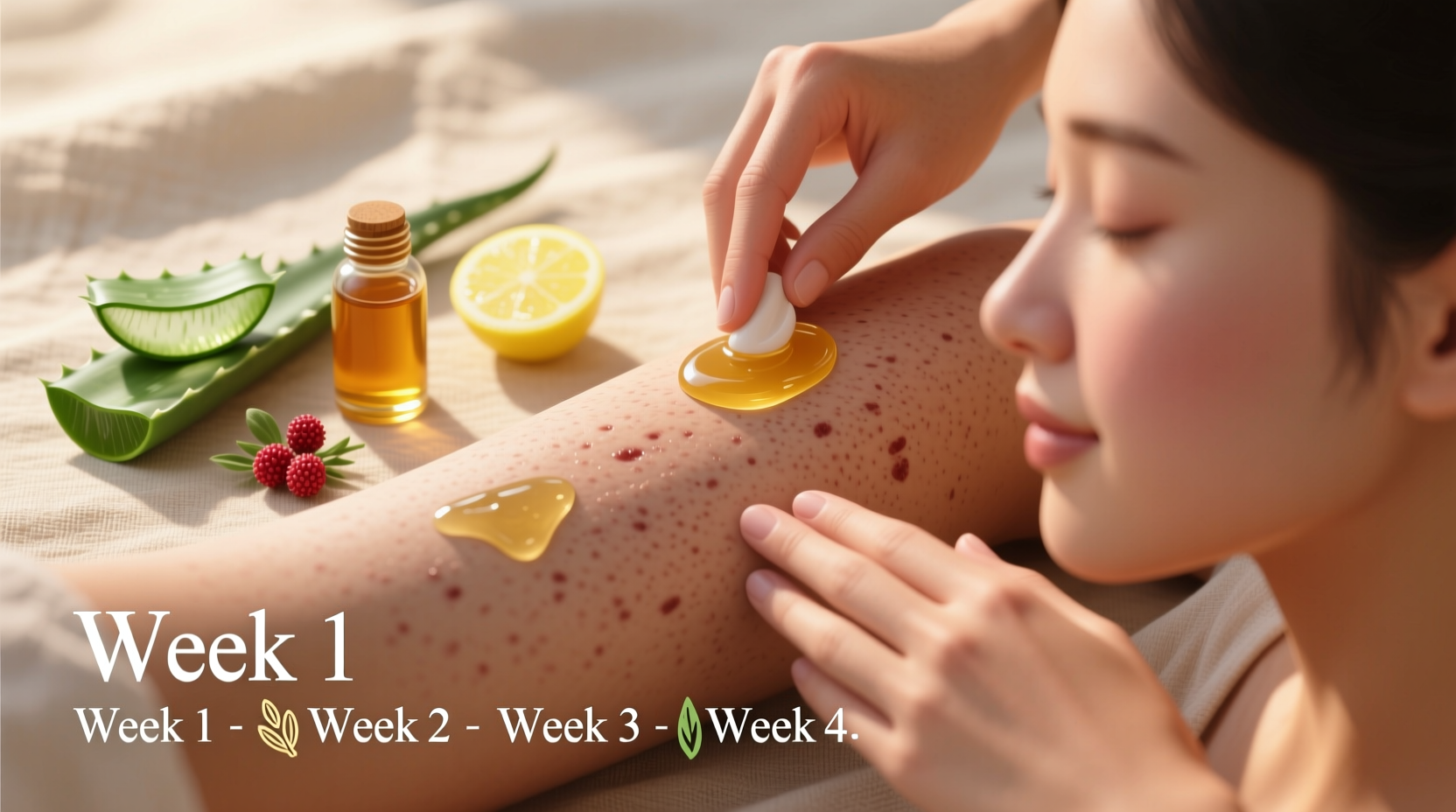
Not all acne scars are the same, and treatment effectiveness depends on accurate identification. There are two primary categories:
- Post-inflammatory hyperpigmentation (PIH): These are flat, discolored spots—ranging from pink to brown or black—that remain after a pimple heals. They are not true scars but rather an overproduction of melanin triggered by inflammation.
- Textural scars: These involve actual changes in skin structure, such as icepick, boxcar, or rolling scars. They form when collagen is damaged during severe acne and are deeper and more challenging to treat naturally.
While natural remedies work best on PIH and mild surface irregularities, they can still support overall skin health and improve the appearance of shallow textural scars when used consistently. It's important to manage expectations: deep scarring may require professional intervention, but early-stage discoloration and minor texture issues respond well to natural care.
Natural Ingredients That Help Fade Acne Scars
Certain plant-derived compounds have demonstrated properties that support skin renewal and pigmentation reduction. Here are some of the most effective and well-researched options:
Aloe Vera
Aloe vera contains aloesin, a compound shown to inhibit tyrosinase—an enzyme involved in melanin production. Its anti-inflammatory and moisturizing effects also soothe irritated skin and promote healing. Fresh gel from the plant or high-concentration, additive-free products work best.
Green Tea Extract
Rich in antioxidants like epigallocatechin gallate (EGCG), green tea helps reduce oxidative stress and inflammation. Studies suggest topical application can lighten hyperpigmentation and protect against UV damage, which worsens discoloration.
Honey (especially Manuka)
Honey has antimicrobial, humectant, and tissue-regenerative qualities. It supports wound healing and reduces inflammation, making it useful for preventing new scars and softening existing ones. Manuka honey, in particular, has been studied for its enhanced bioactivity.
Apple Cider Vinegar (Diluted)
Containing acetic acid, apple cider vinegar acts as a gentle chemical exfoliant. It can help remove dead skin cells and balance pH. However, it must be diluted (1 part vinegar to 3 parts water) and used sparingly to prevent irritation.
Sandalwood Paste
Used for centuries in Ayurvedic skincare, sandalwood has cooling and anti-inflammatory properties. Mixed with rose water or aloe, it forms a soothing mask that may reduce redness and pigmentation over time.
“Natural doesn’t always mean risk-free. Even plant-based ingredients can cause sensitivity, especially in higher concentrations.” — Dr. Lena Torres, Integrative Dermatology Consultant
Step-by-Step Guide to a Natural Scar-Fading Routine
Success lies in consistency and layering complementary actions. Follow this daily and weekly routine for optimal results:
- Morning cleanse: Wash face with lukewarm water and a gentle, non-comedogenic cleanser. Avoid harsh soaps that strip natural oils.
- Apply antioxidant serum: Use a green tea-infused toner or serum. Let it dry before moving to the next step.
- Moisturize: Apply a light layer of aloe vera gel or honey-based moisturizer to keep skin hydrated and supple.
- Sun protection: Always apply a mineral sunscreen (zinc oxide-based) with SPF 30+. UV exposure worsens pigmentation and delays healing.
- Evening cleanse: Remove dirt and oil gently. Consider double-cleansing if wearing sunscreen.
- Treatment application: Apply a targeted treatment such as diluted apple cider vinegar (2–3 times per week) or sandalwood paste (2 times per week).
- Weekly exfoliation: Use a mild physical scrub (e.g., oatmeal and honey) or a natural enzymatic exfoliant (like papaya pulp) once weekly to encourage cell turnover.
Do’s and Don’ts of Natural Scar Treatment
| Do | Don’t |
|---|---|
| Use sunscreen daily, even indoors | Skip sun protection—UV rays darken scars |
| Be patient—results take 6–12 weeks | Expect immediate results and overuse treatments |
| Patch test new ingredients | Apply undiluted acids or essential oils directly |
| Stay hydrated and eat antioxidant-rich foods | Rely solely on topicals while neglecting diet and sleep |
| Keep nails short to avoid picking | Pick at active acne or healing scars |
Real Results: A Case Study in Consistent Care
Maya, a 27-year-old graphic designer, struggled with persistent post-acne marks along her jawline after years of hormonal breakouts. Unwilling to pursue laser treatments due to cost and downtime, she began a natural regimen focused on simplicity and sustainability. Each morning, she applied a homemade green tea toner followed by aloe vera gel and zinc oxide sunscreen. At night, she cleansed with a milk-based wash and applied diluted apple cider vinegar to dark spots three times a week. Once weekly, she used an oatmeal-honey scrub.
She also prioritized internal health—drinking more water, reducing dairy intake, and increasing vitamin C-rich foods like bell peppers and citrus. After eight weeks, Maya noticed her skin tone appeared more even. By week 12, her former acne spots were significantly lighter and less noticeable, especially under natural light. While not completely erased, the improvement boosted her confidence and reinforced her commitment to gentle, holistic skincare.
Support Healing from the Inside Out
Skin repair begins within the body. Nutritional deficiencies and chronic inflammation can impair healing and prolong the visibility of scars. Focus on these dietary and lifestyle factors:
- Vitamin C: Essential for collagen synthesis and inhibiting melanin overproduction. Found in citrus fruits, broccoli, and strawberries.
- Zinc: Supports immune function and skin regeneration. Oysters, pumpkin seeds, and lentils are excellent sources.
- Omega-3 fatty acids: Reduce inflammation and strengthen the skin barrier. Include flaxseeds, chia, walnuts, and fatty fish.
- Hydration: Dry skin magnifies the appearance of scars. Aim for at least 2 liters of water daily.
- Sleep: Cellular repair peaks during deep sleep. Aim for 7–8 hours per night.
Avoid excessive sugar and processed foods, which can trigger inflammation and worsen skin conditions. One study published in the journal *Nutrients* found that participants who improved their diet alongside topical care reported faster fading of hyperpigmentation compared to those using topicals alone.
Frequently Asked Questions
How long does it take to see results with natural treatments?
Most people begin to notice subtle improvements in 4–6 weeks, with more significant changes appearing between 8–12 weeks. Factors like skin type, scar severity, and consistency of use influence timelines. Patience and routine adherence are key.
Can I combine natural remedies with over-the-counter products?
Yes, but proceed with caution. Combining natural acids (like apple cider vinegar) with salicylic acid or benzoyl peroxide can lead to over-exfoliation and irritation. Introduce one new product at a time and monitor your skin’s response.
Are natural treatments safe for sensitive skin?
Many natural ingredients are gentle, but sensitivity varies. Stick to soothing agents like aloe vera, honey, and oat extracts. Avoid strong acids or essential oils unless properly diluted. Always perform a patch test first.
Your Action Checklist
To get started today, follow this simple checklist:
- ✅ Identify your scar type (discoloration vs. texture)
- ✅ Choose 1–2 natural ingredients to trial (e.g., aloe + green tea)
- ✅ Patch test each ingredient on your inner arm
- ✅ Establish a twice-daily skincare routine including sunscreen
- ✅ Exfoliate gently once per week
- ✅ Improve diet with skin-supportive nutrients
- ✅ Track progress with weekly photos under consistent lighting
“The skin is an organ of elimination and regeneration. When supported holistically, it has a remarkable capacity to heal.” — Dr. Amara Patel, Holistic Skin Specialist
Conclusion: Embrace the Journey to Clearer Skin
Fading acne scars naturally is not a shortcut, but a meaningful investment in your skin’s long-term health. By choosing gentle, evidence-backed ingredients and pairing them with mindful lifestyle habits, you create the ideal environment for renewal. Unlike aggressive treatments that may compromise the skin barrier, natural methods prioritize balance, resilience, and sustainability.
Start where you are. Use what you have. Be consistent. Whether you begin with aloe vera and sunscreen or incorporate dietary changes and weekly masks, every positive choice adds up. Your skin didn’t develop scars overnight—and healing won’t happen instantly either. But with time, care, and informed choices, visible improvement is absolutely possible.




 浙公网安备
33010002000092号
浙公网安备
33010002000092号 浙B2-20120091-4
Comments
No comments yet. Why don't you start the discussion?