
Thrift stores are treasure troves waiting to be discovered—but only if you know where and how to look. While most shoppers see racks of outdated fashion and dusty knickknacks, seasoned thrifting pros see potential: vintage designer labels, rare collectibles, high-quality materials, and one-of-a-kind pieces that can’t be found anywhere else. The difference isn’t luck—it’s strategy. With the right approach, anyone can transform a routine secondhand run into a profitable or stylish haul. Whether you're furnishing a home on a budget, building a sustainable wardrobe, or hunting for resale gold, mastering the art of the thrift store hunt is both practical and deeply rewarding.
Understand What Makes a Hidden Gem
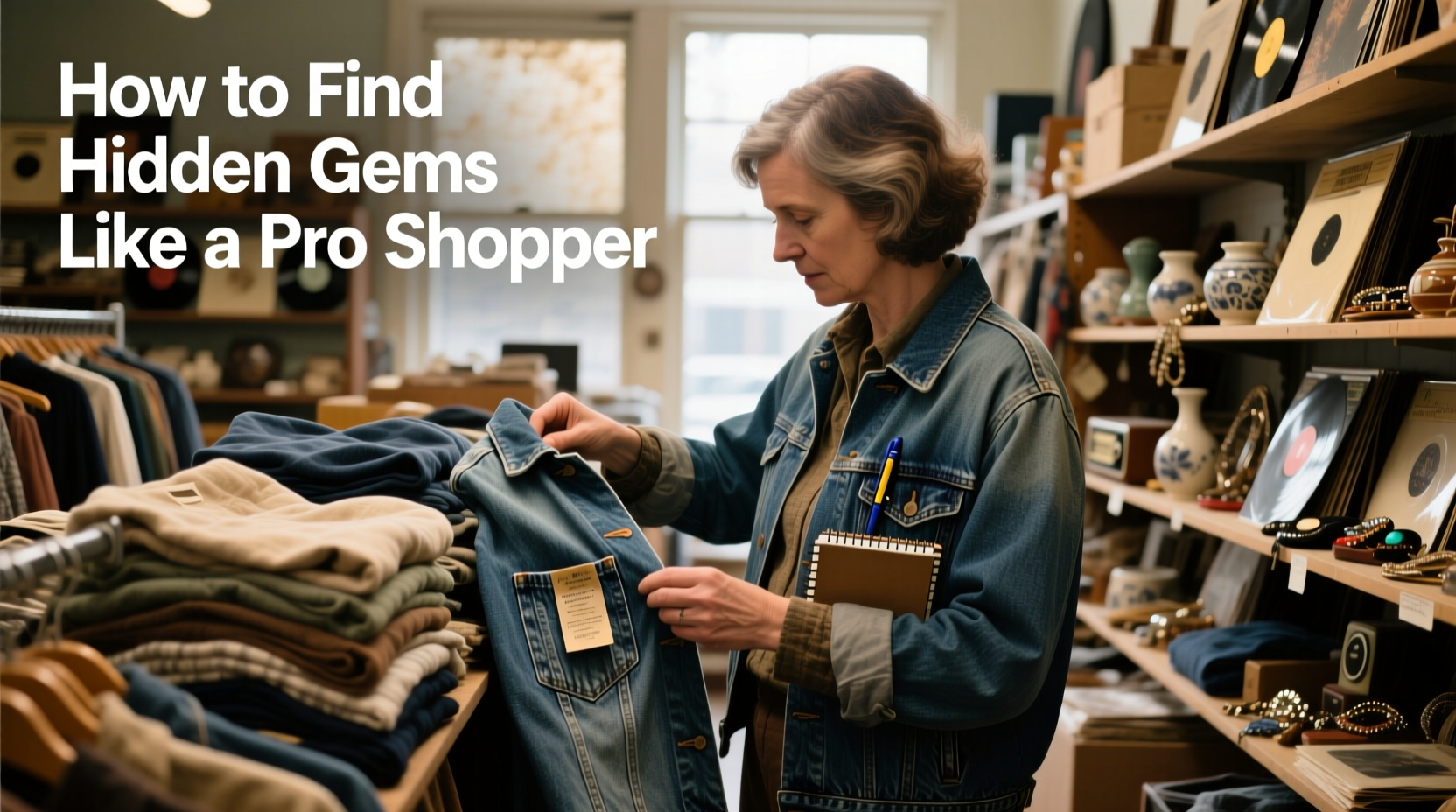
Before diving into tactics, it's essential to define what qualifies as a \"hidden gem.\" These are items that have significant value—either monetary, aesthetic, or functional—that isn’t immediately obvious to the average shopper. A hidden gem could be a wool coat from the 1980s made by a luxury brand, a mid-century modern coffee table in excellent condition, or a vintage camera still capable of producing stunning film photos.
Value isn’t always about price tags. Sometimes, a gem is something that fits perfectly into your lifestyle—a durable cast iron skillet, a well-made leather backpack, or a set of linen sheets. Other times, it's an item with resale potential. Platforms like eBay, Poshmark, and Etsy have turned savvy thrifters into small-scale entrepreneurs simply by identifying undervalued goods.
The key is recognizing quality when it's disguised by age, dust, or poor presentation. Look beyond stains, odd sizing, or outdated styles. Ask yourself: Can this be cleaned? Tailored? Repurposed? Refinished? If yes, it might be worth more than its current price suggests.
“Most people shop with their eyes. Pros shop with knowledge. Knowing fabric types, brand reputations, and design eras turns browsing into hunting.” — Marcus Bell, Vintage Apparel Reseller & Author of *Thrift to Profit*
Master the Timing and Frequency
Timing is everything in thrift shopping. Just like fish bite best at dawn, thrift stores refresh their inventory on predictable schedules—and hitting them at the right moment dramatically increases your odds of finding untouched merchandise.
Most major thrift chains (like Goodwill, Salvation Army, and Savers) restock shelves daily, but new donations often sit in backrooms for 24–72 hours before being processed. Staff typically sort, price, and display items during weekday mornings. That means late afternoon or early evening visits on Tuesdays through Thursdays often yield the freshest picks.
Smaller, independent thrift shops may follow different rhythms. Some release new inventory on weekends to attract foot traffic, while others do so midweek to avoid crowds. Visit the same store multiple times over several weeks to learn its rhythm. Consistency builds familiarity—and familiarity breeds success.
Optimal Shopping Schedule by Store Type
| Store Type | Best Days to Visit | Best Time of Day | Why It Works |
|---|---|---|---|
| Large Chain (Goodwill, Salvation Army) | Tuesday–Thursday | 4 PM – 6 PM | Fresh stock from morning sorting; fewer weekend crowds |
| Resale Boutiques (Plato’s Closet, Buffalo Exchange) | Monday mornings | 9 AM – 11 AM | New consignments arrive Sunday/Monday; highest turnover |
| Charity Shops (Local nonprofits) | Wednesday or Friday | Afternoon | Volunteers process donations midweek; slower rotation |
| Estate Sale Pop-Ups | Saturday morning | 10 AM sharp | First come, first served; rare antiques and collections |
Develop a Targeted Search Strategy
Random browsing rarely leads to breakthrough finds. Pro shoppers go in with a plan. That doesn’t mean rigidly sticking to a list—it means knowing what categories, brands, materials, and styles hold long-term value.
Start by researching high-value indicators. In clothing, look for natural fibers (wool, silk, cotton), union labels (pre-1990s U.S.-made garments), and designer names like Ralph Lauren, Tommy Hilfiger, Pendleton, or vintage Calvin Klein. In home goods, Mid-Century Modern furniture brands such as Lane, Heywood-Wakefield, or Drexel Heritage command strong resale prices. Kitchenware made by All-Clad, Le Creuset, or vintage Pyrex also holds value.
Use your smartphone to scan unfamiliar labels or logos. Apps like Google Lens or websites like WorthPoint and Replacements.com help identify patterns, makers, and approximate values on the spot.
“Last month I found a chipped Noritake teacup priced at $3. Looked it up—complete set listed online for $180. Bought all six cups, restored them, sold for $150 profit.” — Dana M., Thrift Flipper & YouTube Content Creator
Step-by-Step: How to Inspect Potential Gems
- Scan Quickly First: Walk the entire store without stopping. Note sections with less foot traffic—often overlooked areas like behind the shoe rack or under tables.
- Check Fabric Labels: Feel the material. Natural fibers feel heavier and more substantial than polyester. Look for care tags indicating dry clean only or imported craftsmanship.
- Inspect Construction: For clothing, examine stitching. Even, tight seams and lined interiors suggest higher quality. For furniture, wiggle legs and joints—solid wood won’t wobble.
- Look Beneath and Behind: Turn items over. Bottoms of vases, undersides of dressers, and inside pockets often hide brand stamps or damage not visible at first glance.
- Assess Repair Potential: Minor flaws like loose buttons, missing knobs, or surface scratches are fixable. Structural damage usually isn’t worth the effort.
Avoid Common Pitfalls
Even experienced thrifters fall into traps. The most dangerous is emotional buying—picking up items because they’re cheap, cute, or nostalgic, without considering actual utility or condition.
Another frequent mistake is ignoring red flags. Mildew smell, water damage, cigarette odor, or evidence of pests (like moth holes in wool) are hard to eliminate and can spread to other belongings. No bargain is worth compromising your home’s air quality or wardrobe safety.
Some shoppers focus too narrowly on clothing and miss opportunities in less-trafficked departments. Books, office supplies, luggage, and holiday décor often fly under the radar but can contain valuable or useful items.
“People overlook books constantly. First editions, signed copies, vintage travel guides—they sell fast online and cost pennies at thrift stores.” — Lila Tran, Book Scout & Online Seller
Do’s and Don’ts of Thrift Store Shopping
| Do | Don’t |
|---|---|
| Visit the same store regularly to build rapport with staff | Hoard items ‘just in case’—clutter defeats the purpose |
| Bring reusable bags or a folding cart for heavy loads | Buy broken electronics unless you’re technically skilled |
| Ask employees when new shipments arrive | Assume pricing is consistent—mistakes happen, but don’t argue |
| Check clearance bins and 'as-is' sections weekly | Wash or alter anything until you’ve confirmed it’s yours to keep |
| Photograph unique finds for future research | Ignore store rules—some prohibit photography or haggling |
Real-World Example: From Forgotten Dresser to $400 Flip
Jamie, a DIY enthusiast from Portland, visited her local Habitat for Humanity ReStore every Friday after work. On one trip, she spotted a beat-up oak dresser shoved in a corner, marked $25. The finish was dull, two knobs were missing, and one drawer stuck. Most shoppers had passed it by.
But Jamie recognized the dovetail joints and solid wood construction. She took photos, searched similar models online, and found matching listings selling refinished versions for $300–$500. She bought it, sanded it over a weekend, applied a walnut stain, and replaced the knobs with brass pulls from a thrifted jewelry box.
She listed it on Facebook Marketplace for $400, received five offers within 48 hours, and sold it for $375. After materials and time, her net profit was $330—and she’d kept the experience enjoyable by treating it like a creative project, not just a transaction.
This kind of outcome isn’t magic. It’s pattern recognition, patience, and willingness to see past surface flaws.
Essential Checklist for Every Thrift Run
- ✅ Charge your phone and install value-research apps (e.g., eBay, Depop, Google Lens)
- ✅ Bring a measuring tape and notepad for notes or dimensions
- ✅ Wear neutral-colored clothing to better judge garment colors
- ✅ Carry cash and reusable bags—some stores don’t accept cards
- ✅ Set a mental budget to avoid impulse buys
- ✅ Check tags for fiber content, country of origin, and brand names
- ✅ Inspect for damage: stains, odors, tears, mold, wobbles
- ✅ Ask staff about upcoming donation drops or discount days
- ✅ Photograph interesting items you can’t buy immediately
- ✅ Leave room in your bag for surprise finds
Frequently Asked Questions
How do I know if a piece of clothing is vintage?
Vintage generally refers to items at least 20 years old. Check the label: Union Made tags (UFCW) were used until the 1990s. Hong Kong, Taiwan, or Korea labels often indicate 1970s–1990s production. Cat eye sunglasses, metal zippers, and hand-stitched details are also clues. When in doubt, search the label style online—communities like r/whatisthisthing or vintage fashion forums can help date items.
Is it okay to negotiate prices at thrift stores?
Most large nonprofit thrift stores (Goodwill, Salvation Army) have fixed pricing and don’t allow haggling. However, smaller independent shops, flea markets, or estate sales may be open to offers—especially on bulky items or damaged goods. Always ask politely and respect the answer.
Can I return items if I change my mind?
Policies vary widely. Many thrift stores offer no returns unless an item is defective (e.g., broken zipper disclosed at purchase). Some allow exchanges within 7–14 days with receipt. Always ask before buying and keep your receipt until you’ve fully evaluated your purchase at home.
Final Thoughts: Become a Mindful Hunter, Not Just a Shopper
Finding hidden gems in thrift stores isn’t about luck—it’s about cultivating awareness, patience, and informed decision-making. The best finds go to those who show up consistently, inspect carefully, and think creatively about potential. Every scratch, stain, or outdated style is an invitation to reimagine what something could become.
Thrifting well also supports sustainability, reduces waste, and keeps money in local communities. You’re not just saving dollars—you’re participating in a smarter, more intentional way of consuming.




 浙公网安备
33010002000092号
浙公网安备
33010002000092号 浙B2-20120091-4
Comments
No comments yet. Why don't you start the discussion?