
A squeaky door is more than just an annoyance—it can disrupt quiet mornings, wake sleeping children, or betray your stealthy midnight snack run. For renters, the challenge is even greater: you can’t drill holes, repaint frames, or use heavy-duty lubricants that might stain walls or violate lease agreements. The good news? You don’t need to. Most squeaks come from friction in hinges, and with the right approach, you can silence them quickly, cleanly, and without altering the property.
This guide walks through proven, renter-friendly methods that require minimal tools, leave no residue, and take less than ten minutes. Whether it’s a bedroom door groaning at every turn or a bathroom door announcing your presence, these solutions preserve your peace—and your security deposit.
Why Doors Squeak (And Why It Matters)
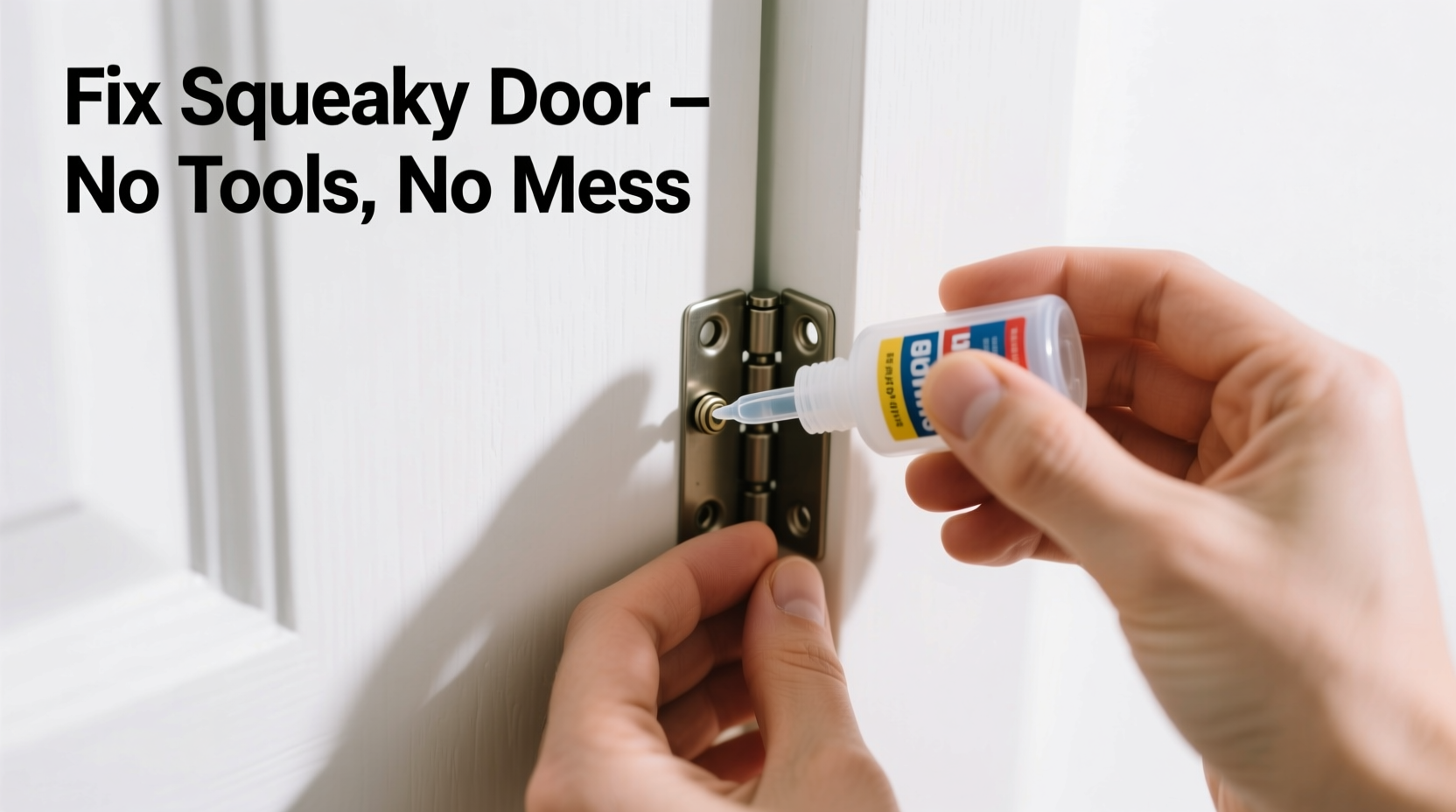
Door squeaks almost always originate in the hinges. Over time, the metal pins that allow the hinge to pivot shift slightly, gather dust, or develop microscopic rust—even in dry indoor environments. This creates friction, which translates into that familiar high-pitched whine. In older buildings or units with inconsistent climate control, temperature shifts and humidity fluctuations accelerate wear.
While a squeak seems minor, ignoring it can lead to long-term issues. Continuous stress on misaligned hinges may warp the door frame, cause uneven gaps, or loosen screws further. For renters, addressing the noise early prevents escalation and shows proactive care—a detail landlords appreciate during move-out inspections.
“Even subtle noises reflect wear. Addressing a squeak promptly can prevent costly alignment repairs down the line.” — Marcus Lin, Building Maintenance Supervisor, Metro Property Group
Step-by-Step: How to Diagnose and Silence the Squeak
Before applying any solution, identify the source. Not all squeaks are created equal, and treating the wrong hinge wastes time and product.
- Open and close the door slowly. Listen carefully to determine which hinge emits the sound. Often, only one of the two or three hinges is problematic.
- Inspect for visible signs. Look for loose screws, paint buildup, or dirt trapped around the hinge pin. Wiggle the door gently—if there’s play, the hinge may be loose.
- Test each hinge individually. Press a finger firmly on one hinge while opening the door. If the squeak diminishes, that hinge is the culprit.
- Clean the area lightly. Use a dry microfiber cloth to wipe away surface dust. Avoid wet wipes unless specified—moisture can damage wood finishes.
Once you’ve isolated the noisy hinge, proceed with one of the following non-invasive treatments.
Best Lubricants for Renters: Clean, Invisible, Effective
Not all lubricants are suitable for rental units. Greasy sprays like WD-40 can drip onto carpets or baseboards, leaving stains that could be charged to your deposit. Instead, opt for dry or low-residue formulas designed for precision use.
| Lubricant Type | Pros | Cons | Renter-Friendly? |
|---|---|---|---|
| Dry PTFE Spray (e.g., Tri-Flow) | No drip, invisible finish, long-lasting | Slightly more expensive | ✅ Yes |
| Silicone Spray | Clean, widely available | Can attract dust over time | ✅ Yes (if applied sparingly) |
| Graphite Powder | Dust-based, no liquid residue | Messy if spilled; hard to apply evenly | ⚠️ Caution needed |
| WD-40 Multi-Use | Effective, affordable | Oily residue, can stain | ❌ No (unless contained) |
| Bar Soap (White) | Zero cost, no tools, no mess | Short-term fix, may wear off in days | ✅ Yes |
For most renters, dry PTFE spray or a clean silicone option offers the best balance of performance and safety. If you lack access to specialty products, plain white bar soap works surprisingly well as a temporary fix.
Three Quick Fix Methods (No Mess, No Damage)
Here are three field-tested techniques that eliminate squeaks without risking your deposit.
Method 1: The Dry Lube Spray (Long-Term Solution)
Ideal for persistent squeaks, this method uses a precision nozzle to target the hinge pin without overspray.
- Shake the can of dry PTFE or silicone lubricant.
- Position the nozzle at the top of the hinge where the pin meets the knuckle.
- Spray briefly (1–2 seconds) to let the lubricant seep down the pin.
- Open and close the door 5–10 times to distribute the lube.
- Wipe any external excess with a dry cloth.
Results typically last 6–12 months. Reapply only if the noise returns.
Method 2: The Bar Soap Trick (Zero-Cost, Instant Fix)
If you don’t own tools or sprays, grab a white bar of soap—ideally unscented and unwaxed—from your bathroom.
- Remove the hinge pin by tapping it upward with a hammer and nail set (or sturdy screwdriver).
- Rub the soap directly onto the metal shaft of the pin.
- Reinsert the pin and operate the door several times.
The soap acts as a temporary lubricant and fills micro-gaps in the metal. While not as durable as synthetic lubes, it often silences the squeak for weeks. Bonus: no smell, no residue, and completely reversible.
Method 3: The Toothbrush & Baking Soda Paste (For Gritty Hinges)
If the hinge feels gritty or stiff, built-up grime may be the issue. A gentle cleaning followed by lubrication can restore smooth motion.
- Mix a teaspoon of baking soda with a few drops of water to form a paste.
- Use an old toothbrush to scrub the hinge joints and pin surface.
- Wipe clean with a dry cloth.
- Apply a drop of silicone-free lubricant or repeat the soap method.
This method removes abrasive particles without disassembling the entire hinge. Avoid using vinegar or acidic cleaners—they can corrode metal over time.
Real Example: A Renter’s Midnight Fix
When Sarah moved into her third-floor apartment in Chicago, she loved the natural light—except when her bedroom door announced every exit with a loud squeal. Her roommate slept late, and Sarah worked nights. Every morning, the noise felt like a betrayal.
She didn’t want to risk stains or call maintenance for something “minor.” After reading online reviews, she bought a small can of dry PTFE spray. On a Saturday morning, she spent four minutes applying it to the middle hinge. She worked the door back and forth, wiped the frame, and was done.
The squeak vanished. Three months later, it hasn’t returned. “I was shocked how easy it was,” she said. “I wish I’d done it sooner. Now my exits are silent, and my roommate hasn’t complained once.”
Checklist: Silent Door in Under 10 Minutes
- 🔲 Identify the squeaky hinge by listening and testing
- 🔲 Gather supplies: dry lubricant OR bar soap OR toothbrush + baking soda
- 🔲 Wipe hinge surface with a dry cloth
- 🔲 Apply lubricant or soap directly to the pin or joint
- 🔲 Operate the door 5–10 times to work in the treatment
- 🔲 Wipe any external residue immediately
- 🔲 Test quietly at different speeds to confirm silence
Keep this checklist taped inside a closet or saved on your phone for future reference. Repeat as needed—especially after seasonal heating changes, which affect wood and metal expansion.
Frequently Asked Questions
Can I use cooking oil or olive oil as a lubricant?
No. While oils may temporarily reduce noise, they attract dust, degrade over time, and can become sticky or rancid. They also pose a staining risk and are difficult to clean from wood or paint. Stick to dry or silicone-based lubricants designed for mechanical use.
What if the door still squeaks after lubrication?
If the noise persists, check for loose hinge screws. Tighten them gently with a screwdriver. If the screw holes are stripped, insert a toothpick or wooden matchstick coated with wood glue into the hole before reinserting the screw. Let dry overnight. Avoid overtightening—it can strip the hole further or crack the frame.
Is it safe to remove the hinge pin in a rental?
Yes, as long as you do it carefully and reinstall it properly. Use a flat-head screwdriver and hammer to tap the pin upward. Place a rag underneath to protect the floor. Never force a stuck pin—use lubricant first to loosen it. If you’re uncomfortable, skip removal and apply lubricant externally or use the soap-rub method on the hinge exterior.
Final Tips for Long-Term Quiet
Prevention beats repair. To keep doors silent between treatments:
- Lubricate hinges twice a year—spring and fall—as temperature shifts affect materials.
- Keep doors aligned. Slamming or uneven closing accelerates hinge wear.
- Use felt pads or bumpers on door stops to reduce vibration that loosens screws.
- Report structural concerns (like sagging doors) to management early—they may indicate deeper issues.
“A well-maintained unit reflects respect. Tenants who handle small fixes themselves often get faster response on bigger issues.” — Diane Reyes, Leasing Manager, UrbanHaven Properties
Conclusion: Silence the Squeak, Preserve Your Peace
A squeaky door doesn’t have to be a permanent fixture of your rental. With simple, clean methods and everyday items, you can eliminate the noise in minutes—no tools, no mess, no landlord approval required. Whether you choose a dry lubricant, a swipe of bar soap, or a quick brush-and-bake cleanup, the fix is within reach.
Don’t wait for the squeak to drive you (or your roommates) crazy. Take action today. A quiet door isn’t just about comfort—it’s a sign of thoughtful living in shared spaces. And who knows? Your next stealthy coffee run might finally go unnoticed.




 浙公网安备
33010002000092号
浙公网安备
33010002000092号 浙B2-20120091-4
Comments
No comments yet. Why don't you start the discussion?