
A toilet that runs intermittently can be one of the most frustrating household issues. It often starts with a faint gurgling or trickling sound late at night, only to stop and start again without warning. While it might seem minor, a randomly running toilet can waste up to 200 gallons of water per day, spike your utility bill, and signal underlying mechanical problems. The good news is that in most cases, this issue is fixable with basic tools and a bit of know-how—no plumber required.
This guide breaks down the anatomy of the problem, walks through diagnostic steps, and provides actionable fixes for the most common causes of erratic toilet flushing behavior.
Understanding How a Toilet Fills and Shuts Off
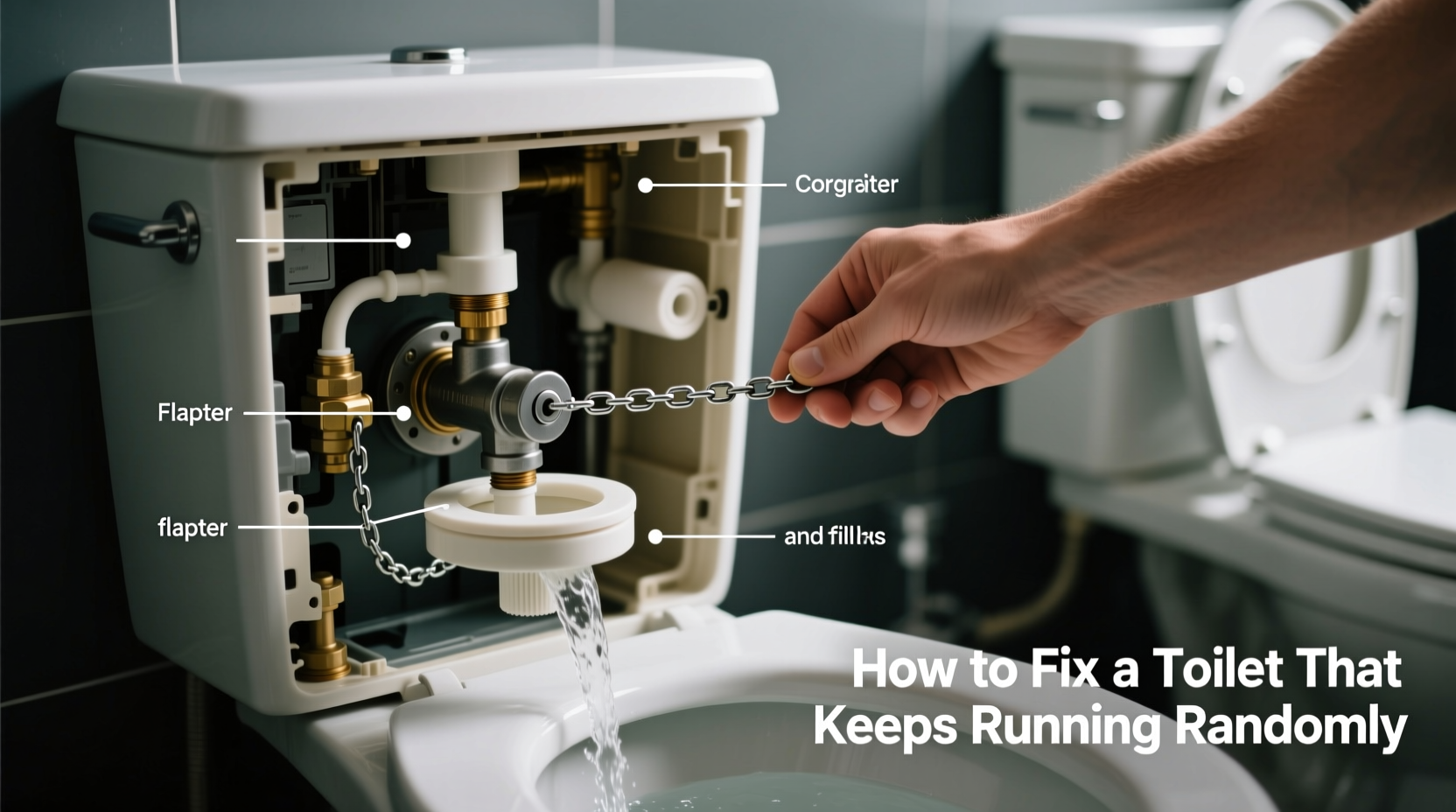
To effectively troubleshoot a randomly running toilet, it’s essential to understand how the flush-and-refill cycle works. When you flush, water rushes from the tank into the bowl, creating siphonic action that empties the contents. Once the tank empties, the flapper closes, and the fill valve activates, refilling the tank until the float reaches a predetermined level. At that point, the fill valve shuts off, ending the cycle.
The key components involved are:
- Flapper – A rubber seal at the bottom of the tank that lifts during flush and reseals afterward.
- Fill Valve – Controls the inflow of water into the tank after a flush.
- Float – Attached to the fill valve, it rises with the water level and signals when to stop filling.
- Overflow Tube – Prevents flooding by directing excess water into the bowl if the fill valve fails.
- Chain – Connects the flush handle to the flapper; too tight or too loose, and it affects sealing.
When any of these parts malfunction—especially due to wear, misalignment, or mineral buildup—the system may fail to shut off completely or may restart unexpectedly, causing the random running sound.
Common Causes of a Randomly Running Toilet
Unlike a continuously running toilet (which usually points to a clear flapper leak), a toilet that runs randomly tends to stem from intermittent failures. These are the top culprits:
1. Worn or Warped Flapper
Over time, the flapper deteriorates due to chlorine exposure and mineral deposits. Cracks, warping, or pitting prevent it from forming a watertight seal. Even slight leaks can trigger the fill valve to activate periodically as the tank slowly loses water.
2. Faulty Fill Valve
If the fill valve doesn’t shut off completely or develops internal wear, it may allow small amounts of water to seep into the tank, tricking the system into thinking a refill is needed. This results in brief, sporadic bursts of running water.
3. Improper Water Level
If the water level is set too high, it spills into the overflow tube even when the tank appears full. This constant trickle forces the fill valve to cycle on and off throughout the day.
4. Float Misadjustment
A float set too high raises the water level excessively. If it's set too low, the tank doesn't fill enough, leading to weak flushes and potential double-flushing, which strains components and may lead to erratic behavior over time.
5. Sediment Buildup in the Valve or Tank
Hard water areas are prone to calcium and lime accumulation. Debris can clog the fill valve inlet or settle under the flapper, preventing a proper seal. Even tiny particles can disrupt function intermittently.
6. Chain Tension Issues
If the chain connecting the flush lever to the flapper is too long, it can get caught under the flapper, preventing it from seating fully. If too short, it pulls the flapper open slightly, allowing leakage.
“Most random toilet noises come from minor leaks that go unnoticed until they become chronic. Address them early—before they turn into costly water waste.” — Mark Reynolds, Master Plumber with 25 years of residential experience
Step-by-Step Guide to Diagnose and Fix the Problem
Follow this systematic approach to identify and resolve the root cause of your toilet’s random running.
- Turn off the water supply using the shutoff valve behind the base of the toilet. Flush to empty the tank.
- Inspect the flapper for cracks, warping, or mineral deposits. Clean it gently with vinegar or replace it if worn. Ensure it sits flat on the flush valve seat.
- Check the chain length. There should be about ½ inch of slack when the flapper is closed. Adjust the link attachment if necessary.
- Examine the fill valve for signs of wear or debris. Remove and clean the inlet screen if present. Listen for hissing sounds when the tank is full—this indicates a slow leak.
- Adjust the float height. For ball floats, bend the arm downward slightly. For cup-style floats, pinch the clip and slide it down. The water should stop 1 inch below the top of the overflow tube.
- Clean the flush valve seat with a soft cloth or sponge. Mineral deposits here can prevent the flapper from sealing properly.
- Turn the water back on and observe the refill cycle. Let it run for several minutes. Check for leaks and listen for abnormal sounds.
- Add food coloring to the tank (without flushing). Wait 20–30 minutes. If color appears in the bowl, the flapper is leaking.
Troubleshooting Table: Symptoms vs. Likely Causes
| Symptom | Likely Cause | Solution |
|---|---|---|
| Random short bursts of running water | Faulty fill valve or sediment in mechanism | Clean or replace fill valve |
| Water trickles every 10–20 minutes | Leaking flapper or poor seal | Replace flapper or clean flush valve seat |
| Running sound after each flush lasts too long | Float set too high or fill valve issue | Adjust float or replace fill valve |
| Noise occurs only at night | House water pressure fluctuates | Install a pressure-reducing valve if above 80 psi |
| Intermittent gurgling with no visible leak | Partial clog or vent stack issue | Check drain line or consult plumber |
Real-World Example: The Case of the Midnight Flush
Homeowner Sarah noticed her upstairs bathroom toilet made a brief running noise around 2 a.m., lasting 10–15 seconds, then stopping. It happened every few days. She initially assumed it was normal, but after seeing a spike in her water bill, she investigated.
She added food coloring to the tank and found dye in the bowl the next morning—confirming a leak. Upon inspection, the flapper looked fine, but the flush valve seat had a thin layer of calcium buildup. After cleaning it with white vinegar and replacing the 8-year-old flapper, the random running stopped completely. The issue wasn’t a total failure but a subtle degradation that worsened over time.
This case highlights how seemingly minor wear can lead to inconsistent symptoms—and why proactive maintenance matters.
Preventative Maintenance Checklist
To avoid future issues, perform these checks every 6–12 months:
- ✅ Inspect the flapper for wear and flexibility
- ✅ Clean the inside of the tank and flush valve seat
- ✅ Test for leaks using the food coloring method
- ✅ Verify proper water level (1 inch below overflow tube)
- ✅ Check chain tension and alignment
- ✅ Flush the fill valve by turning water off/on to dislodge debris
- ✅ Replace internal components every 4–5 years, even if they appear functional
When to Call a Professional
While most running toilet issues are DIY-friendly, certain situations require expert attention:
- Persistent running after part replacement – Could indicate a cracked overflow tube or tank.
- Water pooling around the base – Suggests a failing wax ring or structural leak.
- Noisy pipes or banging after flush – May point to high water pressure or a failing pressure-reducing valve.
- Older toilets (pre-2000) – Parts may be obsolete or incompatible with modern replacements.
If adjusting, cleaning, and replacing standard components don’t solve the issue, a licensed plumber can assess for hidden leaks, pressure imbalances, or venting problems in the drainage system.
Frequently Asked Questions
Why does my toilet run randomly only at night?
Nighttime running is often due to lower household water pressure, which can cause subtle changes in how the fill valve seals. It may also be more noticeable in quiet environments. Additionally, temperature changes can cause materials to expand or contract slightly, affecting seals temporarily.
Can a running toilet increase my water bill significantly?
Yes. A minor leak can waste 30–200 gallons per day. At an average cost of $0.005 per gallon, that’s an extra $45–$300 monthly. Detecting and fixing leaks early prevents unnecessary expense.
How often should I replace my toilet’s internal parts?
Flappers and fill valves typically last 4–7 years. Even if they appear functional, rubber degrades over time. Proactive replacement every 5 years ensures reliable performance and prevents unexpected failures.
Conclusion: Silence the Noise, Save Water, and Regain Control
A randomly running toilet isn’t just an annoyance—it’s a sign of inefficiency that can cost you money and harm the environment. By understanding the mechanics behind the flush cycle and systematically checking each component, most homeowners can diagnose and resolve the issue in under an hour. Regular maintenance not only stops the noise but extends the life of your toilet and conserves a vital resource.
Don’t wait for the drip to become a flood. Take action today: lift the lid, inspect the tank, and apply the steps outlined here. Chances are, the fix is simpler than you think.




 浙公网安备
33010002000092号
浙公网安备
33010002000092号 浙B2-20120091-4
Comments
No comments yet. Why don't you start the discussion?