
A zipper splitting on your favorite jacket can feel like the end of its life. But before you toss it or book an expensive repair, consider this: most zipper issues are fixable at home with basic tools and a little patience. Whether the slider has slipped off, the teeth have separated, or the pull tab broke, there are reliable methods to restore function quickly. This guide walks through proven techniques, from temporary fixes to long-term solutions, so you can extend the life of your garment without replacing it.
Understanding Why Zippers Fail
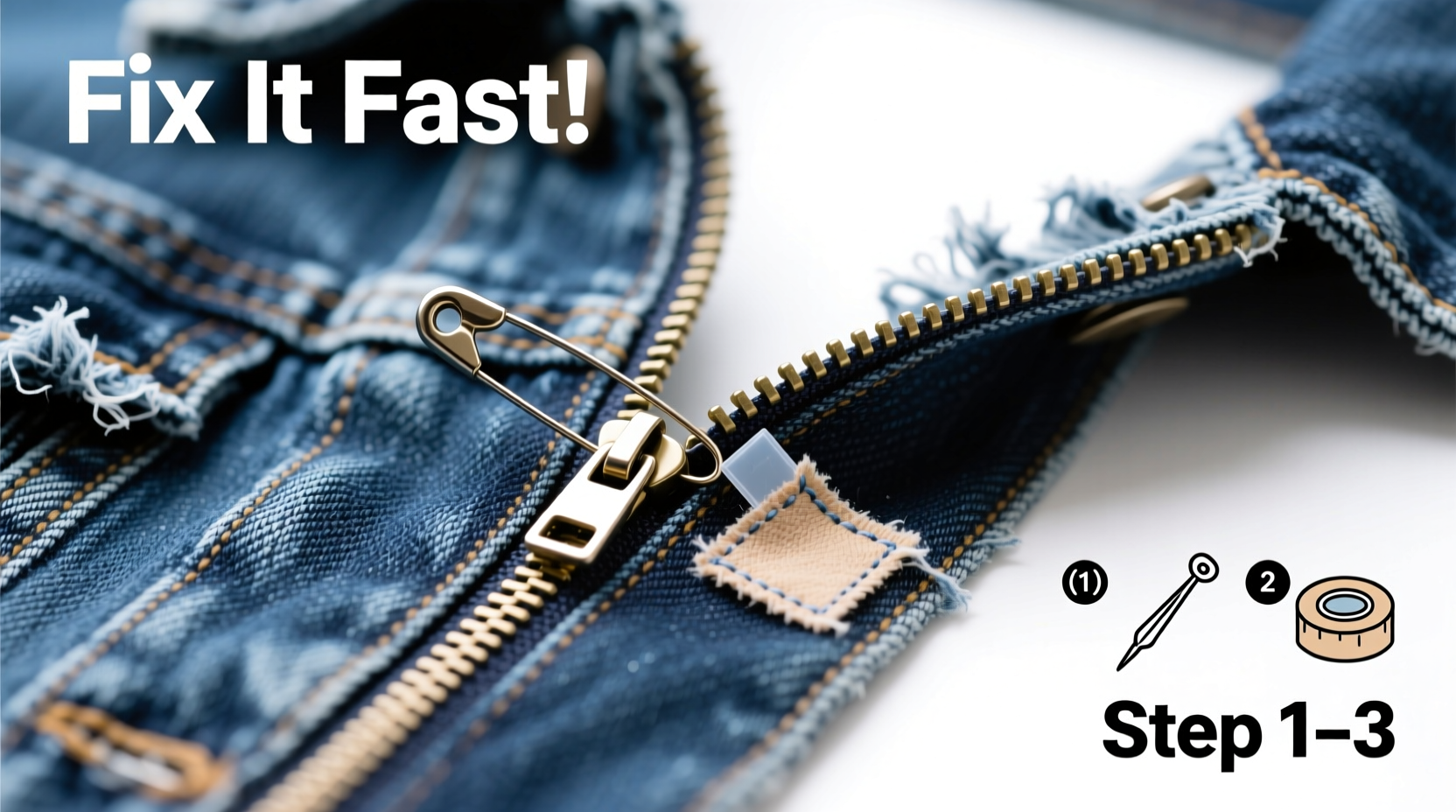
Zippers fail for a variety of reasons, many of which are preventable with proper care. The most common cause of a split zipper is misalignment between the two sides of the track. When the slider—the part that moves up and down—doesn’t engage both sets of teeth evenly, it forces them apart. Over time, repeated stress, especially on curved zippers (like those on jackets), wears down the mechanism.
Other contributing factors include:
- Dirt and debris buildup: Grime in the zipper track restricts movement and increases friction.
- Pulling too hard: Yanking the pull tab when resistance is felt can damage the teeth or dislodge the slider.
- Worn sliders: Metal or plastic sliders degrade over time, losing their grip on the teeth.
- Mismatched tension: One side of the zipper tape may be looser than the other due to stitching failure.
Knowing the root cause helps determine whether a quick field fix will suffice or if a more permanent repair is necessary.
Step-by-Step Guide: Realigning a Separated Zipper
If the slider has come off one side but the teeth are intact, realignment is often all that’s needed. This method works best on standard coil or molded plastic zippers commonly found on jackets.
- Remove the stopper (if necessary): Use needle-nose pliers to gently bend the small metal stopper at the bottom of the zipper. You only need to lift it enough to slide the mechanism back on—not remove it completely.
- Re-thread the slider: Slide the zipper pull back onto the track, ensuring both sides of the teeth are aligned inside the slider’s channel. Take care to position the slider right-side up; the pull tab should face outward.
- Reattach the stopper: Once the slider is properly seated, use pliers to crimp the stopper back into place. Apply even pressure to avoid damaging the fabric.
- Test the motion: Slowly zip up and down. If it catches, stop and check alignment. Do not force it.
If the slider no longer grips the teeth effectively, it may need replacement. However, in many cases, simply reseating it restores functionality.
DIY Fixes Without Special Tools
Not everyone has a sewing kit or spare zipper parts on hand. These clever hacks use everyday household items to get you through until a proper repair can be made.
1. The Keyring Trick
If the pull tab broke off, attach a small keyring or paperclip to the remaining slider nub. This creates a makeshift handle you can grip and operate. It won’t win fashion awards, but it works in a pinch.
2. The Crayon or Pencil Fix
Color the zipper teeth with a dry bar of soap, candle wax, or the side of a graphite pencil. This reduces friction and helps the slider glide smoothly. Avoid oils like WD-40—they attract dirt and degrade fabric over time.
3. The Bobby Pin Reinforcement
For a zipper that keeps separating mid-use, insert a bobby pin through the hole in the slider after closing. Open the pin slightly so it acts as a lock, preventing the slider from sliding down under pressure. Remove it when unzipping.
4. Temporary Tape Hold
In emergencies, use clear packing tape or double-sided tape along the inside seam to hold the two sides together below the zipper. While not durable, it prevents gaping and keeps you warm during short-term use.
When to Replace the Slider or Entire Zipper
Sometimes, realignment isn’t enough. If the slider is cracked, warped, or won’t stay on the track, replacement becomes necessary. Replacement sliders are available online in various sizes and styles (metal, plastic, auto-lock). Matching the size and type is crucial—measure the existing slider width or bring it to a hardware or fabric store for comparison.
To replace the slider:
- Remove the old slider by sliding it off the top (you may need to file down the top stopper).
- Slide the new one onto the track from the top.
- Reinstall the top stopper using pliers or sew a few stitches across the top to secure it.
If multiple teeth are missing or the track is warped, replacing the entire zipper is the best option. While this requires sewing skills or professional help, it ensures lasting durability. Many tailors charge less than $20 for jacket zipper replacements—a fraction of the cost of buying a new jacket.
| Issue | Fix Type | Tools Needed | Longevity |
|---|---|---|---|
| Slider came off | Realign & reseat | Pliers | Permanent if done correctly |
| Pull tab broken | Keyring or clip | None | Temporary |
| Stiff movement | Lubrication | Pencil/wax | Weeks to months |
| Missing teeth | Replace zipper | Sewing needle or tailor | Years |
| Separates while wearing | Bobby pin lock | Bobby pin | Short-term |
“Most people throw away clothing because of small mechanical failures like broken zippers. Learning basic repairs can cut textile waste in half.” — Dr. Lena Torres, Sustainable Fashion Researcher
Mini Case Study: Saving a Winter Jacket Before a Trip
Mark was preparing for a hiking trip in the Rockies when he noticed his trusted insulated jacket wouldn’t stay closed. The zipper kept splitting just below the chest level, exposing him to cold winds. He tried forcing it shut, worsening the misalignment.
Instead of buying a replacement, Mark followed a simple realignment process. He used pliers to loosen the bottom stopper, rethreaded the slider, and secured it back in place. After applying graphite from a pencil to the teeth, the zipper glided smoothly. To prevent future slippage, he added a small safety pin hidden behind the slider as a backup lock.
The fix took 15 minutes and cost nothing. His jacket performed flawlessly throughout the trip, proving that minor interventions can yield major results.
Checklist: How to Fix a Split Zipper in Under 20 Minutes
- Inspect the zipper: Are teeth damaged or just misaligned?
- Gather tools: Pliers, pencil, keyring, or bobby pin.
- Remove bottom stopper carefully if needed.
- Re-seat the slider onto both sides of the track.
- Reattach the stopper securely.
- Lubricate the teeth with graphite or wax.
- Test the zipper slowly—don’t force it.
- Apply a temporary lock (bobby pin) if separation persists.
- Plan for a permanent fix if wear is advanced.
Frequently Asked Questions
Can I fix a split zipper without removing it from the jacket?
Yes, in most cases. Realignment, lubrication, and pull-tab fixes can be done without detaching the zipper. Only full replacements require removal.
What if the zipper teeth are missing?
If several teeth are gone, especially near the base or top, the zipper cannot function properly. In this case, replacing the entire zipper is the only reliable solution.
Is it worth fixing an old jacket’s zipper?
Absolutely. High-quality jackets often outlast their zippers. Repairing one extends the garment’s life, saves money, and reduces environmental impact. Unless the fabric is severely worn, a zipper fix is almost always worthwhile.
Prevent Future Zipper Failures
Once you’ve fixed the issue, take steps to prevent recurrence. Prevention is faster and easier than repair.
- Close before dressing: Pulling a jacket on while unzipped strains the lower teeth.
- Clean regularly: Wipe down zippers after exposure to salt, sand, or sweat.
- Use gentle pressure: Let the zipper do the work—don’t yank.
- Store zipped: Keeps the track aligned and reduces stress on the slider.
- Inspect monthly: Catch small issues before they become big problems.
“The zipper is the weakest link in many outerwear designs, but also the easiest to maintain.” — Carlos Mendez, Outdoor Gear Technician
Conclusion: Small Repairs, Big Impact
A split zipper doesn’t mean the end of your favorite jacket. With a few simple tools and some careful attention, you can restore functionality quickly and affordably. From realigning a slipped slider to improvising a pull tab with a keyring, these hacks empower you to take control of your wardrobe’s longevity. Beyond convenience, repairing instead of replacing supports sustainability and smart consumption.




 浙公网安备
33010002000092号
浙公网安备
33010002000092号 浙B2-20120091-4
Comments
No comments yet. Why don't you start the discussion?