
Foundation is the cornerstone of any makeup look. When applied evenly, it evens out skin tone, minimizes imperfections, and creates a flawless base. Yet, even experienced users often struggle with patchiness, streaks, or an overly cakey appearance. Achieving a smooth, natural finish isn’t about using the most expensive product—it’s about technique, preparation, and understanding your skin’s needs. This guide breaks down the causes of uneven foundation and provides actionable solutions to correct and prevent them.
Why Foundation Goes Wrong: Common Causes of Uneven Application
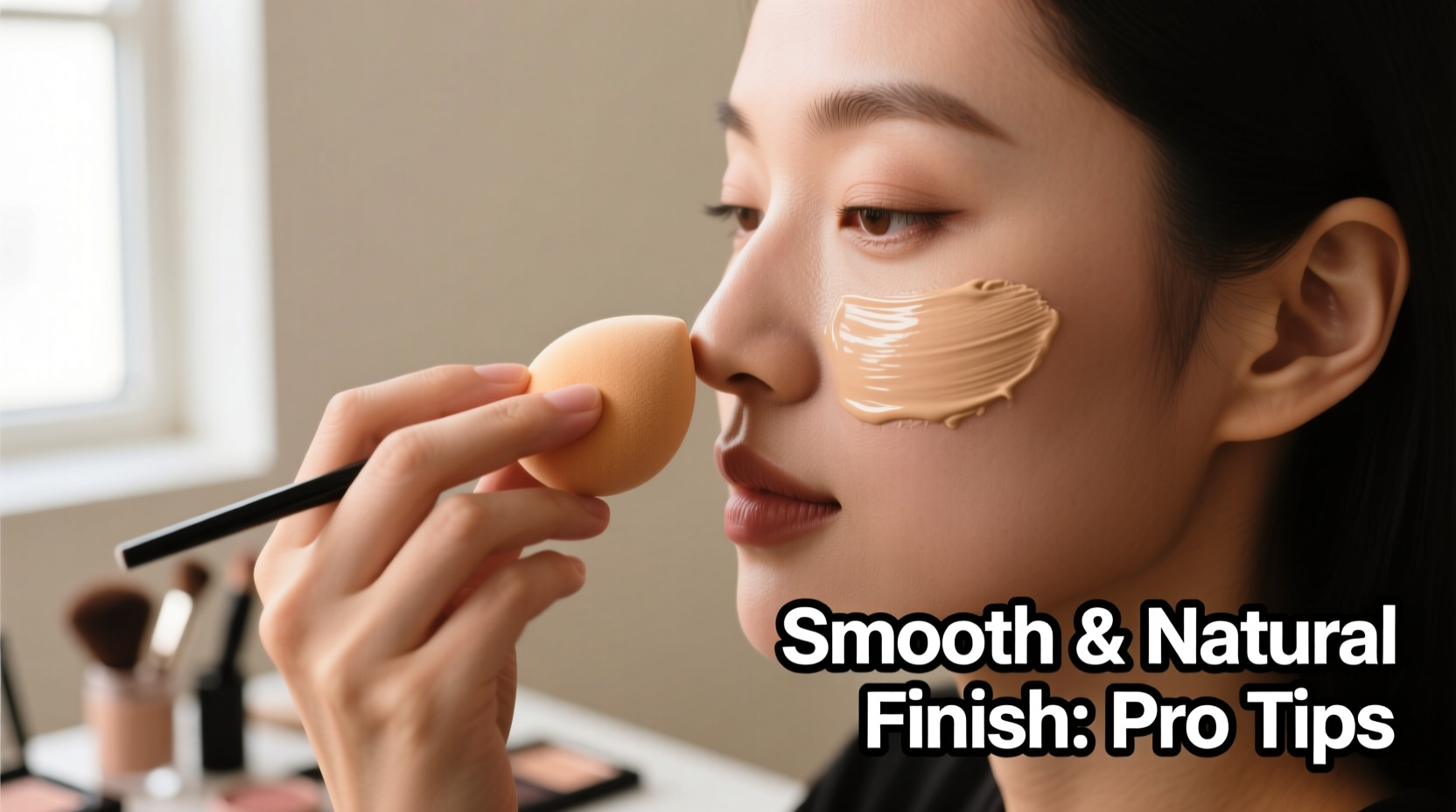
Before fixing uneven foundation, it's essential to understand what went wrong in the first place. Several factors contribute to poor application:
- Dry or dehydrated skin: Flaky patches repel foundation, causing it to settle into cracks and appear patchy.
- Oily skin: Excess sebum can break down foundation, leading to separation and shine in certain areas.
- Incorrect primer: Using a primer that doesn’t suit your skin type can cause pilling or sliding.
- Wrong applicator: Brushes, sponges, and fingers each distribute product differently—using the wrong tool leads to inconsistent coverage.
- Too much product: Overloading the skin overwhelms pores and texture, resulting in a heavy, unnatural finish.
- Mismatched formula: A full-coverage matte foundation on dry skin or a dewy formula on oily skin will not perform well.
The Right Prep: Building a Smooth Canvas
No foundation can look good on poorly prepped skin. Skincare is the invisible step behind every natural-looking makeup application.
- Cleanse gently: Use a mild cleanser suited to your skin type. Avoid stripping the skin, which triggers rebound oil production.
- Exfoliate weekly: Chemical exfoliants like lactic or salicylic acid remove dead cells without micro-tears caused by scrubs.
- Hydrate deeply: Apply a lightweight hydrating serum with hyaluronic acid, followed by a moisturizer that matches your skin’s needs—gel-based for oily skin, cream-based for dry.
- Prime strategically: Use a smoothing primer on textured areas, a pore-filling one on the nose, and a hydrating version on cheeks if needed.
Allow at least five minutes between skincare steps to let products absorb fully. Rushing this process traps moisture under foundation, leading to pilling—a common culprit behind unevenness.
Step-by-Step Guide: Correcting Uneven Foundation
If you’re already facing patchy or streaky foundation, don’t start over. Follow this timeline to fix it efficiently:
- Assess the problem zones: Look closely in natural light. Is the issue dryness (flaking), oiliness (shiny spots), or sheer coverage (visible skin through foundation)?
- Blot excess oil: Use a blotting paper on shiny areas. Avoid rubbing, which disturbs the existing product.
- Rehydrate dry patches: Dab a tiny amount of facial oil or moisturizer onto flaky areas using your fingertip. Gently press—don’t rub—to blend.
- Blend with a damp sponge: Use a slightly damp beauty sponge (like a Beautyblender) to bounce over uneven areas. The moisture helps reactivate the foundation and smooth transitions.
- Spot-correct with more product: If coverage is too thin, apply a rice-grain-sized amount of foundation only where needed. Blend outward seamlessly.
- Set selectively: Use a translucent powder only on areas that tend to crease or shine—under eyes, T-zone. Avoid over-powdering, which accentuates dryness.
- Lock with setting spray: A fine mist of hydrating setting spray melts layers together and removes any powdery cast.
Choosing the Right Tools and Techniques
The method of application dramatically affects finish quality. Each tool offers different results:
| Tool | Best For | Application Tip | Potential Pitfall |
|---|---|---|---|
| Fingers | Natural, skin-like finish; warming up thicker formulas | Use middle fingers to avoid dragging skin | Can lead to uneven distribution if not warmed properly |
| Damp Beauty Sponge | Sheer to medium buildable coverage; blending edges | Bounce—not drag—over skin to avoid pulling | May soak up too much product if over-squeezed |
| Synthetic Brush (Flat or Buffing) | Full coverage; precise application | Use circular motions for seamless diffusion | Streaking if bristles are too stiff or dirty |
For the most natural result, combine tools: use a brush to lay down product evenly, then refine edges with a sponge. This hybrid method balances control and softness.
Expert Insight: What Professionals Do Differently
“Most uneven foundation comes from rushing the prep or applying too much too soon. I always start with a pea-sized amount and build only where necessary. Skin should still read as skin.” — Lena Torres, Celebrity Makeup Artist
Torres emphasizes that less is more. She also recommends mixing a drop of facial oil into foundation for dry skin or a mattifying primer for oily complexions to customize the formula on the fly.
Prevention Checklist: How to Avoid Unevenness Before It Starts
Consistency in routine prevents most foundation mishaps. Follow this checklist before every application:
- ✅ Cleanse and tone skin gently
- ✅ Exfoliate 1–2 times per week (not on makeup days if sensitive)
- ✅ Apply hydrating serum and moisturizer; wait 5 minutes
- ✅ Use a targeted primer based on skin concern (pores, redness, dryness)
- ✅ Choose a foundation that matches both skin tone and undertone
- ✅ Test foundation on jawline in natural light
- ✅ Use the right amount—one pump or pea-sized dot for full face
- ✅ Warm product between fingers before applying
- ✅ Start from the center of the face and blend outward
- ✅ Set only where needed, not all over
Real Example: From Patchy to Perfect in 10 Minutes
Sarah, a 32-year-old teacher, regularly wears foundation but often found it looked uneven by mid-morning—especially around her nose and chin. After teaching back-to-back classes, she’d notice flakiness near her nostrils and shine across her forehead.
She consulted a local esthetician who reviewed her routine. The issue? Sarah was using a creamy, full-coverage foundation designed for dry skin—but only on her dry cheeks. Her T-zone was oily, causing separation. She also skipped primer and used a synthetic brush that absorbed little product, forcing her to apply multiple layers.
The solution:
- Switched to a lightweight, buildable formula suitable for combination skin
- Applied a mattifying primer on her T-zone and hydrating one on cheeks
- Used a damp sponge for blending instead of a dense brush
- Limited foundation to areas needing correction, rather than full-face coverage
Within days, her foundation stayed even for eight hours. The change wasn’t in the brand, but in alignment with her skin’s reality.
Do’s and Don’ts of Natural-Looking Foundation
| Do | Don’t |
|---|---|
| Match foundation to your neck and jawline in daylight | Rely solely on indoor lighting when choosing shade |
| Build coverage gradually | Apply three layers at once to hide redness |
| Blend foundation down the neck to avoid lines | Stop at the jaw, creating a visible contrast |
| Wash sponges and brushes weekly | Use dirty tools that harbor bacteria and clump product |
| Use setting spray to melt everything together | Skip setting entirely, risking oxidation and fading |
One overlooked habit is cleaning tools. A grimy sponge doesn’t just harbor bacteria—it disrupts even application by absorbing product inconsistently and leaving streaks.
FAQ: Your Foundation Questions Answered
Why does my foundation look patchy after it dries?
Drying patchiness usually stems from dehydration or incompatible skincare underneath. Moisturizers with silicones or oils can pill when layered with silicone-based foundations. Try switching to water-based moisturizers or allow longer absorption time. Exfoliating weekly also prevents dead skin buildup that causes flaking.
Can I mix foundation with moisturizer for a lighter finish?
Yes, but do so sparingly. Mixing with moisturizer dilutes coverage and may affect longevity. Instead, opt for a tinted moisturizer or sheer foundation if you prefer minimal coverage. If combining, use equal parts and shake in a small container to emulsify properly.
How do I stop foundation from settling into fine lines?
Prevention starts with hydration. Use a plumping serum with peptides or hyaluronic acid before makeup. Avoid heavy powders under the eyes. Instead, set lightly with a hydrating setting spray and use a brightening concealer only where needed. Also, ensure your foundation isn’t too thick or drying for your age and skin type.
Conclusion: Mastering the Art of Imperfect Perfection
A flawless foundation finish isn’t about erasing your skin—it’s about enhancing it. The most natural looks embrace texture, variation, and individuality. By addressing root causes like improper prep, incorrect tools, or mismatched formulas, you gain control over the outcome. Small adjustments in routine, from skincare timing to sponge dampness, yield dramatic improvements.
Remember, makeup should serve you—not stress you. Take a moment each day to assess your skin’s condition and adapt accordingly. Dry today? Add a drop of oil. Oily tomorrow? Reach for a mattifying primer. Flexibility and observation are the true secrets behind consistently even application.




 浙公网安备
33010002000092号
浙公网安备
33010002000092号 浙B2-20120091-4
Comments
No comments yet. Why don't you start the discussion?