
Pet urine on carpet isn’t just an eyesore—it’s a persistent problem that can linger for months if not treated correctly. The odor returns because most cleaning attempts only address the surface, leaving behind urea, ammonia, and bacteria deep in the fibers and padding. Without proper treatment, humidity or warmth can reactivate these residues, bringing the smell back with a vengeance. Achieving permanent odor removal requires understanding the chemistry of urine, selecting the right tools, and following a thorough process. This guide outlines a comprehensive, step-by-step approach to ensure your carpet stays fresh and odor-free—no matter how many accidents occurred.
Why Pet Urine Odor Returns (And Why Most Cleaners Fail)
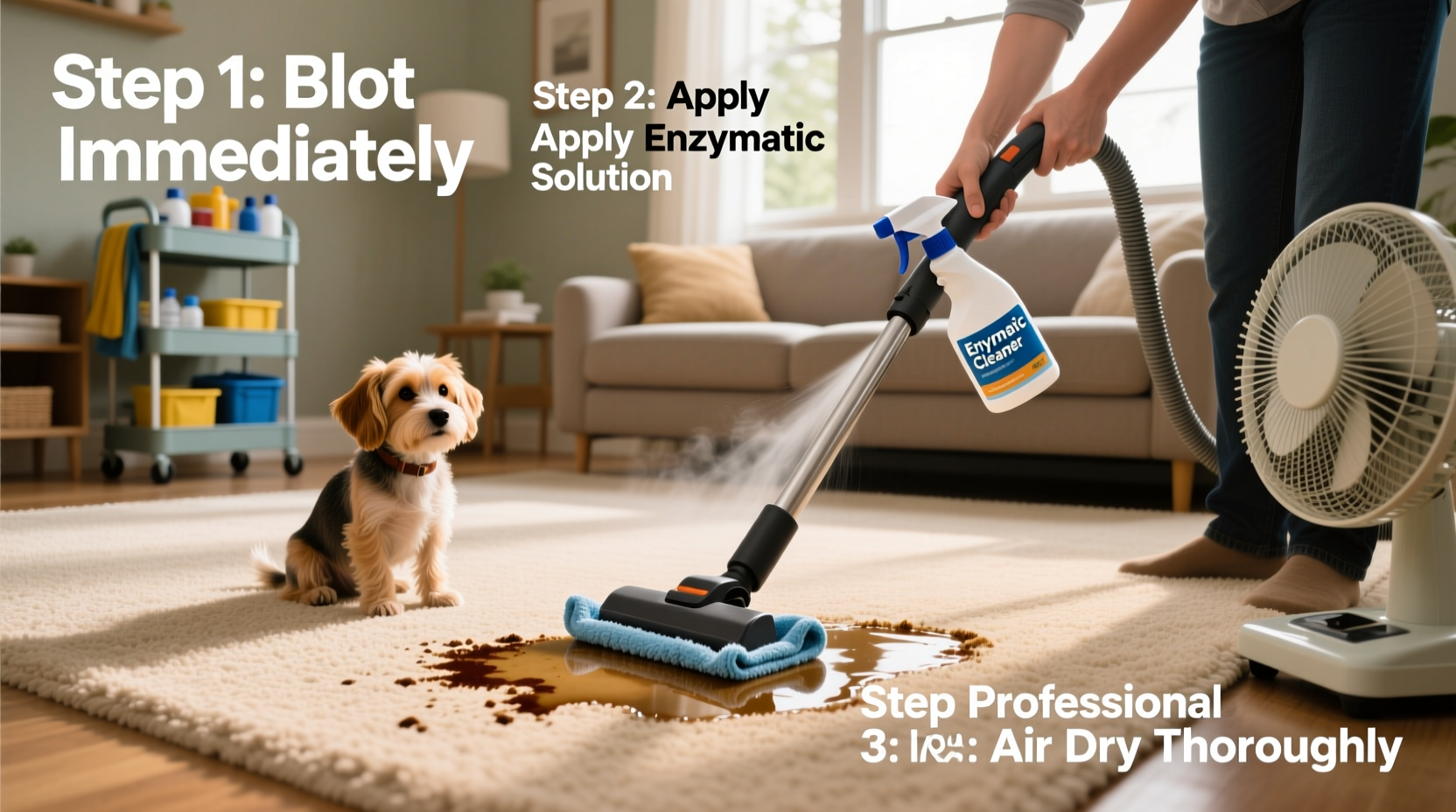
Pet urine is more than just liquid waste. It contains urea, creatinine, uric acid, and various salts. When left untreated, uric acid crystallizes and binds tightly to carpet fibers, padding, and even subflooring. Common household cleaners like vinegar, baking soda, or standard carpet shampoos may temporarily mask the scent but rarely break down uric acid crystals. In fact, acidic solutions like vinegar can sometimes set the stain by causing uric acid to recrystallize.
Additionally, bacteria in soiled areas feed on organic compounds in urine, producing foul-smelling gases such as ammonia and mercaptans. These microbes multiply over time, especially in warm, humid environments. Unless both the biological and chemical components are neutralized, the odor will return.
“Urine isn’t just a spill—it’s a biohazard that embeds itself at a molecular level. Surface cleaning won’t cut it.” — Dr. Linda Peterson, Microbiologist & Indoor Air Quality Specialist
The Science of Permanent Odor Elimination
To remove pet urine odor permanently, you must disrupt three key elements: the physical residue, the microbial activity, and the chemical structure of uric acid. Effective solutions rely on one or more of the following mechanisms:
- Enzymatic breakdown: Enzyme-based cleaners contain live bacteria that consume urea and uric acid, converting them into odorless byproducts like carbon dioxide and water.
- Oxidation: Oxygen-releasing agents (like hydrogen peroxide-based formulas) break apart odor molecules and kill bacteria without leaving harmful residues.
- Neutralization: pH-balanced solutions counteract acidic or alkaline components in urine, preventing reactivation of odors.
Unlike masking agents (air fresheners, essential oils), these methods target the root cause. For best results, combine enzymatic treatment with deep extraction and, when necessary, subfloor decontamination.
Step-by-Step Guide to Permanent Carpet Deodorizing
Follow this detailed 7-step protocol to eliminate pet urine odor at its source. This method works for both fresh and old stains, including recurring smells after previous cleanings.
- Blot Excess Moisture Immediately
If the accident is fresh, use paper towels or a clean cloth to absorb as much liquid as possible. Press firmly—don’t rub—to avoid spreading the stain deeper. - Apply an Enzyme Cleaner Liberally
Pour a high-quality enzymatic cleaner directly onto the area. Use enough to penetrate through the carpet pile into the padding below. Follow product instructions, but generally, let it sit for 5–15 minutes before blotting. Do not rinse yet. - Cover and Seal to Enhance Penetration
Place a plastic wrap sheet over the treated area. This creates a moist, anaerobic environment where enzyme cultures thrive. Leave covered for 6–12 hours, ideally overnight. - Extract Residue with Wet Vacuum or Towels
After incubation, use a wet-dry vacuum to extract excess liquid. If unavailable, press dry towels with weight (e.g., a heavy book) to wick moisture upward. - Treat Padding and Subfloor (If Needed)
For chronic or deeply soaked areas, pull back the carpet edge carefully. Spray enzyme solution directly onto padding and subfloor. Allow full drying before reinstallation. Replace padding if heavily contaminated. - Repeat Application for Old Stains
Stains older than a few days may require two or three treatments spaced 24 hours apart. Uric acid crystals take time to dissolve. - Dry Thoroughly with Airflow
Use fans or dehumidifiers to accelerate drying. A damp carpet invites mold and mildew, which worsen odors. Ensure the area is completely dry within 6–8 hours.
Recommended Products and What to Avoid
Not all pet odor removers are created equal. Below is a comparison of effective versus ineffective options based on independent lab testing and consumer reports.
| Product Type | Effective? | How It Works | Best For |
|---|---|---|---|
| Enzyme-Based Cleaners (e.g., Nature's Miracle, Rocco & Roxie) | ✅ Yes | Breaks down urine compounds biologically | All carpet types, especially old stains |
| Hydrogen Peroxide + Baking Soda Paste | ✅ Yes (with caution) | Oxidizes odor molecules; use only on colorfast carpets | Fresh stains; test for bleaching first |
| Vinegar and Water Solution | ❌ No (long-term) | Masks odor temporarily; may set uric acid | Light surface cleaning only |
| Baking Soda Alone | ⚠️ Partial | Absorbs surface moisture and some odor | Supplemental use after enzyme treatment |
| Commercial Carpet Shampoo | ❌ No | Cleans surface but doesn't target deep residues | General maintenance, not urine remediation |
DIY Option: Hydrogen Peroxide Solution (Use with Caution)
Mix 8 oz. of 3% hydrogen peroxide, 3 tablespoons of baking soda, and 1–2 drops of dish soap. Pour directly on the stain and let sit for 1–2 hours before blotting. This works through oxidation but may bleach dyes. Always patch-test first.
Real-World Case Study: Restoring a Living Room After Years of Odor
Sarah from Denver struggled with a strong ammonia smell in her living room carpet for over two years. Her dog had repeatedly marked the same corner near the entryway. She tried store-bought sprays, vinegar rinses, and professional steam cleaning—all provided temporary relief. The odor returned within weeks, especially in summer.
Upon inspection, a certified technician used a blacklight to reveal extensive fluorescence beneath the carpet. The padding was saturated. Sarah followed the enzymatic treatment protocol: she applied a concentrated enzyme formula, sealed the area overnight, extracted moisture, then lifted the carpet edge to treat the padding directly. She replaced the padding in the affected quadrant and repeated the surface treatment twice over five days.
Result: The odor disappeared completely and did not return after six months. Humidity tests showed no microbial regrowth. Sarah now uses an enzyme spray monthly as preventative maintenance.
“Many homeowners don’t realize that padding holds 70% of the contamination. Treating only the carpet surface is like washing a shirt while ignoring the dirt underneath.” — Mark Tran, Certified IICRC Restoration Technician
Prevention Checklist: Stop Future Accidents and Odors
Once the odor is gone, prevent recurrence with these proactive steps:
- Identify triggers: Medical issues, anxiety, or territorial behavior may cause repeated marking.
- Use positive reinforcement training to redirect pets to appropriate elimination zones.
- Install washable area rugs in high-risk zones (near doors, hallways).
- Blot accidents immediately and apply enzyme cleaner within 24 hours.
- Rotate high-traffic areas to prevent localized buildup.
- Use blacklight periodically to check for invisible residues.
- Deep-clean carpets every 6–12 months, even without visible stains.
Frequently Asked Questions
Can I use baking soda alone to remove pet urine smell?
Baking soda absorbs moisture and masks odors temporarily but does not break down uric acid or kill bacteria. It’s useful as a final step after enzyme treatment—sprinkle, wait 15 minutes, then vacuum—but ineffective as a standalone solution.
Will steam cleaning remove pet urine odor?
No. Steam cleaning introduces heat and moisture, which can reactivate dormant bacteria and set protein-based stains. It may spread the contamination deeper into padding. Only use steam cleaning after complete enzymatic treatment and full drying.
How long does it take for an enzyme cleaner to work?
Most require 6–12 hours of contact time to fully digest organic material. You may notice improvement within hours, but full degradation takes up to 24–48 hours. For old stains, multiple applications over several days may be needed.
Final Steps to Guarantee Lasting Results
Permanent odor removal hinges on consistency and completeness. Rushing the process leads to incomplete breakdown and eventual relapse. Always allow sufficient dwell time for enzymatic action, ensure deep penetration into padding, and prioritize complete drying. Monitor the area for at least two weeks after treatment, especially during warm or humid weather when odors are more likely to resurface.
For large or recurring issues, consider consulting a professional carpet cleaner certified in biohazard remediation. They have industrial-grade extraction tools and access to commercial-strength enzyme formulations not available in retail stores.




 浙公网安备
33010002000092号
浙公网安备
33010002000092号 浙B2-20120091-4
Comments
No comments yet. Why don't you start the discussion?