
Winter brings cozy sweaters, warm layers, and unfortunately, one persistent annoyance: static cling. As humidity drops and indoor heating dries the air, synthetic fabrics rub against each other, building up an electric charge that causes clothes to stick uncomfortably to your body or crackle when touched. This isn’t just a minor irritation—it can ruin an outfit’s appearance and make dressing a daily chore. The good news is that static cling is both preventable and fixable with simple, practical strategies grounded in physics and fabric care.
Understanding why static occurs—and how materials, moisture, and environment interact—is the first step toward eliminating it. From laundry adjustments to on-the-go fixes, this guide provides actionable solutions backed by textile experts and real-world experience.
The Science Behind Winter Static Cling
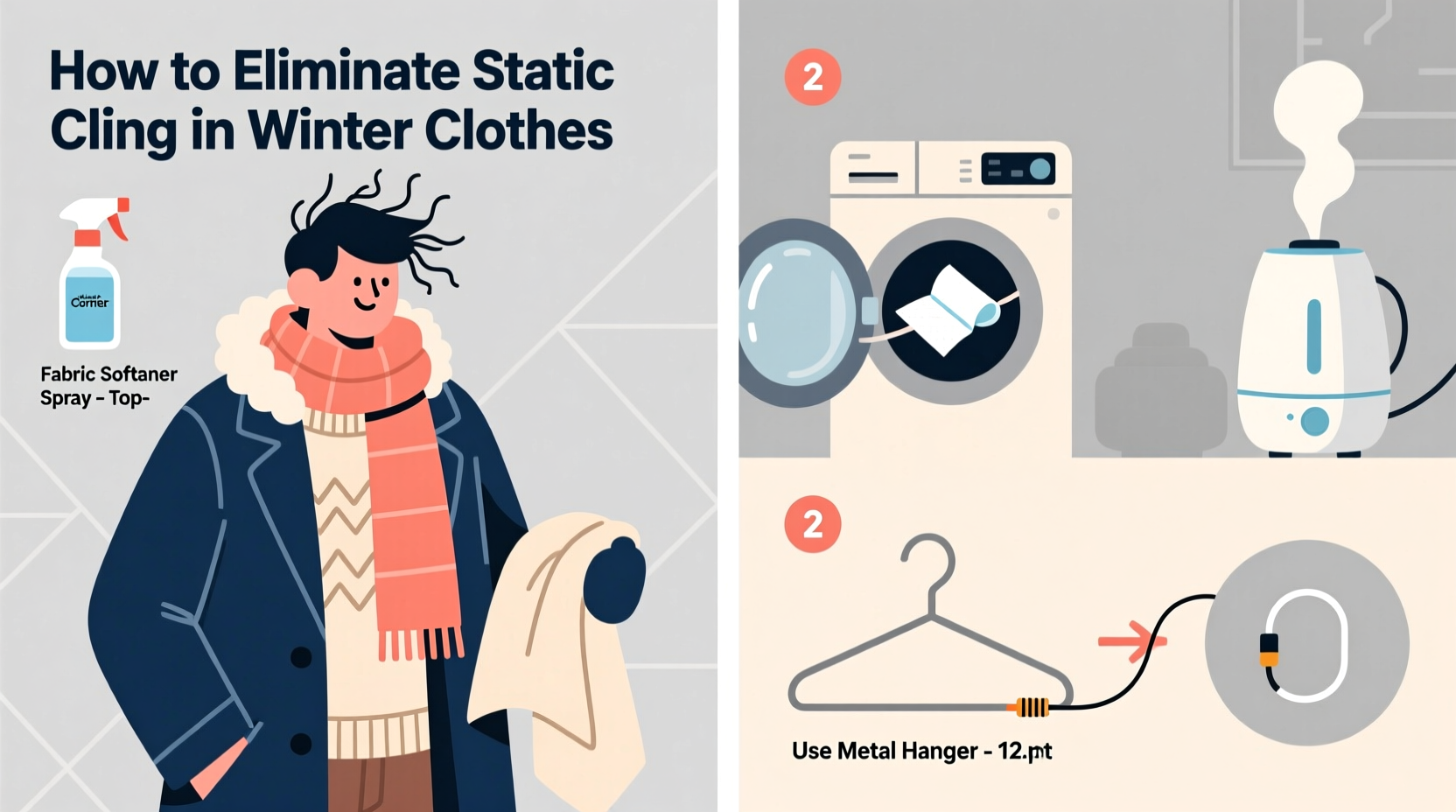
Static electricity forms when two surfaces rub together and transfer electrons, creating an imbalance of electrical charge. In winter, low humidity levels—often below 30% indoors—prevent moisture from dissipating this charge. Dry air acts as an insulator, allowing electrons to build up on clothing fibers, especially synthetics like polyester, nylon, and acrylic. When you move, these charged garments attract or repel each other, causing clinging, snapping, or even hair standing on end.
Natural fibers such as cotton, wool, and linen are less prone to static because they retain more moisture. However, many winter garments blend natural and synthetic materials, increasing the risk. Layering exacerbates the problem, as multiple fabrics constantly rub throughout the day.
“Low humidity is the primary culprit behind winter static. When indoor air falls below 40% relative humidity, static buildup becomes almost inevitable.” — Dr. Lena Patel, Textile Physicist at the Institute for Material Innovation
Prevent Static at the Source: Laundry Solutions
The best defense against static cling begins in the laundry room. How you wash and dry clothes significantly impacts their tendency to generate static. By adjusting your routine slightly, you can reduce or eliminate the issue before garments even reach your closet.
Use Less Detergent and Avoid Over-Drying
Excess detergent leaves residues that trap static charge. Follow manufacturer guidelines and consider using slightly less than recommended, especially in soft water areas. More importantly, over-drying clothes removes all residual moisture, turning fabrics into perfect conductors for static. Remove clothes from the dryer while still slightly damp and air-dry the rest of the way.
Incorporate Natural Fabric Softeners
Vinegar and wool dryer balls are effective, chemical-free alternatives to commercial dryer sheets. Add ½ cup of white vinegar to the rinse cycle to soften fibers and neutralize static. Unlike synthetic softeners, vinegar doesn’t coat fabrics with residue that reduces absorbency or increases flammability.
- Wool dryer balls: Toss 3–6 into the dryer. They separate clothes, reduce drying time by up to 25%, and absorb moisture to minimize static.
- Vinegar rinse: Use in every load with sensitive skin-safe detergents.
- Baking soda: Add ¼ cup to the wash cycle to balance pH and soften water, reducing friction between fibers.
Avoid Synthetic Dryer Sheets
While marketed to reduce static, conventional dryer sheets contain quaternary ammonium compounds that coat fabrics with a thin layer of chemicals. These may temporarily neutralize charge but can irritate sensitive skin, degrade fabric quality over time, and contribute to environmental pollution. Opt for reusable options instead.
Immediate Fixes for Static Cling On-the-Go
Sometimes, despite precautions, static strikes midday. Whether your skirt is clinging to your tights or your shirt is zapping your hand, quick remedies exist using common household items.
Moisturizer or Hand Lotion
Apply a small amount of unscented lotion to your hands and lightly run them down the inside of the garment. The moisture disrupts the static field. Focus on areas most affected—thighs, back, or underarms—without over-saturating the fabric.
Mist with Water
Fill a small spray bottle with plain water and lightly mist the inside of the garment. One or two sprays are usually enough. Allow the fabric to air dry for a minute before wearing. For delicate materials, test on an inconspicuous area first.
Carry a Metal Hanger or Safety Pin
Touching a metal object grounds the electrical charge. Run a metal hanger over the inside of your clothes or pin a safety pin to a seam—its metallic surface will disperse static throughout the day.
| Fix | How It Works | Best For |
|---|---|---|
| Water mist | Adds moisture to neutralize charge | Dresses, skirts, lightweight layers |
| Lotion on hands | Transfers skin moisture to fabric | Tights, pants, long sleeves |
| Metal object (hanger, pin) | Grounds static electricity | All garments, especially synthetics |
| Hairspray (light application) | Coats fibers with conductive polymers | Emergency only; avoid silk/delicates |
Optimize Your Wardrobe and Environment
Long-term reduction of static requires changes beyond laundry. Your clothing choices, home environment, and even footwear play critical roles.
Choose Natural Fibers When Possible
Prioritize cotton, silk, wool, and linen in base layers. These materials naturally wick moisture and resist charge buildup. If you must wear synthetics, layer them over natural fabrics to reduce direct skin contact and friction.
Invest in a Humidifier
Maintaining indoor humidity between 40% and 60% dramatically reduces static. A cool-mist humidifier in your bedroom or living area helps preserve skin moisture and prevents clothes from becoming electrified. Digital hygrometers (available for under $15) let you monitor levels accurately.
Wear Leather-Soled Shoes
Rubber soles insulate your body from the ground, trapping static charge. Leather soles, conversely, allow gradual discharge as you walk. If you can’t switch footwear, touch a grounded metal object (like a door knob or radiator) before touching electronics or other people.
Step-by-Step Guide to a Static-Free Morning Routine
Follow this sequence each morning during winter to minimize static before it starts:
- Check indoor humidity: Use a hygrometer. If below 40%, turn on your humidifier 30 minutes before getting dressed.
- Prepare clothes the night before: Hang garments in the bathroom after a hot shower to absorb steam and add moisture.
- Moisturize skin: Apply lotion immediately after showering to hydrate skin, reducing personal charge buildup.
- Layer wisely: Start with cotton undergarments, then add wool or blended layers. Avoid rubbing synthetics directly together.
- Use a wooden or boar-bristle brush: Brush hair and clothes gently to reduce surface charge.
- Final check: Before leaving, lightly run hands over clothes. If you feel attraction or hear crackling, mist with water or apply lotion to inner seams.
Real-Life Example: Office Worker Conquers Winter Static
Sarah, a project manager in Chicago, struggled every winter with her wool-blend skirt sticking to her tights and her blouse clinging to her cardigan. She often received comments about “zapping” coworkers during handshakes. After researching, she made three key changes: she started using wool dryer balls, placed a humidifier on her desk, and switched to leather-soled boots. Within a week, static incidents dropped by 90%. “I didn’t realize how much my rubber-soled shoes were making it worse,” she said. “Now I dress confidently without worrying about my clothes misbehaving.”
Do’s and Don’ts of Managing Static Cling
| Action | Verdict | Reason |
|---|---|---|
| Use wool dryer balls | ✅ Do | Naturally reduce drying time and static without chemicals |
| Over-dry clothes in the dryer | ❌ Don’t | Removes all moisture, increasing static potential |
| Wear cotton underlayers | ✅ Do | Cotton absorbs moisture and minimizes charge transfer |
| Use plastic combs on dry hair | ❌ Don’t | Generates additional static that transfers to clothing |
| Run a metal hanger over clothes | ✅ Do | Instantly discharges built-up electricity |
Frequently Asked Questions
Can I use hairspray to stop static in clothes?
Yes, but sparingly. A light spray on the inside of a garment can neutralize static due to its alcohol and polymer content. However, repeated use may stain or stiffen fabric, especially silks and rayons. Always test in a hidden area first and avoid spraying near open flames.
Why do some clothes cling more than others?
Synthetics like polyester and nylon have low moisture absorption, making them prone to holding electrical charges. Tight weaves and smooth textures also increase friction. Garments with linings, especially synthetic ones, create double-layer rubbing, amplifying static. Blends with higher synthetic content (>50%) are most likely to cling.
Does fabric softener really help with static?
Liquid fabric softeners can reduce static by coating fibers with lubricants that decrease friction. However, they may leave residues that reduce wicking ability and breathability. For a residue-free option, choose plant-based softeners or stick with vinegar and wool balls.
Final Checklist: Eliminate Static Cling This Winter
- ☑️ Monitor indoor humidity (aim for 40–60%)
- ☑️ Use wool dryer balls or vinegar in the rinse cycle
- ☑️ Avoid over-drying clothes—remove while slightly damp
- ☑️ Wear natural fiber base layers (cotton, silk, wool)
- ☑️ Carry a travel-sized water spritz bottle for emergencies
- ☑️ Moisturize skin daily to reduce personal charge
- ☑️ Choose leather-soled shoes over rubber when possible
- ☑️ Ground yourself by touching metal before dressing or shaking hands
Take Control of Winter Static Today
Static cling doesn’t have to be an unavoidable winter nuisance. With a few smart adjustments to your laundry habits, wardrobe choices, and home environment, you can move freely and confidently through the colder months. The solutions are simple, affordable, and sustainable—no need for chemical-laden products or last-minute fixes. Start by introducing one or two changes, like adding wool dryer balls or placing a humidifier in your bedroom. Track the difference over a week. You’ll likely notice smoother clothes, fewer shocks, and a more comfortable daily routine.




 浙公网安备
33010002000092号
浙公网安备
33010002000092号 浙B2-20120091-4
Comments
No comments yet. Why don't you start the discussion?