
There’s something deeply satisfying about snipping fresh basil for your pasta or adding a sprig of thyme to a stew—all from a plant you grew yourself. The best part? You don’t need a garden, a greenhouse, or even special equipment. All you need is a sunny windowsill and a few basic supplies. Growing herbs indoors is not only possible without advanced tools, it can be one of the most rewarding and practical ways to bring life into your kitchen. Whether you live in an apartment, have limited outdoor space, or just want fresh flavor on demand, this guide will show you how to succeed with nothing more than natural light and everyday household items.
Why Windowsill Herb Gardening Works
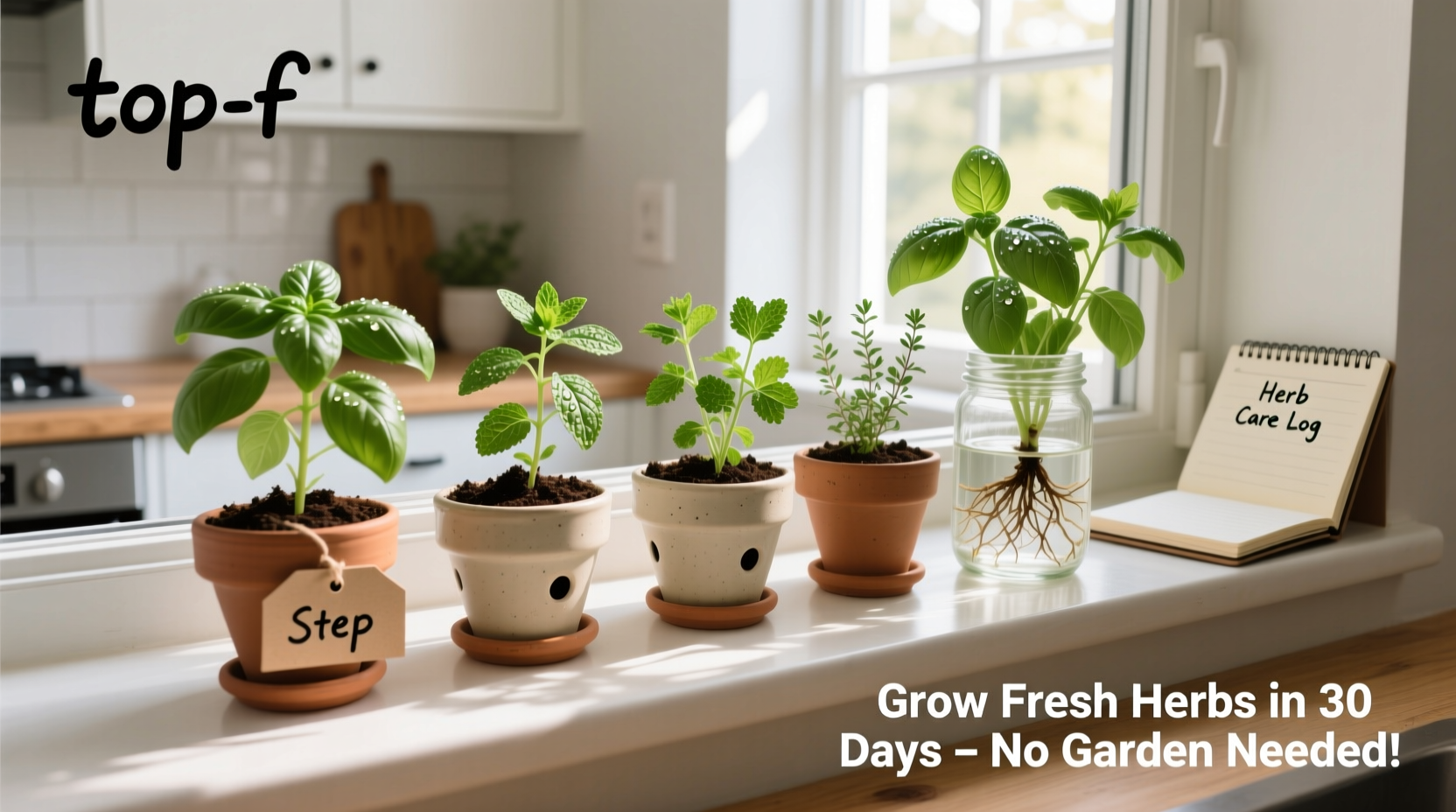
Many common culinary herbs thrive in conditions that mimic their native Mediterranean environments: bright light, good airflow, and well-drained soil. A south-facing window often provides enough sunlight—typically 4 to 6 hours of direct light per day—to support healthy growth. Herbs like basil, oregano, thyme, and mint are naturally resilient and adapt well to container life. Unlike vegetables or fruiting plants, they don’t require pollinators or complex nutrient regimens. Their compact size makes them ideal for small spaces, and their shallow root systems mean they don’t need deep pots.
The key is choosing the right herbs and managing expectations. While you won’t harvest bushels from a single pot, consistent clipping encourages bushier growth and ensures a steady supply. Over time, you’ll learn how each herb responds to your home’s unique light, temperature, and humidity levels. With minimal investment and daily attention, your windowsill can become a mini farm delivering freshness straight to your meals.
Best Herbs for Low-Tech Indoor Growing
Not all herbs are equally suited to indoor life. Some demand intense light or go dormant in winter, while others flourish with minimal care. Here are the top performers for a windowsill setup:
- Basil – Loves warmth and bright light. Pinch off the top leaves regularly to prevent flowering and encourage bushiness.
- Thyme – Hardy and drought-tolerant. Prefers slightly drier soil and excellent drainage.
- Oregano – Thrives in full sun and doesn’t like wet feet. A little goes a long way in cooking.
- Parsley – A biennial that grows slowly at first but rewards patience. Needs consistent moisture.
- Mint – Grows aggressively, so keep it in its own pot. Tolerates lower light but prefers bright indirect sun.
- Chives – Easy to grow from seed or division. Regrows quickly after cutting.
- Dill – Best grown from seed each season. Likes cooler temperatures and plenty of light.
Avoid rosemary and sage if your window isn’t exceptionally bright—they tend to stretch, weaken, or rot indoors unless given supplemental light. Stick with the hardy, fast-growing varieties above for reliable results.
Simple Setup: What You Actually Need
You don’t need grow lights, hydroponics, or smart sensors. Here’s what works with zero fancy gear:
- A Sunny Window – South-facing is ideal. East or west can work if light is unobstructed. Watch for shadows cast by buildings or trees, especially in winter.
- Containers with Drainage – Use any small pot with holes in the bottom. Repurpose yogurt cups, mason jars (with drilled holes), or ceramic planters. Without drainage, roots suffocate in soggy soil.
- Potting Mix – Never use garden soil. It compacts in containers and may carry pests. Choose a lightweight, peat-based mix labeled for containers. Add perlite or coarse sand (about 20%) to improve drainage.
- Herb Seeds or Starter Plants – Seeds are cheaper and offer variety. Starter plants from a nursery give you a head start. Look for compact or dwarf varieties when possible.
- Watering Can or Cup – Precision matters. Overwatering is the #1 cause of indoor herb death. Use a small spout or measuring cup to avoid flooding.
That’s it. No timers, no misters, no fertilizer at first. Let the plants acclimate before introducing extras.
Step-by-Step: Planting and Care Timeline
Follow this simple 8-week timeline to establish thriving herbs:
| Week | Action | Goal |
|---|---|---|
| 1 | Fill clean pots with moistened potting mix. Plant seeds or transplant starters. | Establish strong root contact and proper depth. |
| 2 | Place on sunny windowsill. Water lightly when top inch of soil feels dry. | Encourage germination or recovery from transplant shock. |
| 3 | Thin seedlings if overcrowded. Begin gentle pinching of leaf tips on basil and mint. | Promote branching instead of leggy growth. |
| 4 | Check for signs of stress: yellow leaves (overwatering), drooping (underwatering), stretching (low light). | Adjust care based on plant feedback. |
| 5 | Start harvesting! Snip no more than 1/3 of the plant at once. | Stimulate new growth and enjoy fresh flavor. |
| 6 | Inspect undersides of leaves for pests like aphids or spider mites. | Catch infestations early with a damp cloth or mild soap spray. |
| 7 | Consider adding diluted liquid fertilizer (half-strength) every 2–3 weeks if growth slows. | Replenish nutrients lost through watering. |
| 8 | Rotate pots weekly. Replace weak plants if needed. | Maintain balance and maximize light use. |
This rhythm builds confidence and helps you tune into your herbs’ needs. Plants respond quickly to changes, so small adjustments make a big difference.
Common Mistakes and How to Avoid Them
Even simple gardening has pitfalls. Awareness prevents frustration.
- Overwatering – The biggest killer. Wait until the soil feels dry an inch down before watering. When in doubt, wait another day.
- Using the Wrong Soil – Garden soil settles and blocks oxygen. Always use a porous potting mix.
- Ignoring Airflow – Stagnant air invites mold and pests. Crack a window occasionally or gently brush leaves with your hand to simulate breeze.
- Harvesting Too Much at Once – Removing more than a third stresses the plant. Snip small amounts frequently instead.
- Letting Plants Flower – Once herbs bolt, flavor declines and energy shifts to seed production. Pinch off buds promptly.
“Plants grown on windowsills teach you to observe. The curl of a leaf, the tilt toward light—these are silent messages.” — Dr. Lena Patel, Urban Horticulturist, Brooklyn Botanic Garden
Real Example: Maria’s Kitchen Sill Transformation
Maria, a teacher in Chicago, lived in a fourth-floor walk-up with one kitchen window facing south. She’d tried growing herbs before but always ended up with wilted stems or pale, spindly growth. After reading about drainage and light rotation, she started over. She cleaned out three small terracotta pots, added extra perlite to her potting mix, and planted basil, thyme, and chives from seed.
She placed them directly on the sill, rotated them every Tuesday and Friday, and watered only when the soil felt dry. She resisted harvesting for six weeks, then began snipping chive tops for scrambled eggs. By week ten, her basil was bushy enough to make a small batch of pesto. “I didn’t think I had a green thumb,” she said. “But now I look forward to morning coffee with my little garden. It feels alive.”
Maria’s success wasn’t due to special skills—it came from consistency and listening to her plants.
Essential Care Checklist
Use this checklist weekly to stay on track:
- ☐ Check soil moisture with finger test
- ☐ Rotate pots for even light
- ☐ Remove dead or yellowing leaves
- ☐ Inspect for pests (look under leaves!)
- ☐ Harvest gently, never more than 1/3
- ☐ Wipe dust off leaves with damp cloth
- ☐ Ensure window is unobstructed by curtains or blinds during daylight
Hang this list nearby or set a phone reminder. Small habits compound into lush growth.
Frequently Asked Questions
Can I grow herbs on a north-facing window?
North-facing windows receive the least light, making them challenging for most herbs. However, parsley and mint may survive with supplemental artificial light (like a desk lamp left on a few hours daily). Otherwise, consider using reflective surfaces (white paper or foil behind pots) to maximize available light.
How often should I water my windowsill herbs?
It depends on room temperature, humidity, and season. In winter, herbs may need water only once every 7–10 days. In summer, every 3–5 days. Always check the soil first. Stick your finger in—dry at the first knuckle means it’s time. When watering, do so slowly until excess drains out the bottom, then empty the saucer after 15 minutes.
Do I need to fertilize indoor herbs?
Not at first. Potting mix contains enough nutrients for 4–6 weeks. After that, a diluted liquid fertilizer (fish emulsion or seaweed extract) applied every 3–4 weeks supports sustained growth. Avoid synthetic fertilizers—they can build up salts and burn roots in containers.
Final Thoughts and Next Steps
Growing herbs indoors without a fancy setup isn’t just possible—it’s empowering. You don’t need expertise, expensive gear, or perfect conditions. You need observation, patience, and a willingness to learn from your plants. Each clipped leaf is a victory. Each new sprout a sign of progress.
Start with one or two herbs. Master the basics of light, water, and pruning. Expand as you gain confidence. Share cuttings with friends, experiment with drying or freezing extras, and let your kitchen become a living pantry.




 浙公网安备
33010002000092号
浙公网安备
33010002000092号 浙B2-20120091-4
Comments
No comments yet. Why don't you start the discussion?