
Traveling opens doors to new cultures, perspectives, and personal growth. Yet for many, the idea of stepping into the unknown can feel overwhelming. The key to overcoming hesitation isn’t waiting until you’re “ready”—it’s starting with clarity, preparation, and small, confident steps. This guide breaks down exactly how to begin your travel journey with purpose and assurance, even if you’ve never left your home country or traveled solo.
1. Shift Your Mindset: Confidence Begins Before You Leave Home
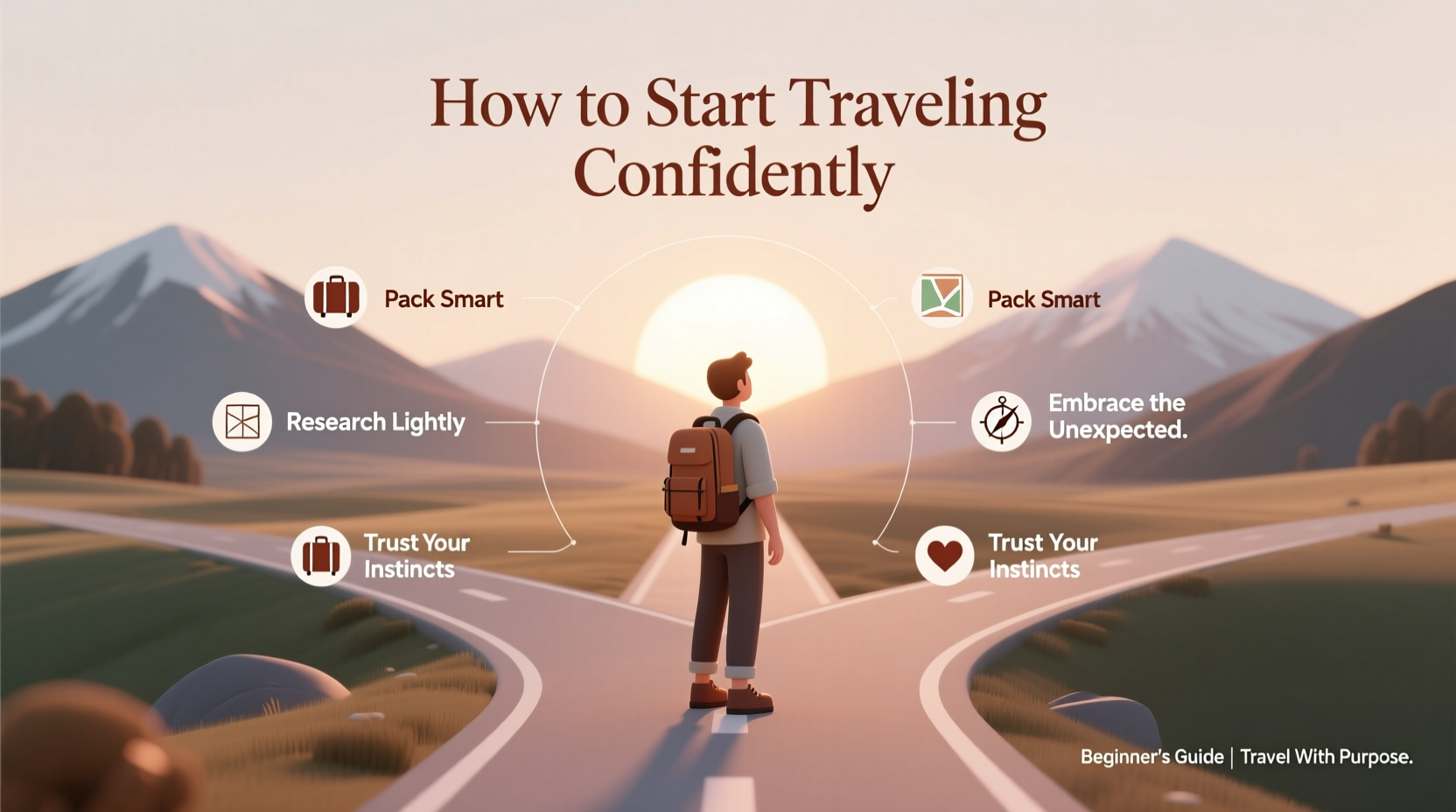
Confidence in travel isn’t about fearlessness—it’s about managing uncertainty with preparation and perspective. Many first-time travelers assume that experienced globetrotters never feel anxious. In reality, seasoned travelers have simply learned how to act despite discomfort.
Start by reframing your internal dialogue. Instead of thinking, “What if something goes wrong?” ask, “What can I do if something goes wrong?” That subtle shift moves you from passive worry to active problem-solving.
Build mental resilience by consuming travel content that emphasizes realism over fantasy. Watch documentaries or read blogs that discuss missed connections, language barriers, and cultural misunderstandings—not just scenic sunsets. Understanding that challenges are normal makes them less intimidating when they arise.
2. Plan Smart: A Step-by-Step Approach to Your First Trip
The most common mistake beginners make is either over-planning or under-planning. The goal is balance: enough structure to feel secure, but enough flexibility to embrace spontaneity.
- Choose a beginner-friendly destination. Opt for places with strong tourist infrastructure, low crime rates, and English widely spoken—such as Canada, Japan, Portugal, or New Zealand.
- Set a realistic budget. Include transportation, accommodation, food, activities, insurance, and a 15% buffer for unexpected costs.
- Book refundable options initially. Lock in flights and lodging with flexible cancellation policies while you finalize plans.
- Create a loose daily itinerary. List 1–2 key activities per day, but leave room for rest and exploration.
- Share your plans with someone you trust. Provide copies of your passport, flight details, and accommodation addresses.
Remember: your first trip doesn’t need to be exotic or expensive. A weekend getaway to a nearby city can build the same skills as an international adventure—without the added stress of visas or long-haul flights.
3. Pack Light, Pack Right: Essentials for Stress-Free Travel
Overpacking is one of the fastest ways to drain your energy and confidence. Carrying too much makes navigation harder, increases loss risk, and limits mobility.
| Category | Pack This | Avoid Bringing |
|---|---|---|
| Clothing | 3–4 mix-and-match outfits, comfortable shoes, sleepwear | Dressy items unless required, excess accessories |
| Toiletries | Mini-sized essentials, travel towel, medication | Full-size bottles, unnecessary beauty tools |
| Electronics | Phone, charger, universal adapter, power bank | Multiple devices, non-essential gadgets |
| Documents | Passport, ID, insurance card, printed confirmations | Original birth certificate, excessive cash |
Test your luggage before departure. Carry it around your neighborhood for 20 minutes. If it feels heavy or awkward, simplify further. A carry-on only approach forces smarter choices and eliminates baggage claim stress.
4. Stay Safe and Connected: Real-World Tips from Experienced Travelers
Safety isn’t about fear—it’s about awareness. Most destinations are safe for tourists, but simple precautions dramatically increase confidence.
- Keep digital and physical copies of important documents.
- Use a money belt or hidden pouch for passports and extra cash.
- Register your trip with your country’s travel advisory program (e.g., STEP for U.S. citizens).
- Download offline maps and translation apps before arrival.
- Learn basic local phrases: “Hello,” “Thank you,” “Where is…?” and “Help.”
“Travel confidence grows not from avoiding risks, but from knowing how to respond to them.” — Lena Patel, International Safety Consultant and former Peace Corps Director
In case of emergencies, save local emergency numbers and your embassy’s contact information in your phone. Enable location sharing with a trusted contact during transit days.
Mini Case Study: Sarah’s First Solo Trip to Lisbon
Sarah, a 28-year-old teacher from Chicago, had never traveled alone. She booked a five-day trip to Lisbon after months of hesitation. To prepare, she stayed in a centrally located guesthouse, researched public transport routes, and joined a free walking tour on her first morning.
On day two, she accidentally left her wallet in a café. Because she had a backup card and kept cash separate, she only lost a few euros. She reported the incident to the café staff, who returned it the next day. What could have been a disaster became a story of resilience—and proof that preparation works.
By the end of the week, Sarah was navigating trams, ordering meals in Portuguese, and meeting fellow travelers. Her confidence didn’t come from everything going perfectly. It came from handling imperfections calmly.
5. Build Your Travel Toolkit: Checklist for Beginners
Use this checklist in the weeks leading up to your trip. Print it or save it digitally, and check off each item as you complete it.
- ✅ Book refundable flights and accommodation
- ✅ Apply for visa (if required)
- ✅ Get necessary vaccinations
- ✅ Purchase travel insurance with medical coverage
- ✅ Notify your bank of travel dates
- ✅ Download offline Google Maps of your destination
- ✅ Pack carry-on only with versatile clothing
- ✅ Share itinerary with a friend or family member
- ✅ Charge all devices and pack adapters
- ✅ Confirm airport transfer options
Frequently Asked Questions
Is it safe to travel alone as a beginner?
Yes, with preparation. Start with safer, well-touristed destinations and avoid high-risk areas. Inform someone of your whereabouts, stay aware of your surroundings, and trust your instincts. Millions of people take their first solo trip every year—many report it as one of the most empowering experiences of their lives.
How do I deal with language barriers?
Download translation apps like Google Translate or DeepL and practice key phrases before arrival. Most travelers find that gestures, smiles, and patience go a long way. In major tourist areas, English is often sufficient for basic needs.
What if I get sick while traveling?
Always purchase travel insurance that includes medical coverage. Carry a small first-aid kit with pain relievers, antiseptic wipes, and any prescription medications. Research clinics or hospitals near your accommodation upon arrival. For minor illnesses, rest and hydration usually suffice—but don’t hesitate to seek care if symptoms persist.
Take the First Step With Purpose
Confident travel isn’t the result of perfect conditions—it’s built through action, reflection, and repeated exposure. Your first trip will have hiccups. You might miss a train, mispronounce a word, or eat something unexpected. And that’s exactly how you grow.
Begin with a destination that excites but doesn’t intimidate. Plan thoroughly, but stay open to detours. Pack light, stay alert, and remember that every traveler—no matter how experienced—was once a beginner.




 浙公网安备
33010002000092号
浙公网安备
33010002000092号 浙B2-20120091-4
Comments
No comments yet. Why don't you start the discussion?