
Exposed power cords from a standing lamp can disrupt the flow of a room, create tripping hazards, and make even the most stylish interior feel cluttered. While many solutions involve permanent modifications like wall chiseling or baseboard routing, not everyone can—or wants to—drill into their walls. Whether you're renting, preserving historic finishes, or simply avoiding construction mess, there are effective, non-invasive ways to conceal lamp cords. This guide explores practical, aesthetically pleasing methods that maintain your décor integrity while keeping cords safely out of sight.
Why Conceal Lamp Cords Without Drilling?
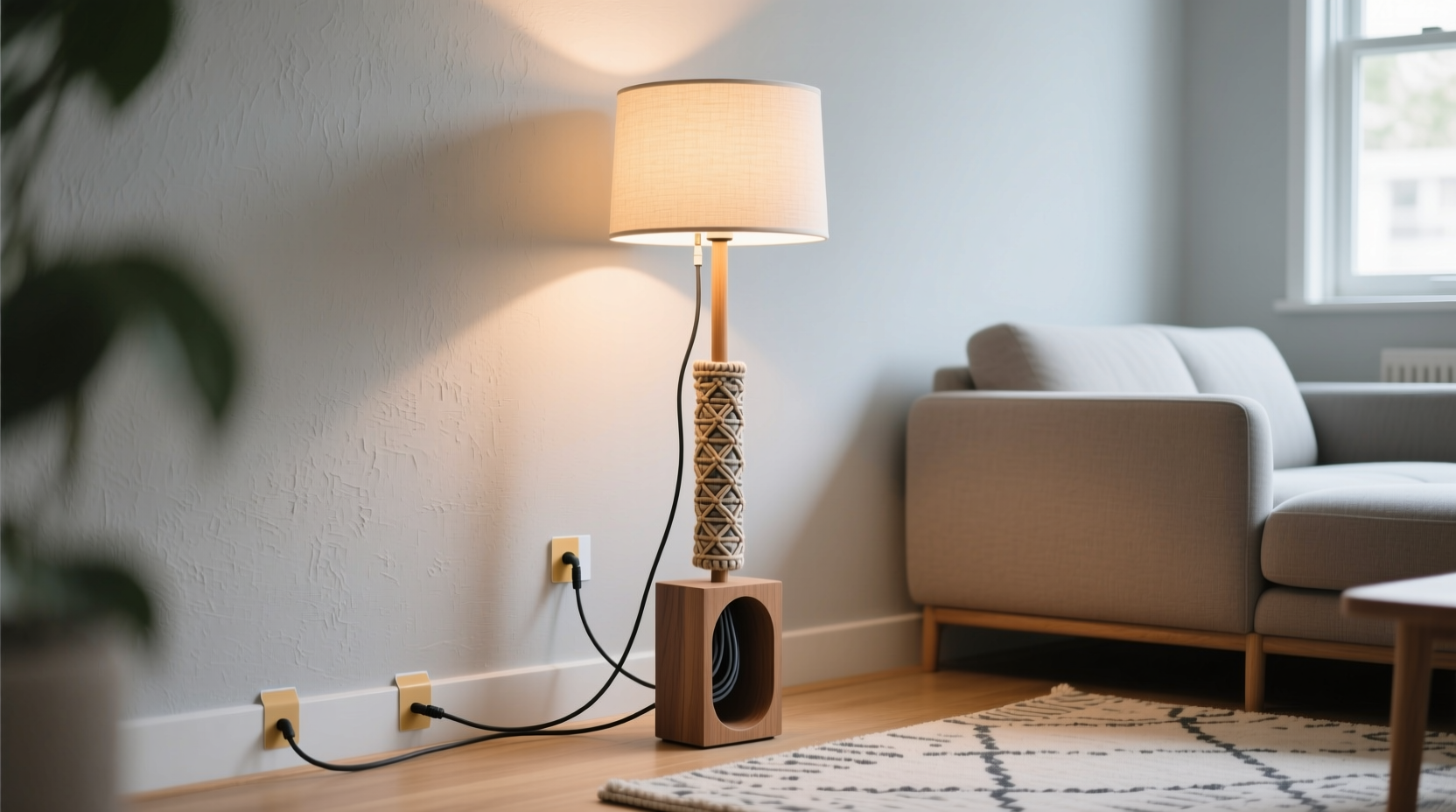
There’s more than just aesthetics at stake when dealing with visible cords. Safety, functionality, and long-term value all play a role. In homes with children or pets, loose cords pose a risk of entanglement or chewing. Tripping over a cord in the dark is more common than many admit. Aesthetically, tangled wires undermine carefully curated spaces—no matter how elegant the lamp.
For renters, drilling into walls often violates lease agreements and can result in lost security deposits. Homeowners may avoid permanent alterations to preserve resale appeal or protect delicate wall materials like plaster or tile. The good news: modern cord management doesn’t require hammers or drills. With thoughtful planning and the right tools, you can achieve a seamless look that mimics built-in wiring.
Effective No-Drill Cord Hiding Methods
The key to hiding cords without drilling lies in redirecting attention and using adhesive, modular, or furniture-integrated solutions. Below are five proven strategies that deliver clean results without damaging walls.
1. Use Adhesive Cord Covers
Adhesive cord channels—often made of flexible plastic or rubber—are among the most accessible solutions. These track-like strips adhere directly to baseboards, floors, or walls using strong double-sided tape. Simply lay the cord inside the channel and snap the cover shut.
Available in white, beige, and clear finishes, many blends seamlessly with trim or flooring. Some models even allow painting for perfect color matching. Choose low-profile versions for baseboards and wider ones if running along carpet edges.
2. Route Cords Behind Furniture
Strategic furniture placement can naturally conceal cords. Position your standing lamp behind a sofa, bookshelf, or console table so the cord runs vertically down the back. From there, route it along the floor toward the outlet, tucking it under a rug edge or beneath a door sweep if possible.
This method works best when combined with cord clips or tape to secure slack and prevent snags. Avoid sharp bends or pinching the cord between heavy furniture and the wall, which can damage insulation over time.
3. Utilize Cord Management Boxes
Cord boxes are enclosed containers that hide multiple cords and adapters in one discreet unit. Place one near your outlet and feed the lamp cord through a rear slit. The box conceals the plug, excess wire, and any power strips.
Some models include cable ties, ventilation slots, and anti-slip bases. Decorative versions resemble small wooden crates or minimalist cubes, doubling as side tables or plant stands. This solution is ideal for corners where several devices converge.
4. Run Cords Under Rugs or Floor Runners
A flat, tightly woven rug or runner can mask cords running across open floor areas. Place the cord underneath, ensuring it lies flat without creating a raised bump. Opt for rugs with non-slip backing to reduce movement and tripping risks.
Never run cords under high-traffic paths unless the rug fully secures them. For longer distances, use a flat cord ramp—a low-profile bridge that protects wires under foot traffic. These are commonly used in offices and home theaters but work equally well in living rooms.
5. Use Baseboard Cord Clips
Instead of embedding cords into walls, use adhesive-backed cord clips that follow the natural path of baseboards. These small U-shaped holders stick firmly to paint, wood, or laminate and keep cords aligned flush against the molding.
Space clips every 12–18 inches for consistent hold. Choose transparent or white clips to minimize visibility. This method maintains the room’s perimeter flow and keeps cords away from feet and vacuum cleaners.
“With the rise of rental-friendly home styling, non-damaging cord solutions have become essential. The goal isn’t just neatness—it’s maintaining flexibility without sacrificing design.” — Lena Torres, Interior Design Consultant & Sustainable Living Advocate
Step-by-Step: Hide Your Lamp Cord in 6 Steps
Follow this timeline to eliminate visible cords efficiently and safely.
- Unplug the lamp and assess the route. Trace the shortest safe path from the lamp base to the nearest outlet. Note obstacles like doors, furniture legs, or transitions between floor types.
- Measure the cord length. Ensure the cord reaches the outlet with minimal slack. If too long, consider coiling excess inside a cord box rather than looping visibly.
- Choose your method. Based on your floor plan and décor, select one primary technique (e.g., adhesive channel) and a secondary support (e.g., baseboard clips).
- Prepare the surface. Clean the area thoroughly with rubbing alcohol to remove dust and grease. This ensures strong adhesion for tapes or clips.
- Install your solution. Apply cord covers or clips along the planned route. Feed the cord through gradually, avoiding kinks. Press firmly for 30 seconds per attachment point.
- Test and adjust. Plug in the lamp and check for tension, visibility, and safety. Make sure the cord isn’t stretched or pinched anywhere.
Do’s and Don’ts of Cord Management
| Do | Don’t |
|---|---|
| Use cord covers that match your baseboard color | Run cords under heavy furniture that shifts frequently |
| Secure loose ends with Velcro straps instead of knots | Cover cords with thick fabric that traps heat |
| Inspect cords monthly for wear or fraying | Use nails or staples to fasten cords to walls |
| Combine methods (e.g., clips + rug) for longer runs | Ignore manufacturer warnings about cord bending radius |
Real Example: Apartment Living Room Transformation
Maria, a graphic designer in Chicago, struggled with an exposed cord stretching six feet from her reading lamp to an outlet behind her sectional sofa. Her landlord prohibited wall modifications, and the cord was a constant tripping hazard for her toddler.
She measured the distance, purchased a 6-foot white adhesive cord channel, and painted it to match her oak baseboards. Using included mounting clips, she adhered the channel along the baseboard and under the edge of a jute rug near the outlet. The entire project took 20 minutes and cost under $15. Now, the cord is invisible from standing height, and her son plays safely around the furniture.
“I was shocked how much cleaner the room felt,” Maria said. “It’s one small change, but it made the whole space feel intentional.”
Checklist: Quick Cord-Hiding Action Plan
- ☐ Unplug the lamp and inspect the cord for damage
- ☐ Map the optimal path from lamp to outlet
- ☐ Measure cord length and determine if excess needs managing
- ☐ Choose a no-drill method based on floor type and décor
- ☐ Clean surfaces where adhesives will be applied
- ☐ Install cord cover, clips, or box securely
- ☐ Test lamp function and check for cord tension
- ☐ Schedule monthly inspections for wear or loosening
Frequently Asked Questions
Can I paint adhesive cord covers to match my walls?
Yes, most rigid plastic cord channels can be painted with latex or acrylic paint. Lightly sand the surface first, apply a primer, then paint in thin coats. Allow 24 hours to cure before installation.
Are cord ramps safe for high-traffic areas?
Absolutely. Commercial-grade cord ramps are designed for frequent foot and even light vehicle traffic. Look for models rated for indoor/outdoor use with anti-slip textures. They’re commonly used in conference rooms and retail displays.
What if my outlet is behind heavy furniture?
If moving furniture isn’t an option, consider a wireless lamp adapter. These convert your lamp to battery-powered operation with USB-C or replaceable batteries, eliminating the cord entirely. Recharge nightly or swap batteries as needed. Ideal for decorative or occasional-use lamps.
Final Thoughts: Style Meets Safety
Hiding a standing lamp cord without drilling isn’t just about looks—it’s about creating a safer, more functional environment. The solutions outlined here prove that permanence isn’t required for professionalism. With adhesive channels, smart furniture use, and thoughtful accessories, you can achieve a polished result that respects your space and limitations.
Modern living demands flexibility. Whether you're in a temporary apartment or preserving a vintage home, these techniques empower you to maintain control over your surroundings without compromise. The effort takes minutes, but the impact lasts as long as the lamp stays lit.




 浙公网安备
33010002000092号
浙公网安备
33010002000092号 浙B2-20120091-4
Comments
No comments yet. Why don't you start the discussion?