
Stringing Christmas lights around the house brings warmth and holiday cheer, but the tangled web of cords often detracts from the magic. Exposed wiring across walls and along staircases not only looks messy but can also pose tripping hazards or invite accidental tugs. The challenge lies in concealing these cords effectively—without damaging paint, drywall, or trim. Many traditional methods rely on nails, staples, or heavy-duty adhesives that leave behind holes or residue. Fortunately, there are smarter, low-impact alternatives that maintain both aesthetics and structural integrity.
The goal isn’t just to hide the cords—it’s to do so in a way that preserves your home’s condition and allows for easy removal after the season ends. With thoughtful planning and the right tools, you can achieve a clean, professional-looking display without sacrificing your walls or risking safety.
Understanding the Risks of Traditional Cord Management
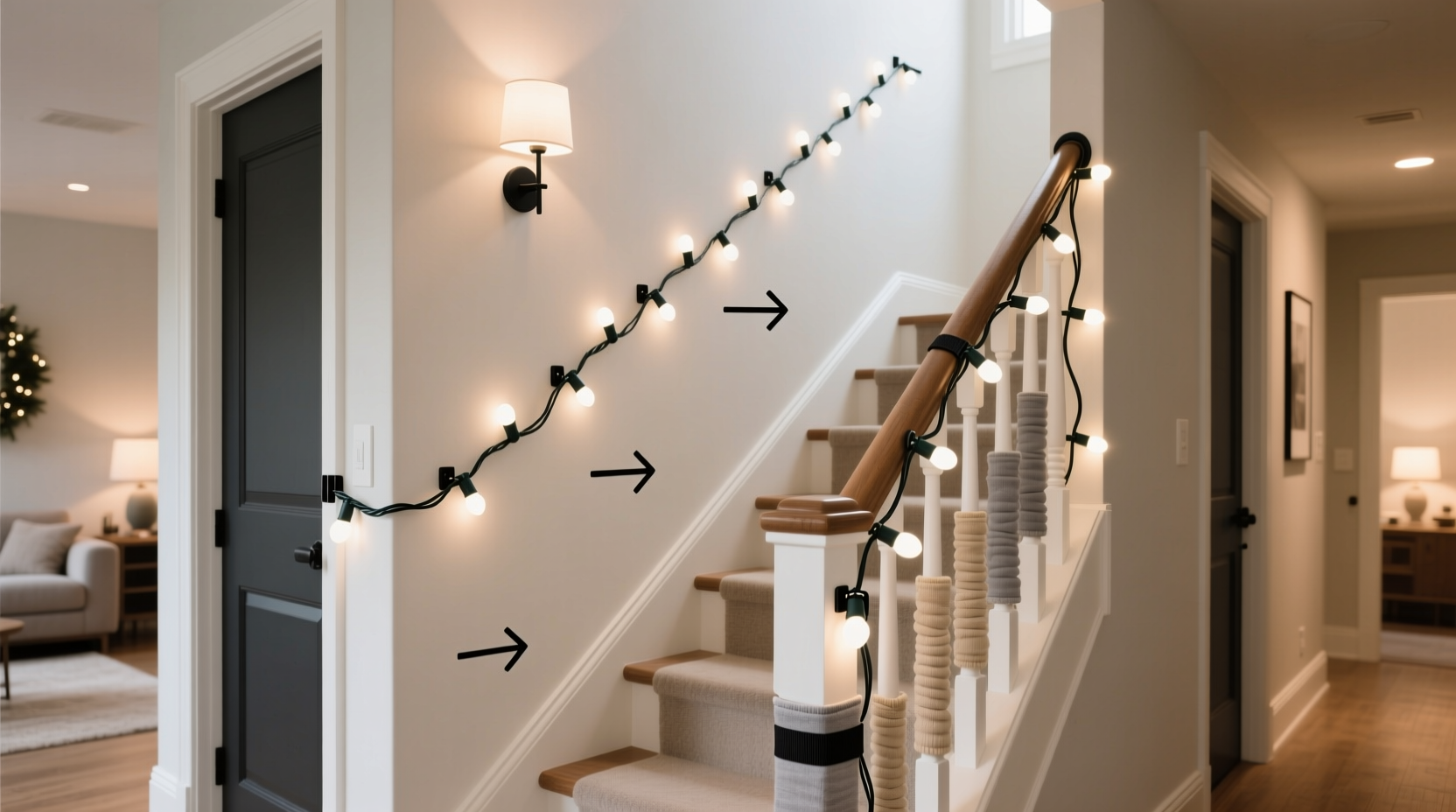
Many homeowners default to tape, staples, or nails when securing light strings. While these may seem convenient, they come with significant downsides:
- Nails and screws create permanent holes that require patching and repainting.
- Staples can tear siding outdoors or gouge interior paint and baseboards.
- Duct tape and masking tape often peel paint upon removal, especially on freshly painted or delicate surfaces.
- Heavy-duty adhesives leave sticky residues that are difficult to clean and may discolor trim or molding.
These methods may solve the immediate problem but introduce long-term maintenance issues. For renters, new homeowners, or anyone invested in preserving their space, minimizing surface impact is essential.
Non-Damaging Tools and Materials for Cord Concealment
A range of innovative products now allow secure cord management with little to no surface impact. These solutions are designed specifically for temporary installations like holiday lighting.
1. Cord Clips with Removable Adhesive
Clear plastic clips with gel-based or nano-adhesive backing adhere firmly to smooth surfaces yet remove cleanly. They’re ideal for guiding cords along baseboards, crown molding, or stair risers. Brands like 3M Scotch and Command offer versions rated for indoor use and varying weights.
2. Magnetic Hooks (for Metal Surfaces)
If your home has metal door frames, railings, or HVAC vents, magnetic hooks provide a zero-contact solution. Wrap cords around them gently to keep wires organized without touching the wall directly.
3. Over-the-Door Cord Organizers
These sit atop doors or banisters and feature channels that route cords vertically down the side. No adhesives or tools required—they simply rest in place under light tension.
4. Self-Adhering Raceways (Low-Profile)
Plastic raceways with removable adhesive strips encase multiple cords neatly. Choose white or clear models that blend into trim. Unlike permanent conduit, these can be removed without residue if used within weight limits.
5. Tension Rods and Decorative Hold-Downs
Mini tension rods fit discreetly between banister posts or wall corners, allowing cords to run behind them. Paired with fabric sleeves or garlands, they double as decorative elements while hiding wires.
“Holiday decor should enhance your space—not compromise it. Using pressure-sensitive adhesives instead of fasteners protects your investment year-round.” — Laura Bennett, Interior Designer & Seasonal Stylist
Step-by-Step Guide: Hiding Cords on Walls and Stairs Without Damage
Follow this sequence to conceal Christmas light cords safely and efficiently across common household areas.
- Plan Your Layout
Before installing lights, sketch a rough path for both bulbs and cords. Identify natural anchor points: baseboards, crown molding, handrails, or furniture edges where cords can run discreetly. - Start at the Power Source
Route the main power cord toward the nearest inconspicuous drop point—like behind a couch, under a rug edge, or along a floor-to-wall junction. Avoid crossing high-traffic floor areas. - Use Baseboard Clips Along Walls
Apply removable adhesive clips every 12–18 inches along baseboards. Press each clip firmly for 30 seconds to activate the bond. Thread the cord through the clip loop, ensuring slack for expansion in cold weather. - Manage Vertical Runs on Staircases
For stairs, attach clips to the face of each riser (the vertical part of the step). Position them near the outer edge, close to the handrail. This keeps cords out of foot traffic zones and aligns them with the railing’s natural line. - Leverage Handrails and Banisters
Wrap cords loosely around the underside of wooden or metal handrails. Use small zip ties (cuttable type) only if absolutely necessary—and never tighten fully. Alternatively, slide cords into a split loom tubing sleeve first to prevent abrasion. - Conceal Junction Boxes and Plugs
Place extension cords and power bricks behind furniture or inside ventilated storage baskets. Never cover outlets completely; airflow prevents overheating. - Final Inspection
Walk the entire route barefoot to detect trip hazards. Gently tug on clips to confirm adhesion. Ensure no cord hangs more than ½ inch from the surface.
Do’s and Don’ts: Best Practices for Minimal-Damage Installation
| Do | Don’t |
|---|---|
| Use manufacturer-recommended adhesives rated for temporary hold | Use duct tape or packing tape on painted walls |
| Install clips on clean, dry surfaces free of dust or grease | Mount hardware on wallpapered or textured walls without testing |
| Group multiple cords together using braided sleeves or twist ties | Bundle cords tightly, which can cause heat buildup |
| Label plugs and outlets for easier disconnection later | Run cords under rugs or carpets where they can overheat |
| Remove all attachments within two weeks of taking down lights | Leave adhesive mounts on for months after use—they lose removability over time |
Real-World Example: A Renter’s Holiday Makeover
Sophie Rivera, a tenant in a historic Boston brownstone, wanted to decorate her staircase and living room for Christmas—but her lease prohibited any alterations to walls or trim. She needed a solution that looked polished but left zero trace.
She began by measuring her staircase and selecting clear Command Cord Clips with transparent backing. After wiping each riser with rubbing alcohol, she applied one clip per step, angling them slightly inward to follow the curve of the banister. She routed the light string along the clips, tucking excess cord behind the lowest step.
For the living room, she ran cords along baseboards using low-profile raceways painted to match the trim. When guests complimented the “built-in” look, Sophie smiled—knowing everything would vanish without a trace in January.
Her total cost: under $25. Total installation time: 45 minutes. And most importantly, her security deposit remained safe.
Alternative Methods for Different Home Types
Not all homes have the same architectural features. Tailor your approach based on your environment.
- Apartment with Crown Molding? Run cords along the top edge, secured with micro clips. Drape garland over them for camouflage.
- Carpeted Stairs? Place flat, flexible cord covers taped lightly at ends (not middle) to avoid peeling fibers. Cover with a runner if possible.
- Concrete or Brick Walls? Use removable adhesive clips designed for rough surfaces—or consider battery-powered lights to eliminate cords entirely.
- Wood Paneling? Follow grooves between panels with slim raceways. Match color with a dab of acrylic paint if needed.
Checklist: Preparing for a Damage-Free Light Installation
- ☐ Survey your walls and stairs for smooth, clean surfaces suitable for adhesive products
- ☐ Purchase cord clips, raceways, or organizers compatible with your surface type
- ☐ Clean all attachment areas with isopropyl alcohol and let dry completely
- ☐ Test one clip or strip in an inconspicuous spot to check adhesion and removability
- ☐ Plan cord routes to minimize visibility and avoid high-traffic zones
- ☐ Install lights first, then secure cords last to adjust for slack
- ☐ Label all plugs and note outlet locations for post-holiday removal
- ☐ Schedule removal within two weeks after the holidays to preserve adhesive integrity
Frequently Asked Questions
Can I reuse adhesive cord clips after the holidays?
In most cases, yes—but only if removed carefully and stored properly. Gently peel the clip from the wall using dental floss or fishing line to slice the adhesive bond. Wipe off any debris and store in a sealed container away from dust. Reusability depends on the brand; some degrade after one use.
What should I do if the adhesive leaves residue?
Use a small amount of rubbing alcohol on a cotton swab to dissolve leftover glue. Avoid abrasive scrubbing. For stubborn spots, try a specialized adhesive remover like Goo Gone Original (test on hidden area first). Always wipe clean afterward with water and dry thoroughly.
Are there cord-free options for Christmas lighting?
Absolutely. Battery-operated LED string lights eliminate cords entirely. Modern versions offer 6–12 hours of runtime on AA or AAA batteries and include timers for automation. They’re perfect for stair railings, mantels, or accent pieces where power access is limited.
Conclusion: Celebrate Smart, Protect Your Space
Hiding Christmas light cords doesn’t require compromising your walls or risking damage. With the right materials and a bit of foresight, you can enjoy a seamless, clutter-free display that enhances your home rather than straining it. The key is choosing reversible, surface-safe methods that prioritize both beauty and responsibility.
Whether you're a homeowner, renter, or seasonal decorator, adopting low-impact techniques ensures your holiday spirit doesn’t come at the cost of next year’s repairs. From adhesive clips to strategic routing, every choice adds up to a safer, cleaner, and more sustainable celebration.




 浙公网安备
33010002000092号
浙公网安备
33010002000092号 浙B2-20120091-4
Comments
No comments yet. Why don't you start the discussion?