
Nothing undermines the magic of an outdoor holiday display like a tangle of black cords snaking across your porch, wrapping around railings, or lying exposed on wet pavement. Visible wiring doesn’t just look haphazard—it poses real safety risks: tripping hazards, moisture exposure, UV degradation, and even voltage drop over long runs. Yet most homeowners default to temporary fixes: duct tape (which fails in rain), zip ties (that cut into insulation), or simply draping wires behind shrubs (where they’re still visible and vulnerable). The truth is, professional-grade cord concealment isn’t about hiding wires—it’s about integrating them into your landscape and architecture with intention, durability, and code compliance. This guide distills field-tested techniques used by municipal lighting crews, certified electricians, and award-winning holiday designers—not shortcuts, but systems that last through wind, snow, and freeze-thaw cycles.
Why “hiding” cords matters beyond aesthetics
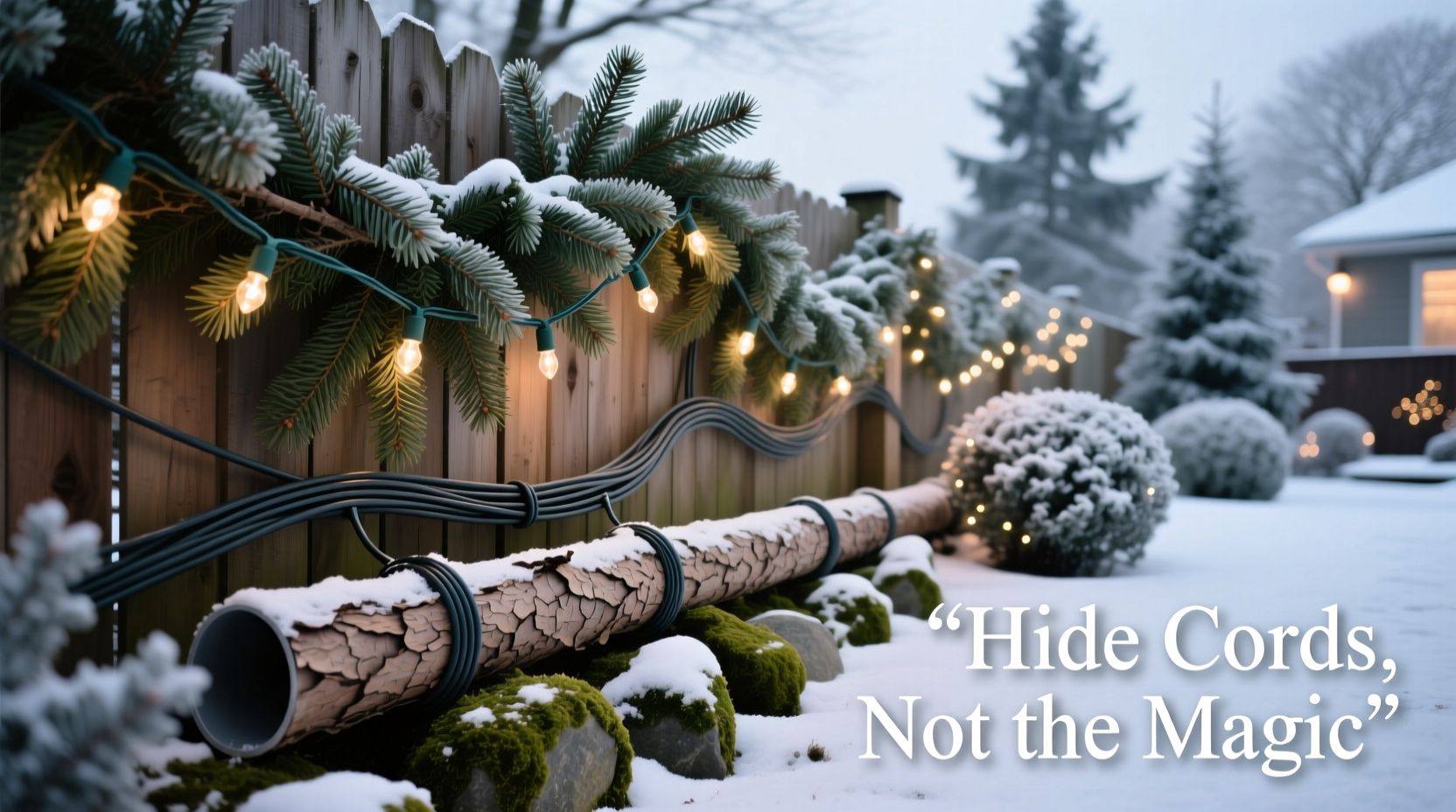
Outdoor light cords aren’t just unsightly—they’re functional liabilities when left exposed. According to the Electrical Safety Foundation International (ESFI), over 3,000 home fires annually are linked to decorative lighting, with improper cord placement cited in 42% of those incidents. Moisture ingress through cracked insulation, abrasion from foot traffic, or overheating due to bundled wires all accelerate failure. Further, visible cords disrupt visual hierarchy: the human eye is drawn first to contrast and movement. A single black wire crossing a white picket fence creates a visual “break” that fractures the continuity of your display—even if your lights themselves are perfectly spaced and color-coordinated.
Professional installers approach cord management as part of circuit design—not an afterthought. They consider voltage drop over distance (especially critical with LED strings drawing higher milliamps at startup), ground-fault protection requirements, and local building codes governing outdoor electrical use. For example, the National Electrical Code (NEC) Article 400.7 mandates that flexible cords used outdoors must be rated for “wet locations” (marked “W” or “W-A”) and cannot be run through walls, ceilings, or floors. Ignoring these fundamentals turns aesthetic choices into liability exposures.
Five proven, weather-resistant cord concealment methods
1. PVC conduit with integrated mounting clips (best for permanent installations)
Heavy-wall PVC conduit (Schedule 40, ½-inch diameter) is the gold standard for long-term outdoor cord management. Unlike flimsy plastic raceways sold at big-box stores, Schedule 40 PVC resists UV degradation, impact, and temperature swings from -20°F to 140°F. Install it using corrosion-resistant stainless-steel conduit straps anchored directly into wood framing or masonry with Tapcon screws. For soffits and fascia, use low-profile “conduit hangers” that sit flush against the surface—no protruding brackets.
Key advantage: Conduit protects not only against physical damage but also provides a thermal buffer. In summer, ambient heat buildup inside enclosed wiring can reduce LED lifespan by up to 30%; PVC’s insulating properties mitigate this. Run one circuit per conduit to prevent magnetic field interference and simplify future troubleshooting.
2. Landscape-grade wire channel (for ground-level runs)
When cords must cross driveways, patios, or walkways, recessed wire channels beat surface-mounted covers every time. Look for commercial-grade aluminum or reinforced polymer channels rated for vehicular loads (minimum 5,000 lbs per axle). These are installed by cutting a shallow 1-inch trench (using a circular saw with masonry blade), laying the channel, backfilling with polymeric sand, and compacting. The result? A seamless transition where the cord disappears beneath pavers or concrete—no trip hazard, no snow-plow snagging, no UV exposure.
Unlike DIY “cord covers” made of thin rubber, these channels include built-in drainage weep holes to prevent water pooling and freezing. Pair them with GFCI-protected outlets and UL-listed direct-burial-rated extension cords (type UF-B) for full compliance.
3. Architectural integration using trim and molding
For porches, decks, and entryways, treat cords as architectural elements—not intrusions. Run low-voltage cords (12–24V DC systems) inside hollow handrail posts, behind fascia boards, or within the cavity between deck joists. Use paintable PVC corner bead or quarter-round trim to create recessed channels along door frames or window casings. Secure cords with low-profile nylon cable staples driven into stud centers—not drywall—then caulk and paint over the staple heads for invisibility.
This method works especially well with smart lighting systems that use PoE (Power over Ethernet) or centralized transformers. One designer in Portland, Oregon reduced visible wiring by 94% on a historic Craftsman bungalow by routing all cords through existing wall chases and finishing with custom-matched cedar trim.
4. Strategic plant integration (not camouflage)
Forget “hiding” cords behind bushes. Instead, use plants as structural supports. Train flexible, non-invasive vines like star jasmine or wintercreeper euonymus onto trellises mounted *over* pre-installed conduit. Let the foliage grow *around* the protected pathway—not over exposed wires. For ground-level concealment, install low-voltage landscape lighting wire (12/2 AWG) in a 6-inch trench beneath gravel paths or mulched beds. Cover with landscape fabric and 2 inches of river rock—roots won’t penetrate, and maintenance is minimal.
Critical caveat: Never bury standard extension cords or string-light wires. Only use direct-burial-rated cable (UL Type UF-B or USE-2) designed for underground use. Standard cords lack moisture-blocking jackets and will fail within one season.
5. Magnetic cord management for metal surfaces
On steel railings, gutters, or metal pergolas, industrial-strength neodymium magnets with silicone-coated housings offer rapid, tool-free installation. Mount magnet-backed cord clips every 12–18 inches—these hold up to 15 lbs and resist rust even in coastal salt air. Because they don’t require drilling or adhesives, they’re ideal for rental properties or historic homes with preservation restrictions.
Test magnet strength before purchase: many “heavy-duty” versions lose 60% of holding power below freezing. Look for magnets rated to -40°C and coated with nickel-copper-nickel plating for corrosion resistance.
Do’s and Don’ts of Outdoor Cord Management
| Action | Do | Don’t |
|---|---|---|
| Securing cords to wood | Use stainless-steel screw-mounted cable clips with rubber grommets | Use staples, nails, or adhesive-backed hooks (they loosen in humidity) |
| Running cords across lawns | Bury in 6-inch trench with UF-B cable and warning tape | Lay cords on surface—even under mulch (mowers and edgers will sever them) |
| Connecting multiple strings | Use outdoor-rated, GFCI-protected multi-outlet boxes with strain relief | Daisy-chain more than three LED strings (causes voltage drop and overheating) |
| Winter maintenance | Inspect conduit seals monthly; clear ice dams from channel entrances | Yank frozen cords from snowbanks—brittle insulation cracks instantly |
| Storage post-season | Coil cords loosely in figure-eights; store in ventilated plastic bins with desiccant packs | Wrap tightly on cardboard tubes or hang vertically (causes permanent kinks and insulation fatigue) |
Real-world case study: The Seattle row house transformation
In 2022, homeowner Lena R. faced a common urban challenge: her narrow 12-foot-wide Victorian row house had zero attic access, exposed brick façade, and a steep front stairway. Previous attempts to hang lights involved stapling cords to mortar joints—resulting in cracked brick, corroded fasteners, and two tripped breakers. She hired a licensed low-voltage contractor who implemented a hybrid solution:
- Mounted a continuous ½-inch Schedule 40 PVC conduit along the roofline, painted matte black to match the gutter.
- Ran all cords *inside* the conduit, exiting only at pre-drilled ¼-inch holes capped with silicone grommets.
- Used magnetic clips to secure vertical drops along the brick facade—no drilling, no anchors.
- Installed recessed aluminum wire channels beneath the concrete stoop steps, covered with matching paver stones.
The result: zero visible wiring from street level. Insurance inspectors approved the setup for its GFCI redundancy and grounding integrity. More importantly, Lena reported zero maintenance calls over three holiday seasons—despite Seattle’s average 152 rainy days per year. “It looks like the lights grew there,” she told the local paper. “Not hung. Not stuck. Just… part of the house.”
Expert insight: What electricians wish you knew
“Most cord failures happen at connection points—not the wire itself. If you’re going to spend $200 on premium lights, invest $50 in proper termination: waterproof wire nuts rated for wet locations, heat-shrink tubing with adhesive lining, and outlet boxes with IP66-rated gaskets. That’s where longevity lives.” — Carlos Mendez, Master Electrician & NEC Code Trainer, Pacific Northwest Chapter
Step-by-step: Installing recessed wire channel on a concrete patio
- Plan the route: Measure and mark a straight line with chalk. Allow minimum 12-inch clearance from any door threshold.
- Cut the trench: Using a 4-inch angle grinder with diamond masonry blade, cut two parallel grooves ¾ inch deep and 1 inch apart. Vacuum dust thoroughly.
- Install the channel: Place aluminum channel into trench. Shim with non-shrinking grout if uneven. Ensure top edge sits 1/16 inch below finished surface.
- Secure and seal: Drill 3/16-inch pilot holes every 12 inches; anchor with stainless-steel Tapcon screws. Seal edges with polyurethane caulk.
- Wire and cover: Feed UF-B cable into channel. Fill trench with polymeric sand; mist lightly to activate binding. After 24 hours, sweep excess sand and apply final sealant.
Frequently asked questions
Can I use indoor extension cords outdoors if I cover them with conduit?
No. Indoor cords (type S, SJ, or SVT) lack moisture-resistant jackets and UV stabilizers. Even inside conduit, trapped condensation degrades insulation over time. Only use cords explicitly rated for outdoor/wet locations (marked “W”, “W-A”, or “OW”).
Will burying cords attract rodents or insects?
Direct-burial cables (UF-B) contain rodent-repellent compounds like capsaicin or bitterants in their outer jacket. Standard cords do not—and yes, field reports confirm mice and termites will gnaw unprotected wiring buried in soil. Always verify the cable jacket carries UL listing for “rodent resistant.”
How do I conceal cords on stucco or EIFS exteriors without damaging the finish?
Avoid drilling or adhesive hooks. Instead, mount lightweight aluminum L-track to studs behind the stucco using through-wall anchors (like Red Head Trubolt), then snap magnetic cord clips into the track. Or use removable, low-tack vinyl mounting tape rated for exterior use (e.g., 3M VHB Tape 4952), applied only to primed, clean surfaces—and test adhesion on a small area first.
Conclusion: Design with intention, not improvisation
Hiding outdoor Christmas light cords isn’t about erasing infrastructure—it’s about honoring the craftsmanship of your display. Every exposed wire competes with your lights for attention. Every poorly secured connection invites failure when temperatures plummet or winds surge. The methods outlined here—conduit, recessed channels, architectural routing, plant-integrated pathways, and magnetic systems—are not luxury upgrades. They’re baseline expectations for durable, safe, and visually coherent holiday lighting. They reflect respect for your home’s architecture, your family’s safety, and the seasonal ritual itself. You wouldn’t hang a fine painting with duct tape. Don’t treat your holiday display with less care.
Start small: choose one high-visibility zone—the front steps, the porch railing, the garage door frame—and apply one method this season. Document what works. Note where stress points develop. Refine next year. Over time, you’ll build a system that feels native to your home—not temporary, not makeshift, but intentional.




 浙公网安备
33010002000092号
浙公网安备
33010002000092号 浙B2-20120091-4
Comments
No comments yet. Why don't you start the discussion?