
Creating a “floating” Christmas tree is one of the most elegant ways to elevate your holiday decor, especially in homes with pristine hardwood floors. The illusion of a tree suspended above the ground—without an exposed stand or visible base—adds a modern, artistic flair that draws attention upward, emphasizing the fullness and lights of the tree itself. Achieving this look requires more than just hiding the trunk; it demands thoughtful planning, structural consideration, and aesthetic precision. Whether you're staging a home for the holidays or simply aiming to impress guests, mastering the art of concealing the trunk while protecting your flooring is both practical and visually transformative.
Understanding the Floating Tree Concept
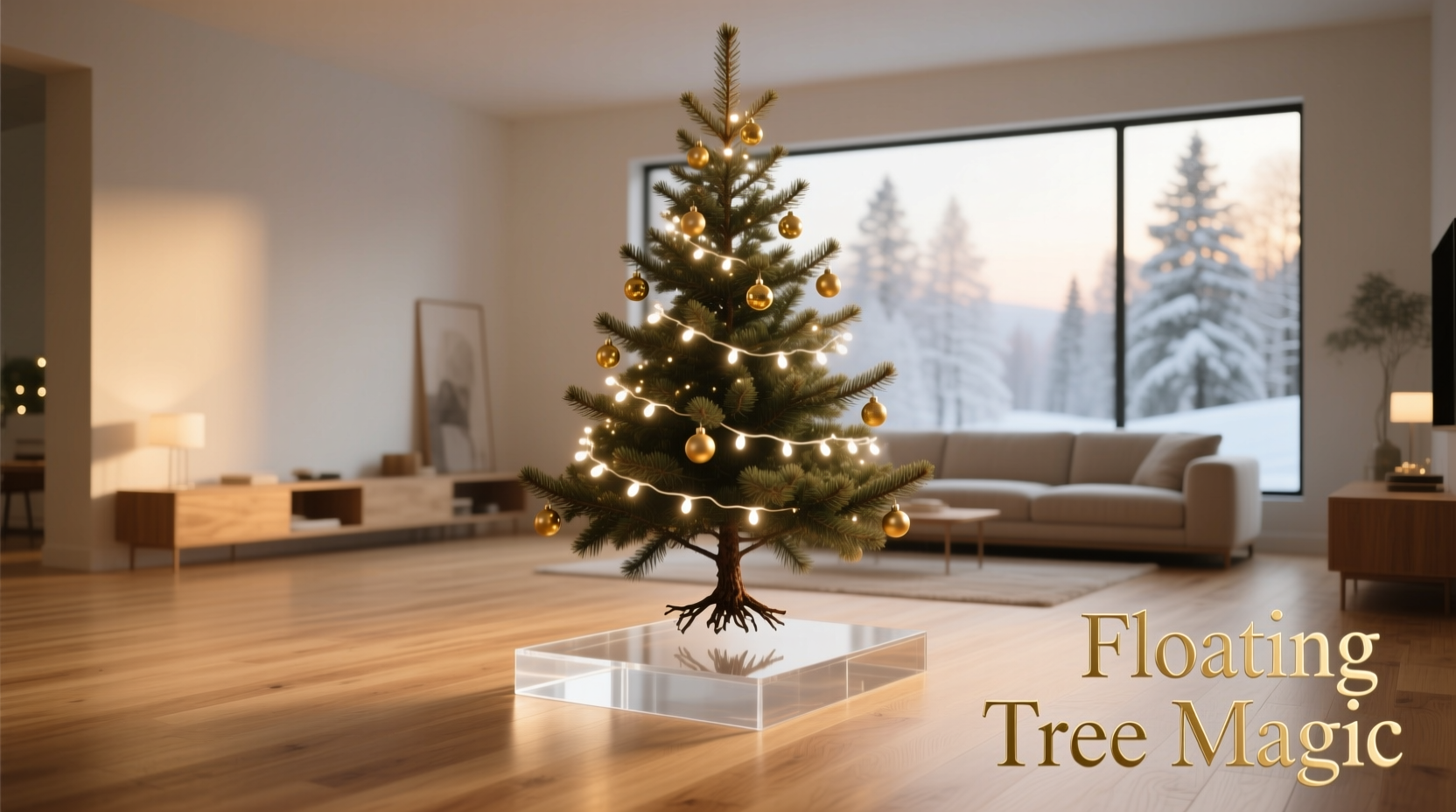
The term “floating tree” refers to a setup where the base of the Christmas tree appears invisible or seamlessly integrated into its surroundings. This isn’t about levitation—it’s about visual trickery. On hardwood floors, where every detail is reflected and magnified, a traditional metal stand or water-filled reservoir can disrupt the elegance of the space. By concealing the trunk and support structure beneath decorative elements, you create a clean, minimalist presentation that makes the tree appear as if it rises organically from the floor.
This technique is particularly effective in open-concept living areas, foyers, or beside large windows where natural light highlights imperfections. The goal is not only to protect your hardwood from potential water damage or scratches but also to enhance the overall ambiance with a curated, intentional display.
Materials and Tools You’ll Need
Before beginning, gather all necessary supplies. The right combination of concealment tools and protective layers ensures both safety and aesthetics.
- Tree stand: A low-profile, sturdy stand (preferably black or dark-colored to minimize visibility)
- Base cover: Fabric skirt, decorative box, woven basket, or faux fur rug
- Protective underlayment: Felt pads, non-slip rug pads, or foam sheets
- Adhesives and fasteners: Double-sided tape, Velcro strips, or zip ties (for securing skirts or boxes)
- Decorative filler: Pinecones, ornaments, LED snowflakes, faux presents, moss, or fairy lights
- Measuring tape and level: To ensure symmetry and stability
Choose materials that complement your décor theme—rustic, modern, vintage, or whimsical—but prioritize function. For example, a woven seagrass basket may look charming but could shift under weight; reinforce it with internal bracing if needed.
Step-by-Step Guide to Hiding the Trunk
Follow this detailed process to achieve a seamless floating illusion without compromising safety or damaging your floors.
- Position the tree securely. Place your tree and stand in the desired location. Use a level to confirm it stands straight. Mark the spot lightly with painter’s tape if you need to adjust positioning later.
- Install floor protection. Lay down a clear vinyl protector or felt-backed mat beneath the stand. This prevents moisture rings, scratches, and scuffing during setup and takedown.
- Select and prepare your cover method. Choose one primary concealment strategy (see table below) and modify it as needed. If using a box or basket, cut an opening in the bottom large enough to slide over the stand legs but small enough to remain stable.
- Test fit before decorating. Slide the cover over the stand and check clearance. Ensure the tree still has adequate support and doesn’t wobble. Adjust padding or anchoring points as necessary.
- Add layered decoration. Surround the base with soft elements like faux snow, scattered pinecones, wrapped gift boxes, or trailing garlands. These distractions draw the eye away from structural components.
- Incorporate lighting. String battery-powered fairy lights around the perimeter of the cover or weave them through filler items. Uplighting enhances the illusion by casting gentle glows upward along the trunk.
- Final inspection. View the tree from multiple angles, including seated and distant perspectives. Make sure no part of the stand or reservoir is visible under normal viewing conditions.
Timeline for Setup
| Stage | Time Required | Notes |
|---|---|---|
| Preparation & measuring | 15–20 min | Gather materials, mark placement |
| Tree assembly & leveling | 30–45 min | Includes watering real trees |
| Cover installation | 20–30 min | Custom fitting may extend time |
| Decorative layering | 45–60 min | Depends on complexity |
| Total estimated time | ~2.5 hours | First-time setup may take longer |
Top Concealment Methods Compared
Different approaches work better depending on your tree size, room layout, and design preferences. Here’s a breakdown of the most effective options:
| Method | Pros | Cons | Best For |
|---|---|---|---|
| Fabric Tree Skirt (Modified) | Affordable, widely available, easy to store | May not fully hide wide stands; fabric can bunch | Traditional homes, families with children |
| Decorative Box or Crate | Structured look, excellent coverage, doubles as decor | Limited mobility once in place; heavier | Modern interiors, photo shoots, rentals |
| Woven Basket or Planter | Natural texture, blends with rustic themes | May require reinforcement; gaps between weave | Farmhouse, cabin, boho styles |
| Faux Fur or Velvet Rug Base | Luxurious feel, hides imperfections well, soft edges | Harder to clean; can trap dust | Luxury apartments, formal spaces |
| DIY Platform with Hidden Compartment | Full control over design, maximum concealment | Requires carpentry skills; permanent-ish | High-end displays, recurring installations |
For best results, combine methods. A dark velvet skirt placed inside a low wooden crate, surrounded by glowing presents, creates depth and misdirection that effectively masks the trunk zone.
Real Example: A Designer’s Floating Tree in a Downtown Loft
In a recent holiday staging project, interior designer Mara Linch transformed a 1,800-square-foot downtown loft with polished oak floors and floor-to-ceiling windows. Her client wanted a “gallery-style” Christmas tree—minimalist yet festive. She used a 7.5-foot pre-lit artificial tree mounted on a flat, circular stand painted matte black. Instead of a traditional skirt, she built a shallow platform from MDF board, 3 inches high and 36 inches in diameter, painted to match the floor’s undertone.
The platform had a removable top panel. Once the tree was secured, she lifted the panel, placed the stand inside, then reattached the lid flush with the surface. Around the outer edge, she glued faux moss and embedded micro-LEDs. Wrapped in sheer netting and dusted with artificial snow, the base looked like a frosted woodland clearing. From any angle beyond three feet away, the tree appeared to grow directly from the floor.
No water damage occurred, and the entire unit was dismantled in under 20 minutes post-holidays. “Clients often focus on the treetop,” Linch said, “but the magic happens at ground level—where perception meets craftsmanship.”
“Mastering the floating tree isn’t about hiding flaws—it’s about elevating the entire experience. The base should invite curiosity, not inspection.” — Mara Linch, Interior Stylist & Holiday Display Consultant
Common Mistakes to Avoid
Even experienced decorators make errors when attempting this effect. Steer clear of these pitfalls:
- Ignoring stability: Overloading the base with heavy decorations can tip the tree. Always test balance after each addition.
- Using adhesive directly on hardwood: Tape or glue residues can mar finishes. Use removable mounting solutions instead.
- Blocking access to water fillers: With real trees, ensure the reservoir cap remains reachable without removing the entire cover.
- Choosing reflective materials: Shiny boxes or metallic fabrics can catch light and reveal shadows of the stand underneath.
- Forgetting maintenance: Check daily for water leaks, shifting bases, or loose wires—especially with pets or kids around.
Checklist: Achieving a Perfect Floating Effect
Use this checklist to ensure every detail is covered before unveiling your display:
- ✅ Tree is level and stable on hardwood
- ✅ Floor protection is in place (felt, vinyl, or rug pad)
- ✅ Chosen cover method fully conceals stand and reservoir
- ✅ Access to water refill (if applicable) is preserved
- ✅ Decorative elements are arranged to obscure corners and legs
- ✅ Lighting enhances the illusion without exposing seams
- ✅ No tripping hazards or sharp edges at floor level
- ✅ Final review from multiple viewpoints confirms invisibility of trunk base
Frequently Asked Questions
Can I use a real tree with a floating base?
Yes, but extra precautions are essential. Use a stand with a concealed reservoir and ensure the cover allows access to refill water. Monitor daily for leaks, and always place an absorbent liner beneath the stand. Consider switching to distilled water to reduce mineral staining on hardwood.
Will decorative boxes scratch my floor?
Potentially, yes—especially if dragged or shifted. Prevent damage by attaching self-adhesive felt pads to the bottom corners of any rigid container. Avoid placing boxes directly on glossy finishes without a protective underlayer.
How do I remove the tree without damaging the setup?
Disassemble in reverse order: remove decorations first, then lift off the cover or skirt. If using a fixed platform, unscrew or unclip components carefully. Drain all water before lifting the tree. Store parts separately to maintain integrity for future use.
Conclusion: Elevate Your Holiday Aesthetic
Hiding the trunk of a Christmas tree for a floating effect on hardwood is more than a decorative trick—it’s a statement of intentionality and care. It shows that you’ve considered every inch of your space, from ceiling to floor, and refused to let functional necessities compromise beauty. With the right materials, a clear plan, and attention to detail, you can transform an ordinary tree into a centerpiece that feels both magical and modern.
The hardwood floor isn’t just a surface; it’s a canvas. Treat it with respect by protecting it while enhancing its role in your seasonal narrative. When guests walk in and ask, “How is the tree standing?”—that’s when you know you’ve succeeded. Not because the mechanism is invisible, but because their eyes never drop low enough to look.




 浙公网安备
33010002000092号
浙公网安备
33010002000092号 浙B2-20120091-4
Comments
No comments yet. Why don't you start the discussion?