
Tweed is more than a fabric—it’s heritage. Woven from rugged wool, traditionally spun in the British Isles, it was born for harsh weather and hard use. Today, a well-made tweed jacket can transcend trends, serving as a cornerstone of a timeless wardrobe. But not all tweed is created equal. With so many options on the market—from fast-fashion replicas to bespoke heirlooms—knowing how to distinguish true quality is essential. This guide breaks down what makes a tweed jacket last, how to evaluate craftsmanship, and what details matter most when investing in a piece meant to endure.
Understand the Fabric: The Foundation of Longevity
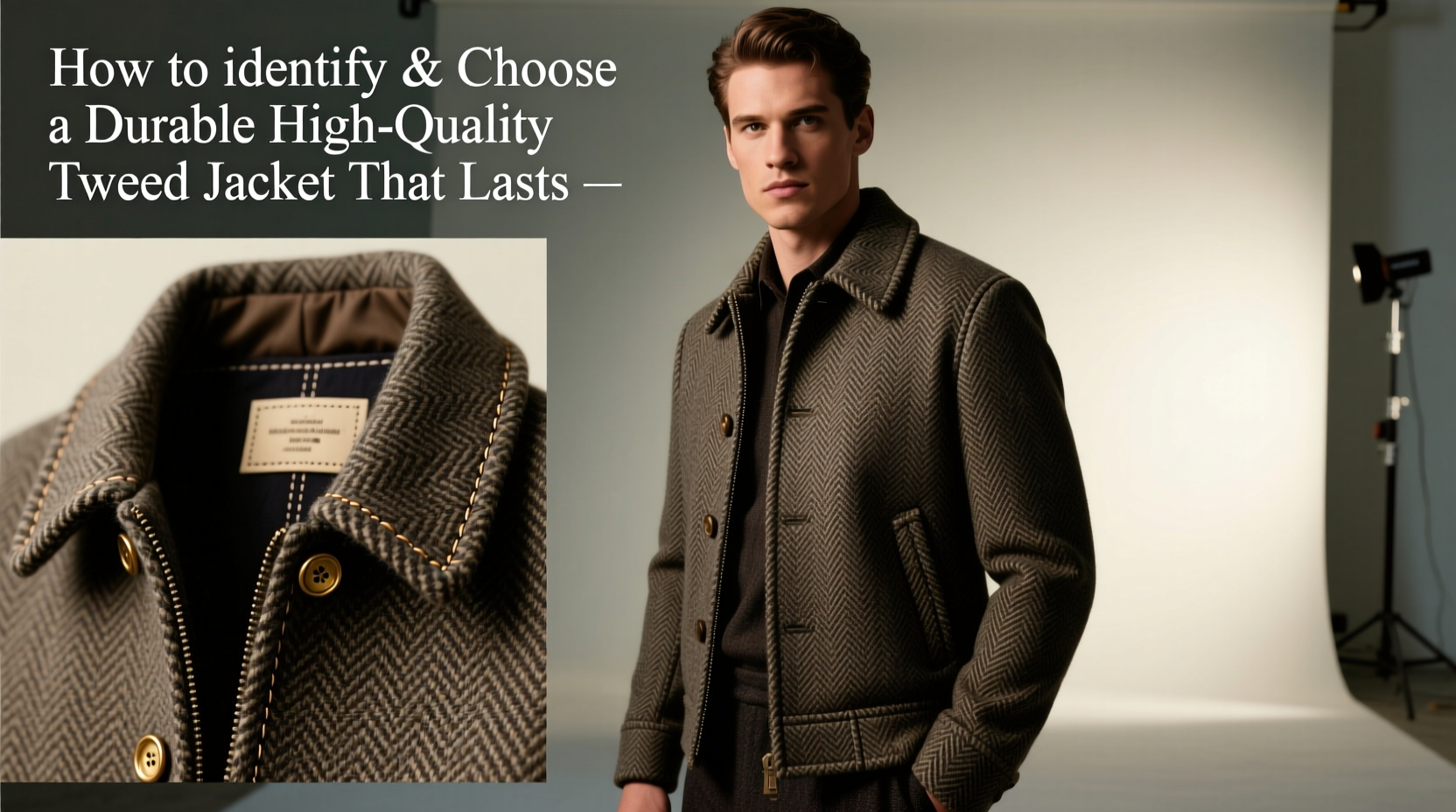
The durability of a tweed jacket starts with its cloth. Authentic tweed is made from pure wool, often worsted or semi-worsted, tightly woven to resist wind, moisture, and abrasion. The best fabrics come from renowned mills in Scotland, Ireland, and Yorkshire, where centuries-old techniques are still used.
Look for wool sourced from breeds like Cheviot or Scottish Blackface, known for their coarse, resilient fibers. These wools naturally repel water and resist pilling. Avoid blends with synthetic fibers like polyester—while they may lower cost, they compromise breathability, texture, and aging potential.
Weave type also matters. Herringbone, houndstooth, and birdseye patterns aren’t just aesthetic choices—they affect strength. Herringbone, for example, interlocks tightly, offering superior resilience. Donegal tweed, with its colorful neps (flecks), is handwoven and less uniform but prized for character and authenticity.
Evaluate Construction: Stitching, Lining, and Structure
A jacket can have excellent fabric but fail quickly due to poor construction. The internal architecture determines how well it holds shape and ages. Begin by checking the shoulders: natural canvas padding is a hallmark of quality. Unlike synthetic foam or glued linings, canvas molds to your body over time, improving fit with wear.
Inspect the chest area. Press it gently. If it feels soft and responsive, it likely has a floating canvas—a sign of traditional tailoring. If it’s rigid or hollow, it may be fused, which can bubble or delaminate after years of use.
Sleeve heads should be roped—the slight ridge at the shoulder seam indicating hand-stitching or precise machine work. Roped shoulders provide structure and allow better arm movement. Also, check the buttonholes. A finely stitched, hand-worked buttonhole (especially the left lapel’s functional one) signals attention to detail. Machine-made buttonholes are often perfectly even but lack depth and durability.
The lining matters too. Bemberg (cupro) is ideal—breathable, smooth, and strong. Cheap polyester linings tear easily and trap moisture. Look for full, not half, lining in colder climates for added warmth and protection.
“Tweed isn’t just outerwear—it’s armor. The best pieces combine robust material with thoughtful construction.” — James McAllister, Tailoring Archivist, Savile Row Bespoke Association
Fit and Proportion: Comfort That Endures
A perfectly constructed jacket is useless if it doesn’t fit well. A durable tweed jacket should feel comfortable from day one and improve with time. Shoulder seams should align with the end of your natural shoulder. Sleeves should end at the wrist bone, allowing room for a shirt cuff to peek out.
The waist suppression should follow your torso without pulling. When buttoned, there should be no strain across the chest or back. Sit down in the jacket—if it rides up excessively or binds, the cut may be too tight.
Consider the length. A classic tweed sports jacket hits just below the seat, offering coverage without looking boxy. Longer cuts offer more protection in rain but may restrict movement.
Remember: Tweed doesn’t stretch. Unlike cotton or elastane blends, wool tweed has minimal give. If it feels snug now, it won’t loosen. Always try the jacket on with layers you’d typically wear underneath—a sweater or flannel shirt—to ensure real-world comfort.
Checklist: 7 Key Signs of a High-Quality Tweed Jacket
- Fabric: 100% wool from a reputable mill (e.g., Harris, Abraham Moon, Donegal)
- Weave: Tight, consistent pattern with no loose threads or thin spots
- Canvas: Full or partial horsehair canvas in the chest, not fused
- Lining: Bemberg or silk; fully lined in cold-weather styles
- Shoulders: Natural roll with roped sleeve heads
- Buttonholes: Hand-stitched lapel buttonhole (working barreled)
- Finishing: Even stitching, clean seams, no fraying or puckering
Step-by-Step Guide to Choosing Your Jacket
- Define your purpose: Is it for country walks, city wear, or formal events? This guides weight and pattern choice.
- Select the weight: 14–18 oz for year-round use; heavier (19+ oz) for winter.
- Pick a pattern: Subtle herringbone for versatility; bold checks for statement pieces.
- Try it on: Move around—raise arms, sit, reach into pockets. Assess mobility.
- Inspect inside: Flip the lapel, check the chest canvas, feel the lining, examine stitching.
- Test the buttons: They should be horn or corozo (vegetable ivory), not plastic.
- Ask about origin: Where was it made? Who wove the fabric? Brands that disclose this tend to uphold standards.
Real Example: How One Jacket Outlasted a Decade of Use
Thomas Reed, a landscape architect based in Edinburgh, bought a navy herringbone tweed jacket from a small tailor in Hawick in 2013. Made with 16oz pure wool from Johnstons of Elgin and featuring full canvas construction, he wore it nearly every autumn and winter. He used it for field visits, commuting, and weekend outings. After ten years, the elbows were patched with leather, the original horn buttons replaced once, and the lining repaired—but the body of the jacket remains intact. “It’s softer now than when I bought it,” he says. “The color has mellowed, but it still turns heads. I’ve had cheaper jackets fall apart in two seasons. This one earned its place.”
His routine? Air it after each wear, brush weekly with a clothes brush, and store it on a broad wooden hanger in a ventilated closet. Every three years, he takes it to a specialist cleaner familiar with woolens. No dry cleaning more than necessary—he avoids heat and agitation.
Care Habits That Extend Lifespan
Durability isn’t just about initial quality—it’s maintained through care. Never toss a tweed jacket in the washing machine. Heat and agitation cause shrinkage and felting. Instead, air it out after wearing to let odors and moisture dissipate.
Use a natural bristle clothes brush weekly to remove dust and prevent fiber matting. Brush from top to bottom, following the nap. For spills, dab gently with a damp cloth—never rub. For deeper stains, consult a specialist cleaner experienced with wool and structured garments.
Store it properly. Use a wide, padded hanger to preserve shoulder shape. Keep it in a breathable garment bag, away from direct sunlight and humidity. Moths love wool—use cedar blocks or lavender sachets, but avoid chemical mothballs, which leave a lingering odor.
Do’s and Don’ts: Tweed Jacket Care Summary
| Do’s | Don’ts |
|---|---|
| Brush regularly with a clothes brush | Wash in a machine or soak in water |
| Air out after each wear | Leave it crumpled in a closet for months |
| Use cedar or lavender for moth prevention | Hang in plastic bags (traps moisture) |
| Get professional cleaning every 1–2 years | Iron directly on tweed (use steam or cloth barrier) |
| Rotate wear to reduce stress on fibers | Expose to prolonged sunlight (causes fading) |
Frequently Asked Questions
Can I wear a tweed jacket in the rain?
Yes, to an extent. Wool is naturally water-resistant due to lanolin, and tight weaves shed light rain. However, prolonged exposure will saturate the fabric. If it gets wet, hang it to dry naturally—never near a heater. Once dry, brush lightly to restore texture.
How do I know if a tweed jacket is hand-tailored?
True hand-tailoring is rare outside bespoke. But signs include irregular stitching under the collar, slight asymmetry in canvassing, and a flexible chest piece. Many quality brands use \"hand-canvassed\" fronts combined with machine sewing elsewhere—this is still excellent craftsmanship.
Is vintage tweed worth buying?
Vintage can offer exceptional value, especially from mid-century British makers. Inspect carefully for moth holes, worn elbows, and brittle linings. If the fabric is sound, restoration is often worthwhile. Look for labels like Baracuta, Belstaff, or private bespoke tailors.
Final Thoughts: Invest in Timelessness
A durable, high-quality tweed jacket isn’t just clothing—it’s a long-term companion. It develops character with age, fitting better and looking richer over time. By focusing on natural materials, sound construction, and mindful care, you ensure it lasts decades, not seasons. Whether chosen for function, tradition, or style, a well-selected tweed jacket becomes more than an item in your wardrobe: it becomes part of your story.




 浙公网安备
33010002000092号
浙公网安备
33010002000092号 浙B2-20120091-4
Comments
No comments yet. Why don't you start the discussion?