
Memory lapses happen to everyone from time to time—forgetting where you left your keys or blanking on a name during conversation. But when these moments become frequent or start interfering with daily life, they may signal something more serious. Short term memory loss can be an early indicator of cognitive decline, including conditions like mild cognitive impairment (MCI), Alzheimer’s disease, or other forms of dementia. Recognizing the subtle changes early is critical. The sooner concerns are addressed, the better the chances for effective management, treatment, and planning.
Understanding Short Term Memory and How It Works
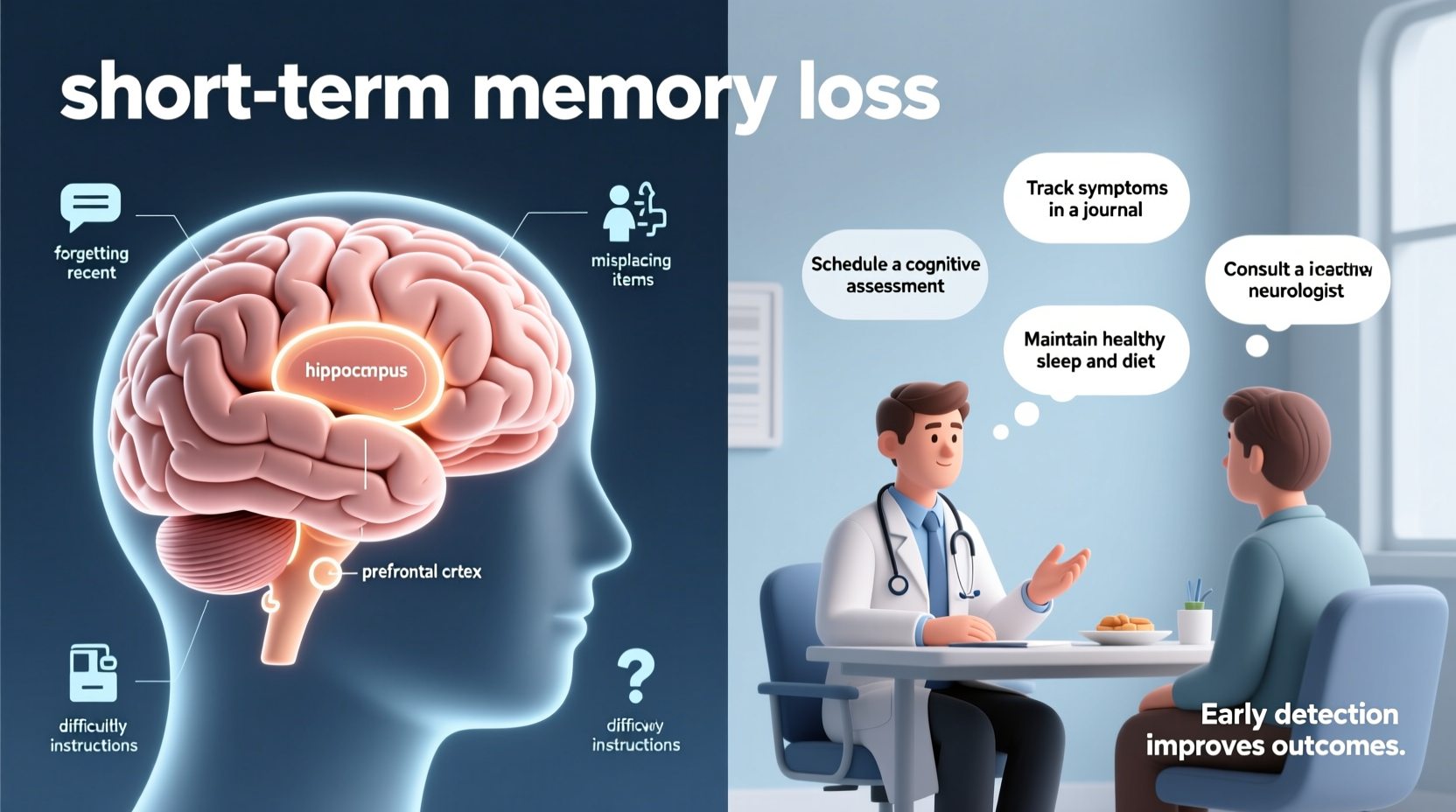
Short term memory refers to the brain's ability to store and manage information for brief periods—typically seconds to minutes—before either discarding it or transferring it to long-term storage. This type of memory is essential for everyday tasks: remembering a phone number while dialing, following directions, or recalling what you had for breakfast. Unlike long-term memory, which can last years, short term memory is fragile and easily disrupted by stress, fatigue, or neurological changes.
When short term memory begins to falter consistently, it often reflects underlying issues in the hippocampus and prefrontal cortex—brain regions responsible for encoding and retrieving recent experiences. While aging naturally affects memory efficiency, significant or progressive decline should never be dismissed as “just getting older.”
Common Early Signs of Short Term Memory Loss
Early symptoms can be subtle and are often mistaken for normal forgetfulness. However, certain patterns indicate a need for closer attention. These include:
- Repeating questions or stories within the same conversation
- Forgetting recent conversations, appointments, or events
- Losing track of time or place (e.g., not knowing the day or month)
- Difficulty following instructions or completing familiar tasks
- Misplacing items in unusual places (like putting keys in the refrigerator)
- Relying heavily on notes, reminders, or family members to remember simple things
- Trouble finding the right words during speech
It’s important to distinguish between occasional forgetfulness and persistent memory disruption. For example, forgetting someone’s name temporarily is common. But regularly forgetting the names of close family members or struggling to recall basic details from a meal eaten just an hour ago suggests a deeper issue.
What to Do Next: A Step-by-Step Guide
If you or someone you care about is showing consistent signs of short term memory loss, taking prompt, structured action is essential. Here’s a clear path forward:
- Document the symptoms: Record specific examples—dates, situations, frequency. Include input from others who’ve noticed changes.
- Schedule a medical evaluation: Visit a primary care physician or neurologist. Mention all observed behaviors, even those that seem minor.
- Undergo diagnostic testing: This may include blood work (to rule out vitamin deficiencies or thyroid issues), cognitive assessments (like the Mini-Mental State Exam), and brain imaging (MRI or CT scans).
- Seek a specialist if needed: A geriatrician, neuropsychologist, or memory disorder clinic can provide deeper analysis.
- Review medications: Some prescriptions—including antihistamines, sleep aids, and certain antidepressants—can impair memory.
- Address lifestyle factors: Evaluate sleep quality, stress levels, diet, and physical activity, all of which influence brain health.
Early diagnosis does not always mean a degenerative condition. Many reversible causes mimic memory loss, such as depression, sleep apnea, infections, or nutritional deficiencies (especially B12). Identifying and treating these can restore cognitive function.
Do’s and Don’ts: Practical Response Table
| Do’s | Don’ts |
|---|---|
| Encourage open, non-judgmental conversations about memory concerns | Dismiss symptoms as “normal aging” without evaluation |
| Accompany the person to doctor visits for support and clarity | Use condescending language or treat them as incapable |
| Implement organizational tools: calendars, alarms, labeled containers | Take over responsibilities without discussion or consent |
| Promote brain-healthy habits: exercise, Mediterranean diet, mental stimulation | Delay seeking help due to fear or stigma |
| Explore support groups and counseling options | Assume a diagnosis of dementia without proper testing |
Real-Life Example: Recognizing the Pattern
Martha, a 68-year-old retired teacher, began forgetting her weekly bridge game. At first, her daughter attributed it to busyness. But when Martha started repeating the same story three times in one dinner and misplaced her wallet in the freezer twice, concern grew. Her family gently encouraged a visit to her doctor. Blood tests revealed a severe vitamin B12 deficiency, likely due to reduced stomach absorption common in older adults. With supplements and dietary adjustments, Martha’s memory improved significantly within six weeks. What could have been misdiagnosed as early dementia turned out to be a treatable condition—caught early because her family paid attention to the pattern, not just the incident.
Expert Insight on Early Detection
“Identifying memory changes early allows us to intervene at a stage where lifestyle modifications, medication, and support systems can make a profound difference in quality of life and progression.” — Dr. Alan Reyes, Neurologist and Cognitive Health Specialist, Mayo Clinic
Key Tips for Supporting Cognitive Health
- Stay physically active: Regular aerobic exercise increases blood flow to the brain and supports neuroplasticity.
- Eat brain-supportive foods: Focus on leafy greens, fatty fish, nuts, berries, and whole grains.
- Protect sleep hygiene: Aim for 7–8 hours per night. Poor sleep disrupts memory consolidation.
- Manage chronic conditions: Control hypertension, diabetes, and high cholesterol, all of which impact brain health.
- Stay socially connected: Loneliness is linked to faster cognitive decline.
Frequently Asked Questions
Is short term memory loss always a sign of dementia?
No. While it can be an early symptom, many non-degenerative factors—such as stress, medication side effects, sleep deprivation, depression, or thyroid imbalances—can cause similar issues. A thorough medical evaluation is necessary to determine the cause.
At what age should I start worrying about memory changes?
Concern is less about age and more about change. Even individuals in their 50s can experience early cognitive changes. What matters is whether the memory loss represents a noticeable shift from previous abilities and interferes with independence.
Can memory loss be reversed?
In some cases, yes. Memory problems caused by nutritional deficiencies, medication interactions, infections, or emotional health issues can improve or resolve entirely with appropriate treatment. Even in neurodegenerative conditions, early intervention can slow progression and enhance functioning.
Action Plan Checklist
If you suspect short term memory loss in yourself or a loved one, use this checklist to stay proactive:
- ☑ Document specific memory lapses with dates and context
- ☑ Schedule a comprehensive medical check-up
- ☑ Request cognitive screening and relevant lab tests
- ☑ Review current medications with a pharmacist or doctor
- ☑ Introduce memory aids: digital reminders, written lists, routine anchors
- ☑ Begin or maintain a brain-healthy lifestyle
- ☑ Connect with local or online support resources
Conclusion: Take Action with Clarity and Care
Recognizing the early signs of short term memory loss isn’t about fear—it’s about empowerment. Awareness opens the door to timely answers, better outcomes, and meaningful planning. Whether the cause is temporary, treatable, or part of a longer-term condition, knowledge gives you and your loved ones the power to respond wisely. Don’t wait for symptoms to worsen. Talk openly, seek professional guidance, and take practical steps today. Your future self—and those who care about you—will benefit from your courage to act now.




 浙公网安备
33010002000092号
浙公网安备
33010002000092号 浙B2-20120091-4
Comments
No comments yet. Why don't you start the discussion?