
Relationships shape our emotional world. Whether romantic, familial, or platonic, they influence how we see ourselves and others. Yet not all relationships serve our well-being. Some drain energy, erode self-worth, or repeat harmful cycles. While it’s easy to label a relationship as “toxic,” understanding why it feels that way requires deeper insight. Attachment theory—a psychological framework developed by John Bowlby and expanded by Mary Ainsworth—offers a powerful lens for identifying unhealthy dynamics rooted in early emotional development.
By recognizing how your attachment style influences your interactions, you gain clarity on recurring patterns: Why do you attract emotionally unavailable partners? Why do minor conflicts escalate into full-blown crises? Why do some people seem to consistently cross your boundaries without consequence? The answers often lie in the subconscious scripts formed during childhood. This article explores how to use basic principles of attachment theory to detect, analyze, and ultimately transform toxic relationship patterns.
Understanding Attachment Theory: The Foundation
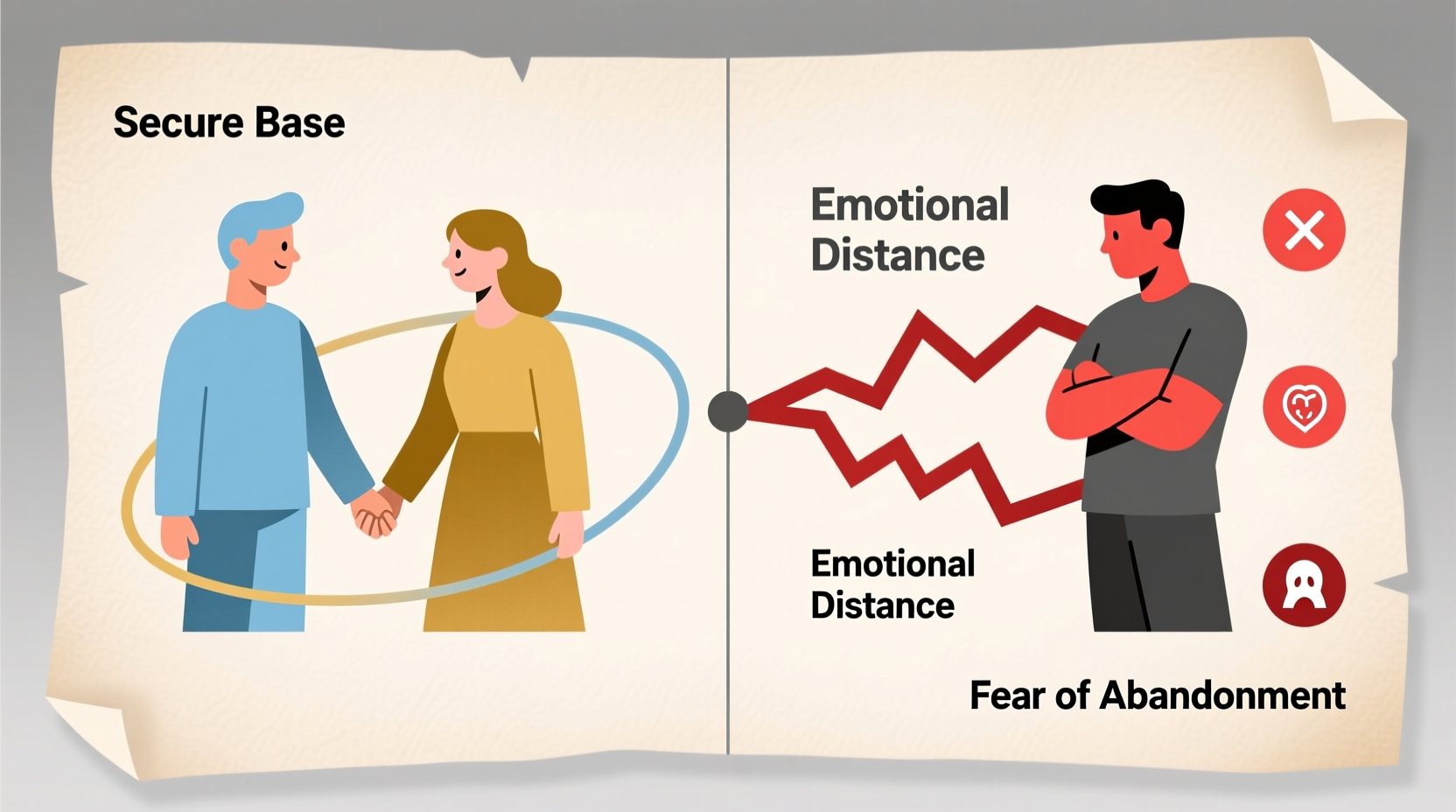
Attachment theory posits that the bonds formed between infants and their primary caregivers lay the groundwork for future emotional regulation, intimacy, and relational behavior. These early experiences shape internal working models—mental templates about how relationships function, whether others can be trusted, and how worthy one is of love and care.
Four primary attachment styles emerge from this foundation:
- Secure Attachment: Characterized by comfort with intimacy and independence. Secure individuals trust their partners, communicate needs clearly, and manage conflict constructively.
- Anxious-Preoccupied Attachment: Marked by fear of abandonment, high emotional reactivity, and a need for constant reassurance. These individuals may become clingy or overly dependent.
- Avoidant-Dismissive Attachment: Defined by emotional distancing, discomfort with closeness, and suppression of feelings. People with this style often prioritize independence over connection.
- Fearful-Avoidant (Disorganized) Attachment: A mix of anxious and avoidant tendencies. These individuals desire closeness but fear getting hurt, leading to push-pull dynamics and emotional unpredictability.
While no attachment style is inherently “bad,” mismatched or extreme expressions—especially when combined with poor communication or trauma—can foster toxic environments. Recognizing your own style and that of others allows you to decode behaviors that might otherwise seem irrational or confusing.
How Attachment Styles Manifest in Toxic Dynamics
Toxic relationships aren’t always defined by overt abuse. More often, they involve subtle but persistent emotional erosion—constant anxiety, manipulation, lack of accountability, or emotional unavailability. Attachment theory helps explain how these issues arise and persist.
Anxious + Avoidant Pairing: The Pursuer-Distancer Cycle
One of the most common toxic configurations involves an anxiously attached person paired with an avoidantly attached partner. The anxious individual seeks closeness and validation, while the avoidant partner pulls away when intimacy increases. This creates a feedback loop: the more one pursues, the more the other withdraws.
Over time, this cycle breeds resentment. The anxious partner feels abandoned; the avoidant partner feels smothered. Neither feels heard, yet both are acting from deeply ingrained survival mechanisms shaped in childhood.
Disorganized Attachment and Emotional Volatility
People with fearful-avoidant (disorganized) attachment often grew up in unpredictable or traumatic environments where caregivers were both a source of comfort and fear. In adult relationships, this can manifest as intense mood swings, sudden withdrawals after moments of closeness, or contradictory behaviors—like expressing deep love one day and cold detachment the next.
This inconsistency destabilizes partners, creating confusion and emotional exhaustion. Without awareness, these individuals may unknowingly recreate the chaos of their early environment.
“Attachment isn't destiny, but it does create invisible scripts that guide how we love. Healing begins when we bring those scripts into the light.” — Dr. Amira Chen, Clinical Psychologist & Attachment Specialist
Red Flags: Identifying Toxic Patterns Through an Attachment Lens
Not every difficult relationship is toxic, nor is every insecure attachment style destructive. However, certain patterns—when persistent and damaging—signal dysfunction. Using attachment theory, here are key indicators to watch for:
| Behavior | Possible Attachment Link | Why It’s Harmful |
|---|---|---|
| Frequent breakups and reconciliations (\"hot-cold\" pattern) | Fearful-avoidant or anxious attachment | Creates emotional instability and erodes trust |
| Extreme jealousy or need for constant contact | Anxious-preoccupied attachment | Pressures partner, limits autonomy |
| Emotional withdrawal during conflict | Avoidant-dismissive attachment | Stonewalling prevents resolution |
| Difficulty trusting even loyal partners | Disorganized or unresolved trauma | Projects past harm onto present relationships |
| Minimizing your feelings (“You’re too sensitive”) | Avoidant or narcissistic traits | Invalidates emotional experience |
The presence of one or two signs doesn’t automatically mean a relationship is toxic. But when multiple red flags coexist and cause ongoing distress, it’s time to assess whether the dynamic is serving your emotional health.
Mini Case Study: Sarah and Jordan
Sarah, 32, repeatedly found herself in relationships where she felt \"never enough.\" She dated Jordan for two years. She loved his independence and calm demeanor—initially. But over time, she noticed he rarely initiated conversations, canceled plans last minute, and dismissed her concerns about feeling lonely.
When she expressed sadness, he said, “I need space. You’re too intense.” Sarah would spiral into anxiety, sending long messages pleading for reassurance. Jordan would briefly respond, then disappear again. This cycle repeated for months until Sarah ended things—only to reconnect weeks later after Jordan apologized and promised change.
From an attachment perspective, Sarah exhibited anxious-preoccupied traits stemming from an inconsistent caregiver in childhood. Jordan displayed strong avoidant-dismissive tendencies, likely due to being taught to suppress emotions. Their dynamic wasn’t malicious—but it was unsustainable. Only after therapy did Sarah recognize the pattern and begin setting firmer boundaries.
Step-by-Step Guide to Assessing Your Relationships
You don’t need a degree in psychology to apply attachment insights. Follow this five-step process to evaluate your current or past relationships:
- Identify Your Attachment Style
Take a validated questionnaire (such as the Experiences in Close Relationships scale) or reflect on your emotional triggers. Do you panic when someone doesn’t reply? Or do you feel relieved when a partner gives you space? - Map Your Partner’s Behavior
Note recurring actions: Do they shut down during arguments? Demand constant attention? Break promises without remorse? Look for consistency, not isolated incidents. - Trace the Pattern Across Relationships
Ask: Have I attracted similar types before? Do I end up in the same kind of conflict? Repetition suggests an unconscious attachment pull. - Evaluate Emotional Outcomes
After interactions, do you feel calmer and more connected—or drained, confused, or diminished? Secure attachments should leave you feeling grounded, not destabilized. - Assess Responsiveness to Change
Have you discussed concerns? Did your partner show empathy and willingness to adjust? A toxic dynamic persists when one or both parties refuse insight or growth.
Building Healthier Connections: A Checklist for Change
Recognizing toxicity is only the first step. Lasting improvement comes from intentional action. Use this checklist to move toward secure functioning:
- ✔️ Practice self-regulation techniques (mindfulness, breathing exercises) when feeling triggered
- ✔️ Name your needs directly instead of expecting others to guess them
- ✔️ Set clear boundaries and enforce them calmly and consistently
- ✔️ Choose partners with demonstrated emotional availability, not just chemistry
- ✔️ Seek therapy if you have disorganized or unresolved trauma history
- ✔️ Observe how conflict is handled—healthy couples repair; toxic ones escalate or stonewall
- ✔️ Prioritize mutual respect over passion or intensity
Healing attachment wounds takes time. But small, consistent shifts in awareness and behavior lead to profound changes in relationship quality.
FAQ: Common Questions About Attachment and Toxicity
Can two insecurely attached people have a healthy relationship?
Yes—but it requires significant self-awareness and effort. If both partners are committed to personal growth, therapy, and open communication, they can co-create a secure-enough bond. However, if neither recognizes their patterns, the relationship will likely remain unstable.
Is avoidant behavior always a sign of a toxic partner?
No. Occasional need for space is normal. Chronic emotional unavailability, refusal to engage in important discussions, or consistent dismissal of your feelings—especially after being addressed—are warning signs. Context and consistency matter.
Can attachment styles change over time?
Absolutely. While early experiences shape initial styles, adulthood offers opportunities for earned security through therapy, supportive relationships, and conscious reflection. The brain remains capable of forming new emotional templates throughout life.
Conclusion: From Awareness to Action
Attachment theory isn’t a diagnostic tool or an excuse for harmful behavior. It’s a map—one that helps you navigate the complex terrain of human connection with greater compassion and clarity. When you understand why you react the way you do, and why others respond as they do, you reclaim power over your relational choices.
Identifying a toxic relationship isn’t about blame. It’s about discernment. It’s asking: Does this connection help me grow, feel safe, and express my authentic self? Or does it leave me questioning my worth, walking on eggshells, or trapped in endless loops of pain?
If you’ve recognized patterns that no longer serve you, take heart: awareness is the first act of change. Begin with gentle honesty. Seek support. Make space for relationships that reflect your value. And remember—you are not broken because you struggled in love. You were simply working with the tools you were given. Now, you can choose better ones.




 浙公网安备
33010002000092号
浙公网安备
33010002000092号 浙B2-20120091-4
Comments
No comments yet. Why don't you start the discussion?