
Sitting in a car for extended periods can be uncomfortable, especially when heat builds up between your back and the seat. Over time, poor ventilation leads not only to discomfort but also to premature wear of upholstery and foam degradation. Improving car seat cushion breathability isn’t just about staying cool—it’s about preserving the integrity of your vehicle’s interior while enhancing daily driving satisfaction. Whether you're commuting, road-tripping, or ride-sharing, optimizing airflow through and around your seat cushions makes a measurable difference in both comfort and longevity.
Why Breathability Matters in Car Seat Design
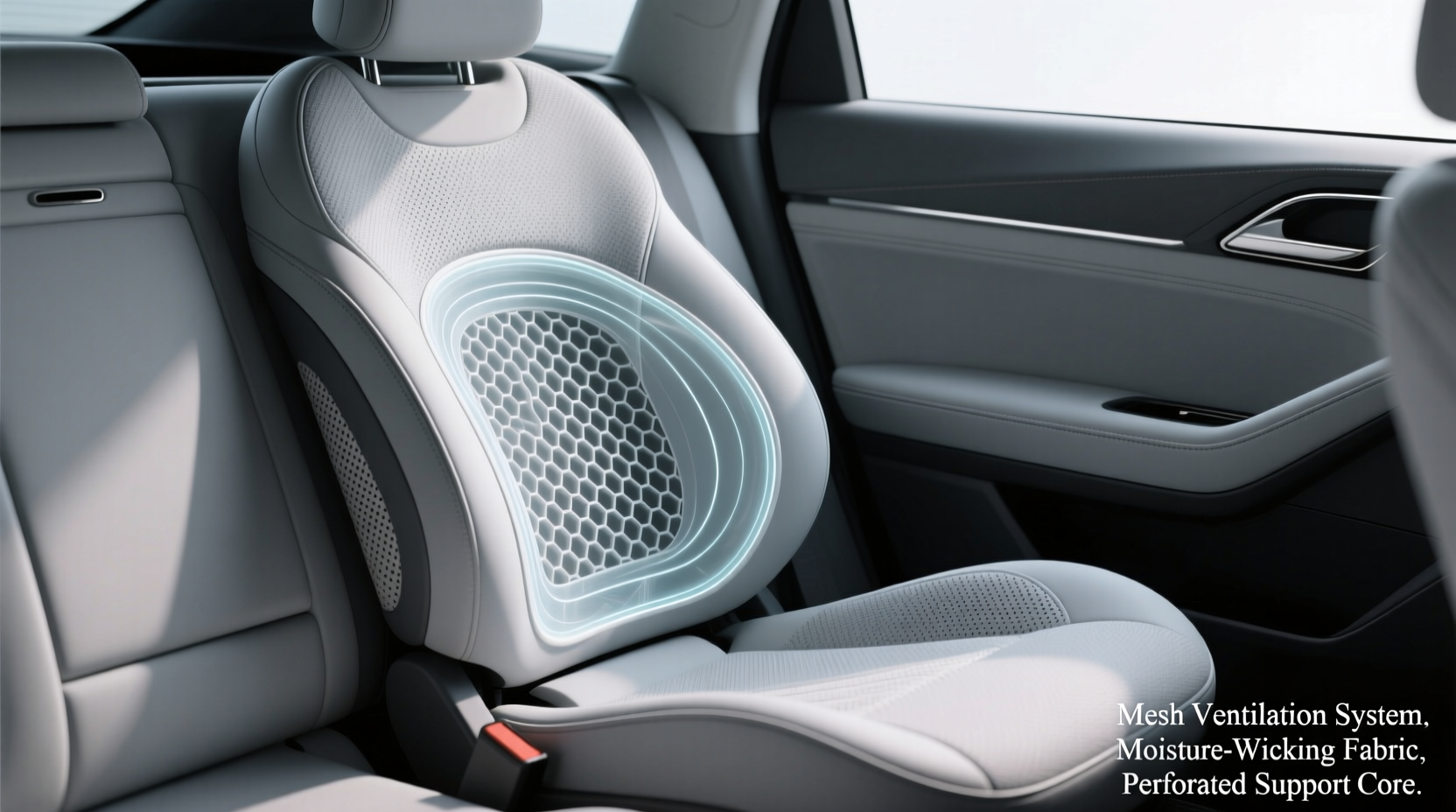
Modern vehicles are engineered with ergonomics in mind, yet many factory-installed seats prioritize support over ventilation. As body heat rises and moisture accumulates from sweat, non-breathable materials trap humidity against the skin. This creates an environment conducive to odor buildup, microbial growth, and long-term material fatigue. Foam cores compress faster under constant heat exposure, and synthetic fabrics may degrade or discolor prematurely.
Breathable seating allows air to circulate freely, reducing surface temperature by up to 5–7°C (9–13°F) compared to sealed cushion designs. It also minimizes clamminess, helping drivers maintain focus and posture without distraction. For individuals with sensitive skin or conditions like hyperhidrosis, improved airflow is not merely a luxury—it's a functional necessity.
“Thermal regulation in car interiors directly impacts driver alertness and physical endurance. A well-ventilated seat reduces physiological stress during prolonged use.” — Dr. Lena Torres, Automotive Ergonomics Researcher, MIT Transportation Lab
Materials That Enhance Airflow and Durability
The foundation of any breathable seat lies in its construction materials. While aesthetics matter, performance should take precedence—especially if you spend hours behind the wheel weekly.
Natural textiles such as cotton mesh, wool blends, and perforated leather offer superior moisture-wicking properties. These allow vapor to escape rather than pool on contact surfaces. In contrast, solid vinyl or thick polyester layers act as thermal barriers, trapping heat and accelerating wear.
Memory foam, though praised for comfort, often suffers from poor breathability unless modified with open-cell technology or gel infusions. High-resilience (HR) foam, commonly used in premium automotive applications, balances support with better airflow due to its porous structure.
Step-by-Step Guide to Upgrading Seat Cushion Ventilation
Improving breathability doesn’t require replacing your entire seat. With careful modifications, you can significantly enhance airflow using accessible upgrades.
- Evaluate current seat composition: Remove the seat cover (if removable) or inspect seams to identify underlying materials. Note areas where padding feels dense or overheats quickly.
- Clean existing cushion: Vacuum thoroughly, then wipe down with a mild detergent solution. Let dry completely before proceeding—trapped moisture compromises new layers.
- Add a ventilated insert: Place a thin layer of open-cell foam or honeycomb polymer pad between the original cushion and cover. These materials encourage lateral airflow and reduce direct heat transfer.
- Install a 3D spacer fabric liner: Cut to size and position this elasticized mesh layer over the cushion. Its spring-like structure maintains micro-gaps for continuous air exchange.
- Replace or upgrade outer cover: Use breathable fabric such as Jacquard weave, perforated neoprene, or technical sport mesh. Ensure it fits snugly without compressing the ventilation layer underneath.
- Test and adjust: Sit for 20–30 minutes in normal conditions. If heat still builds rapidly, consider adding passive vents or repositioning inserts for optimal pressure distribution.
Do’s and Don’ts: Material and Modification Table
| Action | Do | Don't |
|---|---|---|
| Choosing foam | Use open-cell or gel-infused foam | Avoid closed-cell rubber foams |
| Selecting fabric | Pick 3D mesh, cotton blend, or perforated leather | Use solid PVC or non-porous synthetics |
| Cleaning method | Vacuum regularly; spot-clean with pH-neutral agents | Soak cushions or use harsh solvents |
| Modification depth | Add no more than 1.5 inches of additional layers | Overbuild thickness, restricting movement |
| Vent placement | Align cutouts with natural hip and lower back zones | Create uneven gaps that cause pressure points |
Real-World Example: Long-Haul Truck Driver Upgrade
Mark R., a cross-country trucker based in Texas, experienced chronic lower back discomfort after 10-hour shifts. His OEM cloth seats retained heat despite frequent stops. After researching solutions, he installed custom 3D spacer fabric liners backed with 1-inch ventilated HR foam. He stitched breathable nylon covers himself, incorporating side gussets for lateral airflow.
Within two weeks, Mark reported a noticeable drop in seat surface temperature and reduced fatigue. “I used to change shirts twice a day,” he said. “Now I stay drier, sit longer, and my hips don’t ache like they did.” The modification cost under $80 and has lasted over 14 months with minimal wear—proof that targeted improvements yield outsized returns.
Checklist: Optimize Your Seat in Under One Hour
- ☐ Assess current seat heat retention and material type
- ☐ Purchase a high-airflow seat cushion or DIY insert kit
- ☐ Clean and fully dry the existing seat base
- ☐ Install spacer fabric or ventilated foam layer
- ☐ Fit a breathable, stretchable cover securely
- ☐ Test during real-world use (e.g., 30-minute drive)
- ☐ Adjust positioning or thickness if hot spots remain
Frequently Asked Questions
Can I install a cooling fan system myself?
Yes, small USB-powered seat fans are available for aftermarket installation. They draw air through perforated cushions or backrest panels, actively pulling heat away. Choose models with quiet motors and washable filters. However, ensure wiring doesn’t interfere with seat adjustments or safety systems like side airbags.
Will improving breathability extend the life of my seats?
Absolutely. Heat and moisture accelerate material breakdown. By maintaining lower operating temperatures and reducing humidity exposure, foam retains resilience longer, and fabrics resist fading, cracking, or mildew. Vehicles with climate-controlled or ventilated seats show up to 40% slower upholstery degradation over five years, according to industry studies.
Are heated seats incompatible with breathable upgrades?
Not necessarily. Many modern heated seats already include perforations or mesh zones. When adding external layers, avoid insulating materials that block heat dissipation. Instead, opt for thermally neutral fabrics that allow warmth to pass through while still enabling airflow during off cycles.
Conclusion: Breathe Easier, Drive Longer
Comfort in a vehicle isn’t solely determined by suspension or cabin noise—it’s deeply personal, rooted in how your body interacts with every surface you touch. A simple upgrade to your seat cushion’s breathability transforms long drives from endurance tests into enjoyable experiences. More importantly, it protects your investment by slowing material fatigue caused by heat and moisture.
You don’t need expensive replacements or complex installations. Start with one change—a mesh liner, a new cover, or a ventilated insert—and feel the difference within days. Small interventions lead to lasting benefits: cooler skin, fresher interiors, and seats that perform reliably for years.




 浙公网安备
33010002000092号
浙公网安备
33010002000092号 浙B2-20120091-4
Comments
No comments yet. Why don't you start the discussion?